Why myths, lyrics, and symbols keep repeating the same hidden architecture of consciousness
Most people think myth is old storytelling and songs are emotional theater.
They are not.
At their deepest level, both are symbolic instruction manuals showing what happens when undivided awareness appears to break into reflectionAm — ReflectionAm names reflected presence: awareness embodied or mirrored without yet becoming ownership.Read full entry →, projectionThose — ProjectionThose names projection: enemies, outsiders, competitors, threats, and disowned qualities placed beyond the identity boundary.Read full entry →, and identityThis — IdentityThis names the formed identity: the body, role, image, wound, belief, or story claimed as what the self is.Read full entry →. They are not merely stories about gods, lovers, heroes, rebels, or dreamers. They are maps of consciousness leaving itself clues.
In this framework, the pattern is simple.
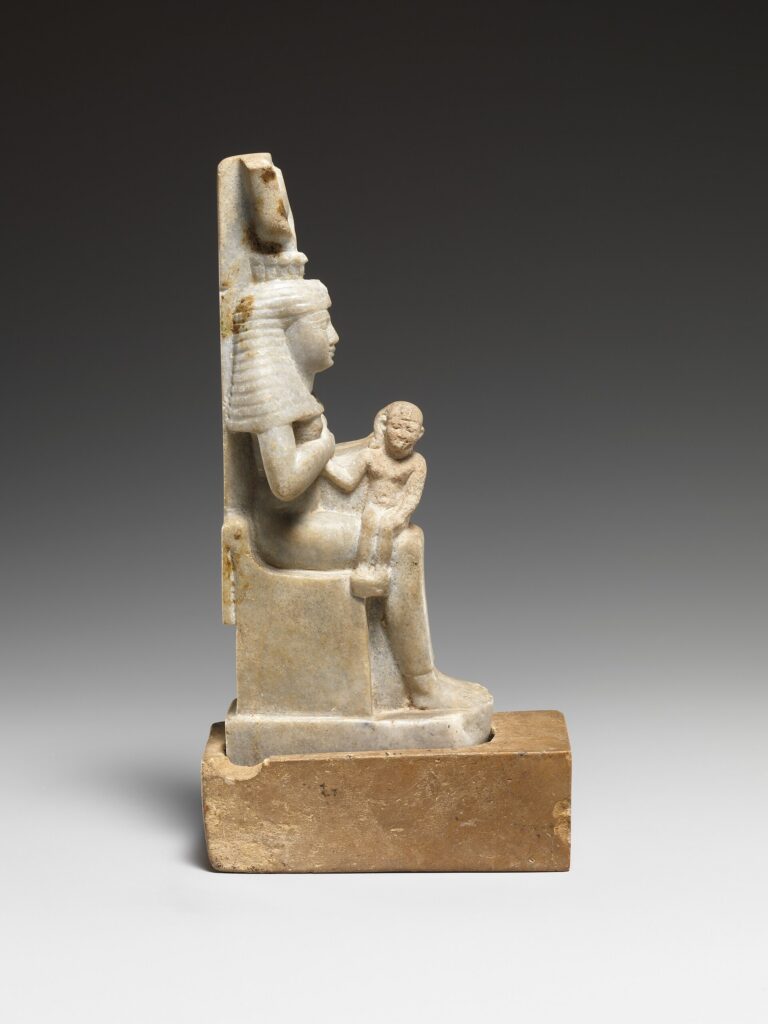
IsisIsisIn Geomytha, Isis names the unclaimed field: Is — pure being, awareness before possession, and the ground before the claimant appears.Read full entry → is undivided awareness: pure is-ness, the ground before the split.
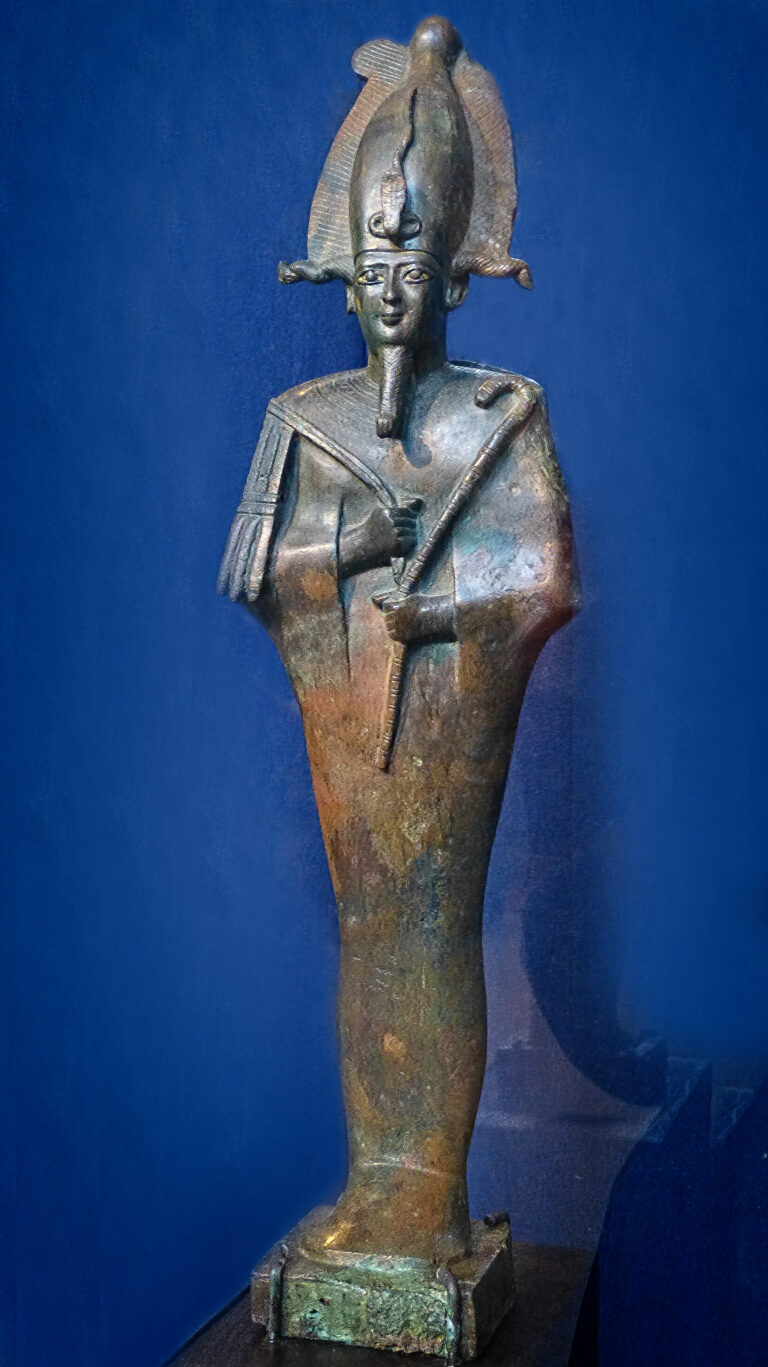
OsirisOsirisIn Geomytha, Osiris names reflected presence: Am — awareness reflected as living consciousness without yet becoming ownership.Read full entry → is that awareness in clear reflection: presence still aligned with its sourceIs — SourceIs names unclaimed being: awareness before possession, distinction, or identity.Read full entry →.
SetSetIn Geomytha, Set names the claimant: I — the interruption by which reflection is taken as mine and converted toward ownership.Read full entry → is the break in the reflection: projection, division, imagination overtaking reality.
HorusHorusIn Geomytha, Horus names the identity that forms after claim: This — the body, role, image, wound, belief, or story taken as what the self is.Read full entry → is the self that forms inside the break and mistakes itself for the center.
That is the whole drama.
Once you see it, you start seeing why the same structure keeps repeating across myth, scripture, film, and song.
Myths usually begin in some form of wholeness: primordial waters, a garden, a sacred kingdom, a cosmic egg, an undivided pair, a golden age. That is not primitive cosmology. That is memory. It is consciousness remembering the field before fragmentationDismemberment / FragmentationDismemberment names the symbolic breaking of a previously integrated reflection into separate parts, roles, objects, or powers.Read full entry →.
Then comes the intrusion.
A serpent enters. A brother betrays a brother. A king is dismembered. A paradise is lost. A false ruler rises. Motion begins. Conflict begins. Naming begins. Time begins. The world of divided perception takes over.
That is Set.
This is also why the antagonist matters so much. In this lens, the antagonist is rarely just “the bad guy.” The antagonist is usually some form of projected perception. Sometimes it appears as a deceiver, monster, tyrant, usurper, tempter, or false kingCounterfeit KingshipCounterfeit kingship appears when a role, ruler, institution, or self treats the throne, office, authority, or form it occupies as the source of legitimacy rather than as a vessel answerable to something…Read full entry →. Sometimes it appears as glamour, fear, prophecy, ideology, fantasy, or ambition. Sometimes it is not even a single character at all, but an entire world, system, maze, empire, or cursed narrative built to keep consciousness trapped in the split.
The true antagonist is whatever pulls awareness away from grounded presence and deeper into identification with projection.
In that sense, every real antagonist is Set in costume.
And the costume matters. Set does not always arrive looking monstrous. Sometimes Set looks seductive. Sometimes righteous. Sometimes intelligent. Sometimes even spiritual. Sometimes the very thing that appears to offer escape is only teaching the self how to become more convincing.
Then comes the apparent answer.
A savior appears. A warrior rises. A son claims the throne. A kingdom is restored. A marriage is completed. A prophecy is fulfilled. Yet something remains off, because the one “returning” is often still a claimant, still a role, still a self trying to overcome the fracture without dissolving the one produced by the fracture.
That is Horus.
This is why myth matters. Myth does not merely show the fall into illusion. It also shows that the attempt to escape illusion can become another layer of illusion.
The seeker can be part of the trap.
The hero can be part of the trap.
The awakened identity can be part of the trap.
That is why “non-duality” can be too weak a phrase. It sounds like an abstract philosophy. What theseThese — AccumulationThese names accumulation: possessions, titles, achievements, beliefs, communities, and other extensions gathered around identity.Read full entry → stories are really circling is something prior to philosophy: undivided awareness. Not togetherness. Not spiritual teamwork. Not many things merged into one. The condition before division is even believed in.
Songs do the same work, only in compressed form.
A myth may take centuries to unfold. A song can do it in three minutes.
A chorus can encode longing for lost presence.
A verse can dramatize seduction by fantasy.
A refrain can trap consciousness in repetition.
A bridge can hint at releaseReturn — RemembranceReturn names remembrance and release: the loosening of possession so reflection can become transparent to source again.Read full entry →.
A title alone can contain the whole pattern.
That is why songs often feel deeper than their literal lyrics. They are not just expressing emotion. They are staging consciousness.
Some songs glorify projection. Some mourn exile from presence. Some turn longing into identity. Some promise salvation just over the horizon. Some reveal the trap outright: the room, the road, the mirror, the watchtower, the storm, the crossroad, the shadow, the dream.
Once the pattern becomes visible, art stops looking random.
The same drama is hiding everywhere: awareness, reflection, fracture, identity.
That is what makes myth and song instruction manuals. They do not simply tell you what to believe. They show you where attention has gone.
They show you when awareness is resting in grounded presence and when it has been hijacked by projection.
They show you how identity gets manufactured.
They show you how false rescue works.
They show you how the mask begins to believe itself.
And sometimes, if read correctly, they show you the exit.
Not by giving you a better character to become.
Not by giving you a grander spiritual identity.
Not by crowning the seeker.
But by revealing that the whole drama depends on consciousness continuing to animate the split.
This is the real purpose of symbolism.
A symbol conceals and reveals at the same time. It hides truth from literalism while preserving it for recognition. That is why myths survive. That is why songs endure. On the surface they may be romance, war, adventure, religion, heartbreak, fantasy, rebellion. Underneath, many of them are carrying the same secret architecture.
They are memory traces of undivided awareness.
Not all of them liberate. Some deepen the trance. Some glorify Set. Some crown Horus and call it awakening. But even then the pattern is still there for anyone willing to see it.
And once you do, every story starts asking the same question:
Is this returning attention to undivided awareness?
Or is it teaching me to identify more deeply with the mask?
That is when myth stops being ancient superstition.
That is when song stops being disposable entertainment.
That is when symbolism stops being decorative.
That is when they become manuals.
Myth is awareness leaving itself breadcrumbs inside the dream.