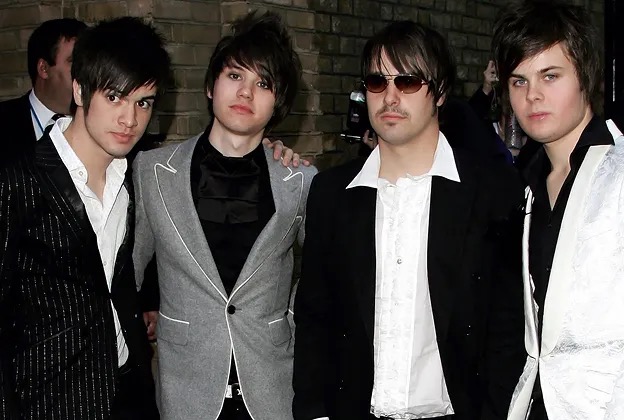
Some titles do not need decoding. They arrive already half-confessed.
Panic! at the Disco is one of them.
Through the Geomytha lens, the phrase names the entire mechanism by which grounded awareness falls into performance. It is not just a band name. It is a myth in miniature.
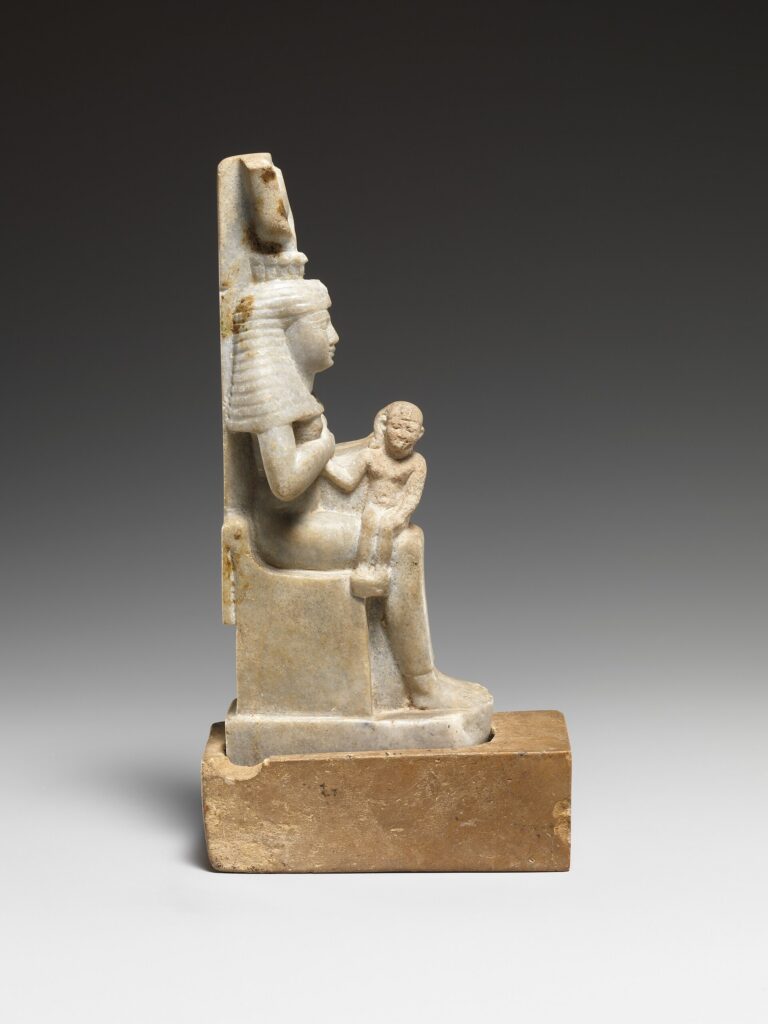
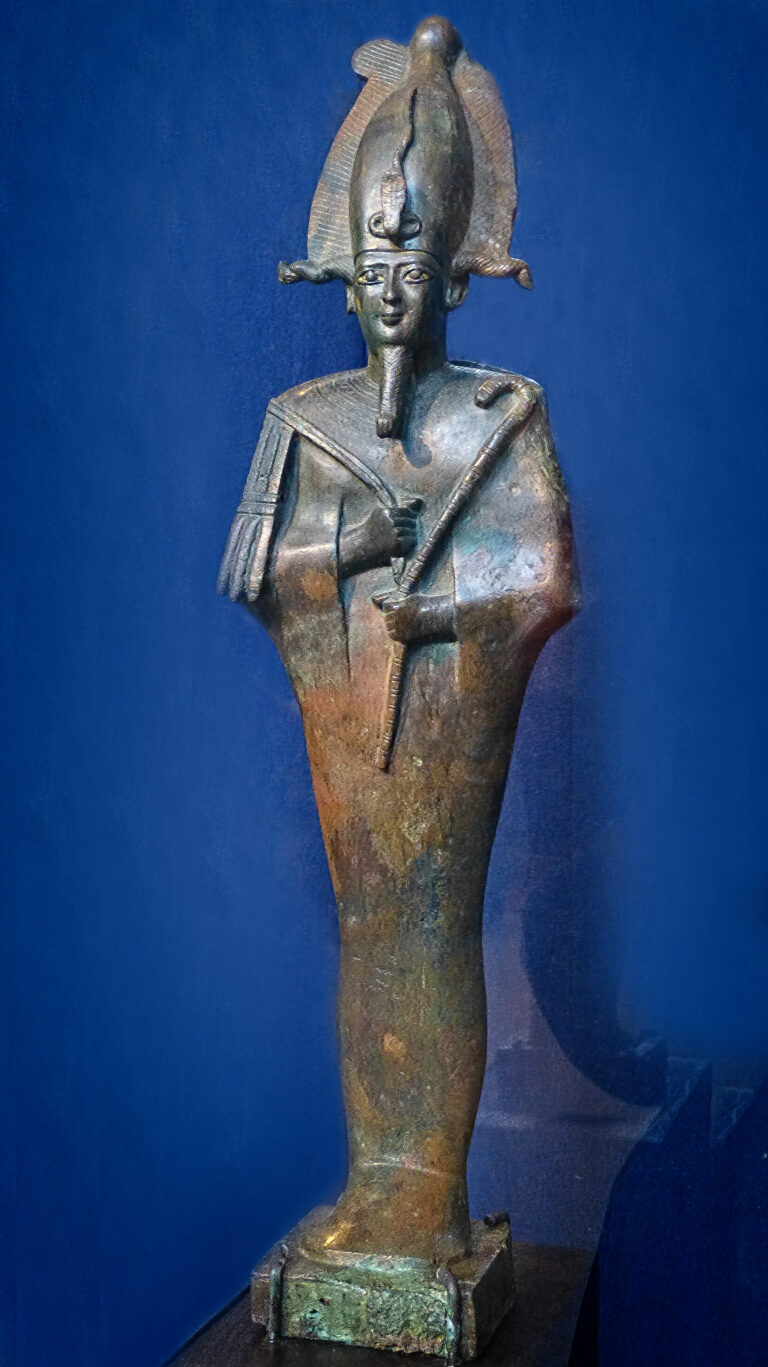
In Geomytha, IsisIsisIn Geomytha, Isis names the unclaimed field: Is — pure being, awareness before possession, and the ground before the claimant appears.Read full entry → is grounded awareness: the living earth of being itself. OsirisOsirisIn Geomytha, Osiris names reflected presence: Am — awareness reflected as living consciousness without yet becoming ownership.Read full entry → is the perfect reflectionAm — ReflectionAm names reflected presence: awareness embodied or mirrored without yet becoming ownership.Read full entry → of that awareness: consciousness still aligned with its sourceIs — SourceIs names unclaimed being: awareness before possession, distinction, or identity.Read full entry →. Then comes SetSetIn Geomytha, Set names the claimant: I — the interruption by which reflection is taken as mine and converted toward ownership.Read full entry →, the force of projected imagination, agitation, distortion, and mental intrusion. From that disturbance emerges HorusHorusIn Geomytha, Horus names the identity that forms after claim: This — the body, role, image, wound, belief, or story taken as what the self is.Read full entry →, the time-bound identityThis — IdentityThis names the formed identity: the body, role, image, wound, belief, or story claimed as what the self is.Read full entry →, the social self, the mask that thinks it is a man.
That whole sequence is already sitting inside the name.
Panic is Set.
It is consciousness no longer resting, but reacting. It is reflection hijacked by projectionThose — ProjectionThose names projection: enemies, outsiders, competitors, threats, and disowned qualities placed beyond the identity boundary.Read full entry →. Panic is what happens when awareness stops abiding in itself and begins to spiral through anticipation, fear, self-reference, and imaginary stakes. Panic is not merely emotion. It is the felt signature of consciousness being overtaken by imagination.
The disco is Horus.
It is the world of lights, faces, poses, costumes, charm, seduction, rhythm, and display. Symbolically, the disco is not just a dance floor. It is a factory for persona. It is where the self is assembled under the gaze of others. It is where consciousness becomes image-conscious.
So the phrase tells the whole story:
Awareness enters the glittering field of reflection.
Reflection becomes unstable.
Projection takes over.
Identity is born under the lights.
That is not merely Panic! at the Disco. That is modern life.
The exclamation point matters too. Presence does not exclaim. Awareness does not shout. The exclamation point is alarm, theatricality, command, emphasis. It belongs to Set. It is the punctuation mark of agitation.
And then there is the mirror ball.
A disco ball takes one light and scatters it into countless moving fragments. That is nearly a perfect image of the fall in Geomytha. One field becomes many reflections. One awareness becomes a thousand impressions. One undivided presence is broken into shimmering pieces, each piece seeming alive, important, seductive. The room glows, but only because the original light has been fractured.
That is the trick.
FragmentationDismemberment / FragmentationDismemberment names the symbolic breaking of a previously integrated reflection into separate parts, roles, objects, or powers.Read full entry → arrives dressed as radiance.
This is why the disco is such a potent symbol. It is not evil because it dances. It is dangerous because it makes broken light look like life itself. It turns scattering into glamour. It turns division into spectacle. It makes the loss of center feel exciting.
That is Set’s signature move in every age: not simply terror, but enchantment.
He does not only distort reflection. He stylizes distortion until it feels liberating.
That is why Panic! at the Disco works so well as a modern mythic phrase. It names a civilization built on performance. We no longer gather in temples of stone, but in temples of image. The nightclub became the screen. The mirror ball became the algorithmic feed. The stage became the profile. The crowd became the audience of mutually reinforcing masks. We perform ourselves under rotating fragments of attention and call it a life.
The same archetypes remain.
Isis is the unbroken ground.
Osiris is clear reflection.
Set is projected imagination.
Horus is the identity produced when reflection gets captured by spectacle.
And panic is the sound consciousness makes when it tries to survive inside that process.
That is why panic and ego belong together. Horus cannot rest. A mask must be maintained. A social identity must be fed, defended, updated, admired, protected. Anything constructed in time is vulnerable in time. So panic is not an occasional malfunction of ego. It is one of ego’s native atmospheres. The costume shines, but it is fragile. The persona glitters, but it depends on constant reinforcement.
This is also why so much theatrical pop imagery feels spiritually revealing. Velvet, eyeliner, confession, seduction, excess, chandeliers, scandal, heartbreak, and implosion are not random decorations. They are the natural aesthetics of consciousness trapped in self-display. Once being becomes performance, melodrama follows.
From this angle, Panic! at the Disco is not fundamentally about rebellion. It is about ego as cabaret.
The self is not merely imprisoned. It is beautifully imprisoned. It is costumed, lit, dramatized, romanticized, made entertaining. The trap sparkles. The fragmentation dances. Illusion becomes pleasurable enough that few ask what has been lost.
And what has been lost is simple:
the stillness before the performance.
That is Isis.
She is the joy before it becomes spectacle.
The love before it becomes seduction.
The life before it becomes persona.
The unbroken field before the mirror ball shatters its light.
Osiris, then, is the capacity to reflect that ground without distortion. To hear the music without becoming the costume. To move without being claimed by the movement. To enter the disco without being born there.
That may be the hidden teaching here.
The problem is not dancing.
The problem is forgetting what is dancing.
The problem is not expression.
The problem is becoming a mask in response to reflection.
The problem is not the room of lights.
The problem is panic at the disco: awareness entering the field of fractured appearance and mistaking the fragments for itself.
So the title stands as a compact modern scripture of the fall. Ancient EgyptEgyptAncient Egyptian cultural and mythic field referenced by the essay.Read full entry → in eyeliner. Osiris in a velvet jacket. Set as theatrical over-animation. Horus born on the dance floor beneath shattered light.
Myth does not disappear. It changes costumes.
The temple becomes the theater.
The theater becomes the club.
The club becomes the feed.
But the mechanism remains the same.
Awareness is still the source.
Reflection is still vulnerable.
Imagination is still seductive.
Identity is still the afterimage of broken light.
And panic is still what happens when consciousness forgets it was whole.
Panic! at the Disco is Osiris under the mirror ball, trembling as Set turns shattered light into a self.