Paid essay — public preview. This page introduces the original essay. The complete argument, examples, and conclusion are available to paid Geomytha subscribers on Substack.
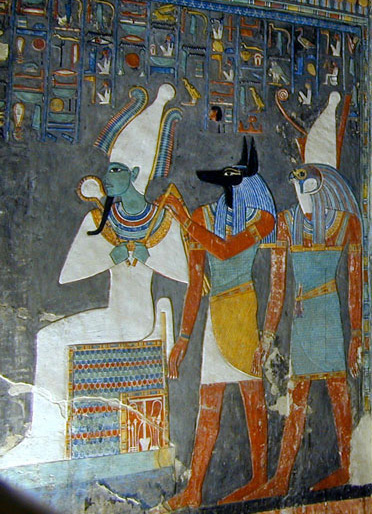
Ancient EgyptReferenceEgyptAncient Egyptian cultural and mythic field referenced by the essay.Read full entry → placed its most important births in a strange location.
Not inside the year.
Outside it.
Three hundred and sixty days formed the ordinary wheel.
Then came five additional days.
Days that belonged neither to the old year nor to the new.
Days suspended between worlds.
And upon these days the Egyptians placed the births of their gods.
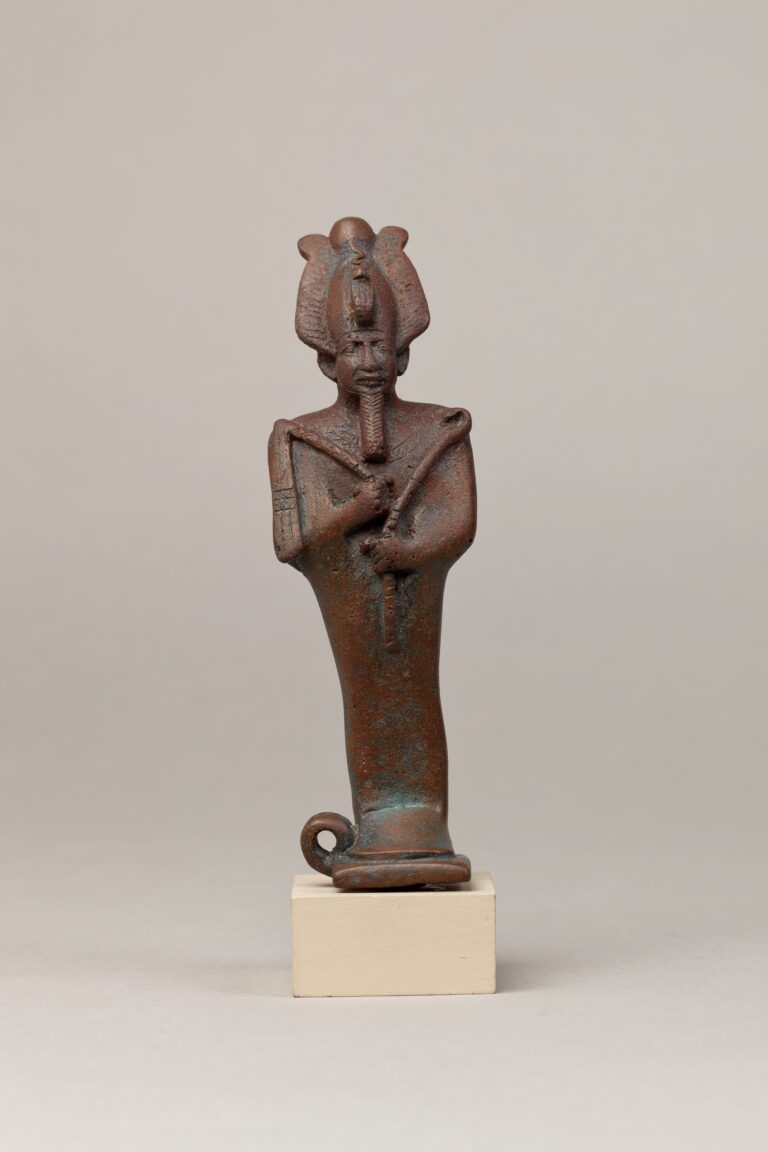
Osiris.
Horus the Elder.
Set.
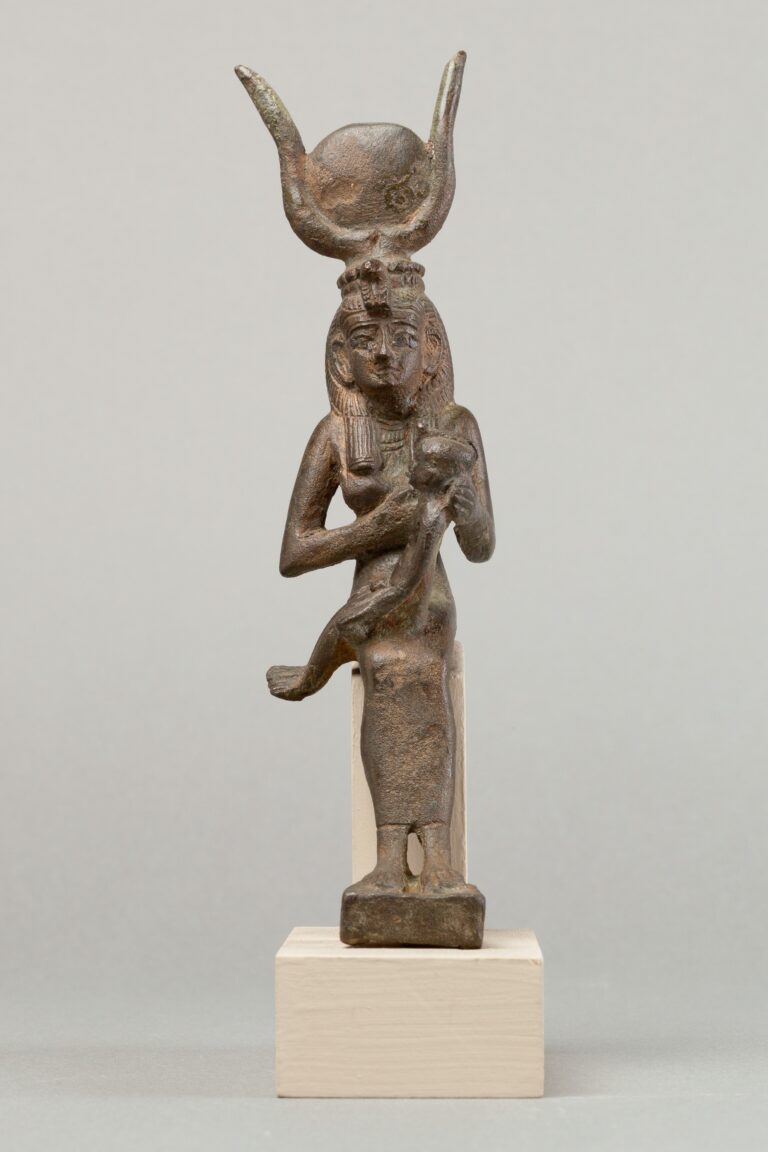
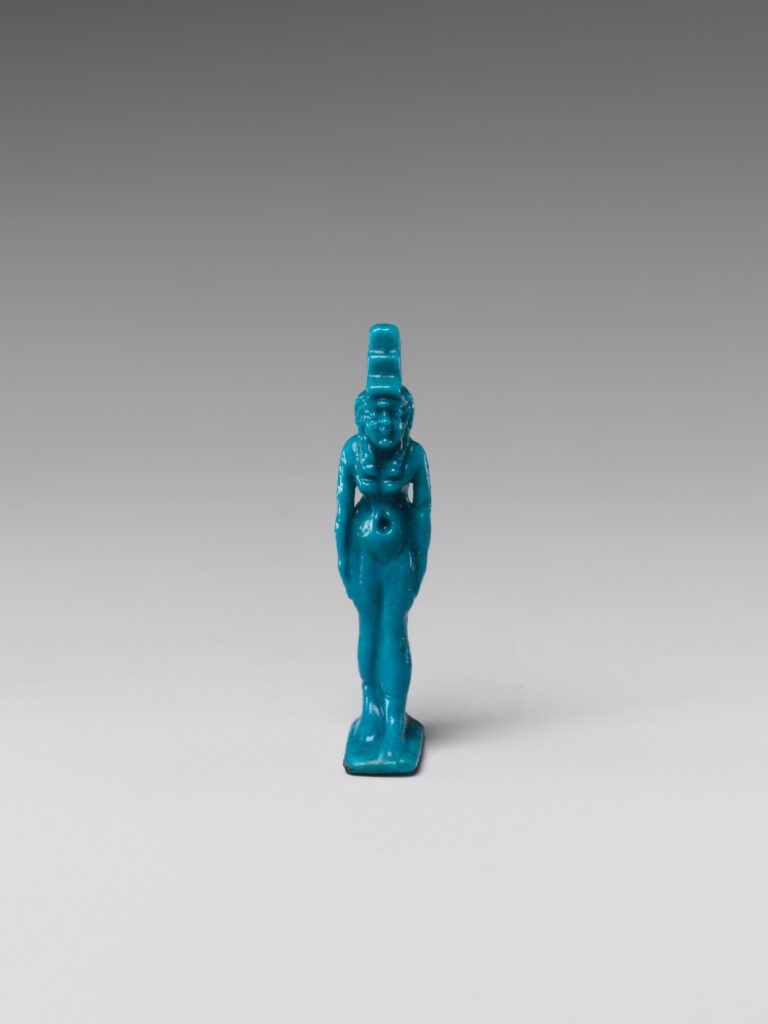
Isis.
Nephthys.
At first glance the sequence appears arbitrary.
Five personalities.
Five stories.
Five names inherited from antiquity.
But symbols often preserve structures deeper than the stories that carry them.
And the order itself raises a question.
Why these five?
And why this order?
If this were a creation story, one might expect Isis to come…
Read the complete essay on Substack →
This WordPress page preserves the essay’s place in the Geomytha archive, its original title and subtitle, and its publication date. The full subscriber edition remains protected on Substack.
Test the reading
Egypt: Egypt spans millennia of different institutions, texts and religious practices. No standalone symbolic claim about every Egyptian follows from using an Osirian grammar. Date the actual witness and preserve contradictions between periods.
Horus: Horus can represent protective, legitimate kingship rather than an identity prison. A role serving relation without claiming final selfhood is a counterexample. Keep the royal son, Horus the Elder and other manifestations distinct, and do not infer ego merely from falcon imagery. These are tests of the essay's proposed comparisons, not a statement that all its historical or empirical claims have been verified.
Original story and earliest witnesses
The work-specific source trail for this comparison is:
Egypt: The surviving Egyptian record begins with ritual and fragmentary witnesses, not one recoverable original story. The late Fifth-Dynasty Pyramid Texts provide the early inscribed corpus; Middle Kingdom Lahun fragments preserve an early extensive Horus–Seth struggle. Plutarch's On Isis and Osiris, written much later in the Roman period, supplies a connected narrative. Compare versions rather than attributing Plutarch's complete sequence to the earliest inscriptions. GEOMYTHA's grammatical assignments are modern comparisons.