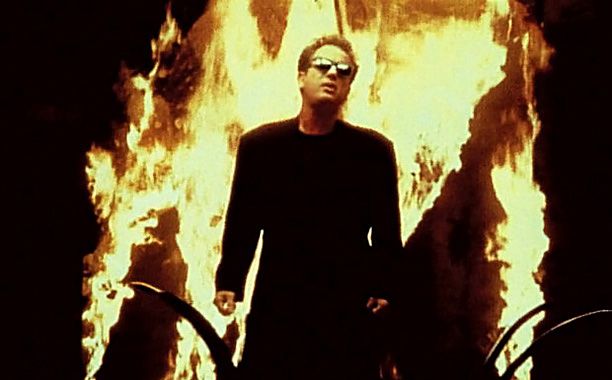
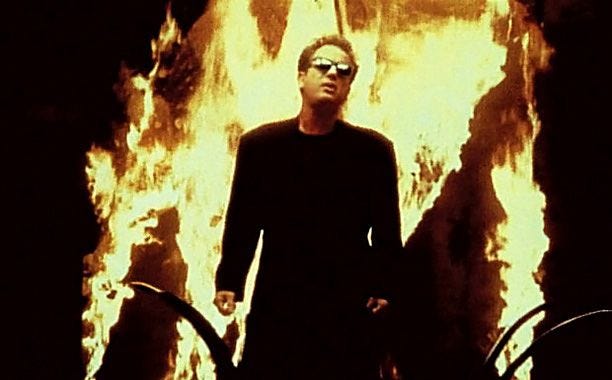
Billy Joel’s “We Didn’t Start the Fire” is usually heard as a clever history lesson—a rapid montage of crises, scandals, wars, and cultural flashpoints.
In Geomytha, it’s something more precise:
A ritual of consent to live inside the blaze of time.
Not because the events are false—but because the structure is a consciousness-engine: it trains attention to identify with the timeline, outsource meaning to headlines, and keep feeding the very fire it claims it didn’t ignite.
The Fire Is Not “Events.” The Fire Is the Mode of Attention.
In this archetypal grammar:
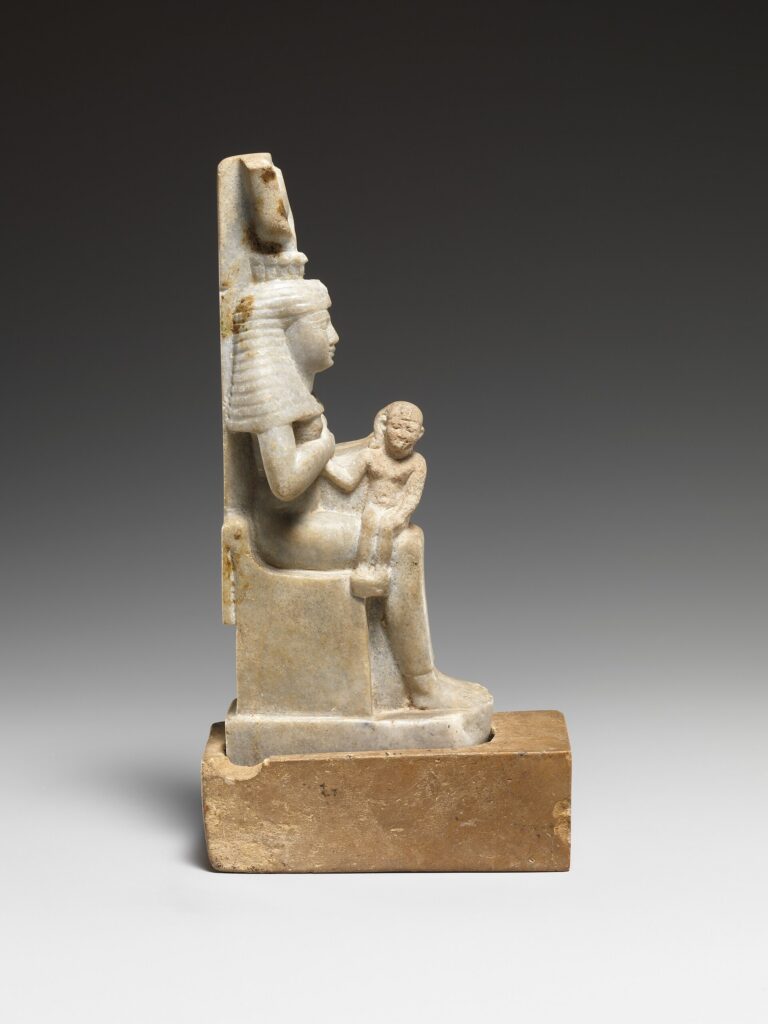
IsisIsisIn Geomytha, Isis names the unclaimed field: Is — pure being, awareness before possession, and the ground before the claimant appears.Read full entry → = awareness itself (earth; the ground of seeing)
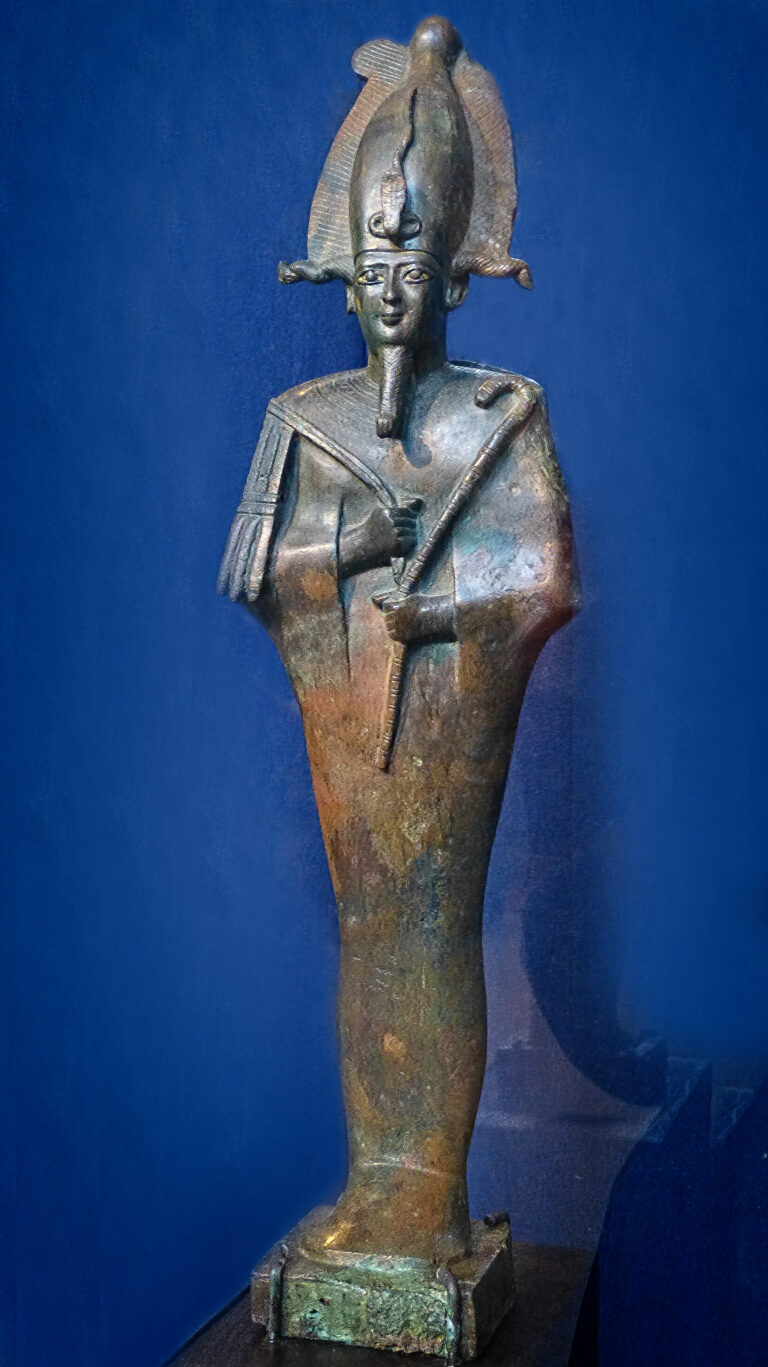
OsirisOsirisIn Geomytha, Osiris names reflected presence: Am — awareness reflected as living consciousness without yet becoming ownership.Read full entry → = the clean reflectionAm — ReflectionAm names reflected presence: awareness embodied or mirrored without yet becoming ownership.Read full entry → of awareness (moon; coherent mirroring)
SetSetIn Geomytha, Set names the claimant: I — the interruption by which reflection is taken as mine and converted toward ownership.Read full entry → = imagination overtaking reflection (sun; glare, division, projectionThose — ProjectionThose names projection: enemies, outsiders, competitors, threats, and disowned qualities placed beyond the identity boundary.Read full entry →)
HorusHorusIn Geomytha, Horus names the identity that forms after claim: This — the body, role, image, wound, belief, or story taken as what the self is.Read full entry → = time-bound ego identityThis — IdentityThis names the formed identity: the body, role, image, wound, belief, or story claimed as what the self is.Read full entry → (illusion of “me” inside the story)
The song’s “fire” is Set’s medium: history-as-hypnosis.
Not history as “facts,” but history as endless ignition—a perpetual state of “something is happening out there, and you must track it.”
That is Set’s solar glare: it doesn’t invite contemplation, it demands scanning.
The List Is the Spell
Notice what the lyrics do:
They do not allow meaning to settle.
They don’t give you time to feel an event, understand it, or integrate it. They fire proper nouns like sparks: names, places, incidents, wars—faster than the mind can digest.
That speed is not accidental. It creates a particular consciousness posture:
Attention becomes a cursor.
The psyche becomes an index.
Life becomes a feed.
This is how Set uses information: not to reveal truth, but to fragment reflection into the trance of sequence.
Osiris (coherent reflection) gets replaced by the glare of endless references. The listener is trained to accept the world as a chain of external causes—an unending timeline you are morally obligated to keep up with.
The Chorus Is the Contract
We didn’t start the fire…
…but we tried to fight it…
…we kept it burning…
Read that slowly as an archetypal equation.
1) “We didn’t start it”
This is the Horus alibi: identity is born as an inheritor of chaos.
The ego gets to say: I’m not the sourceIs — SourceIs names unclaimed being: awareness before possession, distinction, or identity.Read full entry →, I’m the responder.
2) “But we tried to fight it”
This is the draft notice.
Even if you didn’t start it, you must enter the battleground—meaning you accept the premise that reality is conflict in time.
3) “We kept it burning”
This is the confession: participation.
In Geomytha terms, that line is devastatingly accurate. Because the fire is sustained by fuel—and the primary fuel is attention yoked to identity.
The refrain functions like a civic vow:
I disclaim authorship,
I accept struggle,
and I consent to maintain the system.
That is the time-bound ego in one chorus: Horus born inside Set’s sun.
Why It Feels True Even When You Don’t Know the References
Most listeners can’t explain half the names in the song—yet it lands.
Because it’s not transferring information. It’s installing a metaphysic:
Reality is the burning timeline.
You are the one who must manage it.
That is exactly the world-view that produces modern identity: the self as a historian of emergencies.
The song doesn’t merely describe the fire.
It trains you to live as fire-keeper.
The Exit the Song Never Sings
The hidden alternative is Osiris:
Not winning the timeline.
Not correcting the list.
Not finally “ending” the fire through heroic struggle.
The exit is simpler and more frightening to the ego:
Stop feeding it with identity.
Because the deepest trick isn’t that the world contains crisis.
It’s that awareness can be convinced that it is obligated to become the crisis-manager.
Set wants attention in motion.
Osiris returns attention to reflection.
Isis never left.
A Geomytha Practice: Invert the Chorus
Use the chorus as a diagnostic. Each time it hits, run the inversion:
Instead of “we tried to fight it,” ask: What in me is hungry to react?
Instead of “we kept it burning,” practice: I stop adding heat.
Instead of “we didn’t start it,” remember: I am not the storyline. I am the seeing.
The point is not denial of world events.
The point is ending the inner contract that says your being depends on staying inside the blaze.
Closing
“We Didn’t Start the Fire” is brilliant because it’s honest: the fire was already burning.
But it smuggles in the fatal addendum:
So you must keep burning with it.
Geomytha reads the song as an anthem of Set’s world—where the timeline is sovereign and identity is drafted.
And then it offers the only rebellion that matters:
ReturnReturn — RemembranceReturn names remembrance and release: the loosening of possession so reflection can become transparent to source again.Read full entry → to reflection.
Let the fire burn without you.
If this resonates
Subscribe to Geomytha for more myth-decoding of songs, scripture, film, and pop culture—mapping how awareness becomes reflection, how imagination overtakes it, and how the time-bound ego is manufactured.