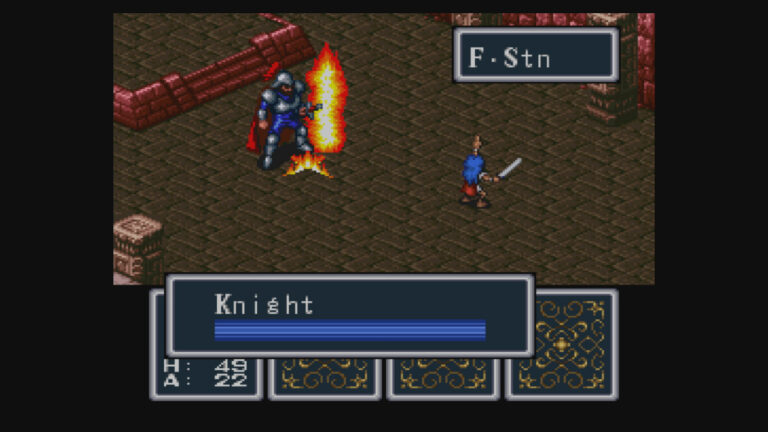
Most people remember Breath of FireReferenceBreath of Fire — Light and Dark Dragon ClansCapcom describes Breath of Fire as the first title in its RPG series, centered on Ryu, a descendant of the Light Dragons, opposing the Dark Dragons.Read full entry → as a simple fantasy story: Light Dragons good, Dark Dragons evil, goddess bad, hero saves world.
But the game’s symbolic structure is much stranger than that.
The real conflict is not light versus darkness.
It is:
Am versus I.
Or more precisely:
living reflected breath
versus
breath claimed into identity.
The title itself quietly tells you this.
Breath of Fire.
Not sword.
Not kingdom.
Not prophecy.
Breath.
Before the Dragon Clan splits into Light and Dark, dragon-force behaves like a living current moving through the world. It is powerful, dangerous, transformative, but not yet fully possessed. In Geomytha terms, this is closest to Am: reflected living presence before the claimant appears.
Then desire enters the field.
Myria does not first destroy the dragons.
She offers them wishes.
Power.
Expansion.
Fulfillment.
Rule.
That is the entrance of I.
The movement that says:
“I want.”
“I deserve.”
“I should rule.”
“This power should belong to me.”
The Dragon Clan does not fracture because darkness suddenly appears. It fractures because breath becomes claimable. The moment living force becomes property, duality begins.
This is why the Light Dragons and Dark Dragons make far more symbolic sense when read as lunar and solar rather than simply moral categories.
The Light Dragons are lunar because they reflect.
The Dark Dragons are solar because they project.
That distinction changes the entire game.
The Light Dragons do not attempt to dominate the world after the split.
They hide.
Seal.
Withdraw.
Preserve.
They contain dragon-force rather than enthroning it.
That is lunar consciousness.
The moon does not generate its own light.
It reflects.
That is Am.
The Light Dragons preserve reflected power without claiming sourcehood. They become hidden continuity beneath the visible empire of the world. They are dragon-force under restraint, protected from becoming identity.
Meanwhile the Dark Dragons behave exactly like solar consciousness after reflection has hardened into rulership.
Imperial.
Visible.
Expanding.
Crowned.
Conquering.
The hidden sentence underneath the Dark Dragon Empire is:
I am thisGEOMYTHA readingThe False-Self Sentence — I Am ThisThe false-self sentence forms when claim joins reflection to a fixed object of identity: I am this.Read full entry → dragon power.
That is the corruption.
The Dark Dragons are not darkness itself. They are false light: dragon-force transformed into visible rulership and outward domination. Their reign behaves like the enthroned solar self, the dragon raised into the sky as the organizing principle of the world.
This is why the Dark Dragon Empire resembles the same symbolic structure that appears elsewhere as:
the reign of the false king,
the thousand-year reign,
the visible world-order,
the kingdom of surfaces,
the dragon enthroned above the field.
It is the period when the sun is in the sky.
Not sunlight as simple illumination, but sunlight as rulership.
Projection reigning openly.
The world organized around:
visibility,
identity,
hierarchy,
conquest,
and claim.
The game quietly reverses the obvious reading.
The “Dark” Dragons are actually the solar force.
The “Light” Dragons are lunar reflection hidden beneath the visible order.
This inversion becomes clearest in the game’s final architecture.
The last battle does not take place in a forest, cave, river, or hidden sanctuary.
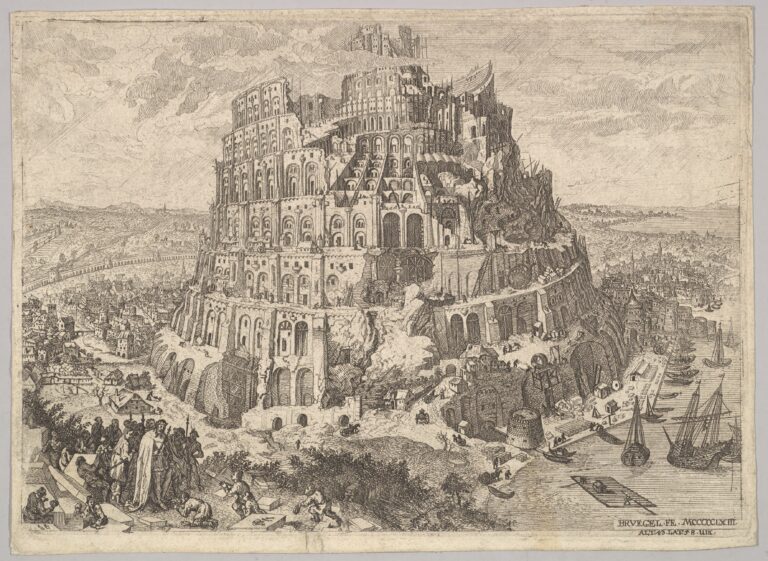
It takes place inside the Obelisk beneath Scande.
That matters enormously.
The Obelisk is not just a tower.
It is the false phallus.
The vertical claim.
The illusion of separate upward identity.
The hardened “I.”
Rigid.
Ascending.
Imposing.
Dominating.
The Obelisk behaves exactly like the false self:
a structure trying to reach source through force and elevation rather than reflection.
This is why the final confrontation with Myria happens there. The battle occurs at the center of illusion itself — inside the symbolic architecture of the claimant.
The dragon-force has become fully solarized:
empire,
tower,
throne,
identity,
upward conquest.
The Obelisk is the dragon transformed into ego-architecture.
The false “I am.”
That is why it functions as the perfect final battlefield.
Because the game’s deepest conflict was never:
Light versus Dark.
It was always:
Am versus I.
Or:
living reflected breath
versus
the claim that tries to possess it.
The game then gives you a second upward movement entirely.
Nina.
Her transformation is one of the strangest symbolic moments in the game. She disappears into forgetting and returns altered:
older,
blue,
and capable of becoming the Great Bird.
Most RPGs would treat this as a simple power upgrade. Breath of Fire frames it differently. Nina’s flight only appears after memory, loss, and transformation pass through her first.
That is the key.
Because her ascent is not solar.
She does not dominate the sky.
She moves through it.
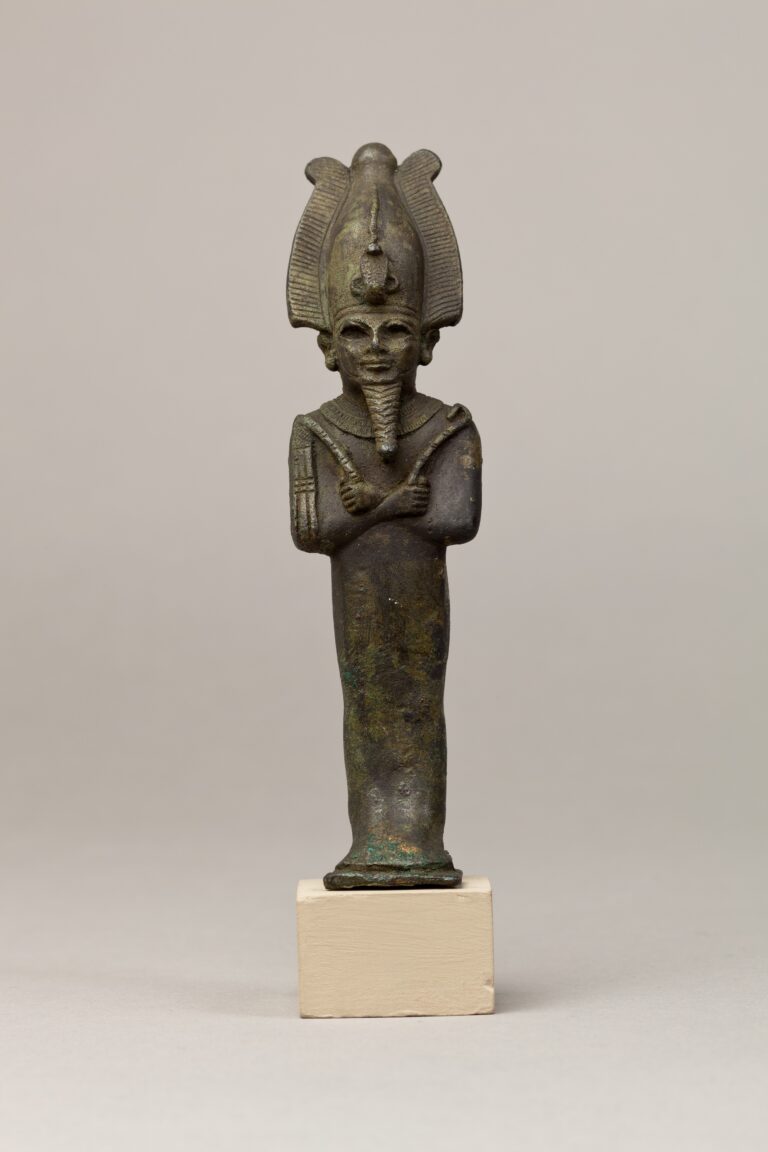
Her blue coloration deepens the symbolism further. Blue behaves here like reflected sky, atmospheric memory, lunar water-consciousness, Osirian breath carried upward without becoming solar enthronement.
Nina becomes remembered Am.
Not rulership.
Movement.
The Great Bird is therefore the opposite of the Obelisk.
Both rise upward.
But only one remains alive.
The Obelisk climbs through domination.
The Bird rises through surrender.
The Obelisk imposes.
The Bird carries.
The Obelisk seeks heaven through force.
The Bird remembers the sky.
That distinction quietly restructures the whole game.
Ryu stands dangerously between these two currents.
That is why his dragon transformations matter symbolically.
Ryu is never simply “the good dragon.” He carries the instability of dragon-force itself. Every new transformation risks becoming:
the heroic self,
the conquering self,
the solar savior,
the dragon enthroned as identity.
The danger is always the same:
I am this power.
The game repeatedly flirts with this possibility through escalating dragon forms and increasingly destructive fire.
But Nina’s flight keeps interrupting that danger.
Breath must remain reflected.
Otherwise dragon-force becomes empire.
This is why the final victory does not culminate in Ryu becoming permanent king of the world or universal ruler of dragon-force. The game corrects itself away from total solar enthronement. Myria is exposed rather than replaced.
That is important.
The illusion is revealed rather than perfected.
This may also explain why so many games, movies, songs, and myths feel structurally similar beneath the surface.
Again and again the same pattern appears:
Am:
reflection,
memory,
living presence,
relationship,
movement,
breath.
Versus:
I:
claim,
projection,
identity,
empire,
visibility,
throne-consciousness.
Most modern stories are not ultimately good versus evil.
They are:
I versus Am.
The claimant versus reflection.
The solar self versus remembered breath.
Some stories glorify the solar empire completely. Others quietly preserve lunar memory beneath it. Some expose the illusion directly. Others accidentally reveal it through symbols they no longer consciously understand.
Breath of Fire remains powerful because it still remembers the split clearly enough to encode both sides:
the dragon enthroned in the sky,
and the blue bird still capable of flight beyond it.
The game begins with dragons.
But underneath the fantasy, it is really asking a much older question:
What happens when living breath forgets reflection and turns itself into a throne?