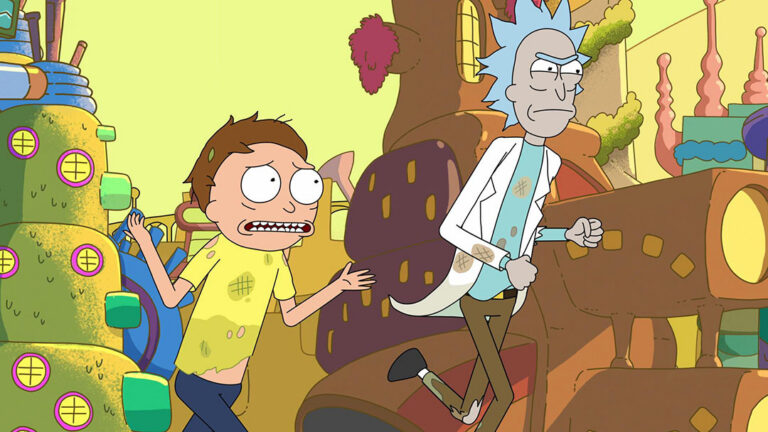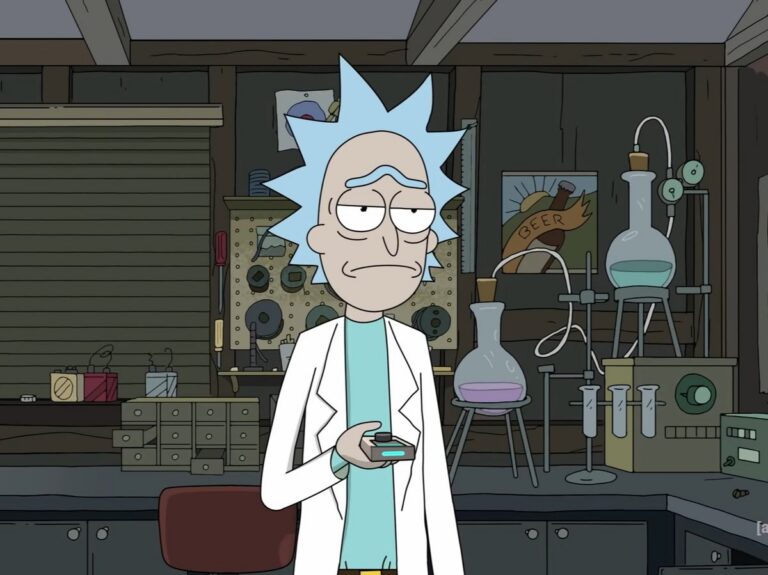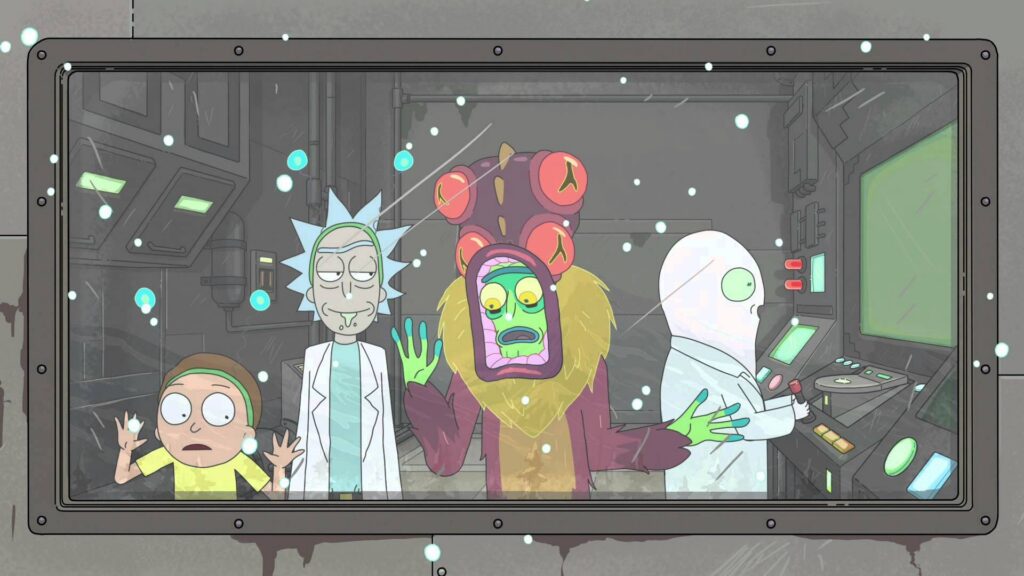
One of the strangest jokes in Rick and MortyReferenceRick and Morty — Television SeriesRick and Morty is Adult Swim’s animated science-fiction series centered on Rick Sanchez and Morty Smith.Read full entry →’s battery universe episode is also one of its deepest.
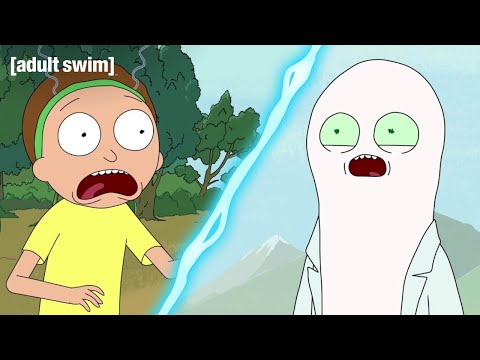
Rick creates a civilization to power his car.
Then one of his inhabitants, Zeep Xanflorp, creates another universe to power his own civilization.
And inside that universe, another scientist begins building yet another.
The joke is absurd.
But the absurdity is the point.
Every world imagines itself to be the whole.
Rick believes he is the creator.
Zeep believes he is the creator.
And if the pattern continued forever, every god would eventually discover that he, too, was merely an appliance inside somebody else’s machine.
The ancient world wrestled with this same problem.
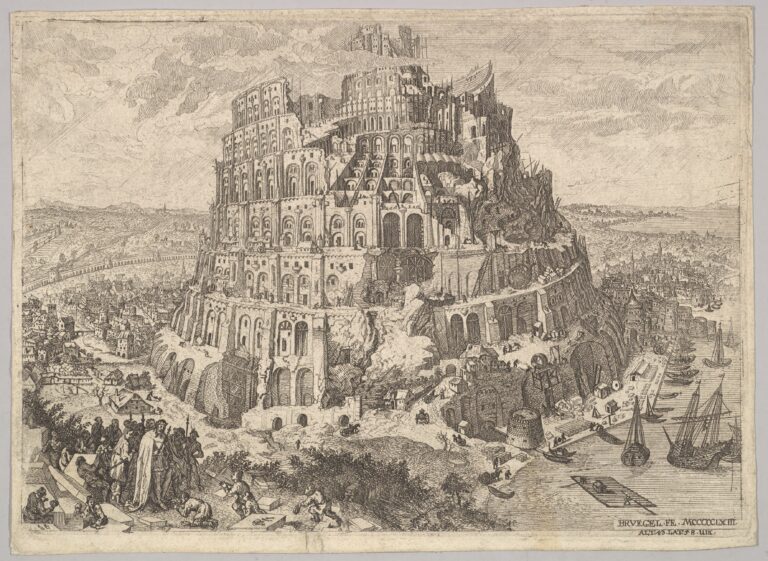
Hindu cosmology imagined countless worlds emerging and dissolving through unimaginable cycles. Gnostic traditions described heavens stacked above heavens and rulers governing rulers. Kabbalah spoke of worlds nested within worlds. Medieval Christians pictured concentric celestial spheres ascending toward God.
Different symbols.
The same pressure.
Consciousness repeatedly imagines reality as layers.
And every layer quietly assumes that it stands nearest to the top.
The pattern exists in ordinary life as well.
Individuals live inside families.
Families inside communities.
Communities inside nations.
Nations inside civilizations.
Civilizations inside history.
At every level, identity whispers the same thing:
“This is the real world.”
Yet every larger horizon reveals that the previous world was only part of something bigger.
Russian nesting dolls capture the pattern beautifully.
Each doll appears complete until it opens.
Then another world appears.
And another.
And another.
The ego behaves in exactly the same way.
One identity gives way to another.
One achievement reveals a larger ambition.
One kingdom becomes the foundation for a larger kingdom.
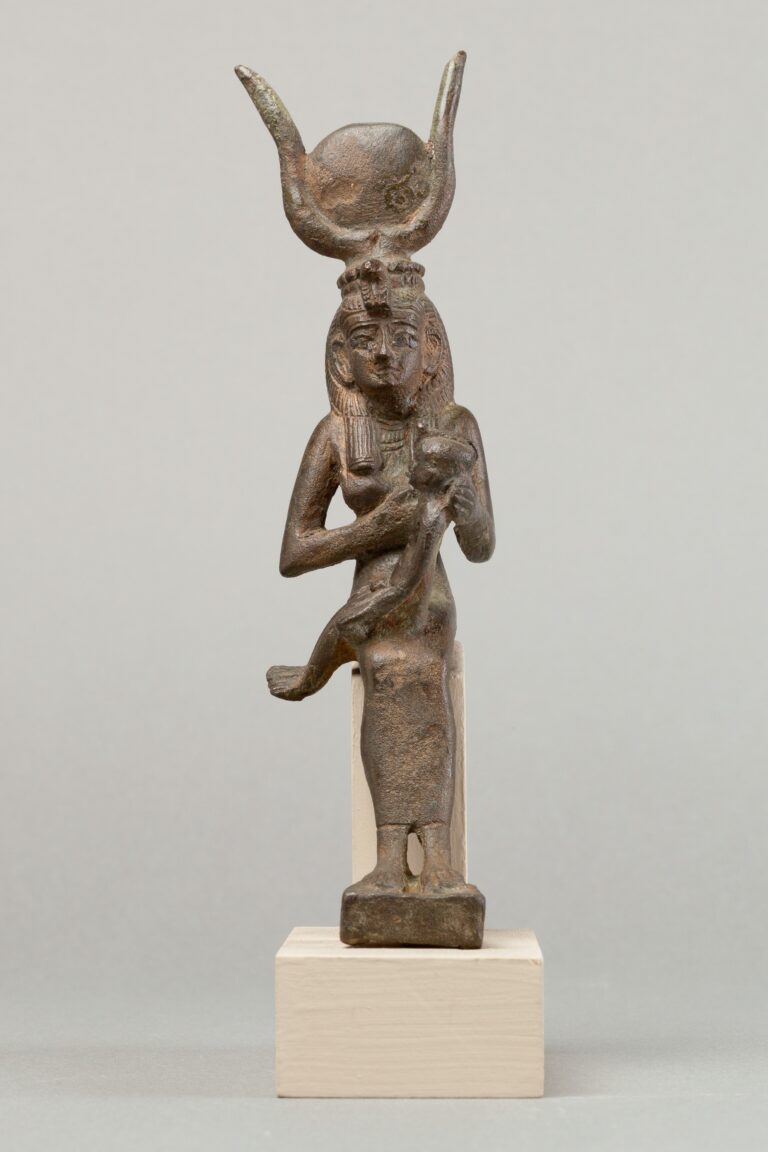
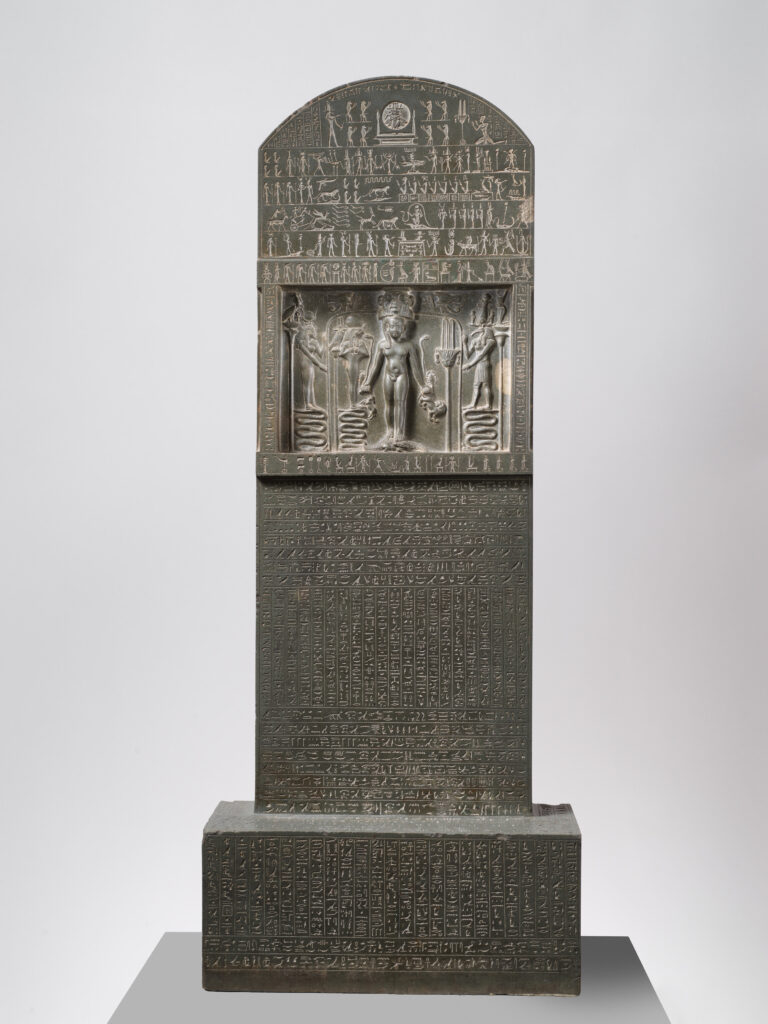
HorusGEOMYTHA readingHorusWithin GEOMYTHA, Horus the Son names This: the body, role, image or story claimed as identity. Horus the Elder / Haroeris is distinct and carries the watcher or witnessing function, not This. These are interpretive correspondences, not universal Egyptian definitions.Read full entry → always wants one more throne.
One more title.
One more heaven.
One more answer.
This endless ascent has haunted philosophers, mystics, and scientists alike.
Simulation theory asks whether our world itself is artificial.
Conspiracy theories imagine hidden rulers behind visible rulers.
Ancient Gnostics envisioned layers of archons.
Modern science fiction imagines creators behind creators.
But there is a danger hidden inside all these systems.
Escaping one prison does not necessarily mean freedom.
A larger battery is still a battery.
A bigger cage is still a cage.
A higher throne is still a throne.
Vertical escape may simply produce a larger version of the same problem.
Perhaps this is why so many spiritual traditions eventually become suspicious of endless ladders.
Because the desire to climb itself may be the trap.
The one seeking the highest heaven often carries the same hunger that ruled the lower worlds.
Horus can wear cosmic robes as easily as earthly crowns.
The problem was never merely the size of the kingdom.
It was the need to possess one.
Rick and Morty leaves the recursion unresolved.
We never discover whether Rick himself inhabits a larger battery.
And perhaps that omission is intentional.
Because the question may not be:
“What world is above this one?”
Nor even:
“Who created the creator?”
Perhaps the deeper question is:
Why am I so certain that freedom lies one level higher?
Because if the desire to climb is endless, then no heaven will ever be high enough.
Horus will always ask:
“What is above me?”
And perhaps liberation begins not above the ladder—
but outside the need to climb it.