The Identity-World
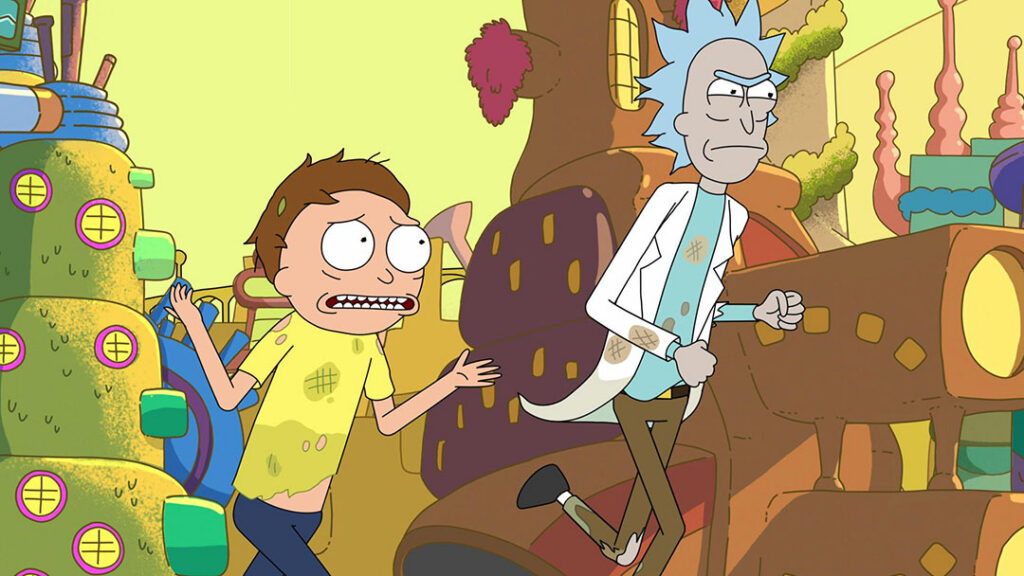
Public references and limits:
The Truman Show and The Ricks Must Be Crazy supply distinct manufactured-environment comparisons. Use the works themselves for scene claims; official catalogue records establish identification, not every scene or the project’s consciousness model.
Horus/identity is not the endpoint; it is the beginning of a world organized around what the identity owns, excludes, and calls reality.
It names the second half of the attention cycle after identity formation.
This → These → Those → All This.
A social world can be meaningful without exhausting reality. Look for the loss of revisability, reciprocal relation and viable exit. A strong community that accepts outsiders and criticism is a counterexample to identity-world closure.
This entry’s name and mechanism belong to GEOMYTHA’s framework. The linked primary works are independent comparison witnesses, not evidence that the GEOMYTHA term originated in their cultures. Specific comparison references: The Truman Show — Paramount Pictures; Rick and Morty — Season 2 Episode 6 “The Ricks Must Be Crazy” — Adult Swim. The original work, a later translation, a catalogue record and an extant manuscript are different kinds of evidence. The oldest surviving witnesses of the comparison traditions are not established by this entry.
The term is internal shorthand, not a historical definition of Horus or a claim that all world-building is false.
Do not collapse culture, relationships, or institutions into mere ego projections without evidence.
Where this mechanism appears
Explore the essays and Index entries linked to this mechanism.
 Why the Organs Were Not Thrown AwayAncient Egyptian mummification separated the liver, lungs, stomach, and intestines—but the parts were preserved, guarded, and kept inside a larger funerary order. Division did…
 The Universe Inside the UniverseOne of the strangest jokes in Rick and Morty’s battery universe episode is also one of its deepest. Rick creates a civilization to power…
 The Ring That Became a BoxThe boxer walks through an open crowd toward a brightly lit square. By the time he reaches the ropes, he has already stopped being…
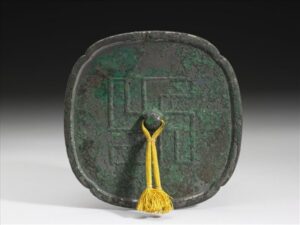 The Turning CrossA symbol must be read by function. Not only by shape. Not only by age. Not only by what it once meant. Not only…
 Where is the Vehicle Going?Everyone remembers the battery. Very few people remember the car. Rick and Morty’s famous battery universe episode leaves viewers with a disturbing question. What…
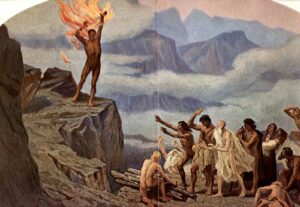 The Fires Between WorldsNot all fire does the same work. This is where many symbolic readings go wrong. They see fire and assume one meaning: destruction, purification,…
 Enter Sandman: Why We Keep Running from SleepThere are few songs in popular music more misunderstood than Metallica’s Enter Sandman. It is usually heard as a song about nightmares. About monsters…
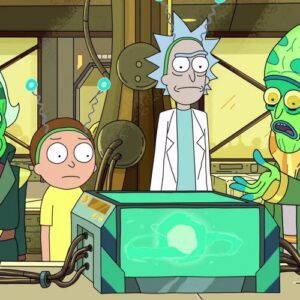 The Battery in Rick’s CarMost discussions of Rick and Morty’s famous battery episode focus on a single disturbing idea. What if we are just batteries in some asshole’s…
Showing 8 most recent linked essays.
 Apollo Creed — RockyApollo Creed, played by Carl Weathers, is the champion who selects Rocky as an unexpected challenger. The 1976 film associates the promotion with the American Bicentennial and gives Creed a theatrical entrance. When the…
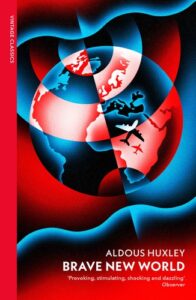 Brave New World — Aldous HuxleyAldous Huxley’s Brave New World (1932) depicts the World State, where reproduction and conditioning organize people into castes. The novel tests managed satisfaction against freedom. In chapters 16–17, Mustapha Mond defends stability while acknowledging…
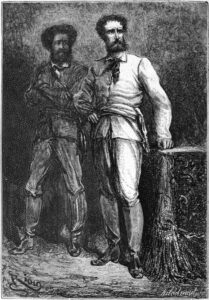 Captain Nemo — Twenty Thousand Leagues Under the SeasCaptain Nemo commands the Nautilus and refuses ordinary national allegiance. He keeps Aronnax and his companions aboard to protect his vessel’s secrecy. His actions include rescuing a pearl diver and identifying with the oppressed,…
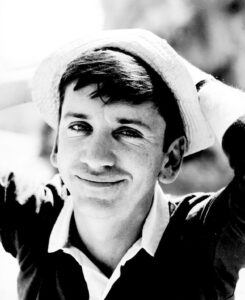 Gilligan — Gilligan’s IslandGilligan, played by Bob Denver, is the first mate and title character. In Two on a Raft he and the Skipper try to find help by sea. In Goodbye Island a substance he discovers…
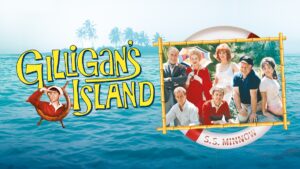 Gilligan’s Island — Television SeriesGilligan’s Island is Sherwood Schwartz’s television sitcom about seven people stranded after a boat trip. Its ensemble includes Gilligan, the Skipper, the Professor, the Howells, Ginger and Mary Ann. Named early stories include a…
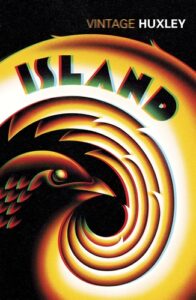 Island — Aldous HuxleyIsland (1962), Huxley’s final novel, follows Will Farnaby’s encounter with the fictional society of Pala. The book presents an alternative experiment in living, including practices of attention. Its opening and final chapter use trained…
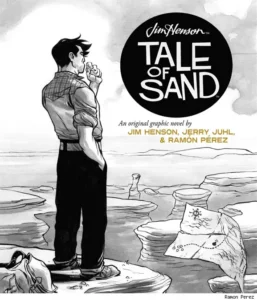 Jim Henson’s A Tale of SandA Tale of Sand originated as an unproduced feature-length screenplay developed by Jim Henson and Jerry Juhl and was later adapted as a graphic novel. Its central figure is sent running across a surreal…
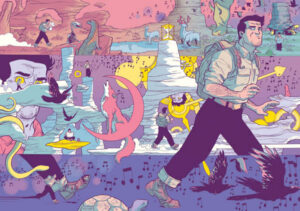 Mac — Jim Henson’s A Tale of SandMac is the central young man in A Tale of Sand, sent running through a surreal desert pursuit whose rules remain largely outside his understanding.
Showing 8 linked Index instances.
Follow the mechanism
Moves into
 These — AccumulationThese names accumulation: possessions, titles, achievements, beliefs, communities, and other extensions gathered around identity.
 Those — ProjectionThose names projection: enemies, outsiders, competitors, threats, and disowned qualities placed beyond the identity boundary.
 All This — World-SystemAll This names the total symbolic environment that has become so complete it is experienced as reality itself.
See also
 Collective EgoCollective Ego forms when individual identity merges into a larger group-body and the group begins to experience its own story, image, destiny, purity, or mission as sacred.
 Mine → Not-Mine → WorldMine → Not-Mine → World tracks the expansion of identity from accumulation into projection and then into a total symbolic environment.