
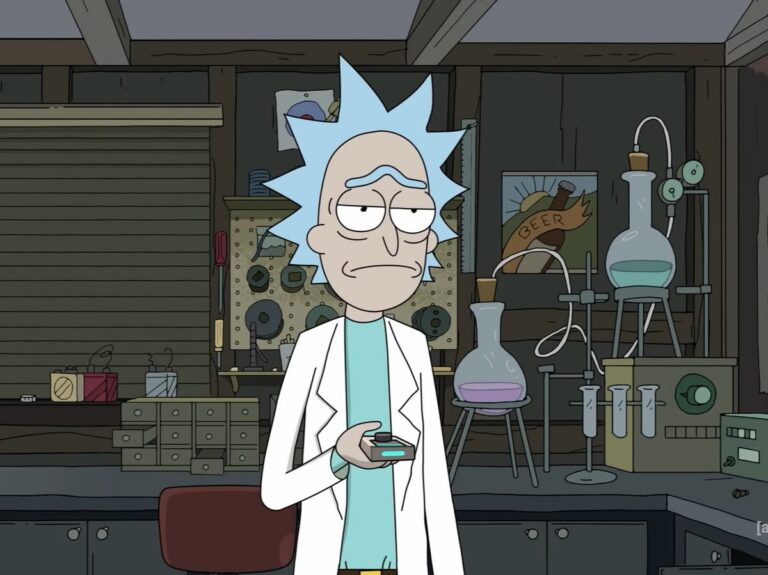
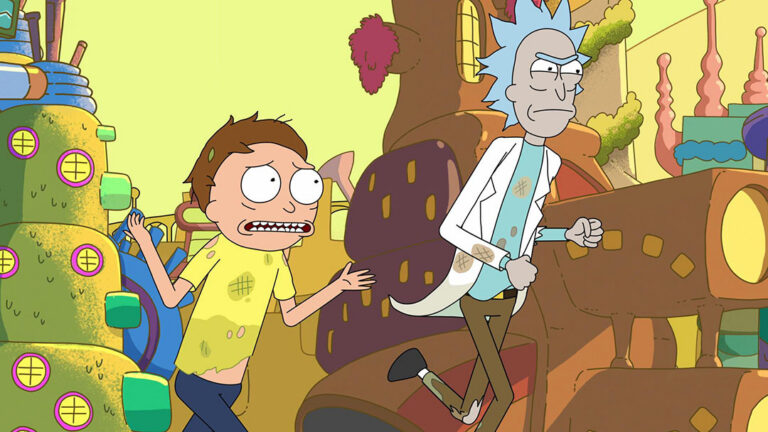
Most discussions of Rick and MortyRick and Morty — Television SeriesRick and Morty is Adult Swim’s animated science-fiction series centered on Rick Sanchez and Morty Smith.Read full entry →’s famous battery episode focus on a single disturbing idea.
What if we are just batteries in some asshole’s vehicle?
But that is not the deepest horror in the episode.
The real horror is that the people inside the battery universe never experience themselves as prisoners. They experience themselves as citizens. Scientists. Workers. Dreamers. They build families, technologies, identities, and civilizations. They pursue meaning. They devote themselves to progress.
And all of it exists for a purpose they do not understand.
Rick does not enslave them with chains.
He gives them a world.
That is what makes the episode so unsettling.
A prison built by force can always be recognized. A prison built by meaning becomes nearly invisible.
The inhabitants of the microverse do not wake up every morning saying, “Today I will sacrifice myself for Rick SanchezRick Sanchez — Rick and MortyRick Sanchez is the scientist whose car battery contains the microverse system analyzed in “The Ricks Must Be Crazy.”Read full entry →’s car battery.” They simply go to work. They pursue discoveries. They raise children. They dream of improving the world. They believe the machine’s purpose is their purpose.
That is the secret.
The strongest systems no longer require obedience. They require identification.
This pattern is far older than science fiction.
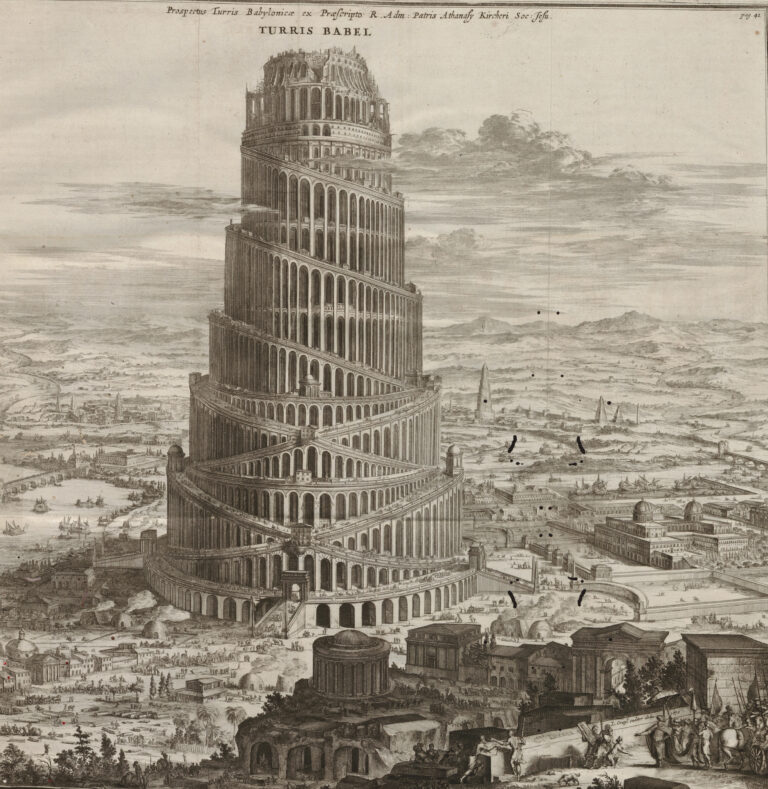
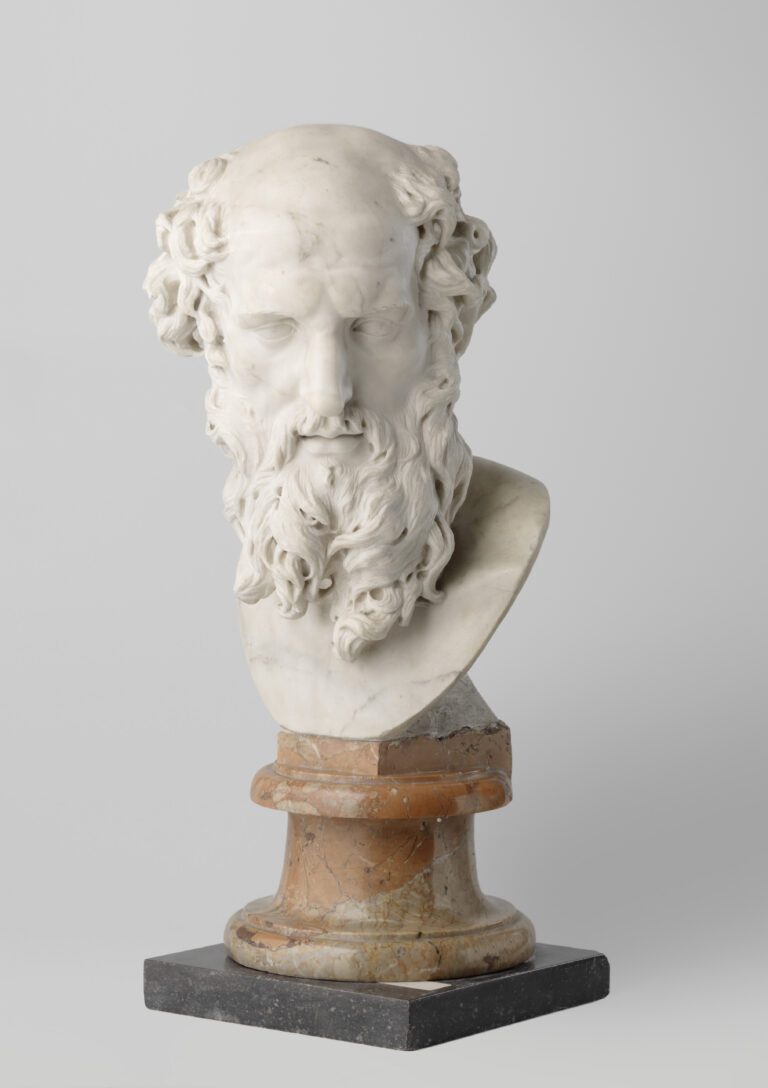
PlatoPlatoAncient Greek philosopher whose Republic contains the Allegory of the Cave.Read full entry →’s prisoners mistook shadows for reality. The builders of Babel believed their tower was reaching heaven. In The MatrixThe MatrixThe Matrix presents Neo’s ordinary experienced world as a computer-generated or neural-interactive construct maintained by a machine system. The film repeatedly distinguishes the operative rules of that construct from whatever lies outside…Read full entry →, human beings unknowingly power a machine while experiencing ordinary life. In The Truman ShowThe Truman ShowThe Truman Show presents Truman Burbank living unknowingly inside a constructed television environment whose town, relationships, routines, and physical conditions are organized by a production system around him. The film repeatedly exposes…Read full entry →, an entire world exists to sustain a spectacle while its central inhabitant mistakes the setSetIn Geomytha, Set names the claimant: I — the interruption by which reflection is taken as mine and converted toward ownership.Read full entry → for reality itself.
Different stories.
The same mechanism.
A system becomes strongest when its inhabitants internalize its goals.
This is why modern systems increasingly harvest attention instead of merely labor.
Social media platforms need engagement.
Advertising needs desire.
Political movements need enemies.
Celebrity culture needs worship.
News cycles need outrage.
The machine survives because people willingly provide what it requires.
And they often experience this service as self-expression.
The frightening possibility raised by Rick and Morty is not that we are powerless.
It is that we may enthusiastically participate in systems whose purposes are hidden from us.
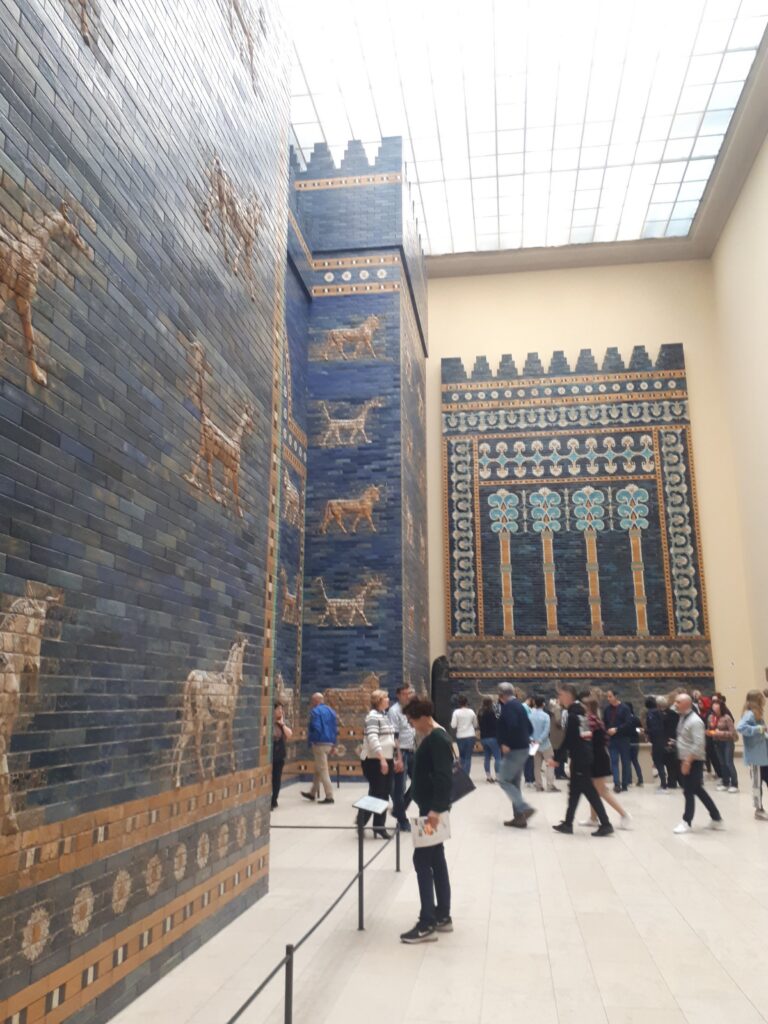
Ancient myths often represented this problem through BabylonBabylon — Ancient City / Symbolic EmpireAncient Mesopotamian city and later biblical/apocalyptic symbol of imperial world-order.Read full entry →.
Babylon was never merely a city. It was the world organized around itself. A civilization so absorbed in its own expansion that it mistook its own continuation for the meaning of existence.
The machine no longer asks why it exists.
It only asks how to keep existing.
The same danger appears in individuals.
Careers.
Status.
Beliefs.
Possessions.
Communities.
Even religions.
Anything can become a battery if its survival becomes more important than the life it was supposed to serve.
Not every creator is exploitative.
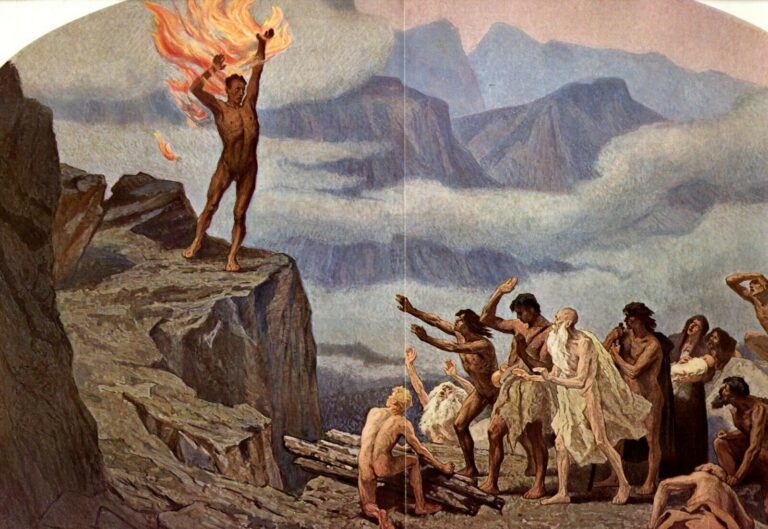
PrometheusPrometheus — Fire BringerPrometheus is the Titan associated in Greek literary tradition with conflict over fire and its availability to mortals; later visual art repeatedly depicts him bringing or animating with heavenly fire.Read full entry → stole fire to give it away.
True creation nourishes life.
False creation consumes life.
Which brings us back to Rick’s car.
The question is not:
“Who is exploiting me?”
Nor is it:
“Am I trapped?”
The deeper question is much simpler.
What am I unconsciously powering?
Because the most powerful machines do not rely on chains.
They rely on purpose.
And when a civilization teaches its inhabitants to mistake its survival for their own, guards become unnecessary.
The prisoners become willing batteries.








.jpg)