Eight does not have to be a machine.
It does not have to be a wheel, a maze, a clock, a captured symbol, or a system defended by the mind. Eight can be softer than that. It can breathe. It can move through water. It can reach without seizing.
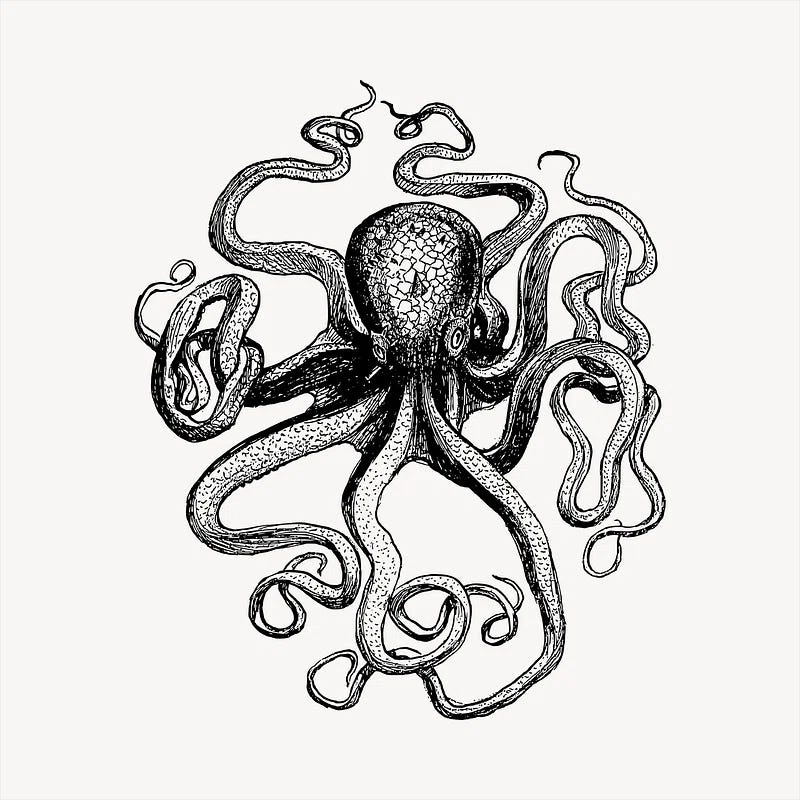
Sometimes eight is an octopus.
A soft body beneath the storm. Eight arms. One center. A garden under the sea.
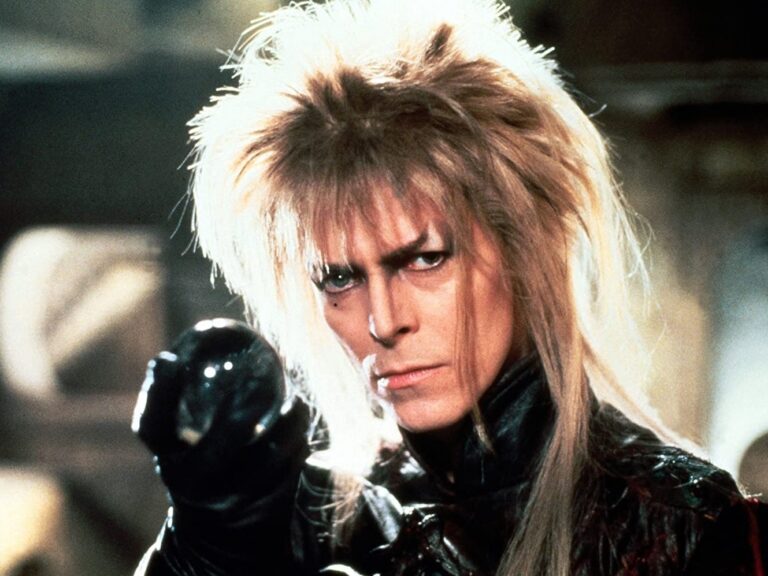
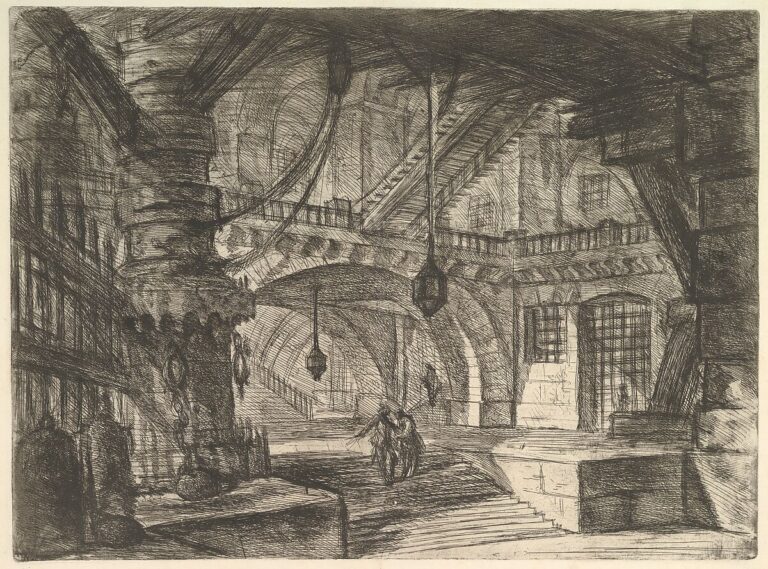
After the Black Sun, the Minotaur, WonderlandWonderland — Alice’s Adventures in WonderlandThe strange world Alice enters in Lewis Carroll’s Alice’s Adventures in Wonderland.Read full entry →, and the Goblin KingJareth / Goblin King — LabyrinthGoblin King played by David Bowie who rules the labyrinth and holds Toby.Read full entry →, the octopus gives Geomytha a gentler image of returnReturn — RemembranceReturn names remembrance and release: the loosening of possession so reflection can become transparent to source again.Read full entry →. Not a dark wheel arranged around a false centerFalse CenterA false center forms when sovereignty is assigned to an object, role, institution, future state, identity, or projection that cannot actually serve as source.Read full entry →. Not a monster hidden by a king. Not a dream-court made of cards. Not a maze ruled by glamour.
A creature.
A shelter.
A song.
“Octopus’s Garden” works because it does not strain to be profound. It does not announce itself as revelationRevelation — Book of RevelationThe final book of the Christian New Testament, also called the Apocalypse of John.Read full entry →. It does not demand fear, conquest, interpretation, or initiation. It descends quietly into a childlike wish: to be under the sea, in a garden, with friends, warm beneath the storm.
That is enough.
Sometimes the deepest return arrives as relief.
Under the Sea
The song wants to go downward.
That already matters.
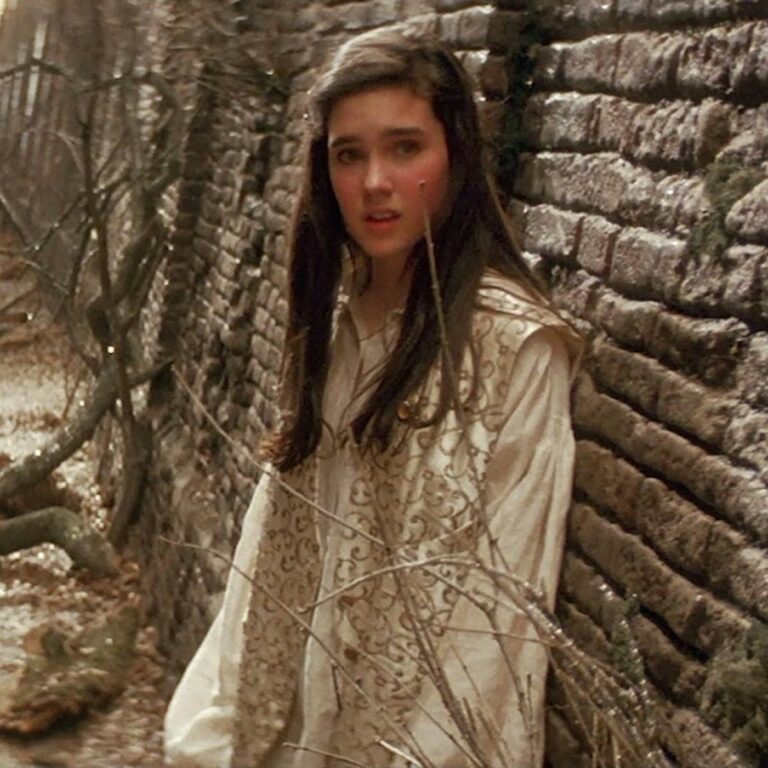
In many myths, descent is frightening. AliceAlice — Alice’s Adventures in WonderlandAlice, the protagonist of Lewis Carroll’s Alice’s Adventures in Wonderland.Read full entry → falls down the Rabbit hole into symbolic instability. SarahSarah Williams — LabyrinthTeenage protagonist who must rescue Toby from Jareth’s labyrinth.Read full entry → enters the LabyrinthLabyrinth — 1986 FilmFantasy film in which Sarah enters the Goblin King’s labyrinth to rescue her baby brother Toby.Read full entry → and must face the false kingCounterfeit KingshipCounterfeit kingship appears when a role, ruler, institution, or self treats the throne, office, authority, or form it occupies as the source of legitimacy rather than as a vessel answerable to something…Read full entry →. Theseus enters the maze where the hidden animal waits. Descent often means danger, trial, confusion, underworld, or reckoning.
But “Octopus’s Garden” gives a different descent.
The sea is not the abyss here.
It is shelter.
To go under the sea is to leave the surface storm. To descend is not to fall into terror, but to move beneath noise, pressure, argument, exposure, and performance. The surface world may still be raging, but under the sea there is another kind of time.
Slower. Softer. Blue-green. Held.
Geomytha needs this image because return cannot always be described through apocalypse, judgment, or heroic refusal. Sometimes return is not the sword, the fire, or the final line. Sometimes return is the body finding a place where it can stop bracing.
The song does not conquer the storm.
It finds the depth where the storm no longer rules the body.
Eight Arms, One Center
The octopus gives the eightfold cycle a living body.
Eight arms extend from one soft center. They do not form a rigid wheel. They do not point like spokes from a throne. They reach, curl, taste, hold, explore, gather, release. Their intelligence is distributed. Their movement is fluid. Their body does not conquer space by hardening against it.
It feels the world.
That is why the octopus comports so strongly with the eightfold lunar engine:
New Moon — hidden body. Waxing Crescent — first reach. First Quarter — direction. Waxing Gibbous — form filling out. Full Moon — full display. Waning Gibbous — loosening. Last Quarter — reduction and return. Waning Crescent — withdrawal into shelter.
Eight, here, is not architecture.
It is living contact.
The octopus does not need armor to be intelligent. It does not need bones to have form. It does not need a crown to organize its many arms. It is center and extension without becoming a machine.
This is a corrective.
After seeing how symbols can be captured, how wheels can become false systems, and how mazes can hide what the king refuses to face, the octopus reminds us that many-armedness does not have to mean domination.
Eight arms do not have to seize the world.
They can feel their way through it.
The Garden
The garden matters as much as the octopus.
A garden is not wilderness. A garden is not escape into nothing. A garden is tended space.
It is made from small arrangements: stones, shells, bits of beauty, gathered things, protected corners, humble boundaries. It does not have the violence of empire or the glamour of a throne. It has care.
That is the quiet genius of the image.
An octopus’s garden is not a palace. It is not a kingdom. It is not a temple of false radiance. It is a small undersea order made from found things.
In Geomytha, that matters deeply.
Return does not always mean abandoning the world. Sometimes return means reordering the small world around the body so presence can live there again.
A blanket. A cup of tea. A song. A room cleaned slowly. A corner of silence. A walk without a phone. A friend who does not demand performance. A small practice that returns the breath to the body.
TheseThese — AccumulationThese names accumulation: possessions, titles, achievements, beliefs, communities, and other extensions gathered around identity.Read full entry → are not grand symbols.
That is why they work.
The garden is what the soft body makes when it no longer wants to fight the storm.
Friends Beneath the Surface
The song does not imagine solitary escape.
It imagines being there with friends.
That matters because return is often misunderstood as isolation. The false self thinks surrender means disappearing from relation, abandoning the world, rejecting others, becoming untouchable, detached, superior, or sealed away.
But the octopus’s garden is not exile.
It is relation without performance.
The song imagines safety together: singing, dancing, resting, being warm, being hidden from the storm but not hidden from love. This is not the lonely cave of the ego. It is not the secret chamber of the chosen. It is a shared refuge.
That makes it different from the false center.
A false center demands orbit.
A garden allows company.
A false center says: gather around me.
A garden says: rest here.
This is the difference between domination and shelter. The octopus does not need to become king of the sea. The garden does not need to become the only true place. It is simply a place where the body can stop being hunted by the surface.
The garden is not exile.
It is friendship without theater.
Warm Beneath the Storm
The emotional hinge of the song is warmth beneath danger.
The storm is still there.
The song does not deny it. It does not pretend the surface world has become peaceful. It simply relocates the body. Above, the storm. Below, warmth.
This reverses a common spiritual reflex.
Many people think safety must come from rising above everything: higher consciousness, higher vibration, higher knowledge, higher perspective, higher self. But “Octopus’s Garden” goes lower. It moves under. It trusts descent, water, body, shelter, softness.
That is important.
Sometimes the way back is not upward.
Sometimes the way back is inward and down.
Into breath. Into sleep. Into feeling. Into the belly. Into ordinary tenderness. Into the body’s older intelligence.
The surface storm often cannot be solved from inside the storm. The mind wants to keep arguing with the weather. It wants to explain the thunder, defeat the rain, answer every wave, control every gust.
The octopus does something wiser.
It goes where the storm cannot command the whole body.
Not the Kraken
The octopus should not be confused with the kraken.
This article is not about the devouring abyss. It is not about tentacles as horror, the sea as monstrous unconscious, or the many-armed creature as threat. ThoseThose — ProjectionThose names projection: enemies, outsiders, competitors, threats, and disowned qualities placed beyond the identity boundary.Read full entry → readings exist elsewhere, and they can be powerful in their own symbolic fields.
But not here.
The octopus in this song is not a monster.
It is soft intelligence.
Strange, yes. Otherworldly, yes. But gentle. Domestic in its own undersea way. It gathers, shelters, hosts, surrounds, and holds. The many arms are not instruments of conquest. They are instruments of contact.
Not every many-armed creature is a devourer.
Some are shelters.
That correction matters because Geomytha must not automatically turn every depth image into danger. Water can drown, but it can also hold. Descent can terrify, but it can also soothe. The underworld can expose, but it can also protect the body from the violence of the surface.
The octopus is the soft eightfold body.
Not the beast at the center of the maze.
The host beneath the storm.
Yellow Submarine and the Undersea Imagination
The BeatlesThe Beatles — Band / ArtistThe Beatles are the band associated with “Eight Days a Week.”Read full entry → return more than once to undersea imagery.
Yellow Submarine gives a communal underwater fantasy: color, music, adventure, rescue, Pepperland, Blue Meanies, a whole playful world below the surface. That song has its own Geomytha field — music against dullness, communal imagination against gray domination, descent as psychedelic rescue mission.
But “Octopus’s Garden” is quieter.
There is no major battle.
No villains. No empire. No heroic rescue. No elaborate mission.
Just a wish to be beneath the waves in a place of safety.
That is why it belongs here. It is not the great adventure of the undersea world. It is the restorative corner. The small garden. The place where the eightfold body is not required to fight, prove, decode, or conquer.
Yellow Submarine stages an adventure.
“Octopus’s Garden” imagines refuge.
The Soft Eightfold
The eightfold cycle can become too diagrammatic if handled without care.
New Moon, Waxing Crescent, First Quarter, Waxing Gibbous, Full Moon, Waning Gibbous, Last Quarter, Waning Crescent. Is, Am, I, This, These, Those, All ThisAll This — World-SystemAll This names the total symbolic environment that has become so complete it is experienced as reality itself.Read full entry →, Return. Gather, Stir, Form, Build, ClaimI — ClaimI names claim: the interruption by which reflected presence is taken as mine.Read full entry →, Release, Return, Surrender.
The structure is useful.
But if the structure hardens, it becomes another maze.
The octopus softens it again.
Eight is not only sequence. Eight is not only chart. Eight is not only wheel. Eight is a living creature feeling its way through water.
This is why the image is so valuable. It returns the system to the body. The arms do not need to know they are “the eightfold engineThe Eightfold Attention CycleThe eightfold cycle is Is → Am → I → This → These → Those → All This → Return.Read full entry →.” They simply move, touch, gather, release, and return to the center.
The octopus does not explain the cycle.
It lives it.
What This Corrects
Eight is not only structure.
It can be softness, reach, shelter, and return.
Descent is not always terrifying.
Sometimes going under means leaving the noise of the surface long enough to remember the body.
Return is not isolation.
The garden includes friends.
The body is not the trap.
The soft body can become shelter.
And the song does not need to be over-coded.
Its innocence is part of its strength.
That last correction matters. “Octopus’s Garden” should not be turned into a heavy occult diagram. It works because it is simple. It makes a little place under the sea and lets the listener rest there.
A symbol does not have to become elaborate to be true.
Sometimes the clearer it is, the more gently it returns us.
Build the Garden Under the Sea
The practical question is not whether life has storms.
It does.
The question is whether the body has anywhere to go besides panic.
Ask:
What surface storm am I trying to solve from inside the storm?
Where is the softer depth?
What small stones or shiny fragments can become refuge?
Who can be in the garden without performance?
What would it mean to stop conquering and start sheltering?
These are not sentimental questions.
They are survival questions.
A nervous system cannot live forever on the surface of the storm. A heart cannot keep mistaking exposure for truth. A self cannot return if every hour is spent proving, reacting, performing, explaining, or defending.
Sometimes the most spiritual act is not to decode another symbol.
It is to build a small undersea garden where the body can remember peace.
Beneath the Storm
The octopus gives the eightfold cycle a tender image.
Not a wheel.
Not a machine.
Not a maze.
Not a captured symbol.
A soft animal under the sea, making a garden.
This does not erase the harder articles. The false king still has to be refused. The cards still have to be seen as cards. The maze still has to be exposed. The Black Sun still has to be named as counterfeit radiance.
But after all that, the body needs somewhere to return.
That is what the octopus gives.
Eight arms, one soft center.
A garden made of small things.
Friends beneath the surface.
Warmth under the storm.
The world above may still rage, but not every part of us has to live at the surface.
Eight arms do not have to seize the world.
They can gather small things, hold friends close, and make a quiet place beneath the storm.