Paid essay — public preview. This page introduces the original essay. The complete argument, examples, and conclusion are available to paid Geomytha subscribers on Substack.
At first glance, the order makes no sense.
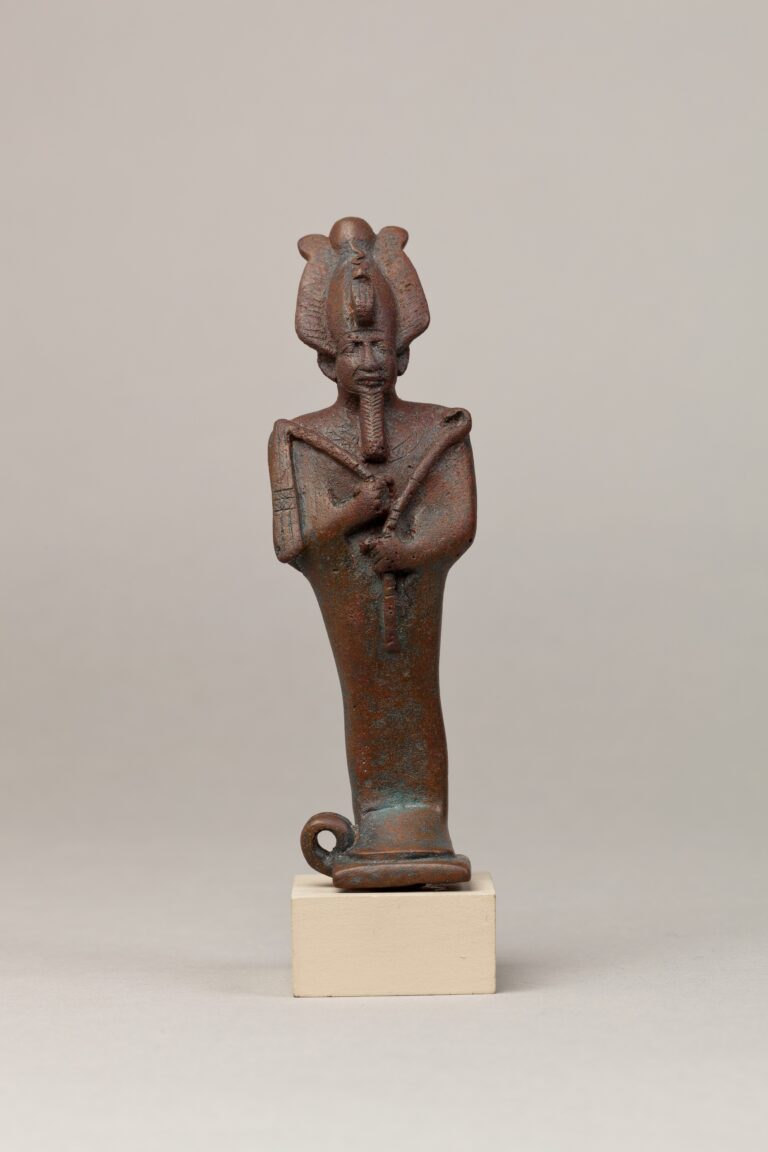
OsirisOsirisIn Geomytha, Osiris names reflected presence: Am — awareness reflected as living consciousness without yet becoming ownership.Read full entry →.
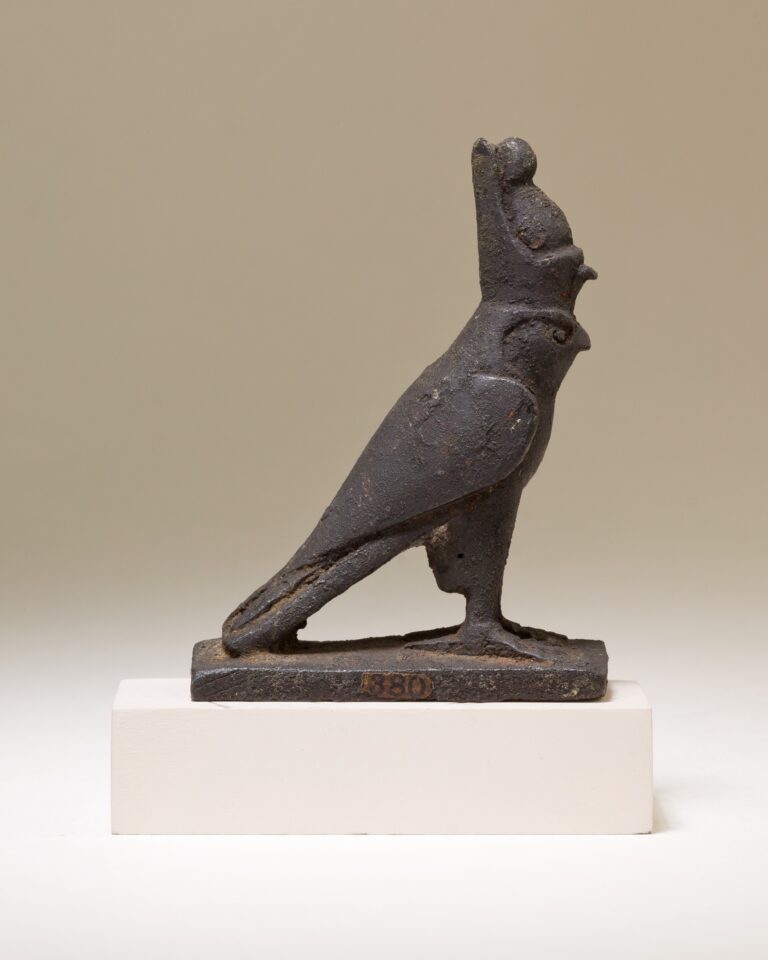
HorusHorusIn Geomytha, Horus names the identity that forms after claim: This — the body, role, image, wound, belief, or story taken as what the self is.Read full entry → the Elder.
SetSetIn Geomytha, Set names the claimant: I — the interruption by which reflection is taken as mine and converted toward ownership.Read full entry →.
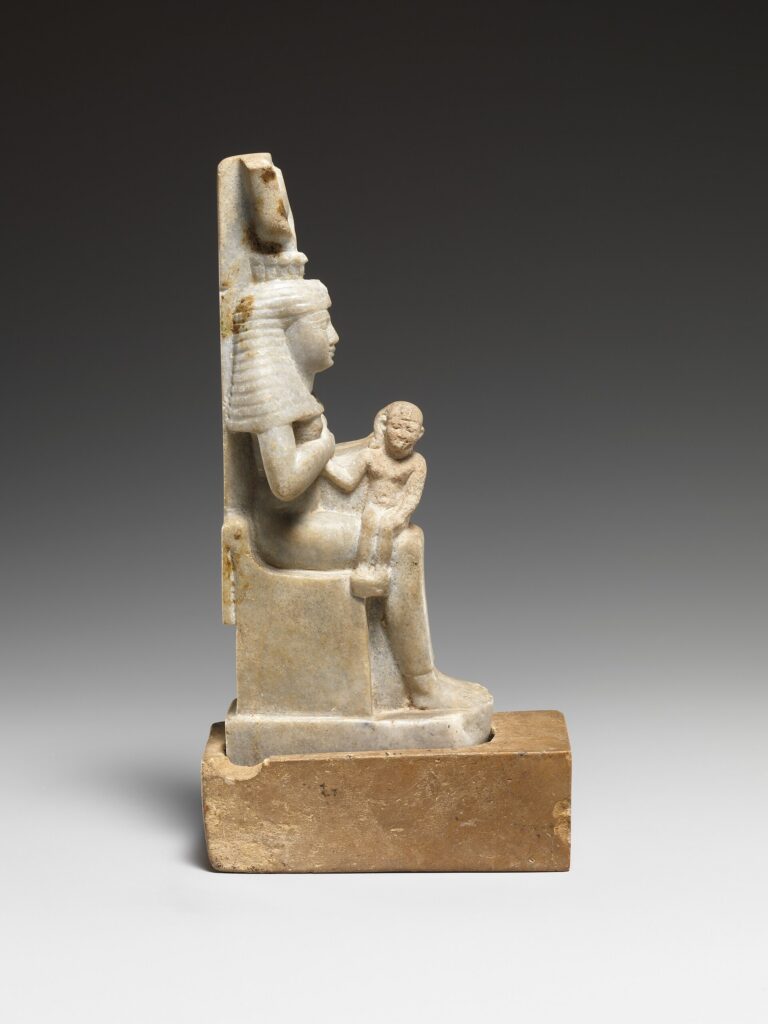
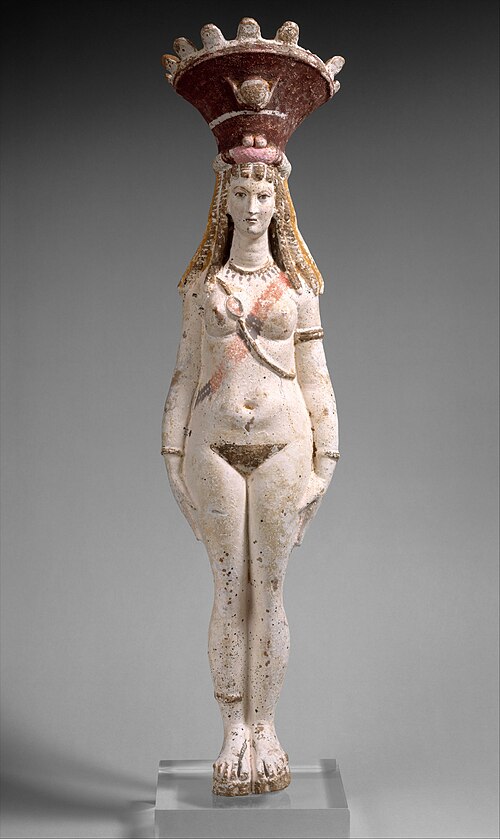
IsisIsisIn Geomytha, Isis names the unclaimed field: Is — pure being, awareness before possession, and the ground before the claimant appears.Read full entry →.
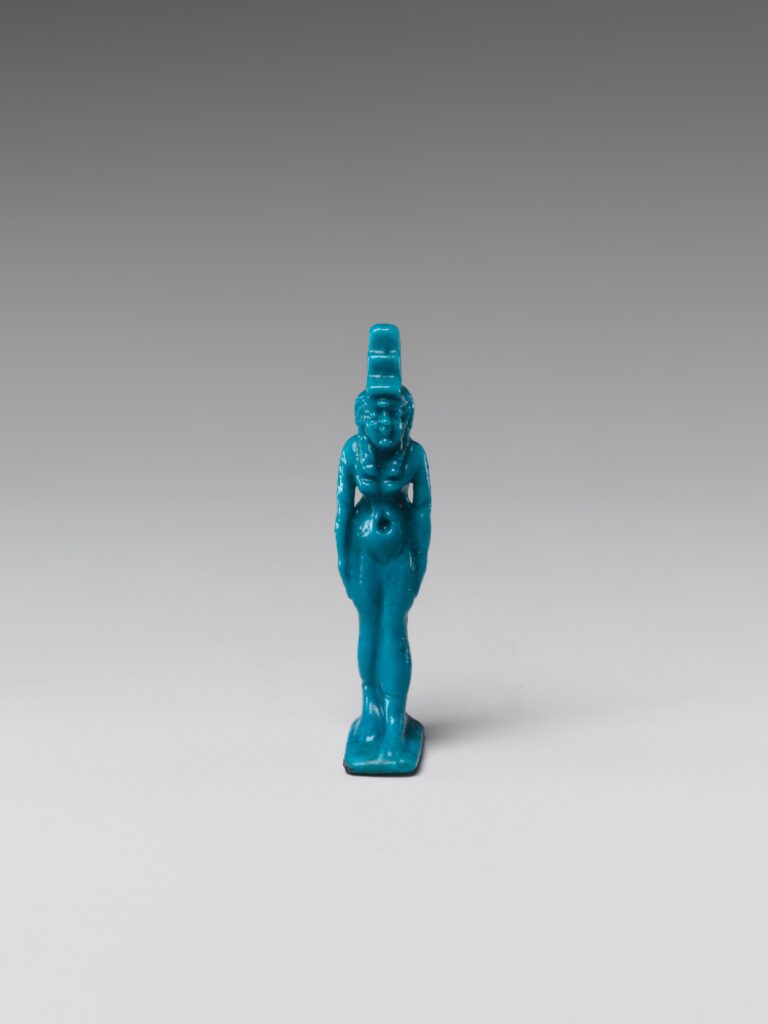
Nephthys.
If the sequence describes reality itself, should not Isis come first?
Should not the mother precede the son?
Should not sourceIs — SourceIs names unclaimed being: awareness before possession, distinction, or identity.Read full entry → precede manifestation?
Should not being precede division?
And yet EgyptEgyptAncient Egyptian cultural and mythic field referenced by the essay.Read full entry → placed Isis fourth.
Not first.
Which raises a remarkable possibility.
Perhaps the sequence does not describe creation.
Perhaps it describes returnReturn — RemembranceReturn names remembrance and release: the loosening of possession so reflection can become transparent to source again.Read full entry →.
Perhaps the order is not chronological.
Perhaps it is experiential.
Because in human life, source often appears late.
Not because source arrived late.
But because we arrived late.
Among all the gods of Egypt, none became more beloved than Isis.
Her worship spread across the Mediterranean world.
She became healer.
Mother.
Queen.
Magician.
Read the complete essay on Substack →
This WordPress page preserves the essay’s place in the Geomytha archive, its original title and subtitle, and its publication date. The full subscriber edition remains protected on Substack.