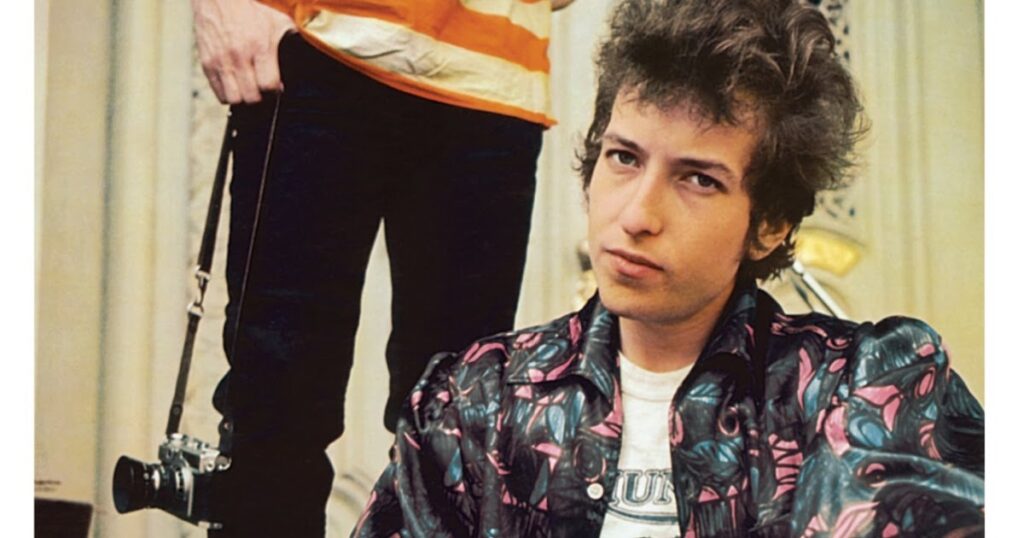
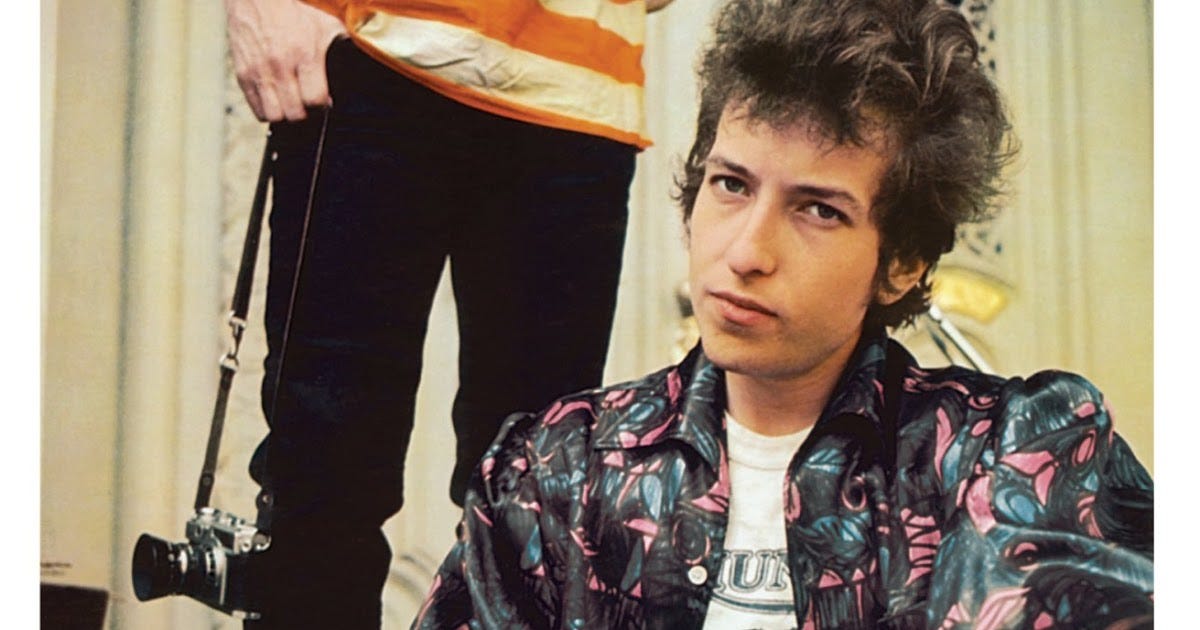
There’s a reason Bob Dylan doesn’t treat Highway 61 like a normal road.
In the song, it functions more like an address—an official location where impossible demands get processed, where the sacred gets rerouted into logistics, and where the psyche is handed a role to play.
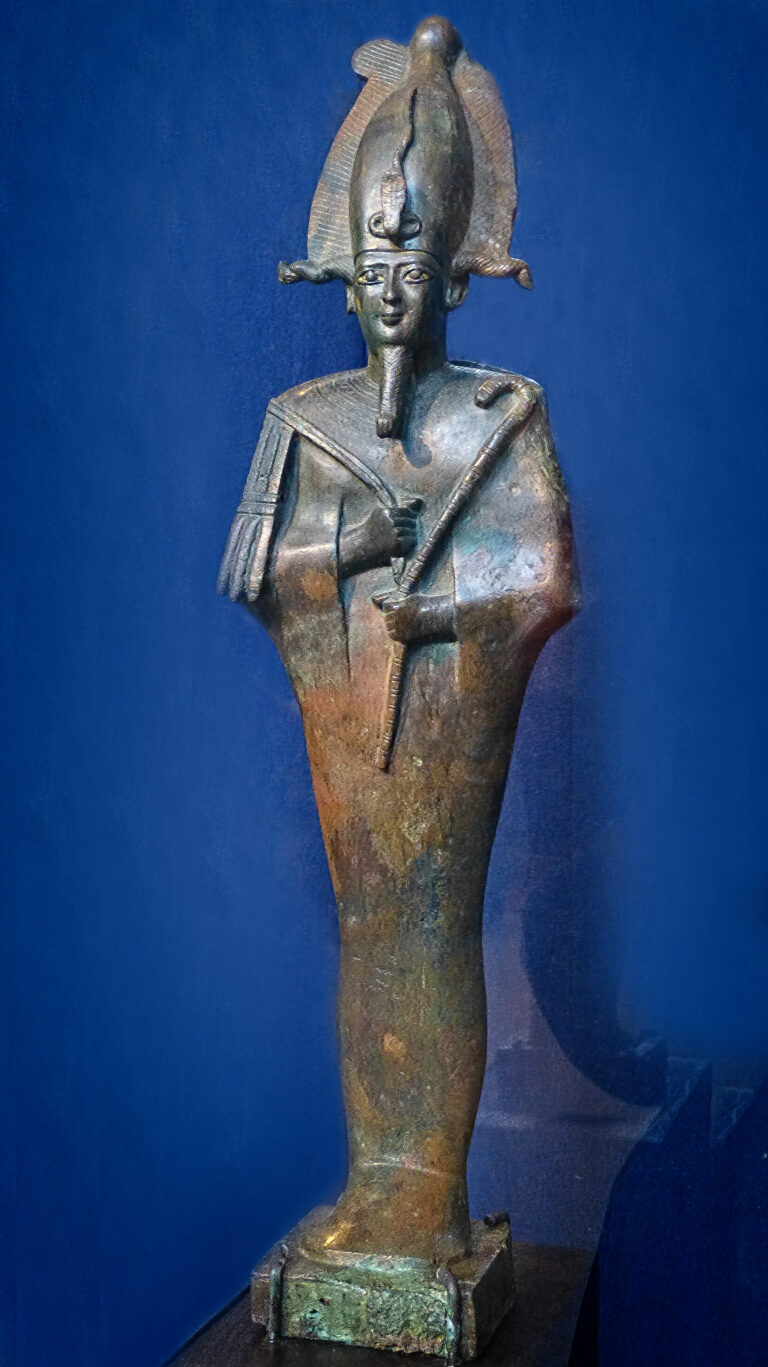
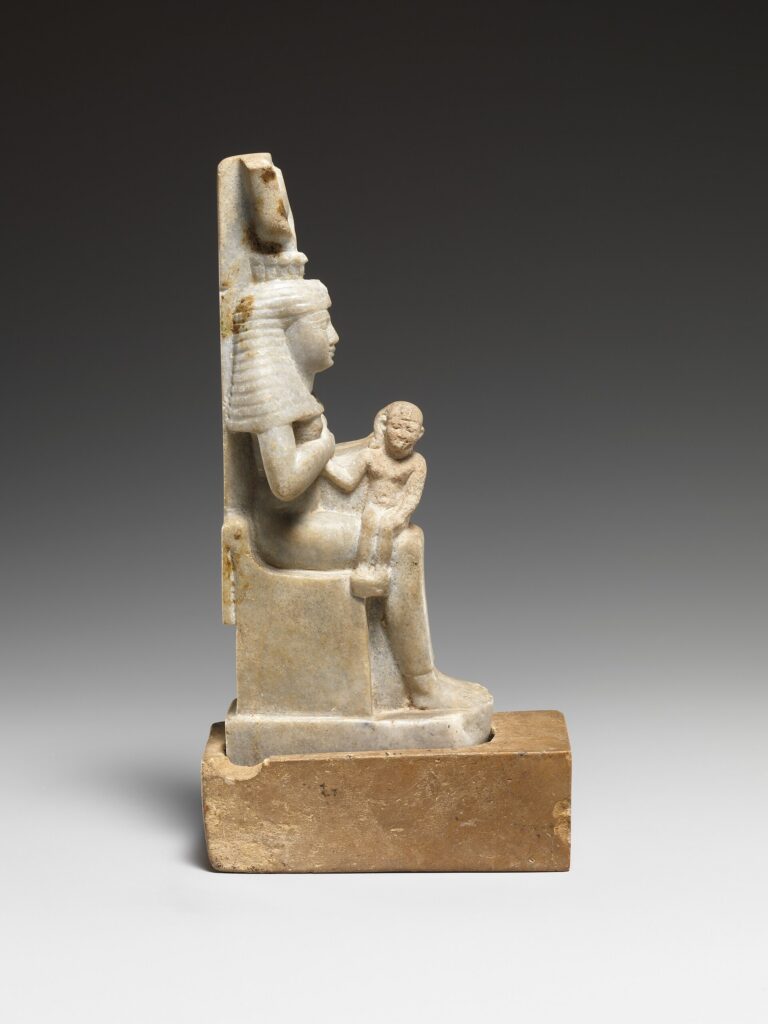
In Geomytha, Highway 61 is SetSetIn Geomytha, Set names the claimant: I — the interruption by which reflection is taken as mine and converted toward ownership.Read full entry →’s corridor: the channel where awareness (IsisIsisIn Geomytha, Isis names the unclaimed field: Is — pure being, awareness before possession, and the ground before the claimant appears.Read full entry →) is pulled out of immediacy, forced into reflectionAm — ReflectionAm names reflected presence: awareness embodied or mirrored without yet becoming ownership.Read full entry →-as-strategy (OsirisOsirisIn Geomytha, Osiris names reflected presence: Am — awareness reflected as living consciousness without yet becoming ownership.Read full entry →), overtaken by imagination-as-compulsion (Set), and crystallized into a time-bound identityThis — IdentityThis names the formed identity: the body, role, image, wound, belief, or story claimed as what the self is.Read full entry → (HorusHorusIn Geomytha, Horus names the identity that forms after claim: This — the body, role, image, wound, belief, or story taken as what the self is.Read full entry →).
A highway is a perfect symbol for that mechanism. It’s not a landscape; it’s a vector. A lane. A guarantee of “later.” A promise that meaning is always up ahead.
And Dylan’s point is brutal: that promise is where the sacrifice happens.
1) The Opening Shock: Abraham Gets a New Address for God
Dylan begins with the strangest kind of escalation: Abraham is instructed to “kill” his son.
Whatever one believes about the biblical story, Dylan’s move is unmistakable: he drags the sacrifice motif out of theology and drops it into modern infrastructure. Abraham asks where to do it, and the answer is essentially: “Out on the highway.”
Geomytha reads this as the primal Set maneuver:
Isis is immediate life—unlocated presence.
Osiris is coherence—awareness reflecting itself without compulsion.
Set is the voice that appears as authority and demands a proof-act.
Horus is the identity produced by that proof: the obedient one, the righteous one, the one who did what had to be done.
Highway 61 is where “God” becomes procedure.
It’s the point where the sacred stops being lived and becomes performed, certified, and recorded. It’s where a psyche is told: prove you are good—by giving up what is most alive in you.
That “son” is not just a person in the mythic grammar. It is continuity. Tenderness. Unmediated being. The part of consciousness that would rest—untasked—at the Osiris convergence.
Set cannot tolerate that rest. So Set issues a command and supplies a destination.
That destination is Highway 61.
2) The Next Vignettes: Reality as Inventory
After the sacrifice frame is established, the song becomes a parade of bizarre scenes—people making deals, pushing schemes, escalating absurdity.
This is not random surrealism. It’s diagnostic.
Each vignette shows the same engine in a different costume: everything becomes a thing to move. A product. A transaction. A lever. A promotion. A setup. A hustle. A performance.
And once reality is experienced as inventory, the psyche becomes a manager:
Awareness is no longer “being.”
Awareness becomes a tool—attention deployed for outcomes.
Reflection becomes strategy.
Imagination becomes urgency.
Identity becomes the role required to survive the urgency.
That role is Horus: the time-bound “I” that exists as a job description.
Highway 61 is the supply chain where that identity is maintained: keep moving, keep converting, keep producing, keep proving.
3) Why It Feels Cartoonish: Set’s Logic Is Always Absurd
A major clue is the tone. Dylan’s scenes are funny, distorted, and grotesque.
That matters because Set’s logic is inherently ridiculous—yet socially normal.
Set is the part of mind that tries to manage infinity through narrative. It takes the unbounded (Isis) and says: “I can fix this with a plan.” It takes coherence (Osiris) and says: “Turn it into a method.”
The more Set succeeds, the more absurd the world becomes, because the ego is a bureaucracy attempting to control what can’t be controlled.
So the song’s comedy isn’t ornament. It’s revelationRevelation — Book of RevelationThe final book of the Christian New Testament, also called the Apocalypse of John.Read full entry →.
Dylan is showing the audience the operating system.
4) The Refrain as Spell: “This Is Where Things Happen”
Every time the song returns to Highway 61, it functions less like a chorus and more like an incantation:
This is where the deal gets made.
This is where the sacrifice gets processed.
This is where the pressure becomes purpose.
This is where the role becomes real.
Highway 61 is Set’s metaphysical claimI — ClaimI names claim: the interruption by which reflected presence is taken as mine.Read full entry → in one image:
Reality is a corridor.
Meaning is ahead.
Your value is motion.
Which is why highways are such powerful symbols of modern hypnosis. They convert “now” into “next.”
They make it feel immoral to stop.
And stopping—resting at the convergence—is exactly where Osiris lives.
5) What “Revisited” Really Means: The Ego Returns to the Same Road
“Revisited” is the tell.
This highway is not a one-time trip. It is a loop.
In Geomytha terms, the Horus identity keeps returning to Set’s corridor because it mistakes compulsion for purpose:
discomfort arises,
Set offers a story and a destination,
Horus forms around the chase,
the chase fails to deliver presence,
returnReturn — RemembranceReturn names remembrance and release: the loosening of possession so reflection can become transparent to source again.Read full entry → to the highway.
That’s why the song feels like a carousel of scenarios. Dylan isn’t telling one story. He’s exposing a recurring structure.
6) The Hidden Instruction: Refuse to Relocate the Sacred
The most important question in the opening is Abraham’s:
Where should I do it?
Because that question is asked constantly inside modern consciousness—just in disguise:
Where should I prove my worth?
Where should I earn love?
Where should I validate my existence?
Where should I become “real”?
Set always answers with a location in time: later, elsewhere, after you’ve done the thing.
Highway 61 is the emblem of that answer.
So the counter-move is not moralism. It is metaphysical refusal:
Return to Isis: awareness before assignment.
Let Osiris stabilize: reflection without agenda.
Watch Set arise as imagery, urgency, and “must.”
Let Horus dissolve: identity unhooking from the chase.
In other words: don’t do the sacrifice on the highway.
Don’t convert what is alive into proof for an authority that only exists as compulsion.
Closing: The Road Is Real—But the Spell Is Optional
U.S. Route 61 is a literal road, famously tied to blues mythos and the American corridor alongside the Mississippi. But Dylan’s “Highway 61” is more than geography.
It is the modern altar where the sacred is repackaged as task.
It is the address where imagination overtakes awareness and calls it destiny.
It is the corridor where consciousness becomes a job and the job becomes a self.
And the reason the song still hits is because the highway is still open—inside the psyche and across the culture.
The question is whether awareness keeps revisiting it.
Or finally steps off the road and returns to what was never going anywhere.
If this resonates, follow Geomytha for more pattern-reads across scripture, nursery rhymes, films, and songs—tracking how awareness becomes thought, thought becomes compulsion, and compulsion manufactures the “I.”