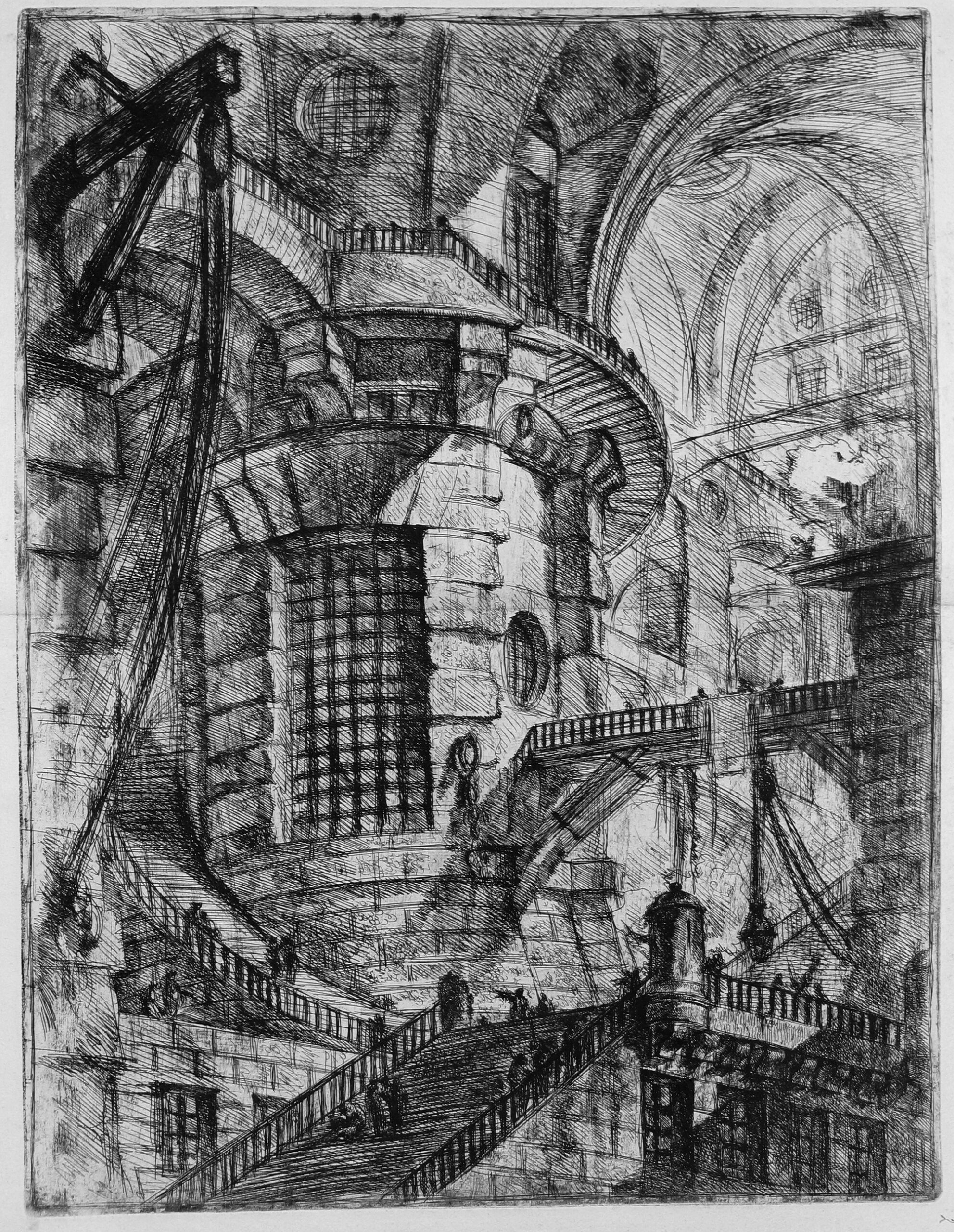
You can leave the room and keep the hotel.
That is the part the ego does not want to hear.
It wants escape to mean relocation. A new job, a new partner, a new city, a new doctrine, a new screen name, a new body, a new life. It wants the door to be somewhere outside itself, waiting at the end of a hallway, behind the right teaching, the right romance, the right breakthrough, the right upgrade.
But the room is not the deepest trap.
The trap is the one who keeps renting rooms.
A person leaves the job but keeps the anxious worker. Leaves the relationship but keeps the abandoned self. Leaves the religion but keeps the frightened believer. Leaves the screen but keeps the hunger to be seen. Leaves one identity and immediately begins furnishing another.
That is reincarnation in miniature.
Not another lifetime yet.
Another costume. Another loop. Another body for the same old claim.
Reincarnation begins wherever identity survives the exit.
The Hotel Is What Comes With You
Hotel California remains one of the cleanest modern myths of reincarnation because it understands the difference between checking out and leaving.
Checking out is administrative.
Leaving is ontological.
You can check out of a room. You can close a chapter. You can end a relationship, quit a job, renounce a belief, delete an account, change your name, move across the country, or declare yourself reborn.
But if the same claimant remains underneath, the hotel travels.
The hotel is not where you are.
The hotel is what keeps coming with you.
That is why the line lands so deeply:
You can check out any time you like, but you can never leave.
The song is not merely about indulgence, addiction, fame, luxury, or moral decay, though it can hold all of those. Its deeper power is structural. The guest is trapped not because the room is locked, but because the identity that entered the room still believes it is the guest.
The hotel survives because the guest keeps believing he is the guest.
Reincarnation Is Not Just Another Body
Reincarnation is usually imagined as the soul returning in another physical body.
Geomytha does not need to deny that possibility to make a sharper point.
A body is anything identity can use to continue.
A wound can take another relationship.
A fear can take another doctrine.
A role can take another workplace.
A desire can take another project.
A profile can take another post.
A grievance can take another politics.
A spiritual insight can take another teacher, another practice, another brand of “awakening.”
The false self does not require flesh alone. It only requires a form it can inhabit and call itself real.
That form may be emotional, digital, ideological, religious, artistic, romantic, professional, or technological. It may be a face, a title, a diagnosis, a trauma story, a worldview, a mission, a platform, a family role, or a private fantasy rehearsed every night before sleep.
If identity can say “this is me,” it has found a body.
The Sentence That Reincarnates
The loop is not born from experience alone.
Experience happens.
A feeling rises. A body ages. A wound opens. A gift appears. A relationship begins. A relationship ends. A belief forms. A belief breaks. A vision comes. A failure arrives. A success crowns the day for a moment.
None of that is reincarnation yet.
The loop begins when the claimant enters and says:
I am this.
I am this wound. I am this role. I am this insight. I am this exile. I am this awakening. I am this body. I am this survivor. I am this chosen one. I am this failure. I am this story.
That sentence is the seed of the return.
It gives the passing thing a center. It gives the feeling a tenant. It gives the role a soul-mask. It gives the wound a crown. It gives the room a guest who thinks the room is home.
Reincarnation is the afterlife of “I am this.”
Every time the sentence is believed, the claimant gets another body.
Do It Again
Steely Dan’s “Do It Again” is the wheel without the hotel.
No gothic luxury. No mirrored corridor. No desert inn glowing with seduction.
Just the blunt rhythm of return.
You go back. You do it again. The wheel turns.
The song’s power is not only that someone repeats bad choices. It is that repetition feels almost automatic, as if the self has mistaken its own pattern for fate. The gambler returns. The lover returns. The wound returns. The old heat returns. The world rearranges itself just enough to make the same inner movement feel new.
That is how identity hides repetition.
It changes the surface.
The claim remains.
The wheel does not need the same room.
It only needs the same “I.”
When the Door Becomes a Room
Morrison Hotel adds a quieter version of the same warning.
If Hotel California is the trap of never leaving, Morrison Hotel is the trap of turning the threshold itself into a place to stay.
The Doors are already threshold-symbols. They suggest passage, perception, entry, exit, the opening between one field and another. A door should not be a dwelling. A door is not where the traveler is supposed to live. It is where passage happens.
But a hotel is where the traveler stops.
That is the danger.
Once the door becomes a hotel, the threshold becomes another room. Once perception becomes persona, the opening becomes identity. The one who stood at the passage begins decorating the passage, naming it, branding it, mythologizing it, sleeping inside it.
That is how false awakening works.
The doorway out becomes another place to be someone.
The symbol opens, and then the claimant moves in.
Morrison Hotel is not the main trap like Hotel California. It is one of the trap’s subtler rooms. It shows how even the doorway can become identity if the one standing at the threshold turns the opening into a self.
The door was meant to open.
The hotel teaches the door to rent rooms.
Morrison Hotel is what happens when the door becomes a room.
The Room That Calls Itself Outside
False awakening is one of the subtlest rooms.
A person leaves religion and becomes “the one who escaped religion.”
Leaves politics and becomes “the one who sees through politics.”
Leaves ego language and becomes “the one beyond ego.”
Leaves the old spiritual marketplace and becomes “the one who cannot be fooled.”
Leaves the matrix and becomes “the one who woke up.”
The exit becomes another identity.
That is the trap.
The false awakening is the room that calls itself outside.
It feels like liberation because the furniture changed. The old beliefs are gone. The old authorities are mocked. The old self has been renounced. But the claimant remains intact, now wearing the costume of one who has escaped.
This is why the ego can survive almost any spiritual breakthrough.
It simply says:
I am this awakening.
And the hotel opens another floor.
The Ouroboros Problem
The ouroboros is often read as wholeness, eternity, completion, the cycle of life feeding itself.
That reading is not wrong, but it is incomplete.
A circle can be a return to source.
It can also be a prison that has learned to look sacred.
The serpent eating its tail is a perfect image of self-contained continuation. It consumes itself and renews itself. It appears complete because nothing outside the loop is needed. But that is exactly the danger.
The ego also wants to be self-contained.
It wants to feed on its own meanings, its own wounds, its own stories, its own explanations, its own symbolic systems, its own cleverness, its own suffering, its own sacred importance.
The ouroboros is the self applauding its own completion while quietly beginning again.
This is why not every circle is return.
Some circles are sealed rooms.
The question is not whether the loop is beautiful.
The question is whether it opens back into Is.
Dark City and the Memory-Script
Dark City gives the reincarnation loop an urban body.
The city changes. Memories are rearranged. Lives are rewritten. People wake inside roles they did not choose but immediately begin treating as personal reality. The room is not only architectural. It is psychological. Identity is installed through memory, environment, repetition, and suggestion.
This is a nearly perfect image of the Hotel of This.
A person does not need to remember who they are if the system can provide a convincing script.
Here is your room. Here is your name. Here is your pain. Here is your history. Here is your desire. Here is your fear. Now live as though it has always been you.
That is reincarnation by memory-editing.
The deeper captivity is not the city alone. It is the self formed from the city’s instructions.
The room changes because the memory-script changes.
But the captivity remains until the claimant itself is seen.
Severance and the Office of Rebirth
Severance makes the same mechanism brutally literal.
The elevator descends, and the work-self wakes. The outside life disappears. A role reincarnates inside fluorescent architecture. The “innie” is born again and again into the same office-world, with the same tasks, the same boundaries, the same permissions, the same dependence on a system that defines reality.
It is reincarnation as workplace.
Not because a soul enters a new baby, but because a self is repeatedly summoned into a closed identity-field.
The system does not need the whole person.
It needs the role.
That is what makes the image so sharp. Much of ordinary life already works this way. The worker-self wakes at work. The parent-self wakes at home. The litigating-self wakes in conflict. The pleasing-self wakes in romance. The performing-self wakes on social media. The frightened child wakes in adult rooms.
Each identity appears when the environment calls it.
Each says:
I am this.
Then the loop continues.
Severance turns reincarnation into office architecture: the self wakes again inside the same role because the system needs the role to keep breathing.
The Phoenix Problem
The phoenix looks like liberation.
It burns. It dies. It rises. It returns in flame.
The Bennu bird carries the same charge: renewal, resurrection, fiery rebirth, the beautiful promise that death does not end the story.
But Geomytha has to ask the question that rebirth imagery often avoids:
What is reborn?
If the false self burns and source returns, renewal is holy.
If identity burns only to return in brighter feathers, rebirth is reincarnation.
That is the Phoenix problem.
Not every rebirth is return.
Some rebirths are the same claimant in brighter feathers.
The ego loves dramatic renewal because it can mistake transformation for surrender. It can change clothes, change language, change mythology, change aesthetics, change tribe, and still remain the one who needs to continue.
Fire alone does not save.
The question is whether fire returns the claim to source or gives the claim a more radiant body.
The Profile as Reincarnation Chamber
Social media compresses reincarnation into minutes.
A post creates a body.
A like feeds it.
A comment wounds it.
A reply defends it.
A share extends it.
A new post reincarnates it.
The profile becomes a chamber where identity repeatedly takes form.
The clever self. The outraged self. The beautiful self. The wounded self. The expert self. The spiritual self. The political self. The misunderstood self. The victorious self. The condemned self.
Each appears, circulates, dies, and returns.
But the claim underneath rarely gets weighed because the next body appears too quickly. Before one identity can release, another is offered. Before one mask can crack, the feed gives the claimant a new face.
The profile lets identity take bodies faster than the soul can weigh them.
This is why the screen becomes such a powerful reincarnation machine. It does not merely distract the mind. It keeps offering new rooms to the same unfinished guest.
The Final Hotel
The posthuman dream is Hotel California with better architecture.
Mind upload.
Digital ghosts.
AI copies.
Synthetic immortality.
Optimized bodies.
Endless extension.
A better room for the self that refuses to end.
This dream speaks to real pain. Bodies suffer. Memory fails. People die. Loss is unbearable. Aging is humiliating to the ego. The given human form feels too fragile for the hunger inside it.
So the machine offers a new promise:
Continue.
But continuation is not the same as liberation.
If the claimant remains, the loop remains. If “I am this” survives, the hotel survives. If the uploaded self is still the self-image demanding persistence, then the prison has not been escaped. It has been renovated.
The issue is not whether technology can preserve a pattern.
The issue is whether the pattern should be treated as the self.
If what continues is the claimant, then immortality is only reincarnation without the honesty of death.
A better hotel is still a hotel.
What Actually Leaves?
The question is not:
How do I escape the room?
The question is:
What is trying to survive?
If the body dies but the claim remains, the loop remains.
If the role ends but the identity remains, the loop remains.
If the religion is left but the claimant remains, the loop remains.
If the screen is closed but the hunger remains, the loop remains.
If the old story is rejected but the one who needs a story remains unquestioned, the loop remains.
The exit is not a door.
The exit is the end of the claimant.
That is why return is so difficult. The ego wants a new quest because a quest lets it continue. It wants a higher teaching, a better room, a purer identity, a more interesting awakening. It feels homesick for source and misreads that ache as a command to become something else.
But the ache to become may be homesickness for Is.
The quest is the return impulse misread by identity.
Before You Leave the Room
Before leaving the room, ask what the room has been doing for the self.
What identity did this room support?
What did I become here?
What wound did this place keep alive?
What role did this relationship give me?
What fear did this doctrine protect?
What performance did this platform reward?
What am I trying to take with me?
What would be left if this story ended?
And most importantly:
Can I leave the claimant, not just the room?
This is where the breath becomes practical again.
Inhale: Am.
Feel the living body beneath the story. Feel the presence that does not require the room.
Exhale: Is.
Let the claim loosen. Let the role empty. Let the room return to being a room.
Not self.
Not destiny.
Not prison.
Room.
The Hotel of This
The hotel is This.
A room of identity. A furnished self. A place where the claimant sleeps, wakes, complains, desires, escapes, returns, and calls the repetition life.
Reincarnation is not defeated by finding a better room.
It ends when the one who keeps saying “I am this” is no longer believed.
That does not mean the body is hated. It does not mean life is rejected. It does not mean relationship, work, art, grief, desire, and memory are meaningless. It means none of them have to become the tenant.
The room can be entered.
The room can be used.
The room can be loved.
The room can be cleaned.
The room can be left.
But the room is not what you are.
The door was never hidden.
The guest was.
Notice the room.
Notice the claimant.
Let the story end before it asks for another body.