There is a difference between seeing another possibility and demanding that reality become it.
You can feel that difference in ordinary life. You are driving home and imagine taking a different road. Useful. You are planning a trip and picture three ways the day could go. Useful. You make a mistake and think about what you could do differently next time. Also useful.
Then imagination can harden.
The thought changes from this could be different to this should not be happening. The alternative stops helping you respond to reality and starts competing with reality for authority.
GEOMYTHA calls that shift the building of a Should World.
“What is” and “what should be” are not the same kind of thing
The title of this piece borrows a phrase from Led Zeppelin’s “What Is and What Should Never Be.” The official Led Zeppelin discography lists the song on Led Zeppelin II. GEOMYTHA is using the title as a useful contrast in language, not as a claim about what the band intended the song to mean.
What is points to actuality: this happened, this is here, this is the condition in front of me.
What should be introduces an alternative.
That alternative may be wise. It may be moral. It may be necessary. It may tell you what to repair, prevent, build, or refuse.
But it is still an imagined arrangement compared against the one that exists.
The trouble begins when the alternative stops serving action and begins demanding enthronement.
The mind says:
This conversation should not have gone this way.
This person should understand me.
I should already be somewhere else.
The past should have happened differently.
Tomorrow should prove that I was right.
At that point, thought is no longer simply describing a better possibility. It is building a second world and judging the first world from inside it.
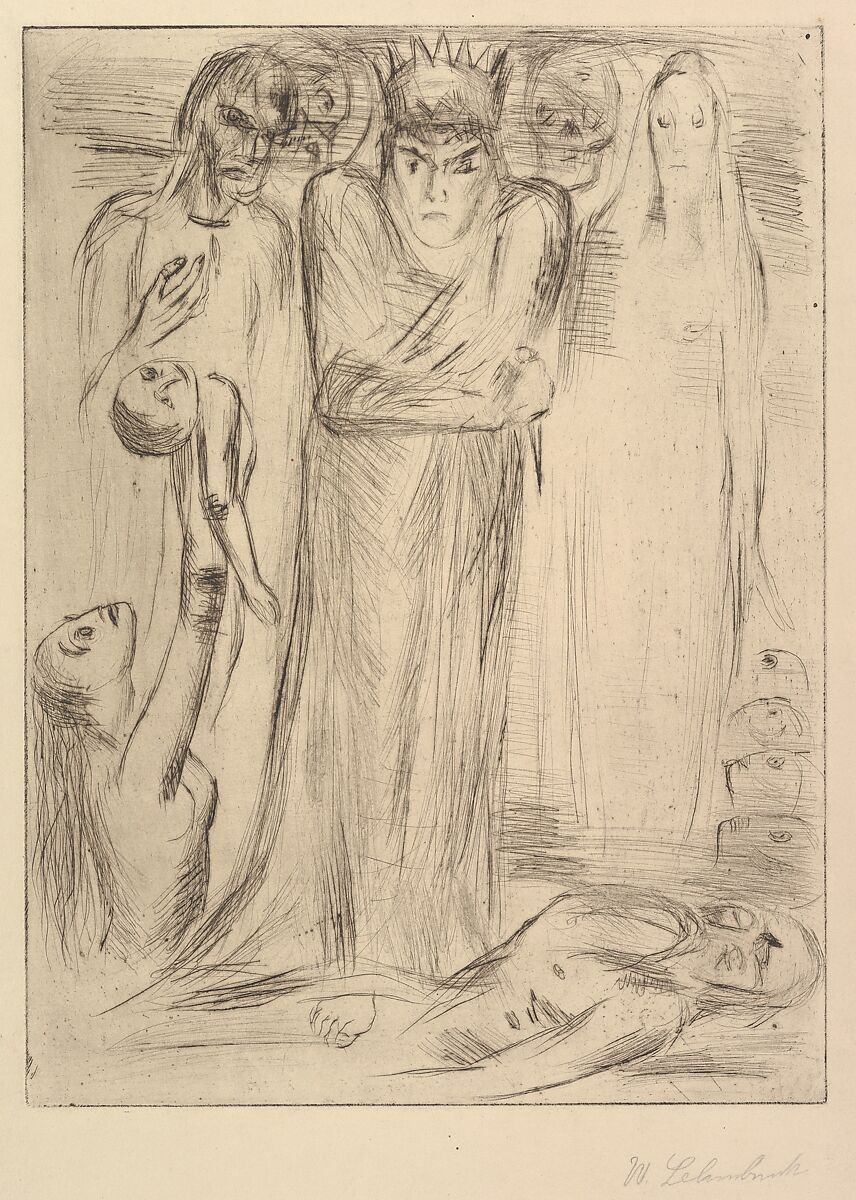
Hamlet lives inside the split
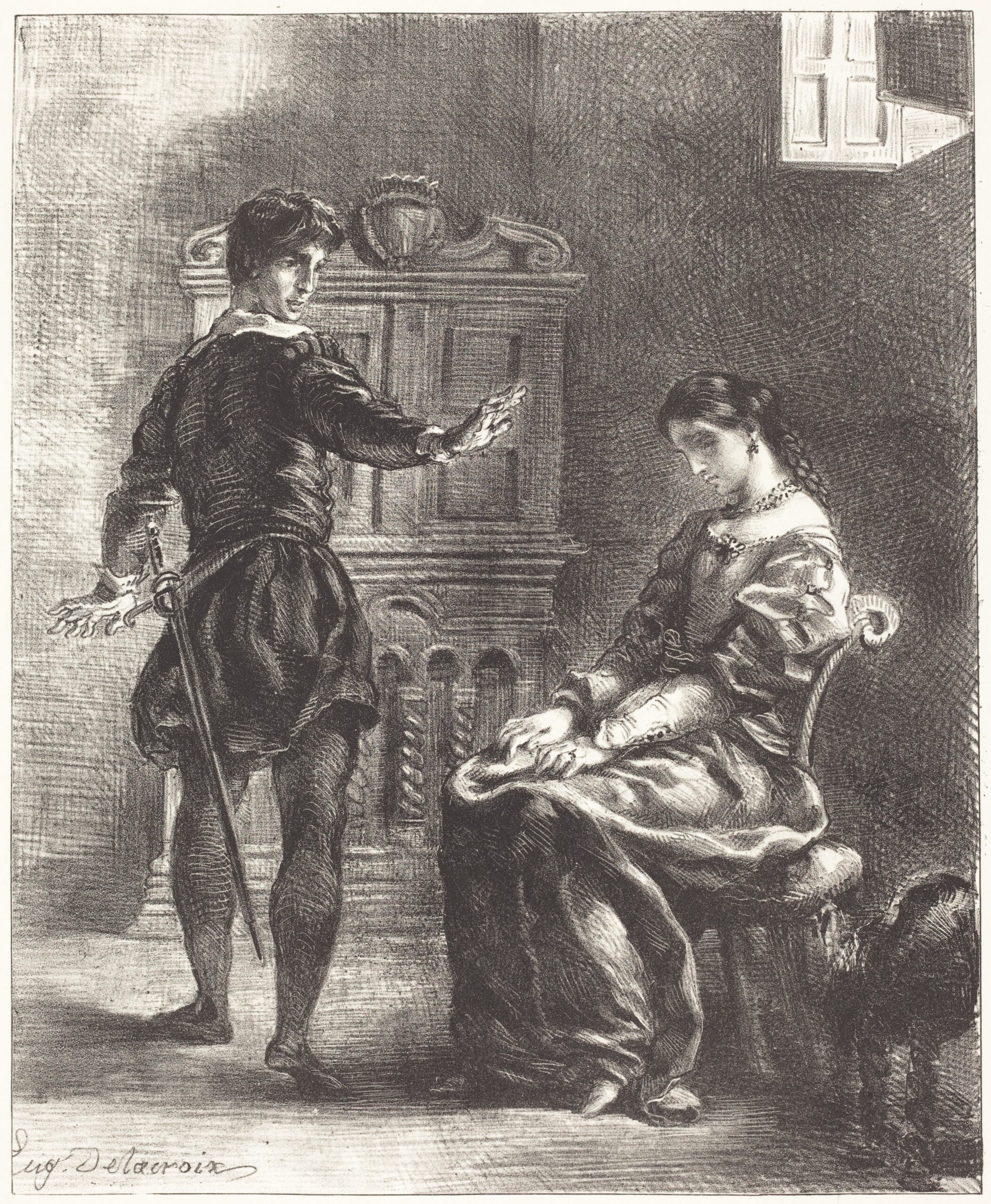
Shakespeare gives us one of the clearest dramatic pictures of this split in Hamlet.
In Act 3, Scene 1, Hamlet asks whether it is better to endure suffering or oppose it, and whether death might end the conflict. The speech is not a simple lesson about “overthinking.” It is a serious confrontation with pain, action, consequence, death, and uncertainty.
But it also shows consciousness dividing actuality into alternatives.
Be.
Not be.
Endure.
Resist.
Act.
Wait.
Thought creates branches faster than action can inhabit them.
That does not make thought the enemy. Hamlet’s problem is not that he can imagine alternatives. Human beings need that ability. The deeper problem is what happens when the alternative world becomes so elaborate that the present becomes only a courtroom where imagined worlds prosecute it.
Counterfactual thought is useful
This is where the stress test matters.
Psychology has a name for one part of this process: counterfactual thinking—imagining how events could have happened differently. Research does not treat this capacity as inherently pathological. Counterfactual thought helps people learn from outcomes, prepare for future situations, make decisions, understand causation, and experience emotions such as regret and relief.
That matters because GEOMYTHA should not turn “accept what is” into passivity.
If you missed a flight because you left late, imagining an earlier departure may help tomorrow.
If a bridge is unsafe, “it should be repaired” can become engineering, law, funding, and action.
If someone is being harmed, moral judgment requires the ability to say that the present condition ought to change.
The problem is not the word should.
The problem is when the imagined alternative becomes a substitute world that consumes the energy needed to meet the actual one.
Functional imagination versus possessive imagination
GEOMYTHA can make this distinction simply.
Functional imagination looks at reality and asks: what can I do from here?
Possessive imagination builds an alternative and asks: why has reality not obeyed me?
The first returns to action.
The second keeps returning to the image.
Imagine standing at the shore with a sailboat. You picture the route before you leave. That picture is useful because it serves the voyage. You check the wind, change course, and update the plan.
Now imagine refusing to change course because the wind was “supposed” to blow from the west.
The map has become more important than the sea.
The plan has stopped serving reality and started demanding that reality serve the plan.
That is the Should World.
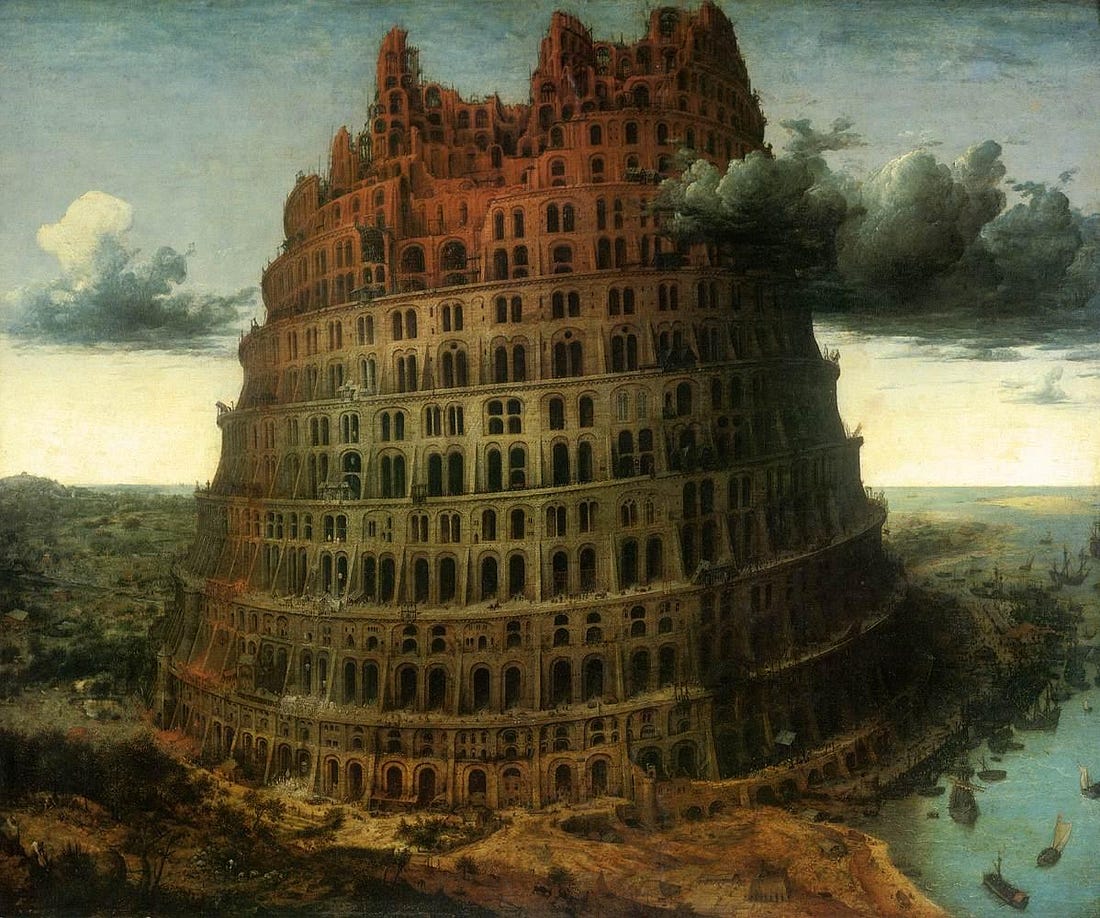
The castle in tomorrow
There is another version that looks positive.
You build a castle in tomorrow.
When I get the job, then I will be secure.
When the relationship changes, then I will be whole.
When the money arrives, then I can begin.
When people finally see what I see, then everything will settle.
Planning can be intelligent. Goals can organize action. Hope can keep a person moving through difficulty.
But a future image becomes dangerous when the present is treated only as an obstacle standing between the self and the imagined world.
Then tomorrow is no longer a direction.
It is a competing reality.
The person begins living in relation to a place that does not yet exist.
Rock and roll as a symbolic contrast
GEOMYTHA has sometimes used rock and roll as symbolic verbs.
Rock can suggest steadiness, a place where reflection can rest long enough to become clear.
Roll can suggest motion, transition, becoming.
Neither is good or bad by itself.
A rock that never moves becomes rigidity.
A roll that never stops becomes compulsion.
The healthy movement is not “never imagine” and not “always accept.” It is the ability to move between stability and possibility without confusing possibility for actuality.
That is why the Led Zeppelin title is useful here even without assigning the band a GEOMYTHA intention. The phrase itself places two verbal worlds beside one another: what is and what should never be.
The tension is enough.
Pain is not created by incorrect thinking
Another boundary matters.
Some suffering comes from resistance to reality.
Some suffering comes from reality.
Grief hurts because someone is gone. Injury hurts because tissue is damaged. Betrayal hurts because trust was broken. Poverty, violence, illness, injustice, and loss are not erased by changing grammar.
A person should not be told that pain exists merely because they are attached to a “should.”
The useful question is narrower:
How much additional suffering is being created by fighting the fact that the event has already entered reality?
Accepting that something happened is not approving it.
Seeing what is does not mean refusing to change what comes next.
It means beginning from the ground that actually exists.
The GEOMYTHA movement
In GEOMYTHA terms, the Should World begins when imagination moves from reflection into claim.
A possibility appears.
The mind reflects it.
Then the claimant says: this is how reality must be.
The alternative hardens.
Identity organizes around defending it.
Now every event is measured against the imagined arrangement.
This is the movement from Is → Am → I without returning to Is.
The correction is not to destroy imagination. It is to let imagination report back to reality.
I → Am → Is.
What am I imagining?
What does that image reveal?
What is actually here?
What action is possible from here?
Use the alternative, then come back
The future matters.
Standards matter.
Moral judgment matters.
Planning matters.
Regret can teach.
Hope can orient.
But none of them can replace the ground beneath your feet.
The practical move is not “stop saying should.” It is:
Notice when should stops giving you a direction and starts giving you a second world.
Use the alternative.
Learn from it.
Choose from it.
Then return.
What is?
What can be done now?
Sources and further reading
- William Shakespeare, Hamlet, Act 3, Scene 1 — Folger Shakespeare Library.
- Led Zeppelin, Led Zeppelin II — official discography.
- Kai Epstude and Neal J. Roese, “The Functional Theory of Counterfactual Thinking,” Personality and Social Psychology Review (2008).
- Ruth M. J. Byrne, “Counterfactual Thought,” Annual Review of Psychology (2016).
- Eugène Delacroix, Hamlet and Ophelia (Act III, Scene I) — National Gallery of Art.
GEOMYTHA interpretation is comparative and symbolic. The sources above establish the literary work, song title, research on counterfactual thought, and artwork provenance. They do not establish the GEOMYTHA reading as Shakespeare’s, Led Zeppelin’s, or the researchers’ intended framework.