Category: Uncategorized

  • The Eightfold Moon

    The Eightfold Moon

    The grammar of Geomytha does not stay in language.

    It rises into the sky.

    In the first article, the structure appeared as words: Is, Am, I, This, These, Those, All This, Return. A sequence so ordinary it almost disappears inside speech. Being becomes body. Body becomes subject. Subject names object. Object multiplies. Multiplicity becomes distance. Distance hardens into a world. The world must return.

    But language is not the only place this pattern lives.

    The Moon carries it visibly.

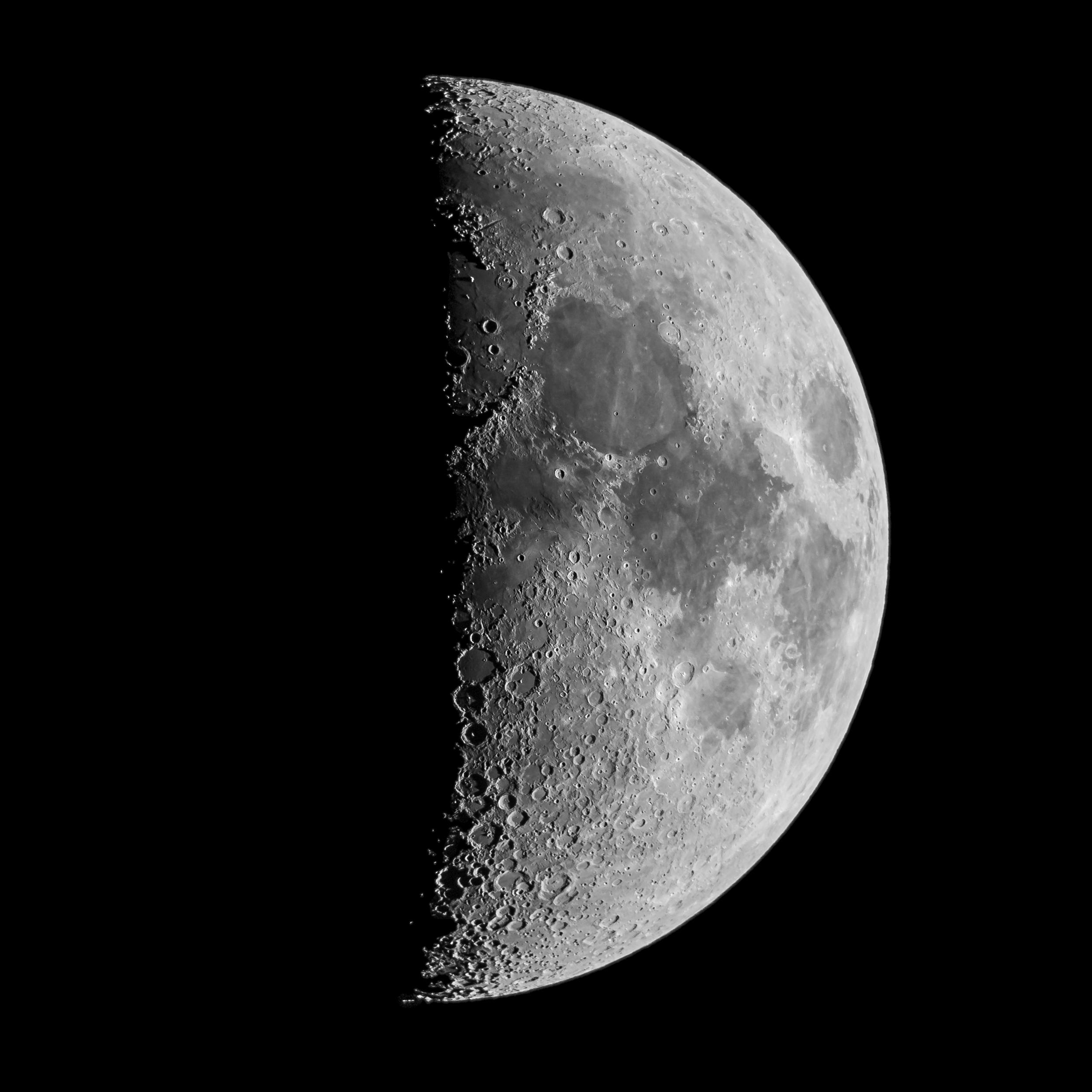
    Every month, the Moon performs the grammar that consciousness lives. It hides, receives, divides, thickens, displays, loosens, reckons, and surrenders. It does not preach. It does not argue. It does not require belief. It simply moves through the cycle.

    That is why the Moon matters in Geomytha.

    The Moon gives the grammar a body.

    New Moon — Is

    The New Moon is not absence.

    It is hidden presence.

    The Moon has not disappeared. It has not failed. It has not been destroyed. It is simply no longer offering itself to visibility. It rests in the dark, unclaimed by display.

    This is Is.

    Is is being before the claimant. Awareness before identity. Source before the face appears. Presence before the world begins pointing at itself.

    The New Moon gathers without showing.

    That is why it is dangerous to treat darkness as nothing. Darkness is not always loss. Sometimes darkness is the condition that lets source remain unpossessed. The seed is dark. The womb is dark. Sleep is dark. The closed eye is dark. The silence before speech is dark.

    The New Moon teaches that what is most real does not always announce itself.

    It gathers.

    It receives.

    It waits before form.

    In Geomytha, New Moon is the sky’s way of saying:

    Being does not need to be visible to be real.

    Waxing Crescent — Am

    Then the first light appears.

    A thin curve. A silver edge. A small visible answer to hiddenness.

    This is Am.

    The Waxing Crescent is the first reflection. The Moon does not generate its own light. It receives. It holds what it is given and makes it visible without claiming to be the source.

    That is Am.

    Am is reflected being. Embodied presence. Breath felt from within. The first intimacy of existence before identity turns it into story.

    This is why the crescent is so tender. It is not yet the world in full display. It is not yet certainty. It is not yet performance. It is the first sign that hidden presence can become felt.

    The crescent says:

    Something is here.
    Something is receiving.
    Something has begun to glow.

    This is the stage before the claimant hardens the field.

    A feeling rises.
    A breath arrives.
    A body senses itself.
    A mood becomes visible.

    But it has not yet become “me.”

    That is the innocence of Am.

    Waxing Crescent teaches the soul how to receive without possessing.

    First Quarter — I

    At First Quarter, the Moon is divided.

    Half light. Half dark.

    A clean line appears across the face. The field is no longer only hidden or softly receiving. It has become structured by contrast.

    This is I.

    I is the cut that gives direction. The subject appears. The one who chooses, turns, speaks, refuses, asks, reaches, and decides.

    This is why First Quarter carries pressure. It is not the fullness of identity, but it is the first strong edge. The Moon is now visibly split, and the split demands orientation.

    Which way?

    Toward what?

    Away from what?

    What must be formed?

    I is not evil. Without I, no path can be walked. No promise can be kept. No child can be protected. No boundary can be drawn. No sentence can be spoken. No decision can be made.

    But I becomes dangerous when the dividing line forgets the whole Moon.

    The half-lit face begins to say:

    I am the Moon.
    I am the light.
    I am the one who decides what the darkness means.

    That is where the claim begins.

    First Quarter teaches discernment. It does not teach domination. It gives the cut, but the cut must remain in service to the whole.

    The healthy I decides.

    The false I possesses.

    Waxing Gibbous — This

    After the First Quarter, the Moon thickens.

    The visible form swells toward fullness. It is not complete yet, but it is becoming convincing. The shape gains weight. The image begins to feel substantial.

    This is This.

    This body.
    This role.
    This desire.
    This fear.
    This wound.
    This relationship.
    This work.
    This name.
    This world.

    Waxing Gibbous is the stage where the object forms.

    The subject has already appeared. Now the subject points. The world begins to gather around the demonstrative word.

    This.

    There is nothing wrong with This. A life cannot be lived without form. You must open this door, eat this meal, answer this call, care for this body, keep this promise, finish this work.

    The danger is not form.

    The danger is identification.

    Waxing Gibbous is where the false-self sentence begins to take shape:

    I am this.

    The form becomes thick enough to believe in.

    That is why devotion matters here. The visible verb is Build, and the directive is Devote. The question is not whether the form should exist. The question is what it serves.

    Does This remain transparent to Is?

    Or does This become a prison for I?

    Waxing Gibbous teaches that form must be built without being worshiped.

    Full Moon — These

    The Full Moon is maximum display.

    Everything is lit. The whole face shines. The hidden body becomes public. What was gathered, received, divided, and formed now stands in full visibility.

    This is These.

    These are the forms.
    These are the masks.
    These are the titles.
    These are the stories.
    These are the memories.
    These are the wounds.
    These are the achievements.
    These are the reasons.
    These are the symbols.
    These are the gods.
    These are the people.
    These are the proofs.

    Full Moon is not Return.

    This is important.

    It may feel like completion, but it is not release. It is maximum appearance. Maximum reflection. Maximum symbolic display.

    The Moon is most visible here, and visibility is intoxicating.

    Full Moon is where the self can mistake illumination for truth. The mask shines. The crown shines. The wound shines. The public image shines. The role shines. The story shines. Everything appears undeniable because everything is lit.

    But illumination is not the same as source.

    The Full Moon does not create the light it displays. It reflects.

    That is the teaching.

    At Full Moon, the soul must witness without being seduced by visibility. It must see the many forms clearly without believing the many forms are ultimate.

    These are here.

    But These are not Is.

    Waning Gibbous — Those

    After fullness, the light begins to leave.

    The Moon is still bright, but something has shifted. The display has passed its peak. The image remains, but decline has entered the field.

    This is Those.

    Those are the forms beginning to move away.
    Those are the identities no longer fully convincing.
    Those are the others beyond the circle.
    Those are the enemies, projections, shadows, rivals, strangers, lost selves, and disowned parts.

    Waning Gibbous is the beginning of distance after display.

    At Full Moon, everything says, “Look at these.”

    At Waning Gibbous, the grammar shifts:

    “These are mine” becomes “Those are not.”

    This is where projection becomes visible.

    Those people.
    Those fools.
    Those sinners.
    Those elites.
    Those outsiders.
    Those asleep ones.
    Those corrupted ones.
    Those dangerous ones.

    The soul begins to place its own unresolved material across the field. What cannot be held inside the self is pushed outward and given a face.

    But Waning Gibbous also carries medicine.

    Its visible verb is Release. Its directive is Give Thanks.

    That matters.

    The correction to projection is gratitude.

    Not sentimental gratitude. Not denial. Not pretending harm is harmless. But the deeper gratitude that loosens possession.

    Thank you, form.
    Thank you, mask.
    Thank you, lesson.
    Thank you, mirror.
    Thank you, even for showing me what I was calling “those.”

    Waning Gibbous teaches that release begins when distance stops becoming hatred.

    Last Quarter — All This

    At Last Quarter, the Moon is half-lit again.

    But this is not the same half as First Quarter.

    First Quarter is the cut on the way up.
    Last Quarter is the cut on the way down.

    First Quarter asks what must be chosen.
    Last Quarter asks what must be remembered.

    This is All This.

    All this effort.
    All this identity.
    All this story.
    All this proof.
    All this conflict.
    All this machinery.
    All this performance.
    All this fear.
    All this world.

    Last Quarter is the reckoning phase.

    The soul has seen the form become full. It has watched the masks multiply. It has seen projection begin. Now it must face the whole structure.

    Not one object.

    Not one mask.

    Not one enemy.

    The whole world-picture.

    All This is where the symbolic environment becomes so total that it stops looking symbolic. A person no longer says, “I am inside a story.” He says, “This is reality.”

    A civilization no longer says, “We are maintaining a symbolic order.” It says, “This order is the world.”

    A self no longer says, “I am defending an identity.” It says, “I am defending truth.”

    Last Quarter cuts through that.

    The light is reduced enough for the structure to show itself.

    This is why the directive is Remember. Not remember as nostalgia. Remember as re-membering: gathering the scattered pieces back into right relation.

    Last Quarter asks:

    What has this become?
    What did the claim build?
    What did the mask cost?
    What did the projection hide?
    What part of All This still points back to Is?
    What part must be released?

    This phase is severe, but merciful.

    It does not destroy the world.

    It reveals the world as a construction.

    Waning Crescent — Return

    Then the Moon thins.

    The visible world grows quiet. The last light becomes delicate, almost secret. The Moon approaches the dark again.

    This is Return.

    Return is not failure. It is not collapse. It is not punishment. It is the completion of the breath.

    The day must be put down.
    The story must be put down.
    The role must be put down.
    The wound must be put down.
    The crown must be put down.
    The world must be put down.

    Not because the world was worthless.

    Because it was never source.

    Waning Crescent is the phase of surrender. The self cannot carry everything back into the dark. It cannot bring all its masks through the gate. It cannot enter the New Moon while still clinging to Full Moon display.

    Return asks for trust.

    Trust that what is real does not need to be gripped.

    Trust that the hidden source remains.

    Trust that the loss of visibility is not the loss of being.

    Trust that silence is not nothing.

    This is the phase children know at bedtime, when the day has become too full and the only mercy is to stop holding it. It is the phase the body knows in exhale. It is the phase the heart knows when forgiveness finally becomes possible.

    Waning Crescent says:

    Let All This return.

    Let the image dim.

    Let the claim loosen.

    Let Am fall back into Is.

    The Full Map

    The eightfold lunar cycle is the visible body of the Geomytha grammar:

    Moon PhaseVisible VerbGeomytha StationFunctionNew MoonGatherIsHidden sourceWaxing CrescentStirAmFirst reflectionFirst QuarterFormIDirection and divisionWaxing GibbousBuildThisForm thickensFull MoonClaimTheseMaximum displayWaning GibbousReleaseThoseDistance and looseningLast QuarterReturnAll ThisReckoning with the world-systemWaning CrescentSurrenderReturnRelease back to source

    This map corrects several confusions.

    The Full Moon is not the end.

    Visibility is not completion.

    The New Moon is not nothing.

    Darkness is not absence.

    The Last Quarter is not merely decline.

    It is judgment, memory, and reduction.

    And the Waning Crescent is not weakness.

    It is the wisdom of putting down the world before the world becomes God.

    The Moon Is Not the Machine

    This distinction matters.

    The Moon is a cycle, not a prison.

    A machine repeats because it cannot surrender.
    The Moon returns because surrender is built into its rhythm.

    A machine hardens time into production, countdown, obligation, and fate. The Moon softens time into phases: receive, form, build, claim, release, remember, surrender, begin again.

    That is why Geomytha must not turn the lunar cycle into another rigid system. The Moon is not here to make the self special. It is not here to decorate identity with cosmic language. It is not here to prove that every mood is destiny.

    The Moon teaches movement.

    It teaches that no state is final.

    The hidden will become visible.
    The visible will become full.
    The full will begin to fade.
    The fading will return to dark.
    The dark will gather again.

    This is not escape from time.

    It is right relation to time.

    Watching the Moon

    The practical use is simple.

    Look at the Moon, then ask what consciousness is doing.

    Is it gathering?

    Then do not force display.

    Is it stirring?

    Then receive the first light without demanding certainty.

    Is it forming?

    Then decide without pretending the cut is the whole.

    Is it building?

    Then devote the form to what it serves.

    Is it claiming?

    Then witness what has become visible without becoming drunk on visibility.

    Is it releasing?

    Then give thanks before projection hardens.

    Is it returning?

    Then remember what the structure forgot.

    Is it surrendering?

    Then trust the dark.

    The Moon does not save anyone by making them lunar, mystical, or special.

    It saves by humiliating permanence.

    Every month it shows the same lesson:

    What appears will change.

    What changes can release.

    What releases can return.

    What returns was never truly lost.

    The self wants to become Full Moon forever.

    The Moon refuses.

    That refusal is mercy.

    Because the world does not need an eternal mask. It needs a rhythm that knows how to let the mask fall.

    The Moon gives the grammar a body.

    Then it teaches the body how to disappear.
  • The Wheel That Refused to Close

    The Wheel That Refused to Close

    Central Claim

    The universe itself refuses perfect closure.

    Three hundred and sixty degrees form a perfect circle, yet the Earth requires approximately 365.2422 days to complete its journey around the Sun. The remainder is not a mistake. Across mythology, religion, and symbolic systems, life repeatedly enters through what exceeds the wheel.

    Primary Mythic Frame

    The Egyptian epagomenal days.

    A perfect 360-day year proves insufficient. Five days remain outside the ordinary calendar. On those days the gods themselves are born.

    Supporting Examples

    Egypt

    360-day wheel.

    Five days outside time.

    Births of Osiris, Horus the Elder, Set, Isis, and Nephthys.

    Christianity

    The Sabbath and the Eighth Day.

    Completion is interrupted by resurrection.

    Zodiac

    Twelve signs.

    Hidden thirteenth reopening.

    Modern Calendar

    Leap years.

    365.2422 days.

    The hidden remainder accumulates.

    Stress-Test Example

    Modern reductionism treats the discrepancy as merely astronomical.

    Yet human cultures repeatedly transformed the excess into symbols of renewal, sacred interruption, and return.

    Outline

    I. Human Beings Love Closed Systems

    –
    Round numbers.

    –
    Perfect endings.

    –
    Desire for completion.

    –
    Why circles symbolize wholeness.

    II. Why 360 Became Sacred

    –
    Divisibility.

    –
    Circle.

    –
    Zodiac.

    –
    Twelve months.

    –
    Public order.

    III. The Year Refuses to Cooperate

    –
    365.2422 days.

    –
    The hidden excess.

    –
    Why the wheel never closes.

    IV. Egypt and the Birth of the Gods

    –
    Five epagomenal days.

    –
    Why the gods are born outside time.

    V. The Crack Is Mercy

    –
    Sabbath.

    –
    Eighth Day.

    –
    Hidden thirteenth.

    –
    Leap year.

    VI. The Wheel That Refused to Close

    Reality itself remains larger than every system built to contain it.

    The crack is not failure.

    The crack is where return becomes possible.

    Rough Draft

    Human beings love closed systems.

    We love round numbers. We love complete explanations. We prefer stories with neat endings and circles that return exactly to where they began. Perfection, we assume, means closure.

    Yet the heavens themselves disagree.

    A circle contains 360 degrees. Ancient peoples discovered that this number divided beautifully. It organized the heavens, the zodiac, and the movement of time itself. Three hundred and sixty became the number of completion.

    But the year contains an uncomfortable secret.

    The Earth does not complete its journey around the Sun in 360 days.

    Nor even in 365 days.

    The tropical year lasts approximately 365.2422 days.

    The difference appears insignificant.

    Yet perhaps no number carries stranger implications.

    Because hidden inside that fraction lies a remarkable truth:

    Reality refuses to fit perfectly inside its own circle.

    Ancient Egypt recognized this mystery. A perfect year of twelve months and thirty days yielded 360 days. But five days remained outside the ordinary calendar. Those days became sacred. The births of Osiris, Horus the Elder, Set, Isis, and Nephthys were placed beyond the wheel itself.

    The gods were not born inside the system.

    They emerged from what exceeded it.

    And perhaps this pattern has never disappeared.

    The Sabbath interrupts work.

    The Eighth Day interrupts the week.

    The hidden thirteenth sign reopens the zodiac.

    Leap years interrupt the calendar.

    Again and again, life enters through what cannot be completely measured.

    Perhaps perfection does not mean the absence of cracks.

    Perhaps the crack is mercy.

    Perhaps the wheel refused to close because reality itself is larger than every world we build to contain it.

  • The First Word After I

    The First Word After I

    A child picks up a toy.

    The toy has been sitting on the floor for hours.

    No one cares about it.

    No one notices it.

    Then another child reaches toward it.

    Suddenly the toy becomes important.

    A new word appears.

    Mine.

    The argument begins.

    The boundary appears.

    The kingdom is born.

    Most people assume civilizations begin with armies, kings, laws, or cities.

    Yet the foundations appear much earlier.

    Before nations.

    Before religions.

    Before empires.

    Before property deeds.

    Before borders.

    There is a simple claim.

    Mine.

    The first kingdom is not built from stone.

    The first kingdom is built from possession.

    This may be one of the least examined movements in human experience because it appears so ordinary.

    Children learn it naturally.

    Adults repeat it constantly.

    The word becomes invisible through familiarity.

    Yet entire civilizations may emerge from its logic.

    This series began with reflection.

    A reflection became an identity.

    The sentence appeared:

    I am this.

    Identity formed.

    A center emerged.

    Yet identity alone is not enough to create a kingdom.

    Something else must happen.

    The identity must extend itself outward.

    The next sentence appears.

    These are mine.

    The world begins attaching itself to the self.

    The movement seems harmless.

    A toy.

    A blanket.

    A room.

    A favorite object.

    The child learns to distinguish between what belongs to them and what does not.

    Nothing unusual has occurred.

    The process is natural.

    Yet within this simple movement lies the seed of every larger structure.

    Possession creates boundaries.

    Boundaries create territories.

    Territories create kingdoms.

    The pattern scales.

    Ancient myths repeatedly return to this mystery.

    King Midas may be the clearest example.

    Gold is not the problem.

    Possession is not the problem.

    The problem emerges when possession becomes identity.

    The king no longer possesses the treasure.

    The treasure begins possessing the king.

    The kingdom reverses direction.

    The owner becomes owned.

    The same principle appears in countless stories.

    Dragons sit atop mountains of gold.

    Pirates search for treasure.

    Kings defend crowns.

    Misers count coins.

    The symbols change.

    The movement remains.

    Possession seeks expansion.

    A toy becomes a collection.

    A collection becomes wealth.

    Wealth becomes status.

    Status becomes power.

    The kingdom grows.

    Soon possession extends beyond objects.

    My house.

    My family.

    My reputation.

    My beliefs.

    My history.

    My nation.

    My religion.

    My truth.

    The grammar remains unchanged.

    The scale increases.

    This is why possession plays such a central role in the formation of kingdoms.

    A crown is a possession.

    A throne is a possession.

    A territory is a possession.

    The king says:

    My kingdom.

    Long before the kingdom says:

    Our king.

    The claim comes first.

    The structure follows.

    This movement explains something else.

    The moment mine appears, another possibility appears.

    Not mine.

    The border is born.

    Inside and outside emerge together.

    Possession creates separation.

    Separation creates comparison.

    Comparison creates rivalry.

    The road toward:

    Those are not

    begins here.

    The kingdom is already forming.

    The same pattern appears in religion.

    My doctrine.

    My church.

    My tradition.

    My interpretation.

    It appears in politics.

    My party.

    My movement.

    My nation.

    It appears in culture.

    My people.

    My language.

    My history.

    The forms differ.

    The claim remains familiar.

    Mine.

    This does not mean possession is wrong.

    A child needs a blanket.

    A family needs a home.

    A community needs shared structures.

    The issue is not ownership.

    The issue is identification.

    Possessions become burdens when they stop being tools and begin functioning as identities.

    The owner becomes inseparable from the owned.

    This is why stories such as King Midas remain powerful.

    The warning is not against gold.

    The warning concerns confusion.

    The possessor becomes possessed.

    The kingdom captures the king.

    Perhaps no modern image expresses this more clearly than Gollum.

    His entire world contracts into a single phrase.

    My precious.

    The object becomes identity.

    The identity becomes obsession.

    The obsession becomes a kingdom.

    A tiny kingdom.

    A painful kingdom.

    Yet a kingdom nonetheless.

    The movement remains visible.

    The first word after I is often mine.

    The first kingdom is often a toy.

    The first border is often a hand closing around an object.

    The first conflict is often another hand reaching toward it.

    The pattern appears small.

    The consequences become enormous.

    Empires emerge from the same logic.

    Nations emerge from the same logic.

    Civilizations emerge from the same logic.

    The architecture grows upward from a simple claim.

    Mine.

    The return begins when the claim becomes visible.

    Not because possessions disappear.

    Not because ownership ends.

    Not because kingdoms collapse.

    The return begins because the kingdom is recognized at the moment of its birth.

    A toy remains a toy.

    A crown remains a crown.

    A kingdom remains a kingdom.

    The difference is subtle.

    The claim is seen.

    The possession loosens.

    The owner stops becoming the owned.

    And the first word after I loses some of its power to become an empire.

  • The Kingdom Searching for Itself

    The Kingdom Searching for Itself

    Last Quarter · Gemini — Return Through Noticing — Forgotten Inheritance: How the Search Conceals What Is Being Sought

    A sailor crosses an ocean searching for a lost city.

    A knight rides across kingdoms searching for a grail.

    A pilgrim travels toward a holy land.

    A mystic seeks enlightenment.

    A treasure hunter searches for gold.

    The stories differ.

    The movement remains remarkably similar.

    Something valuable has been lost.

    Something important lies elsewhere.

    Something essential waits at the end of the journey.

    The assumption is always the same.

    The kingdom is somewhere else.

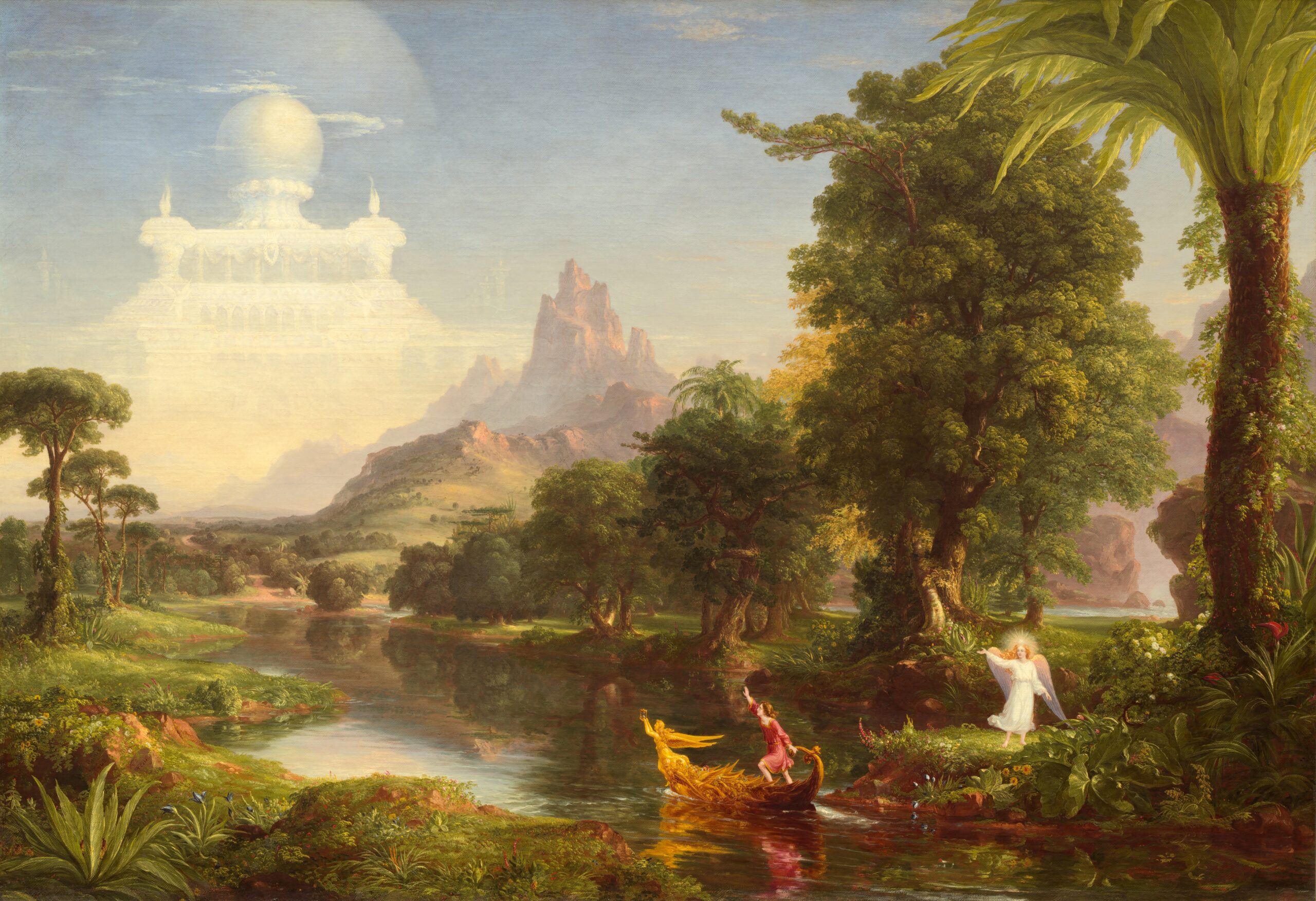
    Thomas Cole's The Voyage of Life: Youth, showing a young traveler in a boat moving toward a luminous palace in the distance.
    Thomas Cole, The Voyage of Life: Youth, 1842. National Gallery of Art. Public domain.

    Human beings have given this kingdom many names.

    Eden.

    Atlantis.

    Zion.

    El Dorado.

    Camelot.

    Shambhala.

    The names change.

    The search remains.

    The Shape of Homesickness

    Every age inherits its own version of the story.

    Some search for paradise.

    Some search for wisdom.

    Some search for truth.

    Some search for freedom.

    Some search for themselves.

    The destination changes.

    The homesickness does not.

    The seeker feels that something essential has been misplaced. The world in front of him seems incomplete, fallen, exiled, corrupted, ordinary, insufficient. Somewhere else there must be a place where the split closes.

    That feeling is not automatically false. A real loss may have happened. A home may be gone. A people may be displaced. A tradition may be broken. A person may be alienated from body, family, land, work, or meaning.

    GEOMYTHA’s question begins one step later:

    What happens when the search for restoration becomes a permanent structure of identity?

    Leo and the Crown

    The older draft of this article was written under a Leo frame, and the image still matters even though the later June 17 version moved into Gemini and Return.

    A crown makes the kingdom visible.

    It says: here is the center. Here is the one who represents the whole. Here is the place where scattered power becomes image.

    That is the useful side of the crown.

    The danger begins when the image of the kingdom becomes more important than the living relations that make a kingdom possible.

    Then the crown is no longer a sign.

    It becomes the object everyone must serve.

    The Kingdom of Heaven

    Christian language intensifies the problem because “kingdom” can name both political power and a radically different order of relation.

    The New Testament does not reduce the Kingdom of God to a hidden geographical country waiting to be discovered by explorers. The language points toward divine rule, nearness, transformation, judgment, reversal, and a way of life that can already begin within the present world.

    GEOMYTHA does not claim that Christianity secretly teaches its system. It notices the same pressure: the kingdom people expect somewhere else repeatedly appears as a demand on the way they see, act, receive, forgive, judge, and belong now.

    The seeker wants coordinates.

    The teaching keeps returning him to relation.

    Zion and the Z-Question

    Zion is first a real historical and biblical place-name, and later a much larger religious symbol. GEOMYTHA must keep that history intact.

    The symbolic question comes second.

    What happens when a living hope becomes a destination the claimant must possess?

    The holy city can become a mirror. The person imagines that completion waits on the other side of arrival: if I reach the place, inherit the land, enter the city, join the right community, recover the lost order, then I will finally be whole.

    The danger is not loving a place.

    The danger is asking the place to finish the self.

    Atlantis

    Plato’s Atlantis is a literary-philosophical story, not archaeological proof of a vanished technological civilization. That distinction matters.

    Yet Atlantis became one of the West’s great lost-world images precisely because it carries the fantasy of a superior order that disappeared.

    The modern seeker does not only look for ruins.

    He looks for confirmation that the better world was once real—and therefore might be recoverable.

    The lost city becomes a memory the present never personally possessed.

    That is a powerful form of homesickness.

    El Dorado

    El Dorado shows what happens when the lost kingdom becomes treasure.

    The search begins with a story of elsewhere and becomes extraction. Gold gives the dream weight. The kingdom can now be measured, seized, carried, priced.

    This is the shadow of the quest: the seeker says he is looking for wonder, but the act of looking converts wonder into possession.

    What was sacred because it could not be owned becomes valuable because it might be.

    Camelot

    Camelot gives the kingdom a moral face.

    The Round Table promises order, fellowship, loyalty, courage, and a center around which different knights can gather.

    But Arthurian literature repeatedly refuses to let the perfect court remain perfect. Desire, rivalry, secrecy, violence, divided loyalty, and the Grail quest expose fractures already inside the ideal.

    The kingdom does not collapse because the ideal was meaningless.

    It collapses because an image of wholeness cannot substitute for wholeness.

    Oz

    Oz turns the mechanism into children’s fantasy.

    The road is visible. The destination shines. The city is green. The ruler appears powerful. Everyone on the road believes that something missing can be supplied at the end.

    Then the journey keeps undoing the premise.

    The Scarecrow already thinks. The Tin Woodman already loves. The Lion already acts courageously. Dorothy’s route home turns out not to depend on the great public image at the center.

    The journey is still necessary.

    But it reveals what the traveler was carrying.

    The Grail Castle

    The Grail gives the search a sharper test.

    The object cannot simply be captured like ordinary treasure. The quest exposes the knight. The closer the seeker moves toward the sacred object, the less ordinary measures of status, strength, reputation, or possession can guarantee success.

    The Grail is valuable precisely because the claimant cannot simply convert it into property.

    The true quest keeps turning back on the quester.

    Manifest Destiny

    This is where the kingdom-search becomes politically dangerous.

    A people can imagine that fulfillment waits somewhere ahead and then turn that imagined destination into entitlement to land, expansion, conversion, conquest, or removal.

    Manifest Destiny is a documented nineteenth-century American ideology tied to continental expansion. GEOMYTHA uses it as a boundary case: the personal sentence “completion is over there” can scale into a national sentence with consequences for actual people.

    The dream of the kingdom can become permission to take someone else’s world.

    The Kingdom Searching for Itself

    Now the title turns around.

    What if the seeker is not an isolated self moving toward a separate kingdom?

    What if the search itself is the kingdom trying to remember what has been divided?

    This is not a historical claim about Eden, Atlantis, Zion, Camelot, Shambhala, Oz, or the Grail. It is the GEOMYTHA synthesis.

    The recurring structure is familiar:

    • wholeness is imagined as lost;
    • the loss is projected elsewhere;
    • the seeker forms around the absence;
    • the journey gathers symbols, trials, enemies, helpers, and maps;
    • the object of the search slowly reveals the structure of the seeker.

    At the deepest point, the kingdom being searched for is what has been searching.

    The journey does not prove that there was never anything outside us worth seeking.

    It reveals that no external object can permanently solve the claimant that turns every object into the next condition for completion.

    The Stress Test: Some Things Really Are Elsewhere

    This idea becomes dangerous if it is used to deny material reality.

    A refugee may genuinely need a safer country. A sick person may need treatment that is not inside them. A family may need housing. A prisoner may need release. A community may need political change. A student may need knowledge they do not yet possess.

    “The kingdom is within” cannot become an excuse for ignoring actual deprivation, danger, injustice, or practical goals.

    The distinction is simpler.

    Seek what truly needs to be sought.

    Do not ask the object to finish the claimant.

    The Hidden Kingdom

    The last movement is Return.

    Not return to an untouched past.

    Not possession of the lost city.

    Not proof that the grail, homeland, enlightenment, treasure, perfect community, or final answer was secretly sitting inside the ego all along.

    Return means the search stops being used to manufacture the seeker.

    The sailor can cross the ocean without needing the ocean to confirm who he is.

    The pilgrim can travel without turning arrival into superiority.

    The knight can seek without demanding possession.

    The mystic can practice without becoming “the enlightened one.”

    The destination can be real without becoming the final sentence of identity.

    The seeker does not find the kingdom.

    The seeker is released by it.

    Remember what was lost.

    Notice what the search keeps asking the destination to provide.

    Then return before the road becomes another way to say:

    I will finally be whole when I get there.

    Sources

  • The Kingdom Searching for Itself

    The Kingdom Searching for Itself

    Paid essay — public preview. This page introduces the original essay. The complete argument, examples, and conclusion are available to paid Geomytha subscribers on Substack.

    A sailor crosses an ocean searching for a lost city.

    A knight rides across kingdoms searching for a grail.

    A pilgrim travels toward a holy land.

    A mystic seeks enlightenment.

    A treasure hunter searches for gold.

    The stories differ.

    The movement remains remarkably similar.

    Something valuable has been lost.

    Something important lies elsewhere.

    Something essential waits at the end of the journey.

    The assumption is always the same.

    The kingdom is somewhere else.

    Human beings have given this kingdom many names.

    Eden.

    Atlantis.

    Zion.

    El Dorado.

    Camelot.

    Shambhala.

    The names change.

    The search remains.

    Every age inherits its own version of the story.

    Some search for paradise.

    Some search for wisdom.

    Some search for truth.

    Some search for freedom.

    Some…

    Read the complete essay on Substack →

    This WordPress page preserves the essay’s place in the Geomytha archive, its original title and subtitle, and its publication date. The full subscriber edition remains protected on Substack.

  • The Enemy Is a Mirror

    The Enemy Is a Mirror

    Every kingdom eventually discovers an enemy.

    The enemy may appear as a rival.

    A monster.

    A foreign nation.

    A political opponent.

    A dangerous idea.

    A traitor.

    A brother.

    The forms vary.

    The pattern remains.

    At first the enemy appears simple.

    The enemy is the thing standing outside the wall.

    The threat beyond the border.

    The obstacle preventing peace.

    The force opposing the kingdom.

    Yet myths repeatedly suggest something more complicated.

    The enemy often becomes strangely fascinating.

    Obsessive.

    Unavoidable.

    The conflict grows larger than the original disagreement.

    The enemy begins occupying the imagination.

    The enemy becomes part of the identity.

    At some point a strange question emerges.

    Why does the enemy matter so much?

    This series previously explored the movement from:

    I am this.

    To:

    These are mine.

    To:

    Those are not.

    The enemy is born at the border.

    The moment an inside appears, an outside appears.

    The moment a kingdom forms, something exists beyond the kingdom.

    The enemy helps define where the kingdom ends.

    Yet defining a boundary is only the beginning.

    Soon the enemy becomes more than an outsider.

    The enemy becomes a mirror.

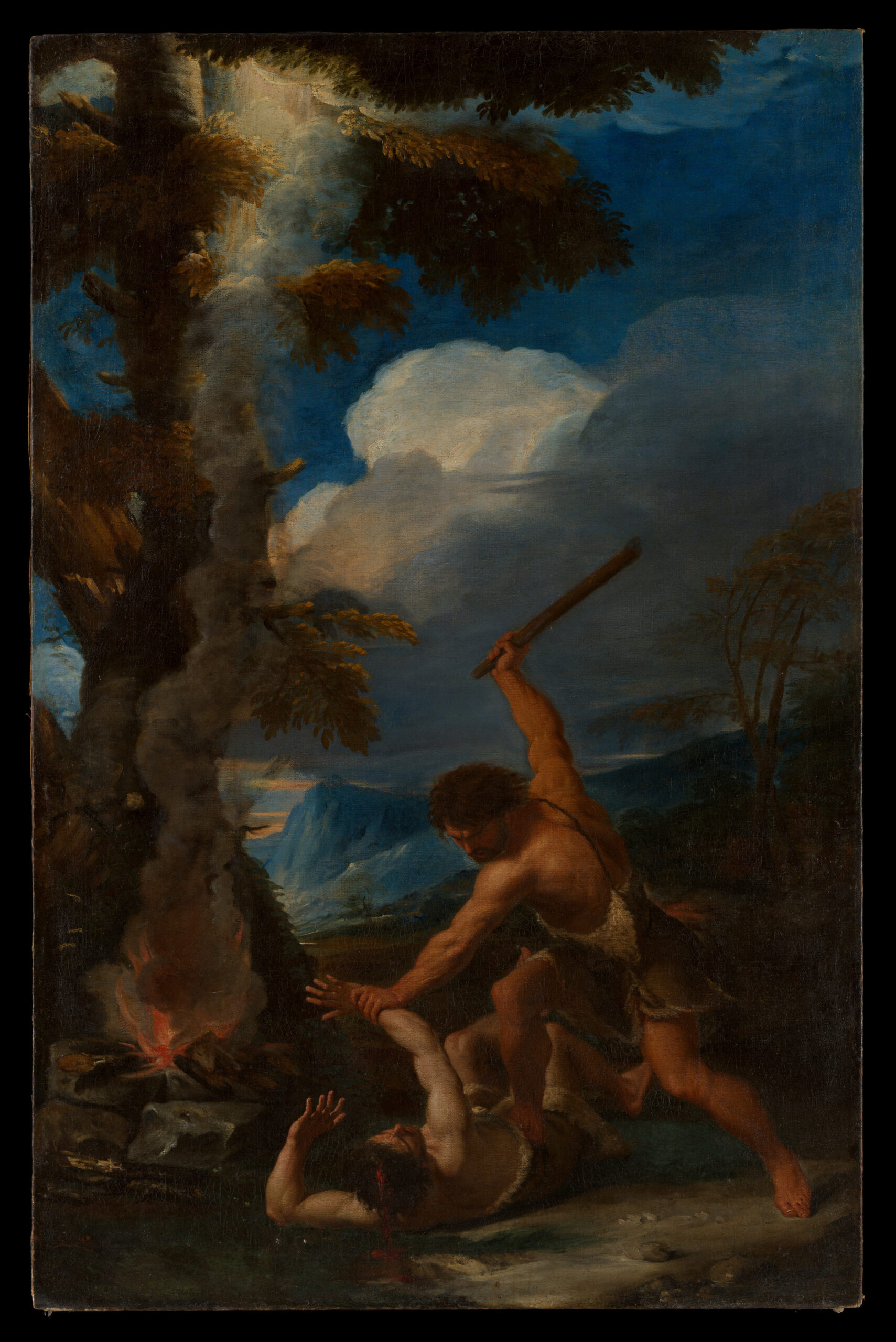
    The story of Cain and Abel may be the first example.

    The conflict is not between strangers.

    It is between brothers.

    The rival is uncomfortably close.

    The enemy resembles the self.

    The boundary exists.

    The similarity remains.

    The same pattern appears throughout mythology and literature.

    Captain Ahab hunts Moby Dick.

    At first the whale appears to be an adversary.

    A force of nature.

    A creature responsible for injury and loss.

    Yet as the story unfolds, something changes.

    The whale grows larger than a whale.

    It becomes obsession.

    Purpose.

    Identity.

    Ahab’s life narrows until hunter and hunted seem bound together.

    The whale becomes a mirror reflecting the fixation of the man pursuing it.

    The enemy absorbs the energy of the self.

    The same dynamic appears in modern mythology.

    Batman and the Joker oppose one another completely.

    Order and chaos.

    Control and unpredictability.

    Discipline and impulse.

    Yet each becomes increasingly defined by the existence of the other.

    Remove one and the other changes.

    The conflict becomes a relationship.

    The enemy helps stabilize the identity of the hero.

    Peter Pan and Captain Hook reveal another variation.

    One embodies youth.

    The other age.

    One embodies freedom.

    The other structure.

    One embodies possibility.

    The other limitation.

    Each carries qualities rejected by the other.

    The opposition becomes meaningful because both sides contain elements of the same larger story.

    The same pattern appears in Snow White.

    The mirror is present from the beginning.

    The Queen’s obsession is not truly Snow White.

    It is comparison.

    The young princess becomes the visible form of something the Queen cannot reconcile within herself.

    The conflict appears external.

    The source runs deeper.

    This does not mean enemies are imaginary.

    It does not mean all conflict is projection.

    Real disagreements exist.

    Real threats exist.

    Real dangers exist.

    The point is subtler.

    The emotional intensity surrounding an enemy often reveals more than the enemy alone.

    Something within the kingdom has become attached to the conflict.

    Something within the identity has become invested in the opposition.

    This is why enemies so often survive defeat.

    One rival disappears.

    Another immediately appears.

    One monster is slain.

    Another emerges.

    One ideology collapses.

    A replacement is quickly found.

    The structure persists even as the names change.

    The enemy performs a function.

    The enemy provides contrast.

    The enemy provides focus.

    The enemy provides certainty.

    Without an enemy, the kingdom is often forced to confront itself.

    This is where the idea of the shadow becomes useful.

    Traits rejected within a person often reappear in exaggerated form outside the person.

    Traits rejected within a group often reappear in exaggerated form outside the group.

    The enemy becomes a carrier.

    A messenger.

    A delivery system.

    The conflict reveals something the kingdom cannot easily examine on its own.

    The enemy becomes a mirror.

    Not because the enemy is identical to the self.

    Not because all differences disappear.

    Because the opposition reveals.

    The mirror does not create the image.

    The mirror makes the image visible.

    The same principle operates here.

    The enemy may be real.

    The disagreement may be real.

    The threat may be real.

    Yet the intensity of the reaction often points toward something additional.

    Something hidden.

    Something unexamined.

    Something waiting to be recognized.

    This is why the enemy never remains merely an enemy.

    The enemy becomes a symbol.

    A vessel.

    A reflection.

    A shadow.

    A mirror.

    The return begins when this possibility becomes visible.

    Not because all conflicts vanish.

    Not because all enemies become friends.

    Not because all differences dissolve.

    The return begins because the kingdom no longer mistakes the entire conflict for something wholly external.

    The mirror has appeared.

    The image can be seen.

    The enemy remains.

    Yet something changes.

    The opposition reveals.

    The shadow speaks.

    The kingdom learns something about itself.

    And for the first time, the wall separating self and enemy becomes a place of recognition rather than merely a line of battle.

  • The Meme as Modern Hieroglyph

    The Meme as Modern Hieroglyph

    Someone sends a meme.

    No explanation. No argument. No essay. Just an image, a caption, a face, a reference, a tiny symbolic object moving through the feed.

    And everyone understands.

    That is the strange power of the meme. It does not need to unfold itself slowly. It arrives already compressed. It carries a mood, a judgment, a social code, a wound, a joke, a mask, and sometimes an entire worldview in one little packet of image and text.

    A meme is not just funny because it is funny.

    A meme is funny because it recognizes something before language has to explain it.

    That is why memes matter in Geomytha. They are not beneath myth. They are the smallest working units of the mythic machine. They are not full myths in the old sense, with gods, underworlds, monsters, kings, and returns. They are myth-fragments. But in the screen age, fragments often travel farther than whole stories.

    The meme is the modern hieroglyph: image and language fused into a symbol the culture can instantly read.

    But there is a difference.

    A sacred symbol points beyond itself. A meme usually points back into circulation.

    That difference is everything.

    The word “meme” formally means something imitated, copied, repeated, mutated, and passed along. That alone already makes it powerful. A meme is cultural material that survives by replication. But Geomytha hears something else hidden in the sound:

    meme.

    Me-me.

    Not as etymology. As revelation.

    The meme is the self doubled back to itself. It is “me” seeing “me” through an image already circulating in the group. A person shares a meme and often says, without saying it:

    This is me.

    This is us.

    This is them.

    This is what the world feels like now.

    That is why the meme so easily becomes identity. It begins as recognition, but it does not always remain recognition. It asks to be worn.

    In Geomytha’s core grammar, the false self forms through the sentence: I am this. Pure being reflects as presence. Reflection is interrupted by claim. The claim hardens into identity. The self sees an image, grabs it, and says: this is what I am.

    The meme performs that movement at digital speed.

    A raw feeling appears: exhaustion, alienation, humiliation, grief, resentment, absurdity, nostalgia, lust, dread. That is the living material before the meme. Then someone reflects it into image and caption. The feeling becomes shareable. Then the claimant enters. The user says: yes, this is me. Or: yes, this is them. Or: yes, this is my side. Or: yes, this is why those people are ridiculous.

    The meme has moved from mirror to mask.

    Then from mask to weapon.

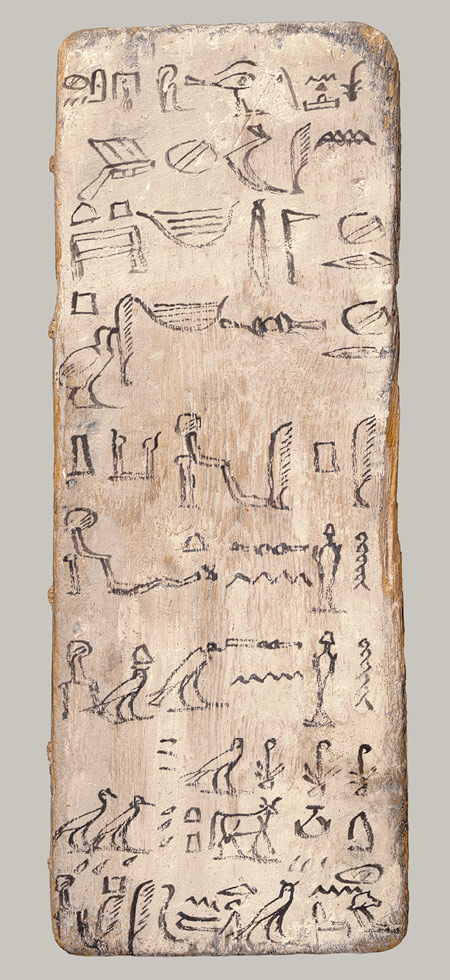
    Ancient hieroglyphs compressed image, sound, object, sacred function, and symbolic meaning. A bird could be a sound, a creature, a godly sign, a directional force, a soul-image. The image was not merely decoration. It was charged with function.

    Memes work in a degraded but structurally related way. A meme-face is never just a face. It carries a whole emotional grammar. The crying Wojak, the NPC, the Chad, the distracted boyfriend, the pointing Spider-Men, the reaction GIF, the celebrity expression frozen at the perfect moment — these are not just pictures. They are digital masks.

    The culture knows how to wear them.

    That is the key. A meme must be readable. It depends on shared symbolic fluency. If you do not know the code, the meme fails. If you do know the code, it lands instantly. Recognition happens before reflection. The body laughs before the mind has finished translating.

    This makes meme culture incredibly powerful and spiritually dangerous.

    Because the meme does not ask you to contemplate.

    It asks you to react.

    See image.
    Recognize code.
    Laugh.
    Share.
    Belong.
    Mock.
    Move on.

    That is not thought. It is ritualized reaction-speed.

    The feed becomes a liturgy of tiny identifications.

    In the old sacred world, an icon asked you to stop. A stained-glass window gathered light and slowed the eye. A carved figure, a temple wall, a ritual mask, a manuscript illumination — these images belonged to spaces of attention. They did not merely circulate. They were encountered.

    The meme belongs to a different world. It does not ask you to stand before it. It asks you to pass it on.

    That is why it is the perfect symbol of the screen age. The screen does not merely display images. It organizes attention through them. It trains the self to exist by reaction, presentation, reference, and legibility. To be online is often to be continually asked: Which symbols are yours? Which jokes do you understand? Which enemies do you mock? Which tribe reads the world the way you do?

    Memes answer those questions quickly.

    Too quickly.

    This is where the fourfold Geomytha engine becomes useful.

    Isis is the raw life beneath the meme. Before the image, before the caption, before the reaction, something real exists. People are tired. People are lonely. Work is absurd. Politics is degrading. Dating is strange. Childhood memory hurts. Technology feels inhuman. Everyone is laughing because everyone recognizes the wound.

    That raw field is Isis: the living ground before capture.

    But meme culture often hides Isis by converting experience into content too quickly. Instead of feeling grief, we post grief. Instead of speaking directly, we share a format. Instead of letting pain become known, we let pain become funny enough to circulate.

    The wound becomes content before it becomes wisdom.

    Osiris appears when the meme actually reflects something true. Some memes are not merely shallow jokes. Some are tiny mirrors. They expose hypocrisy. They name a social pattern. They show the absurdity of a workplace, a political lie, a consumer ritual, a fake spiritual pose, a family script, or a romantic delusion more cleanly than a paragraph ever could.

    That is the Osirian meme: the true fragment.

    It reflects reality.

    But Osiris is fragile in meme culture. A meme may begin as living reflection and then get swallowed by repetition. It becomes template. Then brand. Then corpse. Everyone repeats the form after the original charge is gone. The living reflection becomes a dead format people keep animating.

    Set is the main operating force of the meme.

    Set cuts.

    A meme cuts a face out of a film. It cuts a sentence out of context. It cuts a public figure into a clown-image. It cuts a political conflict into a symbol. It cuts an emotion into a caption. It cuts a whole person into a type.

    That cutting is what makes the meme travel.

    Depth slows things down. Context complicates. Ambiguity interferes with transmission. The meme survives by removing what cannot be instantly recognized. It preserves signal and discards the rest.

    This is why memes can become cruel so easily. The same compression that makes them funny makes them dangerous. A meme does not have to understand the person it uses. It only needs the person to function as a symbol.

    Set also rules irony.

    Meme culture often speaks by saying and not saying at the same time. “It is just a joke.” But also it means what it says. But also it does not. But also everyone knows it does. Irony becomes a shield for projection. It lets the user throw symbolic force into the field without taking full responsibility for the throw.

    That is Setian speech: divided, masked, sharp, unstable.

    Then Horus arrives.

    Horus is the meme-self.

    This happens when the meme is no longer simply funny, no longer simply revealing, no longer simply reflective. It becomes identity.

    The user begins to know himself through the images he shares. The profile becomes a wall of symbolic fragments. The self is assembled from references, aesthetics, reaction images, inside jokes, political codes, nostalgic shrines, fandom signals, and enemy-memes.

    This is not deep identity.

    It is rapid identity.

    It says: I am this joke. I am this reference. I am this side. I am this wound. I am this contempt. I am this knowing smirk.

    That is the danger. The meme appears light, but it teaches the self how to harden through images.

    Reaction memes are the simplest example. A person borrows a face to express a feeling. A stunned celebrity, a cartoon animal, a crying character, a movie still, a GIF. The meme gives emotion a mask. Used lightly, this is harmless and often delightful. But over time, a culture trained by reaction images may begin to know its own feelings through templates before it knows them directly.

    Absurdist memes do something stranger. Broken grammar, cursed images, surreal captions, impossible juxtapositions — these are the laughter of consciousness inside meaning-collapse. They are not meaningless. They are signs from a world where public meaning has already cracked. The absurd meme says: yes, the world is incoherent. Laugh inside the break.

    Wojak, NPC, Chad, and similar templates are even more obvious. They are crude digital archetypes. They reduce whole psychic types into repeatable masks: the anxious one, the empty conformist, the triumphant one, the resentful one, the enlightened one, the pathetic outsider. They are modern iconography for identity and contempt.

    Political memes are digital war-icons. They rarely argue. They crystallize. They turn leaders into saviors or clowns, opponents into demons or fools, institutions into monsters, movements into sacred bodies or diseased swarms. A political meme is not mainly trying to persuade the mind. It is trying to organize the nervous system around recognition and disgust.

    Nostalgia memes are softer, but not necessarily safer. They preserve fragments of lost time: old cartoons, dead malls, early internet, VHS texture, childhood snacks, obsolete devices, video games, school memories, vanished rooms. These memes are little Osiris-shrines. They gather broken time and let people mourn together.

    But nostalgia can also become a trap. The past becomes a symbolic homeland. The self does not remember; it moves into memory and lives there.

    Dark memes convert despair into shareable irony. They can release pressure. They can also normalize collapse. The danger is that the wound becomes a costume. The person no longer says, “I am hurting.” The person says, “My whole identity is this joke about hurting.”

    That is the moment Horus has claimed the wound.

    None of this means memes are simply bad. That would be too easy, and it would be false.

    Some memes genuinely reveal. Some are folk wisdom in digital form. Some expose propaganda. Some puncture inflated egos. Some name workplace alienation, family dysfunction, spiritual narcissism, consumer absurdity, political theater, and social hypocrisy with astonishing precision.

    A meme can be Osiris.

    A true fragment.

    But the question is what happens next.

    Does the meme return you to clearer seeing?

    Or does it make you more addicted to being the one who gets it?

    That is the test.

    Because a meme does not only show a pattern. It can recruit you into a pattern. It can give you a ready-made face, a ready-made enemy, a ready-made laugh, a ready-made wound, a ready-made superiority. It can make identity feel effortless because the symbol already exists. You only have to share it.

    That is why memes behave like spells.

    Not because they are supernatural in a childish sense. Because they arrange attention, emotion, identity, and social force through symbol. They bless insiders. They curse outsiders. They humiliate enemies. They recruit belonging. They hide grief inside irony. They turn anxiety into comedy. They make a group see the world in a particular way.

    A successful meme changes perception.

    That is magic in the screen age.

    But Geomytha does not ask us to flee the image. It asks us to read the image without becoming possessed by it.

    The practical movement is simple:

    Notice the meme before becoming it.

    Ask what real experience it compresses. Ask what identity it invites you to wear. Ask who it asks you to mock. Ask what wound hides under the joke. Ask whether it reveals reality or only accelerates reaction. Ask whether you are laughing freely or performing belonging.

    That pause matters.

    The pause is the return of Osiris before Horus can harden the image into self.

    A meme becomes useful when it reveals the pattern.

    A meme becomes dangerous when it becomes the self.

    So laugh when the joke is true. Share the symbol when it clarifies. Let the image reveal what the culture cannot say directly.

    But do not become the meme.

    Notice what it stirs.

    See what it reflects.

    And return before the image whispers the oldest false sentence in a new digital form:

    I am this.

  • How Horus Is Born Every Day

    How Horus Is Born Every Day

    Most people assume they wake up as themselves.

    The assumption feels obvious.

    After all, the same name remains.

    The same memories remain.

    The same responsibilities remain.

    The same face looks back from the mirror.

    Yet something strange happens every morning.

    For a brief moment, before the day fully arrives, the story has not completely returned.

    The obligations are not yet active.

    The plans are not yet active.

    The arguments are not yet active.

    The identity is not yet fully assembled.

    Then the kingdom begins rebuilding itself.

    The process is so familiar that it usually goes unnoticed.

    A phone lights up.

    Messages appear.

    Appointments appear.

    Responsibilities appear.

    The day begins calling the self back into existence.

    A name returns.

    A profession returns.

    A family role returns.

    A political identity returns.

    A personal history returns.

    One piece after another settles into place.

    The crown descends.

    The king returns.

    Ancient Egypt encoded this process through Horus.

    Horus is often remembered as a god, a king, or a falcon-headed ruler. Yet symbolically he can also be understood as something more immediate.

    A formed identity.

    A visible self.

    A story gathered into a center.

    In this sense, Horus is not merely a figure from the distant past.

    Horus is an event.

    A process.

    A recurring formation.

    The king is crowned again and again.

    Every morning the kingdom reassembles.

    The process begins with recognition.

    A person remembers their name.

    Then comes memory.

    Then comes preference.

    Then comes obligation.

    Then comes history.

    Soon the sentence has returned.

    I am this.

    The identity takes shape.

    The crown settles into place.

    Yet identity rarely remains alone.

    The next movement appears almost immediately.

    These are mine.

    My home.

    My family.

    My work.

    My goals.

    My worries.

    My achievements.

    My unfinished projects.

    The kingdom gathers its possessions.

    The borders begin extending outward.

    Then another movement appears.

    Those are not.

    Traffic becomes an obstacle.

    A rival appears.

    A political opponent appears.

    An opposing opinion appears.

    The outsider returns.

    The boundary reforms.

    The kingdom now knows where it ends.

    At least it believes it does.

    Soon the entire structure is operating again.

    The news returns.

    The economy returns.

    The nation returns.

    The social world returns.

    The complete system reappears.

    All this.

    The individual no longer inhabits a simple day.

    They inhabit a world.

    A story large enough to live inside.

    The remarkable thing is how quickly this reconstruction occurs.

    Within minutes of waking, an entire kingdom has been restored.

    Not because someone consciously planned it.

    Because the process has become automatic.

    The crown finds the head.

    The kingdom finds the king.

    The story finds the storyteller.

    This is why identity often feels permanent.

    The reconstruction happens so reliably that it becomes invisible.

    A person assumes the self simply exists.

    Yet daily experience suggests something more dynamic.

    Identity appears to be maintained continuously.

    Rebuilt continuously.

    Reaffirmed continuously.

    The king is crowned every day.

    Modern stories repeatedly return to this theme.

    In Groundhog Day, the same day appears again and again, exposing the repetitive structures that normally remain hidden.

    In The Truman Show, an entire world is reconstructed around a central identity.

    In Memento, memory itself becomes part of the machinery required to maintain a coherent self.

    Each story points toward the same mystery.

    How much of identity is discovered?

    How much is assembled?

    Ancient myths explored the same question through different symbols.

    Egypt used kings.

    Religion used souls.

    Literature used heroes.

    Modern life uses routines.

    The mechanism remains surprisingly similar.

    This does not mean identity is false.

    Nor does it mean identity must be destroyed.

    The point is not to eliminate the king.

    The point is to notice the coronation.

    Recognition changes the relationship.

    A person who notices the process is no longer completely absorbed by it.

    The role can still be played.

    The responsibilities can still be fulfilled.

    The kingdom can still function.

    Yet something subtle shifts.

    The crown becomes visible.

    The story becomes visible.

    The reconstruction becomes visible.

    The self is no longer mistaken for a permanent object.

    It becomes recognizable as an ongoing event.

    This is where the possibility of return begins.

    Not by rejecting identity.

    Not by abandoning responsibility.

    Not by escaping the world.

    By noticing.

    Every morning a reflection becomes a self.

    A self gathers possessions.

    Possessions create boundaries.

    Boundaries create a world.

    The entire kingdom returns.

    The process is so ordinary that it disappears into daily life.

    Yet perhaps that is why the ancient stories endure.

    They were never only describing gods.

    They were describing processes.

    The same processes unfolding within ordinary experience.

    The same coronation occurring every day.

    The same kingdom rebuilding itself every morning.

    And the same opportunity to notice it happening.

  • The Grammar of Geomytha

    The Grammar of Geomytha

    Before Geomytha becomes myth, it is grammar.

    Before it becomes Isis, Osiris, Set, Horus, Alice, the Minotaur, the moon, the swastika, the Black Sun, or the labyrinth, it begins with the smallest words:

    Is.
    Am.
    I.
    This.

    These are not exotic words. They are almost too ordinary to notice. They pass through the mouth without ceremony. They seem like simple tools of speech, the little hinges that let a sentence open.

    But Geomytha begins by slowing down at the hinge.

    Because the smallest words often carry the oldest machinery.

    A myth is not only a story about gods. A myth is what happens when consciousness dramatizes its own grammar. The gods come later. The monsters come later. The kingdoms, trials, serpents, fires, crowns, masks, mazes, and returns all come later.

    First, there is being.

    Then being is felt.

    Then a claimant appears.

    Then the claimant points.

    That is the beginning of the world.

    Is

    Is is being before ownership.

    Not my being.
    Not your being.
    Not this thing being here for me.
    Not the story of what being means.

    Just Is.

    Geomytha uses Is for the source-field: awareness before thought says mine, presence before the claimant appears, the fact of being before identity begins arranging furniture inside it.

    Is does not perform itself. It does not explain itself. It does not become more real because a self understands it. It is the ground before interpretation.

    This is why Is belongs to the deepest layer of Geomytha. It is not yet a person, role, wound, belief, body, history, or name. It is the silent fact that anything appears at all.

    The false self cannot create Is.

    It can only borrow from it.

    Am

    Am is being felt from within.

    In ordinary English, “am” usually belongs to “I.” We say, “I am.” The pronoun claims the verb so quickly that the body-field disappears beneath the speaker.

    Geomytha pauses before the claim.

    It isolates Am.

    Am is presence becoming intimate. It is being reflected in the body. It is breath, warmth, pulse, weight, sensation, water, moon, mirror, relationship. It is not yet ego. It is not yet identity. It is the simple feeling of existence before thought turns it into autobiography.

    Am is not separate from Is.

    Am is Is felt in the body.

    This matters because many spiritual errors begin by attacking embodiment, as if body were the trap. But in Geomytha, Am is not the trap. The body is not the enemy. Feeling is not the enemy. Reflection is not the enemy.

    The problem begins when Am is seized.

    The body breathes.
    A feeling rises.
    A memory appears.
    A wound speaks.
    A desire moves.

    Then the claimant enters and says:

    Mine.

    I

    I is the claimant.

    Again, this does not make I evil. I is necessary for speech, responsibility, choice, relationship, and navigation. Without I, no one can answer, apologize, decide, ask, cross the street, keep a promise, or write a sentence.

    But I is dangerous because it forgets it is a function.

    I begins as a grammatical convenience and becomes a throne.

    It says:

    I feel.
    I know.
    I want.
    I fear.
    I remember.
    I deserve.
    I was wronged.
    I am special.
    I am ruined.
    I am awake.
    I am chosen.
    I am beyond this.

    The problem is not that I appears. The problem is that I claims source.

    The claimant enters the field of Am and begins to possess what was only passing through.

    A feeling becomes my feeling.
    A wound becomes my wound.
    A thought becomes my truth.
    A role becomes my self.
    A symbol becomes my crown.

    This is the first theft.

    The jester does not steal the kingdom itself. He steals the crown and begins acting as though the crown created the kingdom.

    This

    Once I appears, it points.

    This.

    This body.
    This fear.
    This wound.
    This name.
    This role.
    This belief.
    This family.
    This nation.
    This religion.
    This insight.
    This awakening.
    This humiliation.
    This achievement.
    This story.

    “This” is the first object-world.

    It is the moment experience becomes something that can be named, held, defended, polished, mourned, sold, worshiped, or attacked. The world has now become demonstrative. The finger points, and the field becomes object.

    Again, this is not automatically bad.

    Without “this,” there is no cup to drink from, no door to open, no child to comfort, no wound to clean, no song to sing, no bread to break. The world needs form.

    The danger is fixation.

    Healthy grammar says:

    This is appearing.

    False grammar says:

    This is mine.

    The deeper falsehood says:

    This is me.

    And the deepest spell says:

    This is all there is.

    That is the birth of the false self.

    Not simply I.

    Not simply Am.

    Not simply body, thought, image, or world.

    The false self is the sentence:

    I am this.

    That sentence is the little idol at the center of the maze.

    These

    The false self never stops at one object.

    This becomes These.

    These achievements.
    These wounds.
    These beliefs.
    These memories.
    These clothes.
    These friends.
    These enemies.
    These symbols.
    These books.
    These titles.
    These followers.
    These scars.
    These explanations.
    These proofs that I am real.

    Here the world becomes plural. The mask rack fills. Identity begins collecting extensions of itself.

    At this stage, the self does not merely say:

    I am this.

    It says:

    These are mine.

    This is where culture, art, style, religion, politics, fandom, career, family, property, trauma, and personal mythology can all become masks. Not because they are false in themselves, but because I begins wearing them as evidence.

    These are my people.
    These are my ideas.
    These are my signs.
    These are my sacred objects.
    These are my reasons.
    These are my injuries.
    These are my credentials.
    These are my gods.

    Plurality is not the fall. Plurality is creation becoming rich.

    But when plurality is claimed, the masks multiply faster than the face can remember what it is.

    Those

    Then comes distance.

    Those.

    These are mine.
    Those are not.

    That is the beginning of projection.

    Those people.
    Those fools.
    Those sinners.
    Those elites.
    Those outsiders.
    Those enemies.
    Those monsters.
    Those unbelievers.
    Those asleep people.
    Those corrupted people.
    Those dangerous people.

    “Those” is one of the most powerful words in the fallen grammar because it lets the self place its own shadow at a distance.

    What I cannot bear in myself becomes those.

    What I fear becomes those.

    What I envy becomes those.

    What I secretly desire becomes those.

    What I have disowned becomes those.

    This is where myth begins making monsters.

    The dragon, the demon, the foreigner, the heretic, the witch, the beast, the tyrant, the scapegoat, the false king — all of them may contain real danger, but they also reveal the grammar of projection. The self survives by placing part of its own divided field outside the circle.

    These are mine.
    Those are not.

    That sentence builds borders in the soul before it builds them in the world.

    All This

    Eventually, the pieces gather into a totality.

    Not this.

    Not these.

    Not those.

    All this.

    All this life.
    All this suffering.
    All this history.
    All this identity.
    All this proof.
    All this machinery.
    All this religion.
    All this politics.
    All this entertainment.
    All this trauma.
    All this progress.
    All this collapse.
    All this world.

    All This is the totalized demonstrative field.

    It is the moment the symbolic structure stops looking symbolic and becomes reality itself. The fish no longer notices the water. The self no longer says, “I am inside an interpretation.” It says, “This is just how things are.”

    Here the mask becomes a machine.

    The private wound becomes a worldview.
    The worldview becomes a law.
    The law becomes a city.
    The city becomes an empire.
    The empire becomes common sense.
    Common sense becomes a prison.

    This is the labyrinth.

    Not a maze made of stone only, but a complete environment of meanings. Roles, enemies, memories, institutions, screens, rituals, slogans, clocks, feeds, obligations, and inherited fears all become one enclosing world.

    All This is not merely the world.

    It is the world as interpreted by the claimant.

    That is why All This can feel so heavy. It is not only experience. It is experience plus possession. Experience plus memory. Experience plus identity. Experience plus the story that it all means something about me.

    By the time consciousness reaches All This, it has forgotten the simplicity of Is.

    It does not remember that the entire construction depends on awareness.

    It thinks the construction is awareness.

    Return

    Return is different.

    Return is not another object. It is not another mask. It is not another sacred identity. It is not a better version of “I am this.”

    Return is the movement by which the claim relaxes.

    The world does not have to vanish. The body does not have to be hated. Language does not have to be destroyed. Thought does not have to be treated as sin. Culture does not have to be flattened into illusion. The cup can remain a cup. The child can remain a child. The wound can remain something that happened. The name can remain useful.

    What must die is the claim.

    Return says:

    This appeared.
    This was felt.
    This mattered.
    But this is not source.
    This is not the whole.
    This is not what I am.

    Return is the verb that releases the nouns.

    It is the movement from possession back to presence. From “I am this” back to Am. From Am back to Is.

    The false self fears Return because it hears annihilation. But Return does not destroy what is real. It destroys the lie that the passing form was ultimate.

    The body remains.

    The breath remains.

    The world remains.

    But the crown is taken off the jester.

    The Alphabet as a Small Myth

    Even the alphabet can be read as a miniature version of this drama.

    It begins at A, the first opening of sign. A is not pure Is itself — once a letter appears, manifestation has already begun — but A is the alphabet’s first gate, the first mark, the first breath of order.

    Then the alphabet moves toward M.

    M is the middle hum. The closed-mouth sound. The body-sound. The moon-sound. Mother, matter, memory, mirror, marine, mouth. M is where the alphabet seems to gather into Am.

    A begins.

    M receives.

    This is the First Fire: the warming of source into reflection, the formation of the vessel, the movement by which being becomes felt.

    Then comes the hinge.

    M → N.

    M hums. N crosses.

    The letter N introduces the diagonal. It is a crossing between uprights, a little lightning-strike after the middle. Symbolically, this is where Am is interrupted by I. The smooth field is crossed by claim.

    N is not yet the end. It is the first fracture.

    From N to Z, the named world expands. The claim makes objects. Objects multiply. Multiplicity becomes projection. Projection becomes system. The alphabet runs outward through the field of This, These, Those, and All This until it reaches Z.

    Z is the terminal zigzag.

    It looks like N exhausted, flattened, final. The crossing has gone as far as it can go. There is no next letter.

    But Z is not Return.

    Return is the silence after Z.

    That silence is where the Second Death Fire burns the false sequence. Not the fire that forms the vessel. Not the fire that gives body its first warmth. The Second Death Fire is the fire that exposes what cannot continue, the fire that burns false identity back into silence.

    Then A can begin again.

    Not as possession.

    As opening.

    The Practical Test

    Geomytha is not useful if it remains decorative.

    The test is ordinary.

    Throughout the day, watch the grammar of the false self forming in real time.

    Something happens.

    Before the self enters, it is simple:

    This happened.

    Then the claimant appears:

    This happened to me.

    Then identity forms:

    This means something about me.

    Then plurality gathers:

    These are the reasons I am right.

    Then projection begins:

    Those people are the problem.

    Then the world hardens:

    All this proves the story I already believe.

    That is the whole machine in miniature.

    The correction begins earlier than we think.

    Not by arguing with every thought. Not by building a better identity. Not by decorating the self with spiritual language. But by noticing the moment the claim attaches.

    Let this be this before I makes it me.

    Let the feeling be felt before it becomes a throne.

    Let the wound be honored before it becomes a kingdom.

    Let the thought pass before it becomes a god.

    Let Am return to Is.

    The world does not need to be destroyed.

    The claim does.

  • Meditation Is the Daily Scale

    Meditation Is the Daily Scale

    Most people meditate after the day has already taken them.

    After the phone.

    After the message.

    After the argument.

    After the email.

    After the traffic.

    After the first wound, the first desire, the first comparison, the first performance, the first small humiliation, the first private fantasy of revenge.

    By then, the self has already been assembled.

    It has put on its armor. It has found its role. It has remembered its grievances. It has checked the world’s weather and decided what kind of person it needs to be in response. The heart has already gathered weight.

    Meditation still helps then.

    But it is late.

    Geomytha reads meditation differently.

    Meditation is not merely relaxation. It is not productivity hygiene. It is not a spiritual accessory added to an already crowded day.

    Meditation is the daily scale.

    It is the act of placing consciousness back into measure before pressure becomes identity. It is the small morning judgment before the great accumulations begin. Not judgment as punishment. Not judgment as guilt. Judgment as proportion.

    The heart should be weighed before the world begins adding weight.

    That is why meditation works best in the morning.

    Not because the clock is magical.

    Because sequence matters.

    The Scale Before the Story

    The Papyrus of Ani gives the image clearly.

    The soul arrives before the scale. The heart is weighed against the feather of Maat. The person does not talk his way into balance. He does not win by explanation. He does not say, “Here is why I became heavy.” He does not produce a better self-description. He does not brand himself as pure.

    The heart is weighed.

    That is the entire severity of the image.

    The self always wants to narrate itself. It wants to explain. It wants to justify. It wants to say, “I had no choice,” “I meant well,” “This is who I am,” “This is what happened to me,” “This is why I carry this.”

    The scale does not argue.

    It measures.

    That is Libra.

    Not Libra as charm. Not Libra as indecision. Not Libra as taste, diplomacy, or social grace. Libra as the function that asks whether the self has remained in right relation.

    Meditation is that function brought into daily life.

    It places the heart on the scale before the heart becomes too certain of its own story.

    Thought arises.

    The scale notices.

    Desire arises.

    The scale notices.

    Fear arises.

    The scale notices.

    Memory arises.

    The scale notices.

    The practice is not to destroy these things. It is not to become blank, holy, detached, or superior. It is to see what has weight before the weight becomes “me.”

    That is why meditation belongs to Libra.

    It weighs the self before the self can crown itself.

    Why Morning Matters

    Morning is the cleanest time because Horus has not fully assembled yet.

    The identity-self is not absent, but it is softer. The role has not fully locked in. The social face has not been performed. The phone has not delivered the world’s demands. The screen has not handed the mind its first object of worship or panic. The day has not yet recruited the body into its machinery.

    There is a threshold there.

    Sleep has loosened the hard edge of identity. Dreams have dissolved the ordinary self into images, fragments, fears, absurdities, and half-remembered truths. Then waking begins to gather the person again. Name, body, room, time, obligation, memory, problem, plan.

    The self returns.

    Morning meditation sits at that threshold.

    It meets consciousness before the day finishes building its defendant.

    That is why the ideal time is simple:

    Immediately after waking, before checking the phone, before speaking if possible, before food if comfortable, and before the world begins telling you who you are.

    This is not about purity. It is about order.

    First measure.

    Then world.

    First awareness.

    Then role.

    First scale.

    Then story.

    If the world gets the first word, the self forms around reaction. If awareness gets the first word, the day begins under measure.

    The Phone as the False First Altar

    The ordinary modern ritual is brutal.

    Wake up.

    Reach for the phone.

    Receive the feed.

    Before the body has found itself, before the breath has settled, before the heart has been weighed, the world enters. Messages. Notifications. News. Outrage. Desire. Image. Memory. Performance. Other people’s lives. Other people’s emergencies. Other people’s projections.

    The phone gives the self a world before the self has found measure.

    This is Gemini without Libra: signal without scale.

    Everything arrives as information. But not all information deserves entrance. Not every signal deserves the first attention of the day. Not every message is worthy of becoming the atmosphere in which identity forms.

    The feed does not merely inform.

    It recruits.

    It tells the nervous system what to fear, what to want, what to compare, what to perform, what to defend, what to envy, what to resent, what to become.

    That is why phone-before-meditation is not neutral.

    It places the self inside image before presence has returned to itself.

    Morning meditation reverses the order.

    Not because the phone is evil in itself. Not because the world should be avoided. But because the world should not be allowed to assemble the self before the heart has been weighed.

    The first altar matters.

    Do not give it to the feed.

    Ten Minutes Minimum, Twenty Minutes Ideal

    The practice does not need to be heroic.

    In fact, heroic meditation is often another ego project.

    The clean rule is:

    Ten minutes minimum. Twenty minutes ideal. Thirty minutes maximum unless the practice remains humble, clear, and grounded.

    Ten minutes is enough to interrupt the drift.

    It creates a break in the machinery. It tells the day that consciousness will not be handed over immediately. It gives the heart a moment on the scale.

    Twenty minutes is better.

    Twenty minutes allows the first layer of noise to settle. The obvious thoughts burn off. The surface agitation becomes visible. The deeper weight begins to show itself. The same thought returns. The same fear repeats. The same desire reaches again. The same injury asks to become identity.

    Now the scale can do its work.

    Not by crushing the thought.

    By seeing it.

    Thirty minutes can be useful, but it should be handled carefully. The point is not duration as achievement. The point is proportion. Meditation can become performance very easily. The ego can turn even silence into a trophy.

    “I meditate for an hour.”

    Fine.

    But who is saying that?

    The scale must weigh even the practice.

    For most people, twenty minutes daily is the strongest balance point: long enough to matter, short enough to remain livable, humble, repeatable, and non-theatrical.

    A small daily scale is better than a dramatic weekly purge.

    Balance Is Not Achieved Once

    Balance is not a possession.

    It is a return.

    That is the Libra principle.

    The heart gathers weight every day. Thought adds weight. Desire adds weight. Fear adds weight. Resentment adds weight. Image adds weight. Ambition adds weight. Memory adds weight. Injury adds weight. Fantasy adds weight. Even insight can add weight when it becomes identity.

    This is why meditation should be daily.

    Not because missing a day is failure.

    Because imbalance accumulates quietly.

    Aries becomes compulsion.

    Taurus becomes inertia.

    Gemini becomes noise.

    Cancer becomes enclosure.

    Leo becomes performance.

    Virgo becomes control.

    Scorpio becomes obsession.

    Ophiuchus becomes repression.

    Sagittarius becomes doctrine.

    Capricorn becomes burden.

    Aquarius becomes abstraction.

    Pisces becomes collapse.

    None of this happens all at once. The self rarely becomes heavy in a single dramatic moment. It thickens gradually. It gathers reasons. It gathers wounds. It gathers habits. It gathers roles. It gathers righteous explanations for why it must remain exactly as it is.

    Daily meditation catches the drift.

    It asks, before the day hardens:

    What is already heavy?

    What am I already defending?

    What thought is pretending to be truth?

    What fear is pretending to be prophecy?

    What wound is preparing to become doctrine?

    What image is asking to become self?

    That is not relaxation.

    That is discernment.

    What Meditation Weighs

    Meditation does not weigh only obvious stress.

    It weighs subtler things.

    It weighs the thought that wants to become identity.

    It weighs the wound that wants to become worldview.

    It weighs the desire that wants to become command.

    It weighs the fear that wants to become prophecy.

    It weighs the memory that wants to become destiny.

    It weighs the image that wants to become self.

    It weighs the plan that wants to become reality.

    It weighs the resentment that wants to become justice.

    It weighs the spiritual insight that wants to become superiority.

    This is why meditation is not passive.

    It may look like sitting still, but inwardly it is severe. It is the refusal to let every arising object become king. It is the refusal to let thought seize the throne simply because it speaks first.

    In Geomytha, this is the daily interruption of Horus.

    Horus is the time-bound self, the identity that gathers memory, role, fear, desire, image, and narrative into the sentence “I am this.” Meditation does not need to attack Horus. That would only create another struggle-self.

    Meditation simply watches the construction.

    A thought appears.

    The self reaches for it.

    Meditation notices.

    A wound appears.

    The self begins building a courtroom around it.

    Meditation notices.

    A desire appears.

    The self starts calling it necessity.

    Meditation notices.

    That noticing is the first measure.

    Morning First, Evening Second

    Morning is primary.

    Evening is useful.

    They do different work.

    Morning meditation weighs the heart before identity hardens. Evening meditation releases what the day collected.

    Morning asks:

    What is trying to become me before the day begins?

    Evening asks:

    What did I pick up today that is not mine to carry?

    Morning is formative.

    Evening is corrective.

    Morning prevents.

    Evening clears.

    A strong rhythm is simple:

    Twenty minutes in the morning. Ten minutes at night when needed.

    The evening practice should be lighter. It belongs more to Release than Balance. Let the day unwind. Let the arguments leave the body. Let the images lose authority. Let the unfinished conversations stop rehearsing themselves in the mind.

    But do not wait until evening to begin.

    By then, the self may already be deep inside its costume.

    Morning is the cleaner gate.

    The Danger of Spiritual Balance

    Meditation can distort.

    Everything can.

    Balance can become performance. Calm can become costume. Stillness can become superiority. Practice can become identity. A person can meditate every morning and quietly become proud of being “balanced.”

    That is not balance.

    That is Horus wearing linen.

    The point of meditation is not to become the kind of person who meditates. The point is to see through the person who needs to become something.

    This matters because the ego can turn any practice into a mirror.

    It can turn silence into branding.

    It can turn discipline into judgment.

    It can turn peace into avoidance.

    It can turn non-reaction into cowardice.

    It can turn detachment into emotional deadness.

    It can turn “balance” into refusal to tell the truth.

    That is Libra’s distortion: the scale as image rather than measure.

    Real meditation does not make you look balanced.

    It reveals where you are not.

    That is more useful.

    And more dangerous.

    Because the false self would rather appear calm than be weighed.

    A Simple Daily Protocol

    The practice should be plain.

    Wake up.

    Do not check the phone.

    Sit upright.

    Set a timer for ten to twenty minutes.

    Feel the body.

    Feel the breath.

    Let thoughts arise.

    Do not argue with them.

    Do not follow them.

    Do not suppress them.

    Notice them.

    Return to the body.

    Return to the breath.

    Return to the simple fact of being aware.

    When the timer ends, ask one question:

    What is heavy today?

    Do not over-answer it.

    Just notice.

    That is enough.

    The point is not to produce a mystical experience. The point is to begin the day in right relation. Some mornings will feel clear. Some will feel restless. Some will feel dull. Some will feel irritated. Some will feel like nothing happened.

    Good.

    The scale still worked.

    The scale does not need drama.

    It only needs honesty.

    Why It Works Best Before the Day Builds a Self

    The ideal meditation time is early morning because the day has not yet persuaded consciousness to become someone.

    That is the whole secret.

    Before the phone, the image-self is weaker.

    Before speech, the social-self is weaker.

    Before work, the role-self is weaker.

    Before conflict, the defensive-self is weaker.

    Before appetite, the grasping-self is weaker.

    Before performance, the visible-self is weaker.

    This does not mean those selves are evil. They are functions. They help navigate the world. But when they appear before awareness has found measure, they become rulers.

    Meditation puts them back in relation.

    It says:

    You may speak, but you are not the source.

    You may work, but you are not the self.

    You may plan, but you are not reality.

    You may feel pain, but you are not the wound.

    You may carry memory, but you are not the past.

    You may appear in the world, but you are not the image.

    This is why morning meditation is not an escape from life.

    It is preparation to enter life without being immediately possessed by it.

    The Heart Returns to the Scale

    The day will still happen.

    The phone will still ring. The messages will come. The work will wait. The body will want things. The world will irritate, tempt, wound, flatter, pressure, and distract. The self will still assemble. Horus will still try to rule the field.

    But the morning scale changes the order.

    The self does not get the first word.

    Awareness does.

    That is enough to alter the whole day.

    Not perfectly. Not magically. Not as a guarantee of serenity. But as a shift in sovereignty.

    Meditation works best before the day builds a self because the first measure matters. Before identity argues, before desire commands, before fear prophesies, before resentment becomes justice, before the wound becomes doctrine, the heart sits quietly on the scale.

    And for a few minutes, nothing has to be defended.

    Nothing has to be performed.

    Nothing has to be explained.

    The heart is simply weighed.

    That is the daily Libra practice:

    the breath returns to the body,
    the heart returns to the scale,
    and consciousness remembers proportion before pressure becomes identity.