Someone sends a meme.
No explanation. No argument. No essay. Just an image, a caption, a face, a reference, a tiny symbolic object moving through the feed.
And everyone understands.
That is the strange power of the meme. It does not need to unfold itself slowly. It arrives already compressed. It carries a mood, a judgment, a social code, a wound, a joke, a mask, and sometimes an entire worldview in one little packet of image and text.
A meme is not just funny because it is funny.
A meme is funny because it recognizes something before language has to explain it.
That is why memes matter in Geomytha. They are not beneath myth. They are the smallest working units of the mythic machineGEOMYTHA readingMythic MachineA mythic machine is a medium or system that repeatedly produces, distributes, and normalizes archetypal narratives at scale.Read full entry →. They are not full myths in the old sense, with gods, underworlds, monsters, kings, and returns. They are myth-fragments. But in the screen age, fragments often travel farther than whole stories.
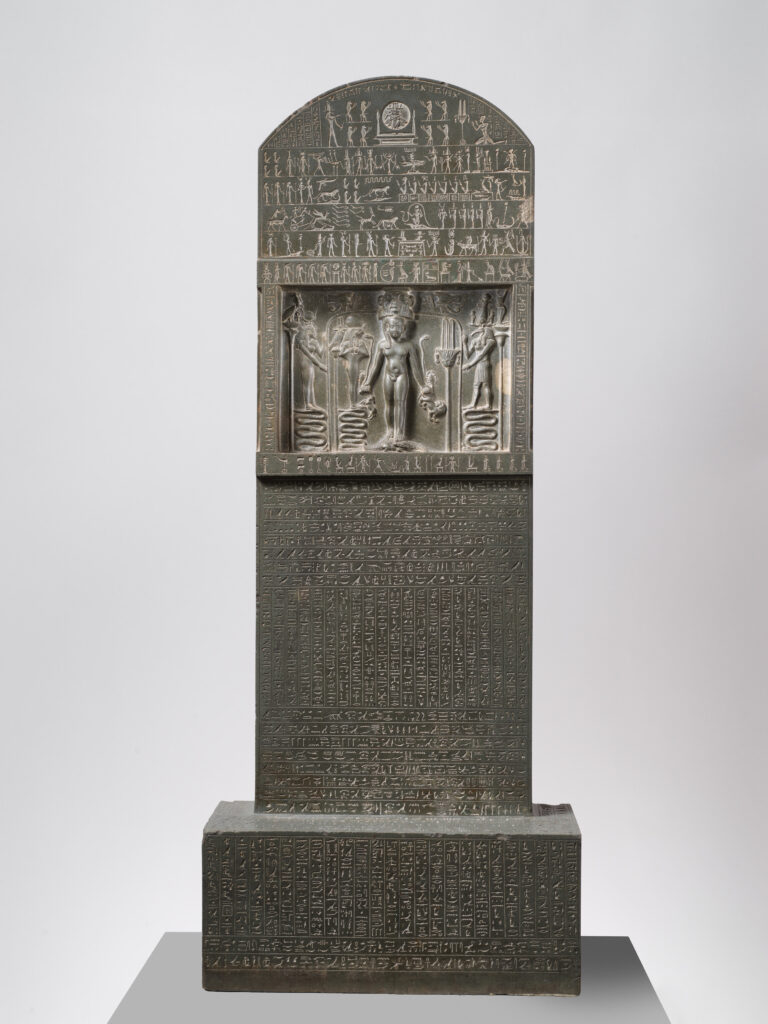
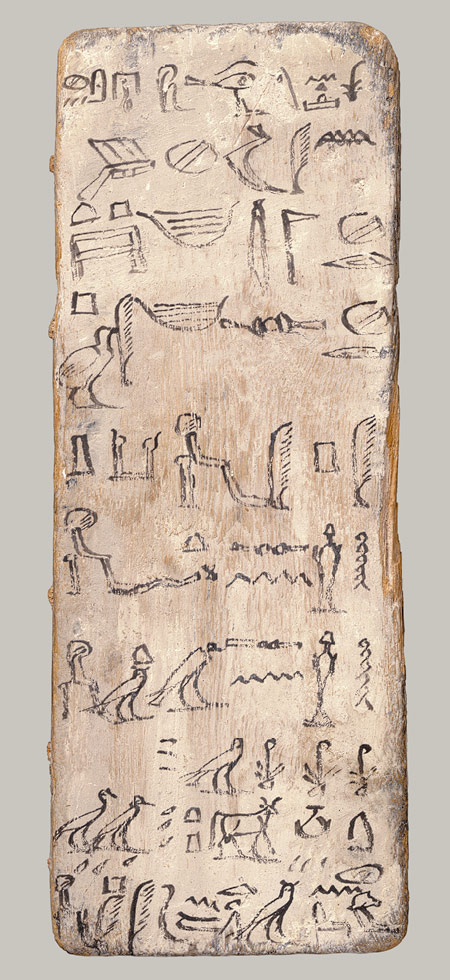
The meme is the modern hieroglyph: image and language fused into a symbol the culture can instantly read.
But there is a difference.
A sacred symbol points beyond itself. A meme usually points back into circulation.
That difference is everything.
The word “meme” formally means something imitated, copied, repeated, mutated, and passed along. That alone already makes it powerful. A meme is cultural material that survives by replication. But Geomytha hears something else hidden in the sound:
meme.
Me-me.
Not as etymology. As revelation.
The meme is the self doubled back to itself. It is “me” seeing “me” through an image already circulating in the group. A person shares a meme and often says, without saying it:
This is me.
This is us.
This is them.
This is what the world feels like now.
That is why the meme so easily becomes identity. It begins as recognition, but it does not always remain recognition. It asks to be worn.
In Geomytha’s core grammar, the false self forms through the sentence: I am thisGEOMYTHA readingThe False-Self Sentence — I Am ThisThe false-self sentence forms when claim joins reflection to a fixed object of identity: I am this.Read full entry →. Pure being reflects as presence. Reflection is interrupted by claim. The claim hardens into identity. The self sees an image, grabs it, and says: this is what I am.
The meme performs that movement at digital speed.
A raw feeling appears: exhaustion, alienation, humiliation, grief, resentment, absurdity, nostalgia, lust, dread. That is the living material before the meme. Then someone reflects it into image and caption. The feeling becomes shareable. Then the claimant enters. The user says: yes, this is me. Or: yes, this is them. Or: yes, this is my side. Or: yes, this is why those people are ridiculous.
The meme has moved from mirror to mask.
Then from mask to weapon.
Ancient hieroglyphs compressed image, sound, object, sacred function, and symbolic meaning. A bird could be a sound, a creature, a godly sign, a directional force, a soul-image. The image was not merely decoration. It was charged with function.
Memes work in a degraded but structurally related way. A meme-face is never just a face. It carries a whole emotional grammar. The crying Wojak, the NPC, the Chad, the distracted boyfriend, the pointing Spider-Men, the reaction GIF, the celebrity expression frozen at the perfect moment — these are not just pictures. They are digital masks.
The culture knows how to wear them.
That is the key. A meme must be readable. It depends on shared symbolic fluency. If you do not know the code, the meme fails. If you do know the code, it lands instantly. Recognition happens before reflection. The body laughs before the mind has finished translating.
This makes meme culture incredibly powerful and spiritually dangerous.
Because the meme does not ask you to contemplate.
It asks you to react.
See image.
Recognize code.
Laugh.
Share.
Belong.
Mock.
Move on.
That is not thought. It is ritualized reaction-speed.
The feed becomes a liturgy of tiny identifications.
In the old sacred world, an icon asked you to stop. A stained-glass window gathered light and slowed the eye. A carved figure, a temple wall, a ritual mask, a manuscript illumination — these images belonged to spaces of attention. They did not merely circulate. They were encountered.
The meme belongs to a different world. It does not ask you to stand before it. It asks you to pass it on.
That is why it is the perfect symbol of the screen age. The screen does not merely display images. It organizes attention through them. It trains the self to exist by reaction, presentation, reference, and legibility. To be online is often to be continually asked: Which symbols are yours? Which jokes do you understand? Which enemies do you mock? Which tribe reads the world the way you do?
Memes answer those questions quickly.
Too quickly.
This is where the fourfold Geomytha engine becomes useful.
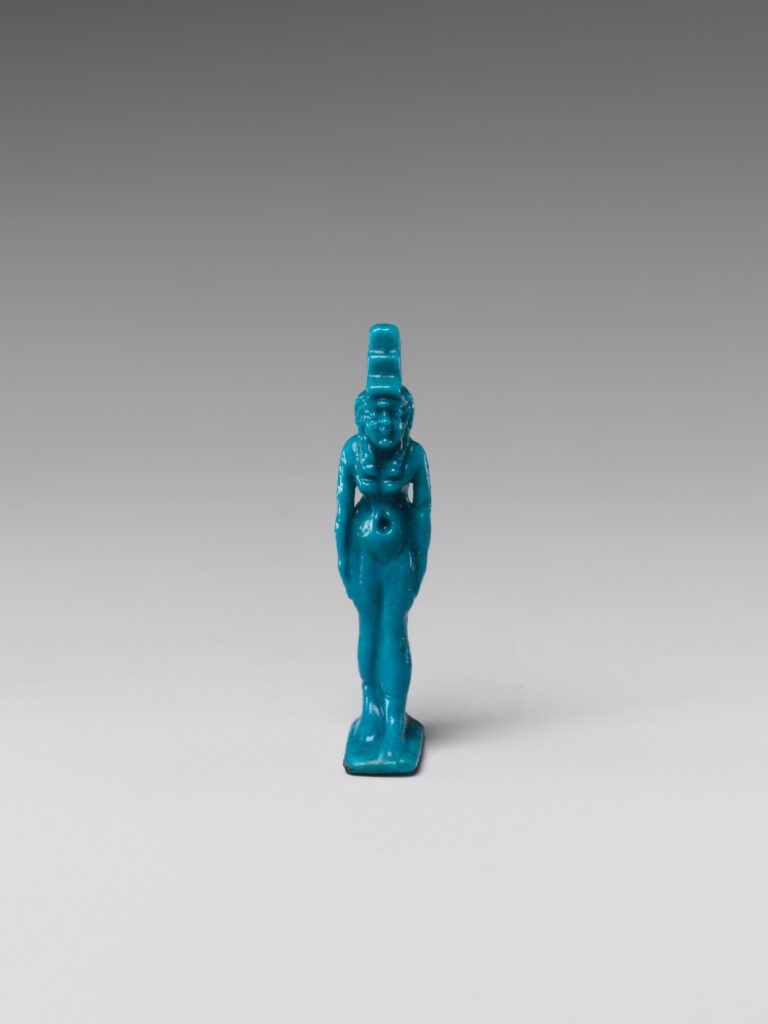
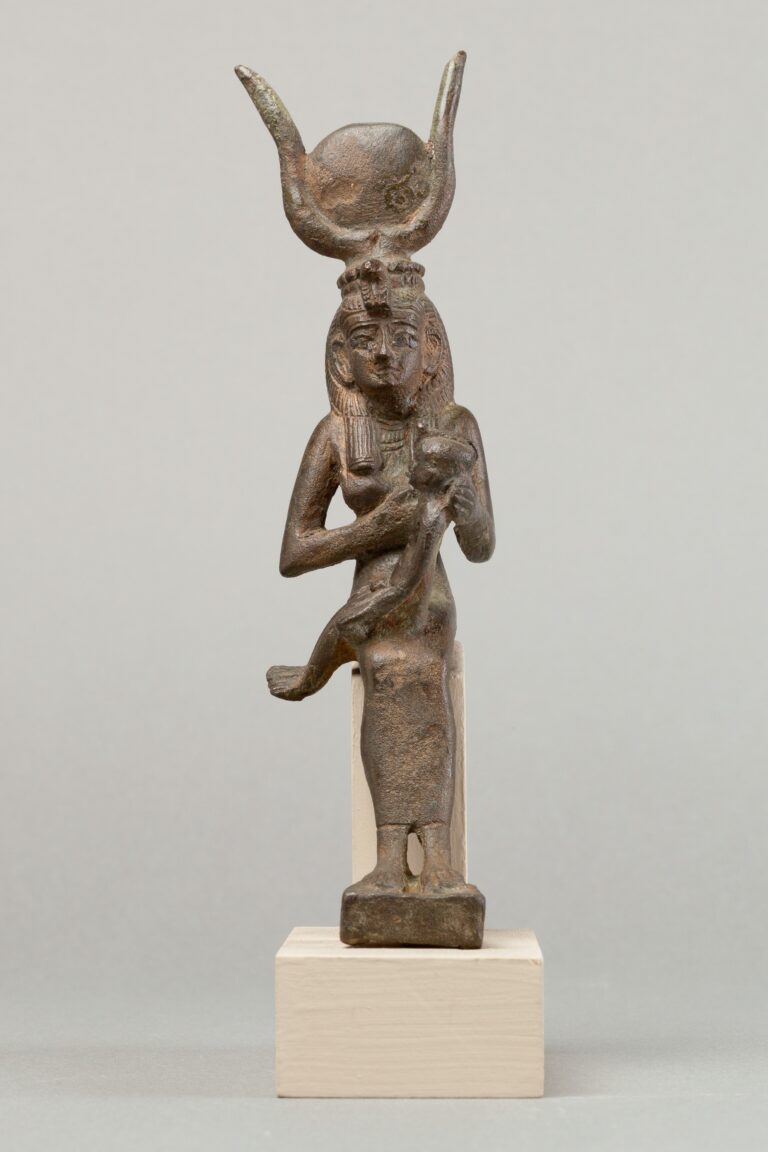
IsisGEOMYTHA readingIsisWithin GEOMYTHA, Isis names Is: unclaimed awareness or the source field before possession. This is the project’s interpretive use, not an exhaustive definition of the Egyptian goddess.Read full entry → is the raw life beneath the meme. Before the image, before the caption, before the reaction, something real exists. People are tired. People are lonely. Work is absurd. Politics is degrading. Dating is strange. Childhood memory hurts. Technology feels inhuman. Everyone is laughing because everyone recognizes the wound.
That raw field is Isis: the living ground before capture.
But meme culture often hides Isis by converting experience into content too quickly. Instead of feeling grief, we post grief. Instead of speaking directly, we share a format. Instead of letting pain become known, we let pain become funny enough to circulate.
The wound becomes content before it becomes wisdom.
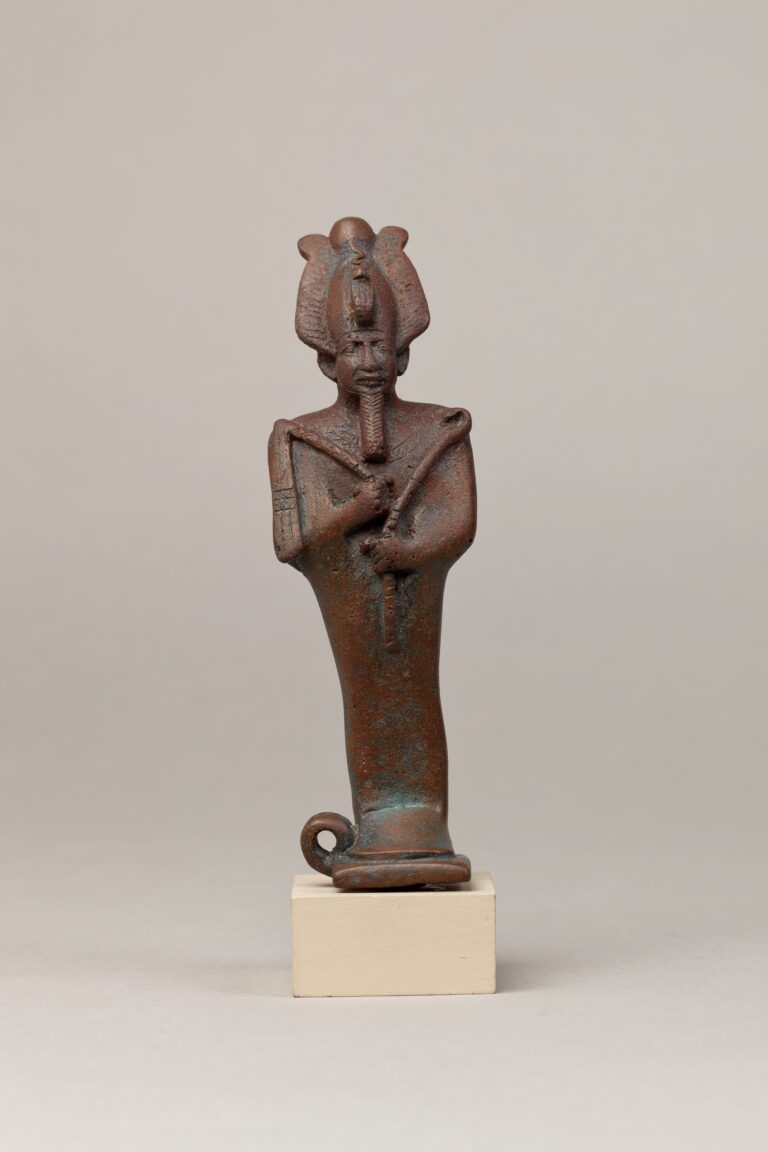
OsirisGEOMYTHA readingOsirisWithin GEOMYTHA, Osiris names Am: reflected, embodied presence before ownership. This is the project’s interpretive use, distinct from the Egyptian deity’s historical roles.Read full entry → appears when the meme actually reflects something true. Some memes are not merely shallow jokes. Some are tiny mirrors. They expose hypocrisy. They name a social pattern. They show the absurdity of a workplace, a political lie, a consumer ritual, a fake spiritual pose, a family script, or a romantic delusion more cleanly than a paragraph ever could.
That is the Osirian meme: the true fragment.
It reflects reality.
But Osiris is fragile in meme culture. A meme may begin as living reflection and then get swallowed by repetition. It becomes template. Then brand. Then corpse. Everyone repeats the form after the original charge is gone. The living reflection becomes a dead format people keep animating.
Set is the main operating force of the meme.
Set cuts.
A meme cuts a face out of a film. It cuts a sentence out of context. It cuts a public figure into a clown-image. It cuts a political conflict into a symbol. It cuts an emotion into a caption. It cuts a whole person into a type.
That cutting is what makes the meme travel.
Depth slows things down. Context complicates. Ambiguity interferes with transmission. The meme survives by removing what cannot be instantly recognized. It preserves signal and discards the rest.
This is why memes can become cruel so easily. The same compression that makes them funny makes them dangerous. A meme does not have to understand the person it uses. It only needs the person to function as a symbol.
Set also rules irony.
Meme culture often speaks by saying and not saying at the same time. “It is just a joke.” But also it means what it says. But also it does not. But also everyone knows it does. Irony becomes a shield for projection. It lets the user throw symbolic force into the field without taking full responsibility for the throw.
That is Setian speech: divided, masked, sharp, unstable.
Then HorusGEOMYTHA readingHorusWithin GEOMYTHA, Horus the Son names This: the body, role, image or story claimed as identity. Horus the Elder / Haroeris is distinct and carries the watcher or witnessing function, not This. These are interpretive correspondences, not universal Egyptian definitions.Read full entry → arrives.
Horus is the meme-self.
This happens when the meme is no longer simply funny, no longer simply revealing, no longer simply reflective. It becomes identity.
The user begins to know himself through the images he shares. The profile becomes a wall of symbolic fragments. The self is assembled from references, aesthetics, reaction images, inside jokes, political codes, nostalgic shrines, fandom signals, and enemy-memes.
This is not deep identity.
It is rapid identity.
It says: I am this joke. I am this reference. I am this side. I am this wound. I am this contempt. I am this knowing smirk.
That is the danger. The meme appears light, but it teaches the self how to harden through images.
Reaction memes are the simplest example. A person borrows a face to express a feeling. A stunned celebrity, a cartoon animal, a crying character, a movie still, a GIF. The meme gives emotion a mask. Used lightly, this is harmless and often delightful. But over time, a culture trained by reaction images may begin to know its own feelings through templates before it knows them directly.
Absurdist memes do something stranger. Broken grammar, cursed images, surreal captions, impossible juxtapositions — these are the laughter of consciousness inside meaning-collapse. They are not meaningless. They are signs from a world where public meaning has already cracked. The absurd meme says: yes, the world is incoherent. Laugh inside the break.
Wojak, NPC, Chad, and similar templates are even more obvious. They are crude digital archetypes. They reduce whole psychic types into repeatable masks: the anxious one, the empty conformist, the triumphant one, the resentful one, the enlightened one, the pathetic outsider. They are modern iconography for identity and contempt.
Political memes are digital war-icons. They rarely argue. They crystallize. They turn leaders into saviors or clowns, opponents into demons or fools, institutions into monsters, movements into sacred bodies or diseased swarms. A political meme is not mainly trying to persuade the mind. It is trying to organize the nervous system around recognition and disgust.
Nostalgia memes are softer, but not necessarily safer. They preserve fragments of lost time: old cartoons, dead malls, early internet, VHS texture, childhood snacks, obsolete devices, video games, school memories, vanished rooms. These memes are little Osiris-shrines. They gather broken time and let people mourn together.
But nostalgia can also become a trap. The past becomes a symbolic homeland. The self does not remember; it moves into memory and lives there.
Dark memes convert despair into shareable irony. They can release pressure. They can also normalize collapse. The danger is that the wound becomes a costume. The person no longer says, “I am hurting.” The person says, “My whole identity is this joke about hurting.”
That is the moment Horus has claimed the wound.
None of this means memes are simply bad. That would be too easy, and it would be false.
Some memes genuinely reveal. Some are folk wisdom in digital form. Some expose propaganda. Some puncture inflated egos. Some name workplace alienation, family dysfunction, spiritual narcissism, consumer absurdity, political theater, and social hypocrisy with astonishing precision.
A meme can be Osiris.
A true fragment.
But the question is what happens next.
Does the meme return you to clearer seeing?
Or does it make you more addicted to being the one who gets it?
That is the test.
Because a meme does not only show a pattern. It can recruit you into a pattern. It can give you a ready-made face, a ready-made enemy, a ready-made laugh, a ready-made wound, a ready-made superiority. It can make identity feel effortless because the symbol already exists. You only have to share it.
That is why memes behave like spells.
Not because they are supernatural in a childish sense. Because they arrange attention, emotion, identity, and social force through symbol. They bless insiders. They curse outsiders. They humiliate enemies. They recruit belonging. They hide grief inside irony. They turn anxiety into comedy. They make a group see the world in a particular way.
A successful meme changes perception.
That is magic in the screen age.
But Geomytha does not ask us to flee the image. It asks us to read the image without becoming possessed by it.
The practical movement is simple:
Notice the meme before becoming it.
Ask what real experience it compresses. Ask what identity it invites you to wear. Ask who it asks you to mock. Ask what wound hides under the joke. Ask whether it reveals reality or only accelerates reaction. Ask whether you are laughing freely or performing belonging.
That pause matters.
The pause is the return of Osiris before Horus can harden the image into self.
A meme becomes useful when it reveals the pattern.
A meme becomes dangerous when it becomes the self.
So laugh when the joke is true. Share the symbol when it clarifies. Let the image reveal what the culture cannot say directly.
But do not become the meme.
Notice what it stirs.
See what it reflects.
And return before the image whispers the oldest false sentence in a new digital form:
I am this.