How the last three churches reveal the dead persona, the brotherly-heart “open door,” and the complacent ego, through the Geomytha lens.
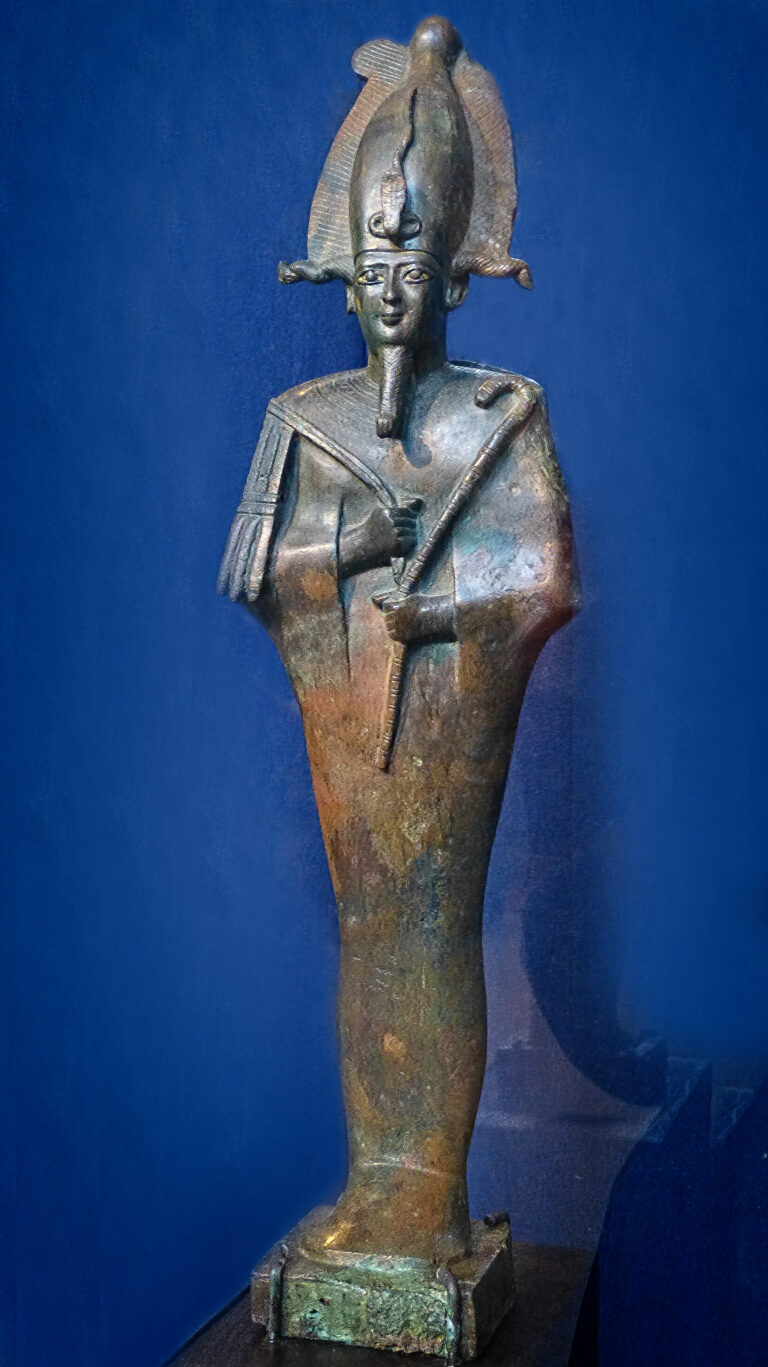
RevelationRevelation — Book of RevelationThe final book of the Christian New Testament, also called the Apocalypse of John.Read full entry → 2 walked us through four inner “churches” – four centers of consciousness – that mirror the old brother dramas: Cain and Abel, Jacob and Esau, Joseph and his brothers, OsirisOsirisIn Geomytha, Osiris names reflected presence: Am — awareness reflected as living consciousness without yet becoming ownership.Read full entry → and SetSetIn Geomytha, Set names the claimant: I — the interruption by which reflection is taken as mine and converted toward ownership.Read full entry →.
Revelation 3 finishes the audit.
We meet Sardis, Philadelphia, and Laodicea.
In the usual reading, they are communities in Asia Minor.
In Geomytha, they are three more “brothers” inside you:
Sardis – the spiritually-branded persona: looks alive, is actually dead.
Philadelphia – literally “brotherly love”: the small, sincere heart-center that remains an open door for awareness.
Laodicea – the wealthy, self-satisfied ego: not cold enough to wake up, not hot enough to transform.
Underneath each letter, the same archetypal field is present:
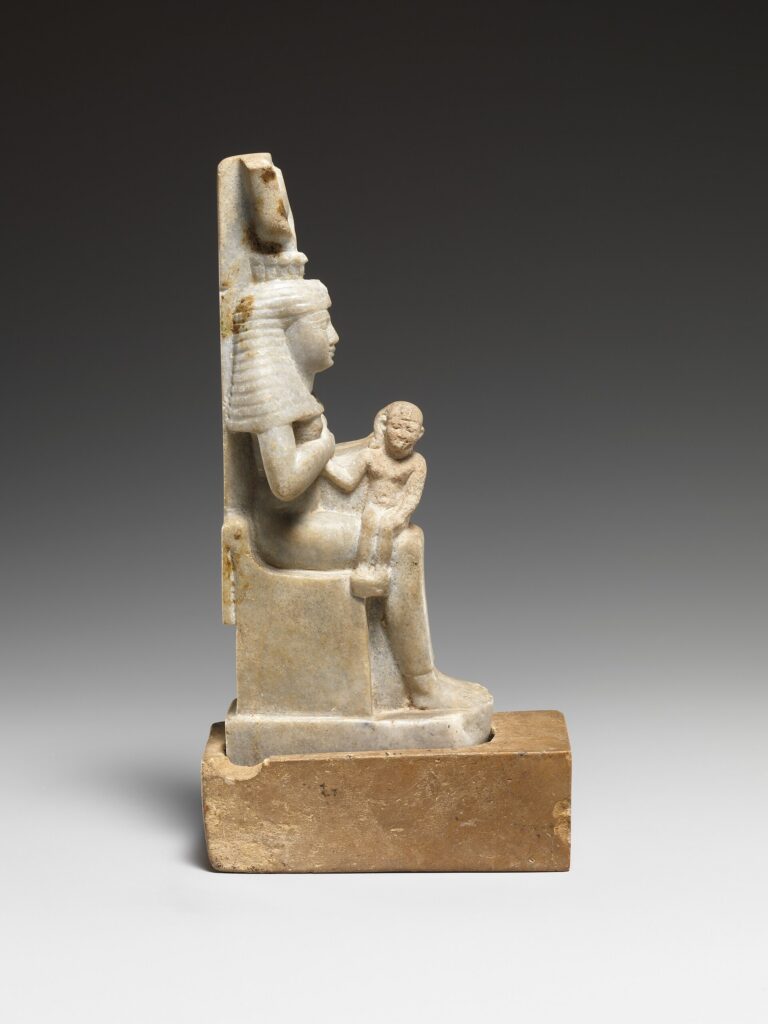
IsisIsisIn Geomytha, Isis names the unclaimed field: Is — pure being, awareness before possession, and the ground before the claimant appears.Read full entry → – simple awareness.
Osiris – reflective consciousness.
Set – solar imagination and systems.
HorusHorusIn Geomytha, Horus names the identity that forms after claim: This — the body, role, image, wound, belief, or story taken as what the self is.Read full entry → – the “I” that tries to survive and succeed inside thoseThose — ProjectionThose names projection: enemies, outsiders, competitors, threats, and disowned qualities placed beyond the identity boundary.Read full entry → systems.
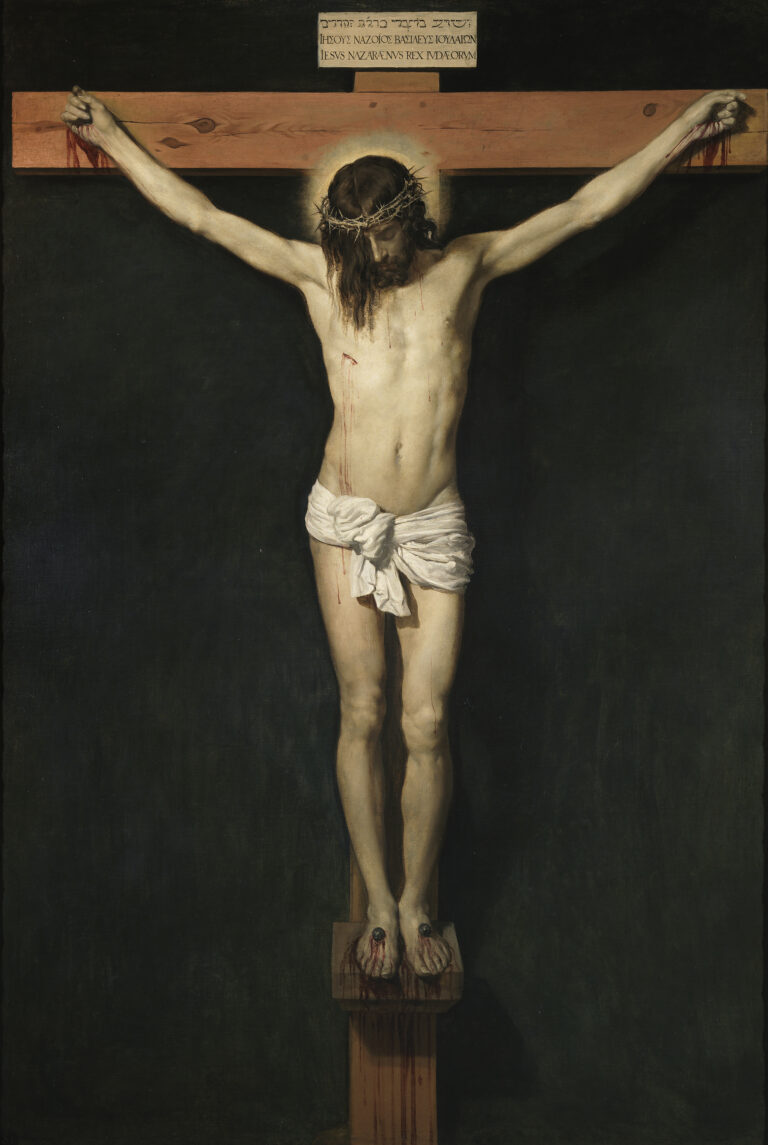
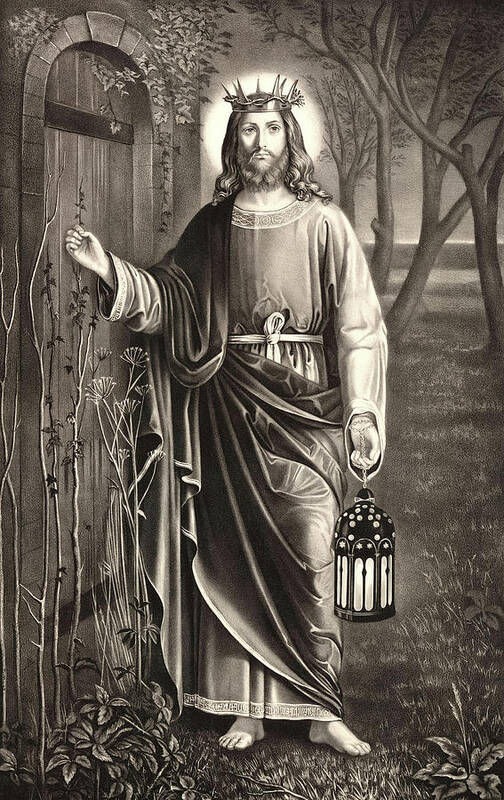
Revelation 3 is the solar ChristChristJesus Christ as the central figure of Christianity. Matthew 27 depicts the soldiers' mock coronation with a robe and crown of thorns before crucifixion; Philippians 2 describes Christ humbling himself and becoming…Read full entry → walking through theseThese — AccumulationThese names accumulation: possessions, titles, achievements, beliefs, communities, and other extensions gathered around identity.Read full entry → three rooms and speaking to each in turn.
Sardis: A Name That Lives, But Dead Inside
“I know your works. You have the reputation of being alive, but you are dead.” (Rev 3:1)
Sardis is the part of you that:
has a spiritual reputation,
carries a name that says “alive,”
but has allowed its inner life to go numb.
This is the spiritual persona: the version of Horus that has learned all the correct language and markers of being “awake,” while quietly disconnecting from Isis.
In the Geomytha field, Sardis is:
Osiris reduced to a logo: a set of phrases, doctrines, or insights it can repeat;
Isis pushed to the background, no longer felt;
Set running the entire performance: how you appear, what community you belong to, which side you’re on;
Horus carefully maintaining the image that “I am alive.”
This matches the “whitewashed tombs” pattern Jesus calls out in the gospels: clean, impressive exterior; dead interior.
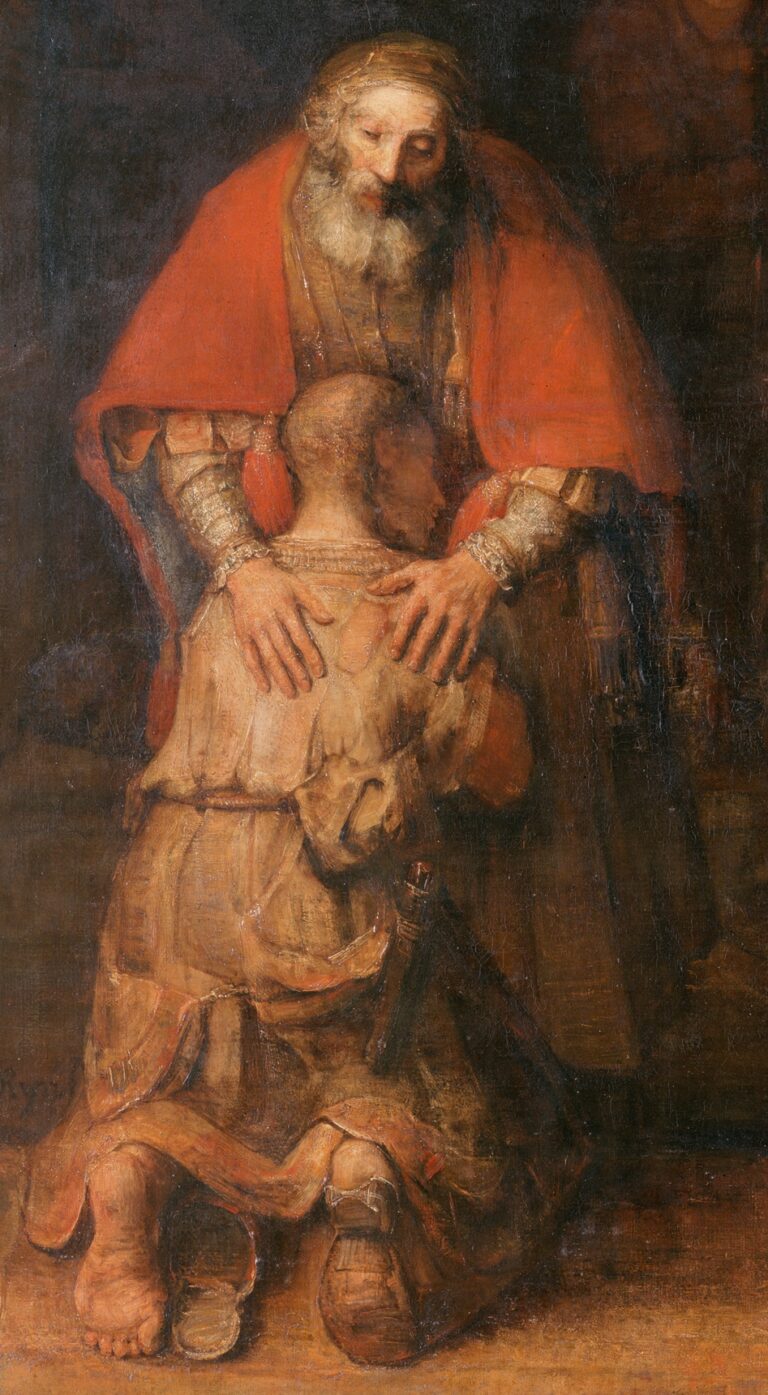
It also echoes a brother-type you see in the parable of the Prodigal SonProdigal Son — Luke 15The Prodigal Son is the younger son in Luke 15:11–32 who asks for his share of the estate, leaves for a distant country, spends what he has, falls into need, comes to…Read full entry →:
The older brother never leaves home, never squanders his inheritance, and appears faithful.
But when the prodigal returns, the older brother’s heart is exposed: resentful, joyless, more servant than son.
Sardis is that older brother energy in religious or spiritual form. It has:
stayed “inside the house,”
built a life around being faithful,
but stopped actually enjoying the Father’s presence.
The message to Sardis is blunt:
“Wake up, and strengthen what remains and is about to die… Remember, then, what you received and heard; keep it, and repent.” (Rev 3:2–3)
Geomytha translation:
There is still a tiny pilot light of Isis/Osiris in this center.
“Wake up” = feel again. Stop being spiritual on paper only.
“Remember what you received” = recall the moments when awareness was real, not branded.
The promise to “a few people in Sardis who have not soiled their garments” points to a small core inside the persona that never fully agreed to the performance. That core can be strengthened.
Philadelphia: Brotherly Love and the Open Door No One Can Shut
“I know that you have but little power,
and yet you have kept my word and have not denied my name.
Behold, I have set before you an open door, which no one is able to shut.” (Rev 3:8)
Philadelphia literally means “brotherly love.”
That etymology is not a throwaway detail; it aligns almost perfectly with its role in the Geomytha mapping.
Philadelphia is the small, sincere heart-center in you that:
has “little power” by worldly metrics,
is not impressive by Sardis standards,
but has remained quietly faithful to something real.
This is the place where Isis and Osiris are still in conversation. Presence and reflectionAm — ReflectionAm names reflected presence: awareness embodied or mirrored without yet becoming ownership.Read full entry → are not constantly fighting. There is an instinctive sense that:
“My brother is not my enemy.”
In the old brother myths:
When Jacob and Esau reconcile in Genesis 33, years of trickery and threat dissolve into an unexpected embrace.
When Joseph reveals himself to his brothers in EgyptEgyptAncient Egyptian cultural and mythic field referenced by the essay.Read full entry →, he weeps and says, “You meant it for evil, but God meant it for good.”
When the older brother in the prodigal story is invited into the celebration, he faces the choice between competition and shared joy.
Philadelphia is that reconciled brother field inside you:
A place where inner “siblings” – survival, heart, intuition, intellect – do not have to defeat one another to exist.
An area where you have experienced the possibility of love without a winner and loser.
No other church receives a promise like this:
“I have set before you an open door, which no one is able to shut.”
Through the Geomytha lens, that “open door” is:
a stable passageway between your conditioned inner system and direct awareness;
a simple, repeating access-point where Isis can be felt and Osiris can reflect without being immediately seized by Set.
Philadelphia is “weak” in the eyes of Set’s world:
It’s not rich,
not influential,
not marked by numbers and spectacle.
But because it has “kept my word and not denied my name,” it holds a kind of authority that cannot be externally revoked. No one can shut the door that awareness itself has opened in your heart.
This is why, in a Geomytha reading of Revelation, Philadelphia is so important:
Sardis and Laodicea show two ways the system calcifies.
Philadelphia is the quiet exception: the brother who did not fully sell out.
It is the place in you where:
you have loved without needing to win,
forgiven without a grand narrative,
and sensed that your brother’s healing did not diminish you.
That is brotherly love in the most literal sense.
Laodicea: Lukewarm, Rich, and Blind
“I know your works: you are neither cold nor hot.
Would that you were either cold or hot!
So, because you are lukewarm… I will spit you out of my mouth.” (Rev 3:15–16)
If Sardis is the dead persona, Laodicea is the comfortably numb ego.
This center:
is materially or socially secure: “You say, I am rich, I have prospered, and I need nothing.”
sees no urgent reason to change.
has managed to avoid the extremes of outright rejection (“cold”) or burning devotion (“hot”).
In other words, Laodicea has optimized life inside Set’s world. The solar imagination has provided:
a decent identityThis — IdentityThis names the formed identity: the body, role, image, wound, belief, or story claimed as what the self is.Read full entry →,
acceptable comforts,
enough distraction,
and an internal narrative that says, “I’m fine.”
From the Geomytha perspective:
Isis is nearly forgotten; awareness is occasionally acknowledged, rarely prioritized.
Osiris reflects mostly in the service of self-maintenance: “How am I doing? Am I okay?”
Set is thriving: the person is fully integrated into the economy of status, comfort, and distraction.
Horus is content: “I see no problem here.”
The indictment is sharp:
“You do not realize that you are wretched, pitiable, poor, blind, and naked.” (Rev 3:17)
Laodicea is dangerous precisely because nothing looks obviously wrong. Unlike Smyrna, there is no outward tribulation to force depth. Unlike Sardis, there isn’t even the drive to appear especially holy.
If Sardis echoes the older brother outside the party, Laodicea echoes something like Esau selling his birthright for a bowl of stew:
Esau is not a villain; he is hungry.
He undervalues his inheritance because the immediate need feels more real.
He trades something invisible and long-term for something visible and short-term.
Laodicea has done that trade on a whole-life scale:
It has accepted a comfortable bowl of “enough” in exchange for the living inheritance of direct awareness.
It has mistaken being undisturbed for being truly alive.
The remedy is not sentimental:
“I counsel you to buy from me gold refined by fire… white garments… salve to anoint your eyes, so that you may see.” (Rev 3:18)
“Gold refined by fire” – value that has passed through real loss, real challenge, real ego-death.
“White garments” – identity not constructed out of status or shame.
“Eye salve” – the ability to see one’s own condition clearly.
And then, the most intimate image in the chapter:
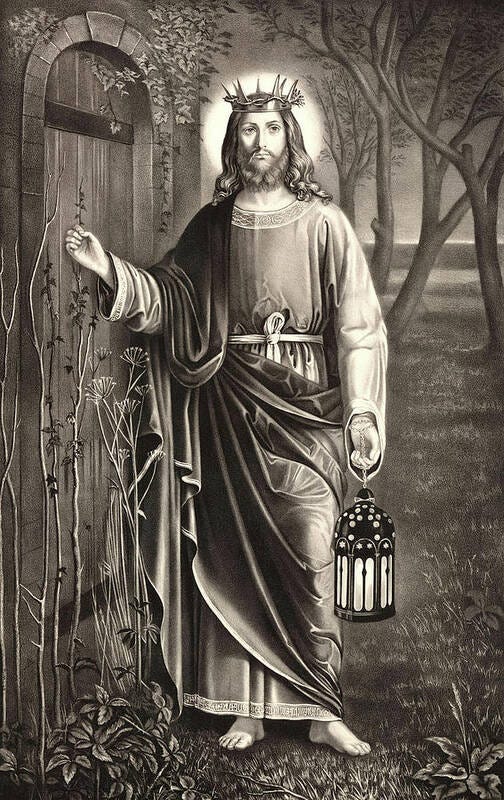
“Behold, I stand at the door and knock…” (Rev 3:20)
Even here, with the most complacent of the churches, the solar Christ does not storm the house. He knocks.
There is, even in Laodicea, a door that can be opened from the inside – a faint echo of Philadelphia’s open door, but now on the Laodicean side of the wall.
Three Final Churches, Three Inner Positions
Sardis, Philadelphia, and Laodicea describe three final positions consciousness can take inside Set’s world:
Sardis – The Sleeping Self
A strong spiritual/religious identity with a hollow core.
“A name that you live, but you are dead.”
Needs to wake up and remember first-hand life.
Philadelphia – The Brotherly-Heart Open Door
Small, sincere, and not very impressive outwardly.
Holds an open passage between your conditioned system and direct awareness.
Brotherly love instead of brother rivalry; the field where Jacob can embrace Esau, Joseph can forgive his brothers, and inner parts stop needing to win.
Laodicea – The Lukewarm Crown
Comfortable, prosperous, and self-sufficient.
Cannot feel why change would matter.
Needs to be shocked into seeing its poverty in the very middle of abundance.
In Geomytha terms:
Isis calls through all three letters as the deeper presence they have lost.
Osiris is being invited to stop reflecting only what Set wants to see and to reflect reality as it is.
Set is being exposed: as spiritual branding in Sardis, as subtle cynicism around Philadelphia, as complacent comfort in Laodicea.
Horus is being asked to choose: stay asleep, stay lukewarm, or step through the door in Philadelphia and risk real transformation.
Revelation 3 completes the audit of the seven churches. From here, the text will move into seals, trumpets, beasts, and BabylonBabylon — Ancient City / Symbolic EmpireAncient Mesopotamian city and later biblical/apocalyptic symbol of imperial world-order.Read full entry → — the large-scale structures of Set’s world and how they collapse.
But those visions rest on this foundation:
Every apocalypse is personal first.
The seven churches are seven inner positions.
And in the middle of them, there is always at least one Philadelphia –
a small, brotherly-hearted door no system can fully shut.
X: @mythicgeometry · Substack: Geomytha Noir · YouTube: Geomytha · Instagram: @mythicgeometry · TikTok: @Geomytha · Patreon: GeomythaNoir