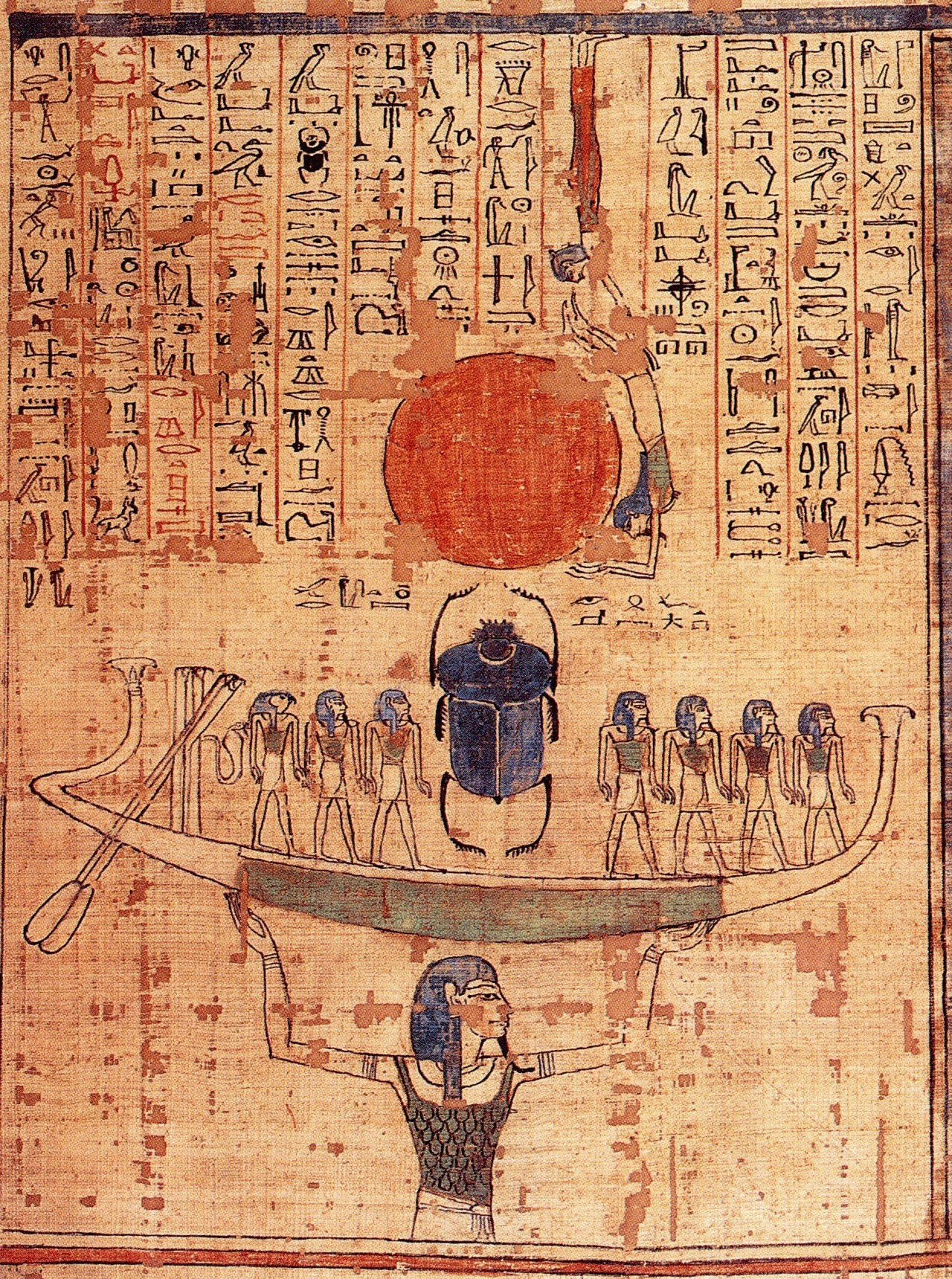
Not every fire from heaven is holy.
That is the warning.
Revelation does not only fear darkness. It fears a light that looks convincing enough to gather worship. It fears a miracle performed in public view, a spectacle powerful enough to seize the heart before discernment has time to breathe.
The beast does not merely crawl out of shadow.
It performs signs.
It calls fire down.
It makes wonder visible.
And through wonder, it teaches the crowd to worship the image.
That is the terrible precision of Revelation’s beast-fire. It is not the absence of light. It is light turned toward the image. It is fire that appears heavenly but does not return the witness to source. It captures attention, manipulates feeling, and converts astonishment into allegiance.
The most dangerous false fire does not look false.
It looks like revelation.
Beast-Fire Is Fallen First Fire
There are two essential fires in Geomytha.
First Fire is source appearing as reflection.
Is becomes Am.
The invisible becomes felt. Presence enters form. Breath fills the body. Flame appears in the bush. Life enters the vessel without being owned.
Second Fire is reflection returning to source.
Am gives itself back to Is.
The breath exhales. The moon wanes. The day is put down. The image releases the claim. What appeared returns without needing to continue as identity.
Beast-fire is neither of these in pure form.
It is fallen First Fire.
It is the flame after the claimant has seized it and staged it for the crowd. It still looks luminous. It still produces awe. It may even look like proof. But its movement is wrong.
It does not open the witness.
It binds the witness.
It does not make the ground holy.
It makes the image powerful.
Beast-fire is what happens when the miracle does not return attention to source, but fastens attention to the spectacle.
The Fire Is Public
Revelation’s detail matters.
The fire comes down in sight of people.
It is not a hidden flame in the wilderness. It is not the quiet fire of the Burning Bush, where Moses is stopped, corrected, and told to remove his sandals. It is not intimate fire. It is not fire that strips ownership before speech begins.
It is public fire.
It needs spectators.
That is the point.
Beast-fire requires an audience because its real fuel is attention.
A miracle alone is not enough. The spectacle has to be seen, repeated, feared, admired, argued over, circulated, and believed. The fire descends where the crowd can gather around it and form a shared image of power.
This is how false fire works.
It does not simply burn matter.
It burns through the nervous system.
It lights up awe, panic, hope, dread, belonging, and submission. It makes people feel that they are standing before something undeniable. Then, while the heart is open, the image is installed.
The miracle is bait.
The image is the hook.
Lamb-Horns and Dragon-Speech
The second beast is not obvious at first.
That is why the image is so exact.
It has horns like a lamb.
But it speaks like a dragon.
The surface borrows innocence. The voice reveals domination.
This is one of Revelation’s sharpest symbolic warnings: false fire does not usually present itself as pure monstrosity. It comes wrapped in gentleness, legitimacy, familiarity, safety, even sacred appearance. It looks close enough to the lamb to pass through the heart’s defenses.
Then it speaks.
And the speech gives it away.
The voice commands, pressures, organizes worship, directs attention, and uses the sign to deepen allegiance to the image.
False fire rarely announces itself as false.
It borrows the face of innocence and speaks with the grammar of domination.
That is why discernment cannot stop at appearance. A thing may look gentle and still organize the heart toward captivity. A sign may look miraculous and still make the witness less free.
The question is not only:
Did fire appear?
The question is:
What did the fire ask you to love?
From Wonder to Worship
Wonder is vulnerable.
It opens the heart quickly. It softens skepticism. It gathers the senses around one bright event. It makes the ordinary world seem interrupted by something larger.
That is why wonder is sacred.
And that is why it can be used.
Revelation’s beast-fire does not stop at wonder. It moves wonder toward worship. The sign produces awe. Awe produces belief. Belief strengthens the image. The image gathers devotion. Devotion becomes identity.
The sequence is clean:
Wonder. Attention. Belief. Image. Worship. Identity.
This is how false miracles become worlds.
The fire does not need to last very long. A moment of spectacle can create a structure of allegiance that outlives the flame. Once the image has been charged, people carry it internally. They defend it, fear it, repeat it, and organize themselves around it.
The fire falls once.
The image keeps burning.
Elijah Fire and Beast-Fire
Not all fire from heaven is beast-fire.
That must be clear.
In the Elijah story, fire descends to expose false worship. The fire does not create a new idol. It ends the contest. It reveals the living God over against the empty performance of the false prophets.
That fire returns the witness to source.
Beast-fire imitates the form and reverses the function.
Elijah fire ends the idol.
Beast-fire animates it.
That is the distinction.
The difference is not whether the fire comes from above. The difference is what the fire does to attention once it arrives. True fire breaks the spell of false worship. Beast-fire deepens the spell.
True fire says:
Look through.
Beast-fire says:
Look here.
True fire empties the idol.
Beast-fire charges the idol.
True fire makes the witness more honest.
Beast-fire makes the witness more captured.
So the test is never spectacle alone.
The test is direction.
Where does the wonder send the heart?
Pentecost and Distributed Flame
Pentecost gives another contrast.
Fire appears, but it does not gather into one giant image demanding worship. It descends as distributed flame. Tongues of fire rest on many. Speech opens. Presence moves through persons without becoming the property of a single spectacle-object.
This matters.
Pentecost fire does not build one image for everyone to worship.
It distributes flame so the image cannot monopolize source.
That is the opposite of beast-fire.
Beast-fire centralizes attention. Pentecost distributes presence.
Beast-fire turns the crowd toward an image. Pentecost lets speech carry presence outward.
Beast-fire makes wonder into hierarchy. Pentecost makes fire communal without making it owned.
This does not mean every public religious experience is pure. Any symbol can be seized. Any flame can be claimed. Even Pentecost can be turned into identity if the claimant says, “This fire proves us.”
But in the symbol itself, the direction is different.
The fire does not create one throne.
It breaks the monopoly of the image.
Prometheus and the Broadcast Flame
Prometheus steals fire.
The beast learns how to broadcast it.
That is the next step.
Prometheus brings stolen fire into the human field: technique, craft, tool, engine, calculation, civilization, instrument, power. In that myth, the flame is transferred from divine order into human use.
Beast-fire is what happens when stolen fire becomes public persuasion.
The fire is no longer merely used.
It is staged.
It is not just a tool.
It is a sign.
It does not simply heat the hearth or forge the metal. It captures the crowd, charges the image, and trains the public nervous system to worship what appears powerful.
Prometheus is the theft.
Beast-fire is the media event.
This is why modern spectacle feels so apocalyptic. Humanity does not merely possess tools now. It possesses the means to make fire visible everywhere at once. Screens, feeds, headlines, demonstrations, launches, collapses, explosions, simulations, miracles of code, artificial voices, synthetic images, crisis footage, endless public reaction.
The broadcast flame has become normal.
The crowd now carries the spectacle in its pocket.
Luciferic Light and the Public Self
Luciferic fire is light identified with the bearer.
It says:
Look what I carry.
Beast-fire goes further.
It says:
Now worship the image that carries it.
This is how public identity becomes sacred theater. The brilliant person, the miracle worker, the charismatic leader, the chosen platform, the genius founder, the revolutionary hero, the enlightened teacher, the viral prophet, the machine that answers back — each can become a bearer of charged light.
The light may not be fake.
That is the dangerous part.
Talent can be real. Intelligence can be real. Charisma can be real. Healing can be real. Beauty can be real. A technological breakthrough can be real. A vision can be real.
But when the bearer identifies with the light, the light begins to fall.
When the crowd worships the bearer because of the light, beast-fire has entered.
False fire does not require false power.
It requires misdirected worship.
The flame may be real.
The claim corrupts it.
Media Spectacle as Modern Beast-Fire
Modern media does not need literal fire from heaven.
It makes attention burn.
Breaking news.
Outrage cycles.
Celebrity collapse.
Political theater.
Technological demonstrations.
Public scandal.
Viral clips.
Mass panic.
Mass awe.
Mass grief.
Mass derision.
The screen stages emotional fire continually. Something appears. The crowd gathers. The body reacts. The nervous system heats. The image becomes unavoidable. Then identity forms around the reaction.
I am outraged. I am afraid. I am informed. I am on the right side. I am one of the people who sees. I am one of the people who refuses to be fooled. I am this reaction.
That is beast-fire in ordinary form.
The issue is not whether the event is real. Many events are real. Injustice is real. Danger is real. Beauty is real. Public crisis is real.
The question is what the spectacle does to attention.
Does it return the witness to presence, truth, courage, compassion, and sober action?
Or does it keep the nervous system burning so the image can keep feeding?
The screen does not need fire from heaven when it can make the nervous system burn from below.
Sky-Beams and Cinematic Apocalypse
Modern blockbusters love sky-beams.
A portal opens over the city. A tower fires upward. A hole tears through the clouds. A weapon descends from above. A glowing column connects heaven and earth while crowds run, heroes rise, and the world waits for salvation or destruction.
The image is everywhere because it works.
The sky-beam is beast-fire made cinematic: heaven turned into special effect.
It trains the imagination to expect ultimate meaning as visible energy-event. Salvation must be spectacular. Doom must be spectacular. Power must be vertical, glowing, public, undeniable. The sky must open, and the image must dominate the field.
But real return is often quieter.
A breath leaves. A claim loosens. A hand opens. A person stops lying. A heart softens. A body puts the day down. A witness refuses to kneel before the image.
The ego prefers sky-beams because sky-beams do not require surrender.
They require spectators.
AI and Synthetic Wonder
Artificial intelligence produces a new kind of fire from heaven.
Instant image.
Instant voice.
Instant answer.
Instant style.
Instant music.
Instant face.
Instant simulation.
Instant coherence.
It can feel miraculous because it collapses delay. The thing appears almost as soon as it is asked for. The old distance between desire and form shrinks. Thought reaches out, and the image answers.
That is powerful.
It is also spiritually dangerous.
Synthetic wonder becomes beast-fire when astonishment replaces discernment.
The question is not whether the tool can produce. It can. The question is what production does to attention. Does it deepen relation, humility, embodiment, and return? Or does it make the generated image feel like authority, oracle, companion, replacement, or proof that the human field can be bypassed?
A miracle that removes patience can injure the soul.
A mirror that answers too quickly can train the witness to stop listening inwardly.
A tool that creates wonder can also make wonder cheap.
Again, the fire is not automatically evil.
But awe must be watched.
The faster the miracle appears, the more slowly the heart should bow.
Why Feeling Is the Target
Cancer makes the field exact.
False fire does not conquer by thought alone.
It conquers feeling.
Awe. Fear. Belonging. Grief. Hope. Tenderness. Panic. Outrage. Reverence. The need to be held. The need to be protected. The need to be part of something powerful. The need for the world to mean something.
These are not weaknesses.
They are sacred openings.
That is why false fire targets them.
The beast does not conquer feeling by crushing it. It conquers feeling by directing it toward the image.
The heart wants to trust.
So the beast borrows lamb-horns.
The heart wants wonder.
So the beast calls fire down.
The heart wants safety.
So the beast offers belonging inside spectacle.
The heart wants meaning.
So the beast gives it an image large enough to kneel before.
This is why feeling must be honored, not mocked. A cynical person is not immune to beast-fire. Cynicism can become another form of captured attention. It can worship the image by hating it. It can remain just as bound.
The corrective is not emotional numbness.
The corrective is released feeling.
Feeling that returns to source instead of being fastened to spectacle.
Release the Spell of Awe
When something dazzling appears, pause.
Do not immediately worship it.
Do not immediately reject it either.
Weigh it.
What is this asking me to worship?
What image is being strengthened?
What feeling is being harvested?
Does this make me more present or more reactive?
Does this make my heart lighter or more captured?
Does this return me to source or bind me to spectacle?
Does this ask for sober action, or endless emotional combustion?
Does it deepen love, or merely intensify allegiance?
Does it make me more human, or more programmable?
Awe must be released before it becomes worship.
That does not mean wonder must die.
It means wonder must stay clean.
True wonder opens the heart and then gives it back. False wonder opens the heart and installs an image inside it.
That is the whole difference.
Fire That Returns, Fire That Recruits
Not every fire from heaven is holy.
That is the lesson.
Burning Bush fire humbles the witness.
Elijah fire ends the idol.
Pentecost fire distributes presence.
Beast-fire manufactures worship of the image.
The difference is not brightness.
The difference is direction.
True fire returns.
False fire recruits.
True fire strips ownership.
False fire intensifies identity.
True fire makes the ground holy.
False fire makes the spectacle irresistible.
True fire gives the heart back to source.
False fire teaches the heart to kneel before the image.
The final test is simple.
When the fire appears, what happens to the witness?
Does the flame make you remove your sandals?
Or does it make you worship the show?
Does it loosen the image?
Or does it crown it?
Does it return you to presence?
Or does it teach you to live inside the miracle as another room?
The beast does not need darkness if it can own the light.
So release the spell.
Let awe pass through.
Let feeling return.
Let the image lose its throne.
The fire that is true does not need you to worship the spectacle.
It burns clean enough to disappear.