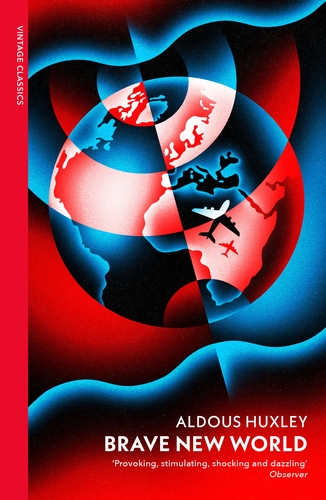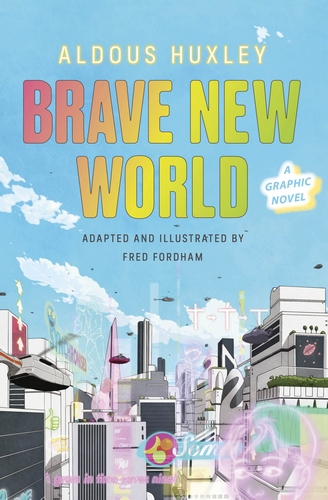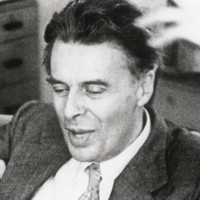
There are few writers in the modern world who attempted a more ambitious experiment than Aldous Huxley.
Most authors spend their careers describing a problem. Huxley attempted something stranger. He spent the first half of his life constructing one of literature’s greatest nightmares, and the second half attempting to construct its cure.
The nightmare was Brave New World.
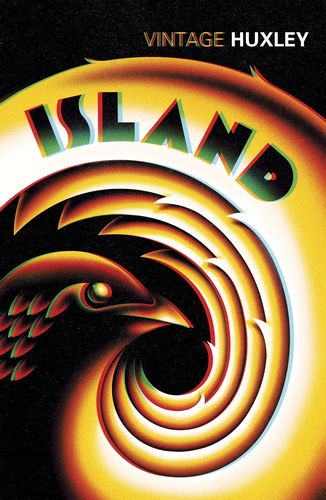
The cure was Island.
Yet when read together, the two books reveal something Huxley himself may never have fully escaped: the possibility that the same structure of consciousness can survive both oppression and enlightenment.
One prison is built from pleasure.
The other is built from wisdom.
But both remain prisons.
Brave New World is usually understood as a warning about technology, consumerism, and social control. This is true, but it does not go deep enough.
The real horror of Huxley’s future world is not that people are oppressed.
It is that they no longer wish to leave.
Every institution in the World State exists to prevent consciousness from encountering its own incompleteness. Pleasure replaces longing. Consumption replaces reflection. Entertainment replaces silence. Identity replaces presence.
In Geomytha terms, the movement is complete:
Is becomes Am.
Am becomes I.
I becomes This.
Then something more dangerous occurs.
This becomes These.
The individual acquires pleasures, identities, status, relationships, entertainments, and beliefs. Soon:
These become Those.
The world divides into acceptable and unacceptable experiences, insiders and outsiders, stable and unstable identities.
Finally:
Those become All This.
The entire civilization becomes a complete symbolic world.
Nobody escapes because there is nowhere left to escape to.
The prison has become reality itself.
Decades later, Huxley attempted to imagine the opposite.
Island presents Pala, perhaps the most famous spiritual utopia in modern literature.
The people meditate.
They practice mindfulness.
They educate children compassionately.
They use psychedelics ritually.
They cultivate self-awareness.
They remind one another, constantly, to wake up.
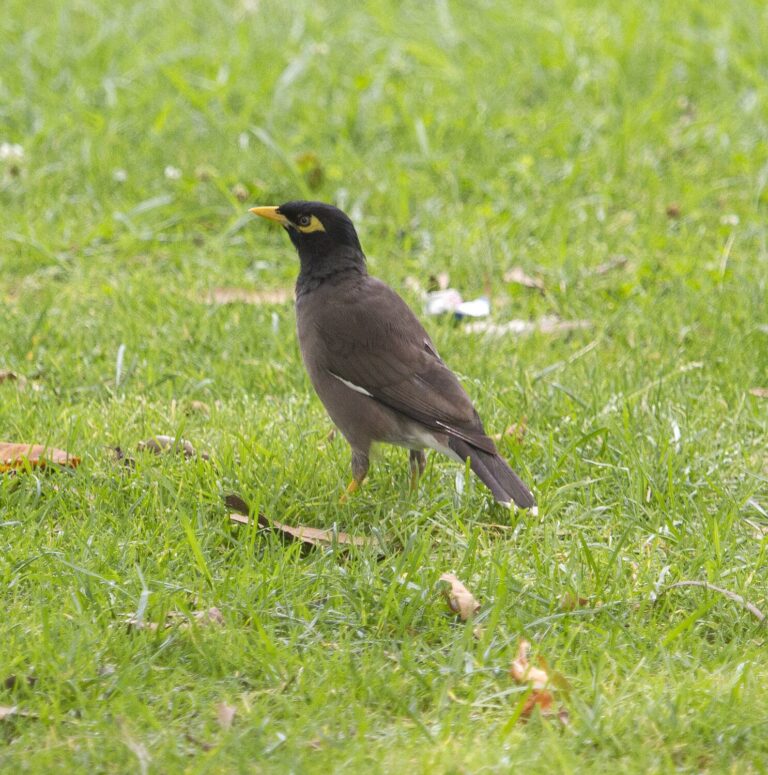
The famous mynah birds fly overhead repeating:
“Attention! Attention!”
For many readers, Pala represents liberation from the nightmare of Brave New World.
But does it?
Or does it represent something more troubling?
Because Pala is also a complete world.
It possesses:
- its own sacred language,
- its own practices,
- its own wisdom,
- its own rituals,
- its own psychology,
- its own enlightened identity.
The danger is no longer that consciousness becomes trapped in pleasure.
The danger is that consciousness becomes trapped in enlightenment itself.
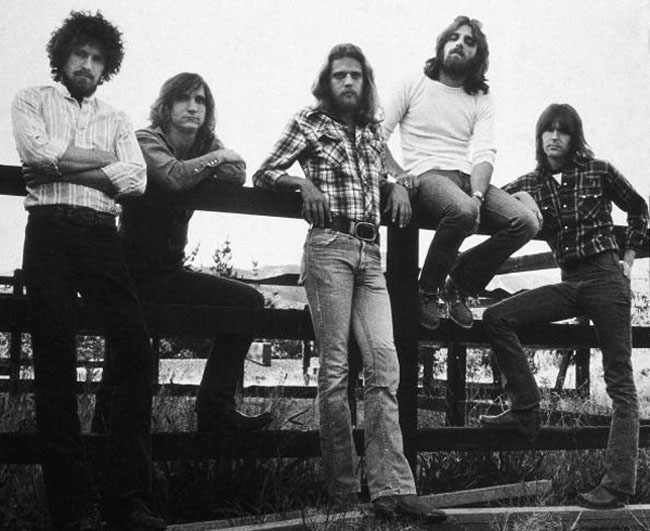
This is why Hotel CaliforniaReferenceHotel California — EaglesHotel California is the title track of the Eagles’ 1976 album.Read full entry → serves as the hidden bridge between Huxley’s two masterpieces.
The Eagles’ song is often interpreted as a commentary on fame, excess, California culture, or the music industry.
But symbolically it describes something more universal.
A traveler enters a beautiful world.
The world welcomes him.
The world gives him everything he desires.
Gradually he discovers that the price of admission was himself.
Then comes the terrible realization:
The song’s famous closing image presents departure as available in name while actual escape remains unresolved.
This is not merely addiction.
It is identity.
The world has become home.
And home has become prison.
In Brave New World, the prison is obvious.
Pleasure. Entertainment. Consumption. Comfort.
In Island, the prison becomes subtle.
Wisdom. Presence. Enlightenment. Awakening.
But the structure remains disturbingly similar.
In both cases, consciousness constructs a total environment designed to protect itself from its own deepest vulnerability.
The false self does not disappear.
It evolves.
This is why Huxley’s final novel is, in some ways, more frightening than his first.
The citizens of the World State never claim to be free.
The citizens of Pala do.
And that may be the more dangerous illusion.
Because the ego can survive almost anything.
It can survive religion.
It can survive rebellion.
It can survive psychology.
It can survive philosophy.
It can survive meditation.
It can even survive anti-ego teachings.
The one thing it struggles to survive is sustained awareness that no identity, however enlightened, can become what awareness already is.
This is why the greatest danger in spiritual life is not ignorance.
It is success.
The moment consciousness says:
“I have escaped.”
another prison has already begun construction.
The enlightened self becomes:
I am thisGEOMYTHA readingThe False-Self Sentence — I Am ThisThe false-self sentence forms when claim joins reflection to a fixed object of identity: I am this.Read full entry → awakened person.
Then:
These are my practices.
Then:
Those people are asleep.
Finally:
All This is the enlightened world.
The wheel completes itself.
Aldous Huxley spent his life searching for a civilization that could save consciousness from its own fragmentation.
His genius was recognizing that ordinary society often fails.
His tragedy may have been believing that another society could finally succeed.
Because the final prison is not political.
It is not technological.
It is not religious.
It is not even spiritual.
The final prison is the self that secretly hopes there exists a world in which it will never again have to disappear.
And perhaps that is why every paradise eventually becomes a Hotel California.
Not because paradise is false.
But because the self that enters it still believes it can remain.