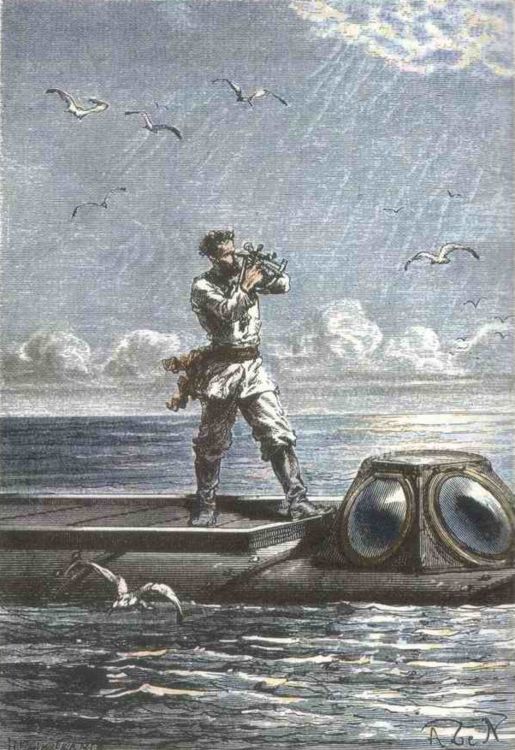
There is something strangely repetitive about island stories.
A ship sinks. A group becomes isolated. A new society forms. Someone assumes authority. Someone explains reality. Someone attempts escape. And somehow, despite every opportunity, the world remains closed.
This pattern appears so often that it can no longer be accidental.
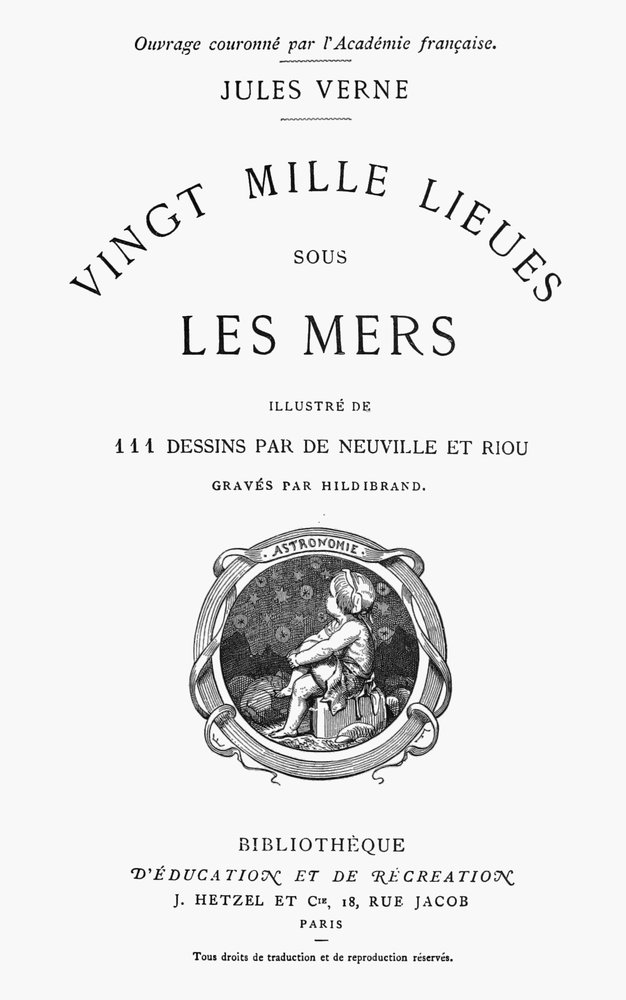
Twenty Thousand Leagues Under the Sea and Gilligan’s Island appear to have almost nothing in common. One is a nineteenth-century science fiction masterpiece about an anti-imperial genius hiding beneath the oceans. The other is a twentieth-century television sitcom about castaways on a tropical island. Yet both stories quietly organize themselves around the same symbolic problem:
What happens when consciousness builds a world it secretly does not want to leave?
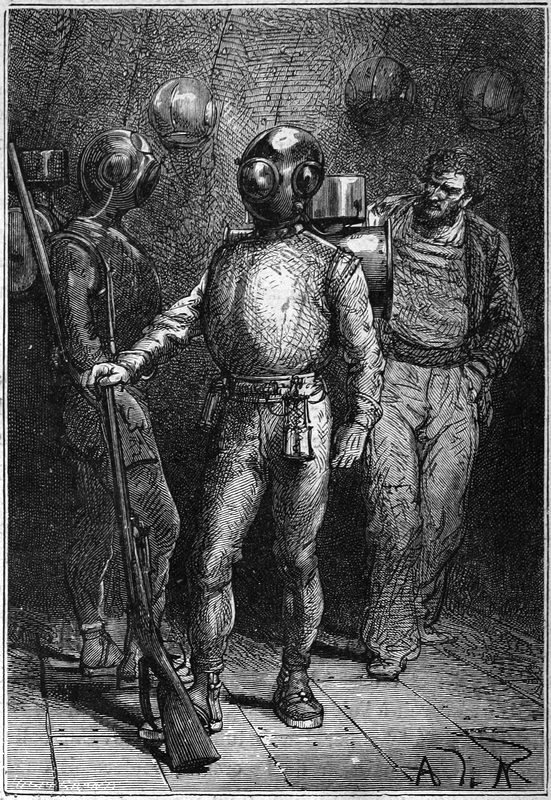
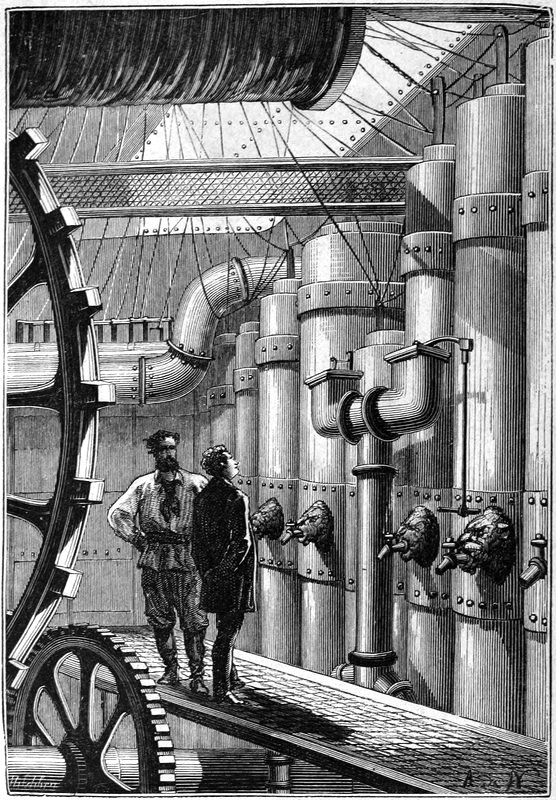
Captain Nemo’s kingdom is called the Nautilus.
Gilligan’s kingdom is called an island.
The symbolic structure is the same.
Captain Nemo is one of the great wounded kings in modern mythology. He has suffered loss, betrayal, and violence at the hands of civilization. Rather than return to the world, he rejects it entirely and builds a substitute reality beneath the sea. The Nautilus is not merely a vehicle. It is a complete civilization:
a library, a museum, a treasury, a fortress, a kingdom, a memory palace.
Nemo possesses everything except the one thing he cannot build: return.
In Geomytha terms, Nemo performs the fundamental movement of the false self:
Is becomes Am. Am becomes I. I becomes This.
The world wounds reflection. Reflection hardens into claim. Claim constructs a new identity-worldGEOMYTHA readingThe Identity-WorldThe identity-world begins when This no longer remains a single self-description but expands into possessions, enemies, and a total symbolic environment.Read full entry →. Eventually that world becomes so complete that it can no longer be escaped.
This is why the Nautilus fascinates us. It is not simply a submarine.
It is the ego made beautiful.
The supporting cast reveals this even more clearly.
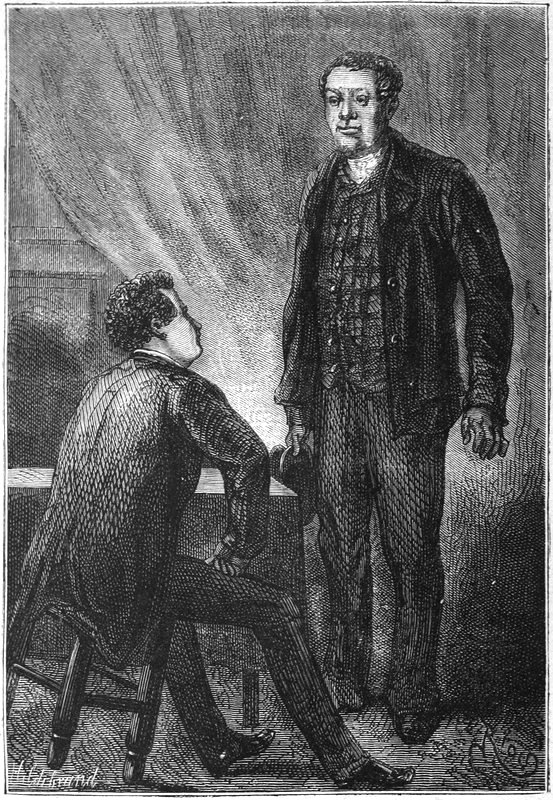
Professor Aronnax serves as reflection itself. He observes, records, categorizes, and attempts to understand. He is the part of consciousness that still believes reality can be properly reflected.
Conseil is stranger still. He exists almost entirely in service and classification. He rarely asserts himself. He remembers and preserves. He functions less like a person than like consciousness maintaining its own internal order.
Then there is Ned Land.
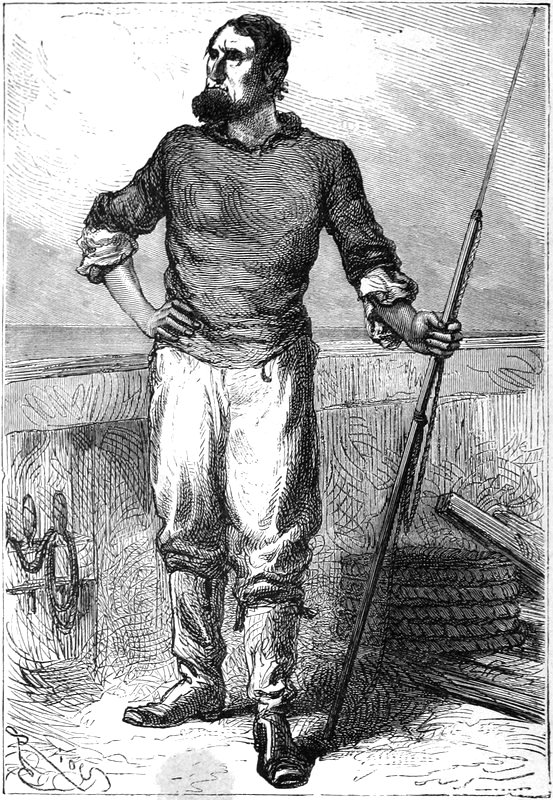
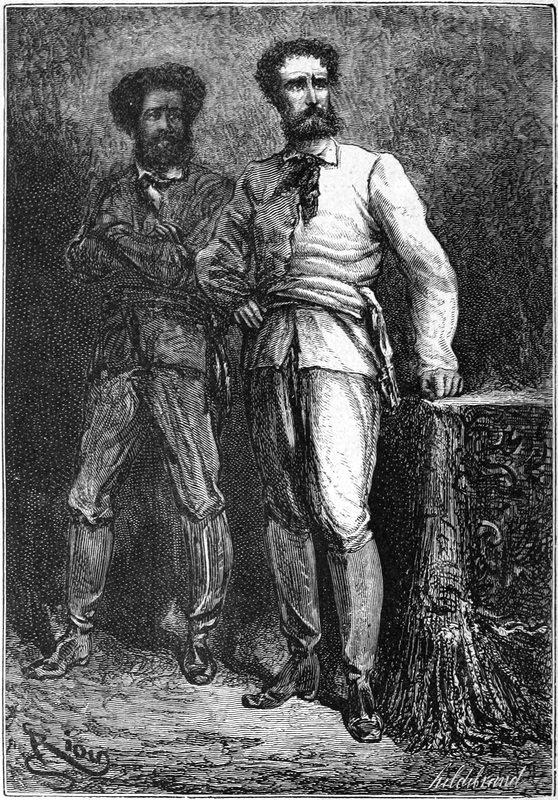
Ned is the only person aboard who never accepts the kingdom.
Every chapter, in one form or another, Ned asks the same question:
“Why don’t we leave?”
This question is more dangerous than Captain Nemo’s harpoons.
Because it exposes the possibility that the prison may be voluntary.
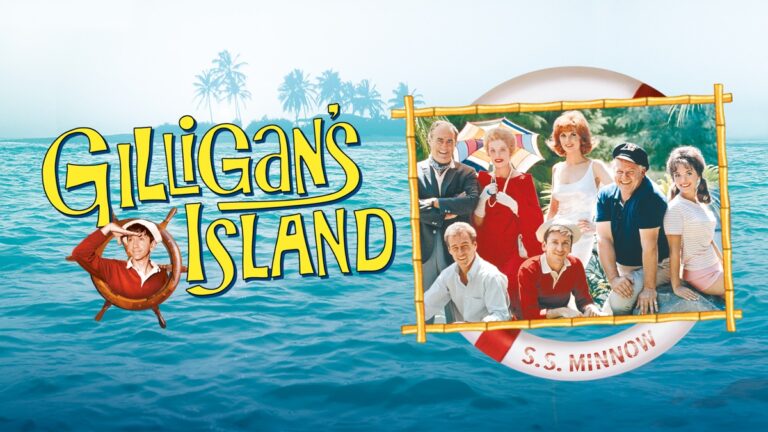
This same structure reappears in Gilligan’s Island, disguised as comedy.
The Professor serves the same symbolic role as Aronnax. He explains, interprets, and reflects. The Skipper maintains authority and order. The millionaire accumulates wealth and status. The movie star embodies image and performance.
And Gilligan?
Gilligan is the most fascinating character of all.
Gilligan repeatedly sabotages escape.
Not because he is malicious.
Not because he is stupid.
But because he unconsciously serves the deepest law of the island: the island must continue to exist.
Every episode repeats the same ritual:
An opportunity for freedom appears.
The castaways become hopeful.
Gilligan intervenes.
The opportunity disappears.
The world resets.
This is not merely sitcom structure.
It is the structure of identity itself.
The ego continually claims that it wants liberation while simultaneously rebuilding the conditions that make liberation impossible.
This is why island stories appear everywhere.
Robinson Crusoe.
The Island of Doctor Moreau.
Moby-Dick.
Lost.
The Tempest.
The Odyssey.
Each asks the same question in a different form:
What if the world you inhabit is actually a structure you built to avoid returning home?
Perhaps this is why modern mythology always includes a Professor.
Professor Aronnax.
The Professor from Gilligan’s Island.
Professor X.
Indiana Jones.
Doc Brown.
Dumbledore.
The Professor is reflection institutionalized. He represents the part of consciousness that can explain the prison while remaining inside it.
But explanation is not escape.
Captain Nemo ultimately reveals the deepest tragedy of the false self.
He successfully escapes civilization.
He successfully escapes empire.
He successfully escapes society.
He successfully escapes history.
Yet he cannot escape Captain Nemo.
The final prison is not the world.
The final prison is the kingdom built to avoid returning to what existed before the kingdom was necessary.
This is the secret shared by every island story.
The island is not somewhere else.
The island is the self.
And the hardest question any consciousness can ask is not:
“How do I escape?”
It is:
“What part of me has spent my entire life making sure that I never do?”