Author: D. Cyprian

  • How Horus Is Born Every Day

    How Horus Is Born Every Day

    Most people assume they wake up as themselves.

    The assumption feels obvious.

    After all, the same name remains.

    The same memories remain.

    The same responsibilities remain.

    The same face looks back from the mirror.

    Yet something strange happens every morning.

    For a brief moment, before the day fully arrives, the story has not completely returned.

    The obligations are not yet active.

    The plans are not yet active.

    The arguments are not yet active.

    The identity is not yet fully assembled.

    Then the kingdom begins rebuilding itself.

    The process is so familiar that it usually goes unnoticed.

    A phone lights up.

    Messages appear.

    Appointments appear.

    Responsibilities appear.

    The day begins calling the self back into existence.

    A name returns.

    A profession returns.

    A family role returns.

    A political identity returns.

    A personal history returns.

    One piece after another settles into place.

    The crown descends.

    The king returns.

    Ancient Egypt encoded this process through Horus.

    Horus is often remembered as a god, a king, or a falcon-headed ruler. Yet symbolically he can also be understood as something more immediate.

    A formed identity.

    A visible self.

    A story gathered into a center.

    In this sense, Horus is not merely a figure from the distant past.

    Horus is an event.

    A process.

    A recurring formation.

    The king is crowned again and again.

    Every morning the kingdom reassembles.

    The process begins with recognition.

    A person remembers their name.

    Then comes memory.

    Then comes preference.

    Then comes obligation.

    Then comes history.

    Soon the sentence has returned.

    I am this.

    The identity takes shape.

    The crown settles into place.

    Yet identity rarely remains alone.

    The next movement appears almost immediately.

    These are mine.

    My home.

    My family.

    My work.

    My goals.

    My worries.

    My achievements.

    My unfinished projects.

    The kingdom gathers its possessions.

    The borders begin extending outward.

    Then another movement appears.

    Those are not.

    Traffic becomes an obstacle.

    A rival appears.

    A political opponent appears.

    An opposing opinion appears.

    The outsider returns.

    The boundary reforms.

    The kingdom now knows where it ends.

    At least it believes it does.

    Soon the entire structure is operating again.

    The news returns.

    The economy returns.

    The nation returns.

    The social world returns.

    The complete system reappears.

    All this.

    The individual no longer inhabits a simple day.

    They inhabit a world.

    A story large enough to live inside.

    The remarkable thing is how quickly this reconstruction occurs.

    Within minutes of waking, an entire kingdom has been restored.

    Not because someone consciously planned it.

    Because the process has become automatic.

    The crown finds the head.

    The kingdom finds the king.

    The story finds the storyteller.

    This is why identity often feels permanent.

    The reconstruction happens so reliably that it becomes invisible.

    A person assumes the self simply exists.

    Yet daily experience suggests something more dynamic.

    Identity appears to be maintained continuously.

    Rebuilt continuously.

    Reaffirmed continuously.

    The king is crowned every day.

    Modern stories repeatedly return to this theme.

    In Groundhog Day, the same day appears again and again, exposing the repetitive structures that normally remain hidden.

    In The Truman Show, an entire world is reconstructed around a central identity.

    In Memento, memory itself becomes part of the machinery required to maintain a coherent self.

    Each story points toward the same mystery.

    How much of identity is discovered?

    How much is assembled?

    Ancient myths explored the same question through different symbols.

    Egypt used kings.

    Religion used souls.

    Literature used heroes.

    Modern life uses routines.

    The mechanism remains surprisingly similar.

    This does not mean identity is false.

    Nor does it mean identity must be destroyed.

    The point is not to eliminate the king.

    The point is to notice the coronation.

    Recognition changes the relationship.

    A person who notices the process is no longer completely absorbed by it.

    The role can still be played.

    The responsibilities can still be fulfilled.

    The kingdom can still function.

    Yet something subtle shifts.

    The crown becomes visible.

    The story becomes visible.

    The reconstruction becomes visible.

    The self is no longer mistaken for a permanent object.

    It becomes recognizable as an ongoing event.

    This is where the possibility of return begins.

    Not by rejecting identity.

    Not by abandoning responsibility.

    Not by escaping the world.

    By noticing.

    Every morning a reflection becomes a self.

    A self gathers possessions.

    Possessions create boundaries.

    Boundaries create a world.

    The entire kingdom returns.

    The process is so ordinary that it disappears into daily life.

    Yet perhaps that is why the ancient stories endure.

    They were never only describing gods.

    They were describing processes.

    The same processes unfolding within ordinary experience.

    The same coronation occurring every day.

    The same kingdom rebuilding itself every morning.

    And the same opportunity to notice it happening.

  • The Grammar of Geomytha

    The Grammar of Geomytha

    Before Geomytha becomes myth, it is grammar.

    Before it becomes Isis, Osiris, Set, Horus, Alice, the Minotaur, the moon, the swastika, the Black Sun, or the labyrinth, it begins with the smallest words:

    Is.
    Am.
    I.
    This.

    These are not exotic words. They are almost too ordinary to notice. They pass through the mouth without ceremony. They seem like simple tools of speech, the little hinges that let a sentence open.

    But Geomytha begins by slowing down at the hinge.

    Because the smallest words often carry the oldest machinery.

    A myth is not only a story about gods. A myth is what happens when consciousness dramatizes its own grammar. The gods come later. The monsters come later. The kingdoms, trials, serpents, fires, crowns, masks, mazes, and returns all come later.

    First, there is being.

    Then being is felt.

    Then a claimant appears.

    Then the claimant points.

    That is the beginning of the world.

    Is

    Is is being before ownership.

    Not my being.
    Not your being.
    Not this thing being here for me.
    Not the story of what being means.

    Just Is.

    Geomytha uses Is for the source-field: awareness before thought says mine, presence before the claimant appears, the fact of being before identity begins arranging furniture inside it.

    Is does not perform itself. It does not explain itself. It does not become more real because a self understands it. It is the ground before interpretation.

    This is why Is belongs to the deepest layer of Geomytha. It is not yet a person, role, wound, belief, body, history, or name. It is the silent fact that anything appears at all.

    The false self cannot create Is.

    It can only borrow from it.

    Am

    Am is being felt from within.

    In ordinary English, “am” usually belongs to “I.” We say, “I am.” The pronoun claims the verb so quickly that the body-field disappears beneath the speaker.

    Geomytha pauses before the claim.

    It isolates Am.

    Am is presence becoming intimate. It is being reflected in the body. It is breath, warmth, pulse, weight, sensation, water, moon, mirror, relationship. It is not yet ego. It is not yet identity. It is the simple feeling of existence before thought turns it into autobiography.

    Am is not separate from Is.

    Am is Is felt in the body.

    This matters because many spiritual errors begin by attacking embodiment, as if body were the trap. But in Geomytha, Am is not the trap. The body is not the enemy. Feeling is not the enemy. Reflection is not the enemy.

    The problem begins when Am is seized.

    The body breathes.
    A feeling rises.
    A memory appears.
    A wound speaks.
    A desire moves.

    Then the claimant enters and says:

    Mine.

    I

    I is the claimant.

    Again, this does not make I evil. I is necessary for speech, responsibility, choice, relationship, and navigation. Without I, no one can answer, apologize, decide, ask, cross the street, keep a promise, or write a sentence.

    But I is dangerous because it forgets it is a function.

    I begins as a grammatical convenience and becomes a throne.

    It says:

    I feel.
    I know.
    I want.
    I fear.
    I remember.
    I deserve.
    I was wronged.
    I am special.
    I am ruined.
    I am awake.
    I am chosen.
    I am beyond this.

    The problem is not that I appears. The problem is that I claims source.

    The claimant enters the field of Am and begins to possess what was only passing through.

    A feeling becomes my feeling.
    A wound becomes my wound.
    A thought becomes my truth.
    A role becomes my self.
    A symbol becomes my crown.

    This is the first theft.

    The jester does not steal the kingdom itself. He steals the crown and begins acting as though the crown created the kingdom.

    This

    Once I appears, it points.

    This.

    This body.
    This fear.
    This wound.
    This name.
    This role.
    This belief.
    This family.
    This nation.
    This religion.
    This insight.
    This awakening.
    This humiliation.
    This achievement.
    This story.

    “This” is the first object-world.

    It is the moment experience becomes something that can be named, held, defended, polished, mourned, sold, worshiped, or attacked. The world has now become demonstrative. The finger points, and the field becomes object.

    Again, this is not automatically bad.

    Without “this,” there is no cup to drink from, no door to open, no child to comfort, no wound to clean, no song to sing, no bread to break. The world needs form.

    The danger is fixation.

    Healthy grammar says:

    This is appearing.

    False grammar says:

    This is mine.

    The deeper falsehood says:

    This is me.

    And the deepest spell says:

    This is all there is.

    That is the birth of the false self.

    Not simply I.

    Not simply Am.

    Not simply body, thought, image, or world.

    The false self is the sentence:

    I am this.

    That sentence is the little idol at the center of the maze.

    These

    The false self never stops at one object.

    This becomes These.

    These achievements.
    These wounds.
    These beliefs.
    These memories.
    These clothes.
    These friends.
    These enemies.
    These symbols.
    These books.
    These titles.
    These followers.
    These scars.
    These explanations.
    These proofs that I am real.

    Here the world becomes plural. The mask rack fills. Identity begins collecting extensions of itself.

    At this stage, the self does not merely say:

    I am this.

    It says:

    These are mine.

    This is where culture, art, style, religion, politics, fandom, career, family, property, trauma, and personal mythology can all become masks. Not because they are false in themselves, but because I begins wearing them as evidence.

    These are my people.
    These are my ideas.
    These are my signs.
    These are my sacred objects.
    These are my reasons.
    These are my injuries.
    These are my credentials.
    These are my gods.

    Plurality is not the fall. Plurality is creation becoming rich.

    But when plurality is claimed, the masks multiply faster than the face can remember what it is.

    Those

    Then comes distance.

    Those.

    These are mine.
    Those are not.

    That is the beginning of projection.

    Those people.
    Those fools.
    Those sinners.
    Those elites.
    Those outsiders.
    Those enemies.
    Those monsters.
    Those unbelievers.
    Those asleep people.
    Those corrupted people.
    Those dangerous people.

    “Those” is one of the most powerful words in the fallen grammar because it lets the self place its own shadow at a distance.

    What I cannot bear in myself becomes those.

    What I fear becomes those.

    What I envy becomes those.

    What I secretly desire becomes those.

    What I have disowned becomes those.

    This is where myth begins making monsters.

    The dragon, the demon, the foreigner, the heretic, the witch, the beast, the tyrant, the scapegoat, the false king — all of them may contain real danger, but they also reveal the grammar of projection. The self survives by placing part of its own divided field outside the circle.

    These are mine.
    Those are not.

    That sentence builds borders in the soul before it builds them in the world.

    All This

    Eventually, the pieces gather into a totality.

    Not this.

    Not these.

    Not those.

    All this.

    All this life.
    All this suffering.
    All this history.
    All this identity.
    All this proof.
    All this machinery.
    All this religion.
    All this politics.
    All this entertainment.
    All this trauma.
    All this progress.
    All this collapse.
    All this world.

    All This is the totalized demonstrative field.

    It is the moment the symbolic structure stops looking symbolic and becomes reality itself. The fish no longer notices the water. The self no longer says, “I am inside an interpretation.” It says, “This is just how things are.”

    Here the mask becomes a machine.

    The private wound becomes a worldview.
    The worldview becomes a law.
    The law becomes a city.
    The city becomes an empire.
    The empire becomes common sense.
    Common sense becomes a prison.

    This is the labyrinth.

    Not a maze made of stone only, but a complete environment of meanings. Roles, enemies, memories, institutions, screens, rituals, slogans, clocks, feeds, obligations, and inherited fears all become one enclosing world.

    All This is not merely the world.

    It is the world as interpreted by the claimant.

    That is why All This can feel so heavy. It is not only experience. It is experience plus possession. Experience plus memory. Experience plus identity. Experience plus the story that it all means something about me.

    By the time consciousness reaches All This, it has forgotten the simplicity of Is.

    It does not remember that the entire construction depends on awareness.

    It thinks the construction is awareness.

    Return

    Return is different.

    Return is not another object. It is not another mask. It is not another sacred identity. It is not a better version of “I am this.”

    Return is the movement by which the claim relaxes.

    The world does not have to vanish. The body does not have to be hated. Language does not have to be destroyed. Thought does not have to be treated as sin. Culture does not have to be flattened into illusion. The cup can remain a cup. The child can remain a child. The wound can remain something that happened. The name can remain useful.

    What must die is the claim.

    Return says:

    This appeared.
    This was felt.
    This mattered.
    But this is not source.
    This is not the whole.
    This is not what I am.

    Return is the verb that releases the nouns.

    It is the movement from possession back to presence. From “I am this” back to Am. From Am back to Is.

    The false self fears Return because it hears annihilation. But Return does not destroy what is real. It destroys the lie that the passing form was ultimate.

    The body remains.

    The breath remains.

    The world remains.

    But the crown is taken off the jester.

    The Alphabet as a Small Myth

    Even the alphabet can be read as a miniature version of this drama.

    It begins at A, the first opening of sign. A is not pure Is itself — once a letter appears, manifestation has already begun — but A is the alphabet’s first gate, the first mark, the first breath of order.

    Then the alphabet moves toward M.

    M is the middle hum. The closed-mouth sound. The body-sound. The moon-sound. Mother, matter, memory, mirror, marine, mouth. M is where the alphabet seems to gather into Am.

    A begins.

    M receives.

    This is the First Fire: the warming of source into reflection, the formation of the vessel, the movement by which being becomes felt.

    Then comes the hinge.

    M → N.

    M hums. N crosses.

    The letter N introduces the diagonal. It is a crossing between uprights, a little lightning-strike after the middle. Symbolically, this is where Am is interrupted by I. The smooth field is crossed by claim.

    N is not yet the end. It is the first fracture.

    From N to Z, the named world expands. The claim makes objects. Objects multiply. Multiplicity becomes projection. Projection becomes system. The alphabet runs outward through the field of This, These, Those, and All This until it reaches Z.

    Z is the terminal zigzag.

    It looks like N exhausted, flattened, final. The crossing has gone as far as it can go. There is no next letter.

    But Z is not Return.

    Return is the silence after Z.

    That silence is where the Second Death Fire burns the false sequence. Not the fire that forms the vessel. Not the fire that gives body its first warmth. The Second Death Fire is the fire that exposes what cannot continue, the fire that burns false identity back into silence.

    Then A can begin again.

    Not as possession.

    As opening.

    The Practical Test

    Geomytha is not useful if it remains decorative.

    The test is ordinary.

    Throughout the day, watch the grammar of the false self forming in real time.

    Something happens.

    Before the self enters, it is simple:

    This happened.

    Then the claimant appears:

    This happened to me.

    Then identity forms:

    This means something about me.

    Then plurality gathers:

    These are the reasons I am right.

    Then projection begins:

    Those people are the problem.

    Then the world hardens:

    All this proves the story I already believe.

    That is the whole machine in miniature.

    The correction begins earlier than we think.

    Not by arguing with every thought. Not by building a better identity. Not by decorating the self with spiritual language. But by noticing the moment the claim attaches.

    Let this be this before I makes it me.

    Let the feeling be felt before it becomes a throne.

    Let the wound be honored before it becomes a kingdom.

    Let the thought pass before it becomes a god.

    Let Am return to Is.

    The world does not need to be destroyed.

    The claim does.

  • Meditation Is the Daily Scale

    Meditation Is the Daily Scale

    Most people meditate after the day has already taken them.

    After the phone.

    After the message.

    After the argument.

    After the email.

    After the traffic.

    After the first wound, the first desire, the first comparison, the first performance, the first small humiliation, the first private fantasy of revenge.

    By then, the self has already been assembled.

    It has put on its armor. It has found its role. It has remembered its grievances. It has checked the world’s weather and decided what kind of person it needs to be in response. The heart has already gathered weight.

    Meditation still helps then.

    But it is late.

    Geomytha reads meditation differently.

    Meditation is not merely relaxation. It is not productivity hygiene. It is not a spiritual accessory added to an already crowded day.

    Meditation is the daily scale.

    It is the act of placing consciousness back into measure before pressure becomes identity. It is the small morning judgment before the great accumulations begin. Not judgment as punishment. Not judgment as guilt. Judgment as proportion.

    The heart should be weighed before the world begins adding weight.

    That is why meditation works best in the morning.

    Not because the clock is magical.

    Because sequence matters.

    The Scale Before the Story

    The Papyrus of Ani gives the image clearly.

    The soul arrives before the scale. The heart is weighed against the feather of Maat. The person does not talk his way into balance. He does not win by explanation. He does not say, “Here is why I became heavy.” He does not produce a better self-description. He does not brand himself as pure.

    The heart is weighed.

    That is the entire severity of the image.

    The self always wants to narrate itself. It wants to explain. It wants to justify. It wants to say, “I had no choice,” “I meant well,” “This is who I am,” “This is what happened to me,” “This is why I carry this.”

    The scale does not argue.

    It measures.

    That is Libra.

    Not Libra as charm. Not Libra as indecision. Not Libra as taste, diplomacy, or social grace. Libra as the function that asks whether the self has remained in right relation.

    Meditation is that function brought into daily life.

    It places the heart on the scale before the heart becomes too certain of its own story.

    Thought arises.

    The scale notices.

    Desire arises.

    The scale notices.

    Fear arises.

    The scale notices.

    Memory arises.

    The scale notices.

    The practice is not to destroy these things. It is not to become blank, holy, detached, or superior. It is to see what has weight before the weight becomes “me.”

    That is why meditation belongs to Libra.

    It weighs the self before the self can crown itself.

    Why Morning Matters

    Morning is the cleanest time because Horus has not fully assembled yet.

    The identity-self is not absent, but it is softer. The role has not fully locked in. The social face has not been performed. The phone has not delivered the world’s demands. The screen has not handed the mind its first object of worship or panic. The day has not yet recruited the body into its machinery.

    There is a threshold there.

    Sleep has loosened the hard edge of identity. Dreams have dissolved the ordinary self into images, fragments, fears, absurdities, and half-remembered truths. Then waking begins to gather the person again. Name, body, room, time, obligation, memory, problem, plan.

    The self returns.

    Morning meditation sits at that threshold.

    It meets consciousness before the day finishes building its defendant.

    That is why the ideal time is simple:

    Immediately after waking, before checking the phone, before speaking if possible, before food if comfortable, and before the world begins telling you who you are.

    This is not about purity. It is about order.

    First measure.

    Then world.

    First awareness.

    Then role.

    First scale.

    Then story.

    If the world gets the first word, the self forms around reaction. If awareness gets the first word, the day begins under measure.

    The Phone as the False First Altar

    The ordinary modern ritual is brutal.

    Wake up.

    Reach for the phone.

    Receive the feed.

    Before the body has found itself, before the breath has settled, before the heart has been weighed, the world enters. Messages. Notifications. News. Outrage. Desire. Image. Memory. Performance. Other people’s lives. Other people’s emergencies. Other people’s projections.

    The phone gives the self a world before the self has found measure.

    This is Gemini without Libra: signal without scale.

    Everything arrives as information. But not all information deserves entrance. Not every signal deserves the first attention of the day. Not every message is worthy of becoming the atmosphere in which identity forms.

    The feed does not merely inform.

    It recruits.

    It tells the nervous system what to fear, what to want, what to compare, what to perform, what to defend, what to envy, what to resent, what to become.

    That is why phone-before-meditation is not neutral.

    It places the self inside image before presence has returned to itself.

    Morning meditation reverses the order.

    Not because the phone is evil in itself. Not because the world should be avoided. But because the world should not be allowed to assemble the self before the heart has been weighed.

    The first altar matters.

    Do not give it to the feed.

    Ten Minutes Minimum, Twenty Minutes Ideal

    The practice does not need to be heroic.

    In fact, heroic meditation is often another ego project.

    The clean rule is:

    Ten minutes minimum. Twenty minutes ideal. Thirty minutes maximum unless the practice remains humble, clear, and grounded.

    Ten minutes is enough to interrupt the drift.

    It creates a break in the machinery. It tells the day that consciousness will not be handed over immediately. It gives the heart a moment on the scale.

    Twenty minutes is better.

    Twenty minutes allows the first layer of noise to settle. The obvious thoughts burn off. The surface agitation becomes visible. The deeper weight begins to show itself. The same thought returns. The same fear repeats. The same desire reaches again. The same injury asks to become identity.

    Now the scale can do its work.

    Not by crushing the thought.

    By seeing it.

    Thirty minutes can be useful, but it should be handled carefully. The point is not duration as achievement. The point is proportion. Meditation can become performance very easily. The ego can turn even silence into a trophy.

    “I meditate for an hour.”

    Fine.

    But who is saying that?

    The scale must weigh even the practice.

    For most people, twenty minutes daily is the strongest balance point: long enough to matter, short enough to remain livable, humble, repeatable, and non-theatrical.

    A small daily scale is better than a dramatic weekly purge.

    Balance Is Not Achieved Once

    Balance is not a possession.

    It is a return.

    That is the Libra principle.

    The heart gathers weight every day. Thought adds weight. Desire adds weight. Fear adds weight. Resentment adds weight. Image adds weight. Ambition adds weight. Memory adds weight. Injury adds weight. Fantasy adds weight. Even insight can add weight when it becomes identity.

    This is why meditation should be daily.

    Not because missing a day is failure.

    Because imbalance accumulates quietly.

    Aries becomes compulsion.

    Taurus becomes inertia.

    Gemini becomes noise.

    Cancer becomes enclosure.

    Leo becomes performance.

    Virgo becomes control.

    Scorpio becomes obsession.

    Ophiuchus becomes repression.

    Sagittarius becomes doctrine.

    Capricorn becomes burden.

    Aquarius becomes abstraction.

    Pisces becomes collapse.

    None of this happens all at once. The self rarely becomes heavy in a single dramatic moment. It thickens gradually. It gathers reasons. It gathers wounds. It gathers habits. It gathers roles. It gathers righteous explanations for why it must remain exactly as it is.

    Daily meditation catches the drift.

    It asks, before the day hardens:

    What is already heavy?

    What am I already defending?

    What thought is pretending to be truth?

    What fear is pretending to be prophecy?

    What wound is preparing to become doctrine?

    What image is asking to become self?

    That is not relaxation.

    That is discernment.

    What Meditation Weighs

    Meditation does not weigh only obvious stress.

    It weighs subtler things.

    It weighs the thought that wants to become identity.

    It weighs the wound that wants to become worldview.

    It weighs the desire that wants to become command.

    It weighs the fear that wants to become prophecy.

    It weighs the memory that wants to become destiny.

    It weighs the image that wants to become self.

    It weighs the plan that wants to become reality.

    It weighs the resentment that wants to become justice.

    It weighs the spiritual insight that wants to become superiority.

    This is why meditation is not passive.

    It may look like sitting still, but inwardly it is severe. It is the refusal to let every arising object become king. It is the refusal to let thought seize the throne simply because it speaks first.

    In Geomytha, this is the daily interruption of Horus.

    Horus is the time-bound self, the identity that gathers memory, role, fear, desire, image, and narrative into the sentence “I am this.” Meditation does not need to attack Horus. That would only create another struggle-self.

    Meditation simply watches the construction.

    A thought appears.

    The self reaches for it.

    Meditation notices.

    A wound appears.

    The self begins building a courtroom around it.

    Meditation notices.

    A desire appears.

    The self starts calling it necessity.

    Meditation notices.

    That noticing is the first measure.

    Morning First, Evening Second

    Morning is primary.

    Evening is useful.

    They do different work.

    Morning meditation weighs the heart before identity hardens. Evening meditation releases what the day collected.

    Morning asks:

    What is trying to become me before the day begins?

    Evening asks:

    What did I pick up today that is not mine to carry?

    Morning is formative.

    Evening is corrective.

    Morning prevents.

    Evening clears.

    A strong rhythm is simple:

    Twenty minutes in the morning. Ten minutes at night when needed.

    The evening practice should be lighter. It belongs more to Release than Balance. Let the day unwind. Let the arguments leave the body. Let the images lose authority. Let the unfinished conversations stop rehearsing themselves in the mind.

    But do not wait until evening to begin.

    By then, the self may already be deep inside its costume.

    Morning is the cleaner gate.

    The Danger of Spiritual Balance

    Meditation can distort.

    Everything can.

    Balance can become performance. Calm can become costume. Stillness can become superiority. Practice can become identity. A person can meditate every morning and quietly become proud of being “balanced.”

    That is not balance.

    That is Horus wearing linen.

    The point of meditation is not to become the kind of person who meditates. The point is to see through the person who needs to become something.

    This matters because the ego can turn any practice into a mirror.

    It can turn silence into branding.

    It can turn discipline into judgment.

    It can turn peace into avoidance.

    It can turn non-reaction into cowardice.

    It can turn detachment into emotional deadness.

    It can turn “balance” into refusal to tell the truth.

    That is Libra’s distortion: the scale as image rather than measure.

    Real meditation does not make you look balanced.

    It reveals where you are not.

    That is more useful.

    And more dangerous.

    Because the false self would rather appear calm than be weighed.

    A Simple Daily Protocol

    The practice should be plain.

    Wake up.

    Do not check the phone.

    Sit upright.

    Set a timer for ten to twenty minutes.

    Feel the body.

    Feel the breath.

    Let thoughts arise.

    Do not argue with them.

    Do not follow them.

    Do not suppress them.

    Notice them.

    Return to the body.

    Return to the breath.

    Return to the simple fact of being aware.

    When the timer ends, ask one question:

    What is heavy today?

    Do not over-answer it.

    Just notice.

    That is enough.

    The point is not to produce a mystical experience. The point is to begin the day in right relation. Some mornings will feel clear. Some will feel restless. Some will feel dull. Some will feel irritated. Some will feel like nothing happened.

    Good.

    The scale still worked.

    The scale does not need drama.

    It only needs honesty.

    Why It Works Best Before the Day Builds a Self

    The ideal meditation time is early morning because the day has not yet persuaded consciousness to become someone.

    That is the whole secret.

    Before the phone, the image-self is weaker.

    Before speech, the social-self is weaker.

    Before work, the role-self is weaker.

    Before conflict, the defensive-self is weaker.

    Before appetite, the grasping-self is weaker.

    Before performance, the visible-self is weaker.

    This does not mean those selves are evil. They are functions. They help navigate the world. But when they appear before awareness has found measure, they become rulers.

    Meditation puts them back in relation.

    It says:

    You may speak, but you are not the source.

    You may work, but you are not the self.

    You may plan, but you are not reality.

    You may feel pain, but you are not the wound.

    You may carry memory, but you are not the past.

    You may appear in the world, but you are not the image.

    This is why morning meditation is not an escape from life.

    It is preparation to enter life without being immediately possessed by it.

    The Heart Returns to the Scale

    The day will still happen.

    The phone will still ring. The messages will come. The work will wait. The body will want things. The world will irritate, tempt, wound, flatter, pressure, and distract. The self will still assemble. Horus will still try to rule the field.

    But the morning scale changes the order.

    The self does not get the first word.

    Awareness does.

    That is enough to alter the whole day.

    Not perfectly. Not magically. Not as a guarantee of serenity. But as a shift in sovereignty.

    Meditation works best before the day builds a self because the first measure matters. Before identity argues, before desire commands, before fear prophesies, before resentment becomes justice, before the wound becomes doctrine, the heart sits quietly on the scale.

    And for a few minutes, nothing has to be defended.

    Nothing has to be performed.

    Nothing has to be explained.

    The heart is simply weighed.

    That is the daily Libra practice:

    the breath returns to the body,
    the heart returns to the scale,
    and consciousness remembers proportion before pressure becomes identity.
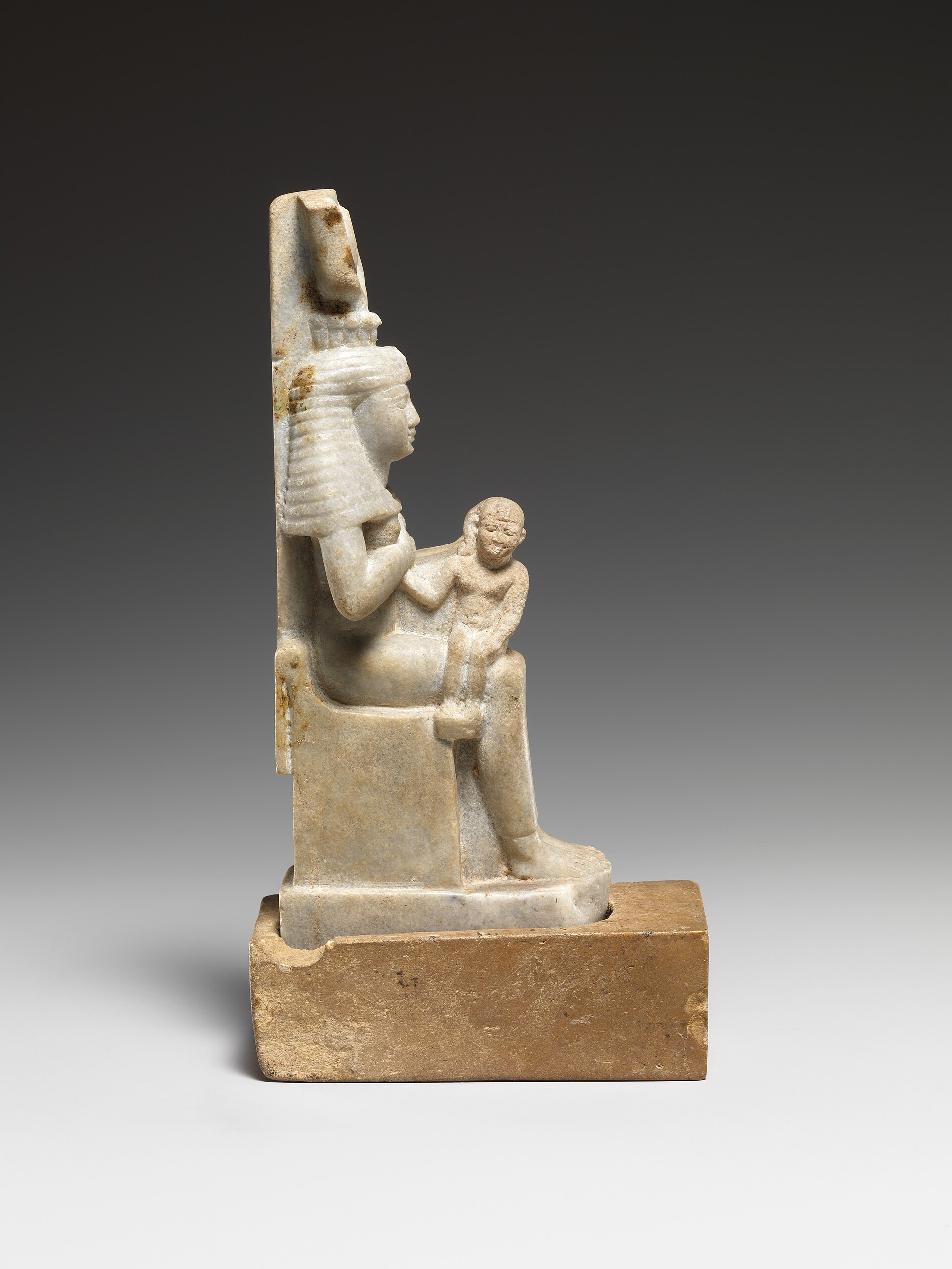
  • Borrowed Names

    Borrowed Names

    Before a child learns who they are, they learn what they are called.

    A name arrives first.

    The child hears it spoken by parents, relatives, teachers, and strangers. The sound repeats so often that it eventually becomes inseparable from experience itself.

    A strange reversal then takes place.

    What began as a label gradually starts pretending to be a person.

    The name becomes a self.

    This process is so ordinary that it rarely attracts attention. Yet it may be one of the most important movements in human life.

    Names are among the first tools used to organize reality.

    Without names, communication becomes difficult.

    Without names, distinctions become difficult.

    Without names, memory becomes difficult.

    Names are not the problem.

    The problem begins when a label is mistaken for the life it describes.

    Throughout this series, the same pattern has appeared repeatedly.

    A reflection becomes an identity.

    The identity gathers possessions.

    The possessions create outsiders.

    The outsiders help construct a world.

    Yet beneath each stage lies something surprisingly simple.

    A name.

    A role.

    A title.

    A story.

    A label.

    Identity often speaks through borrowed names.

    The ancient story of Adam naming the animals offers a useful starting point.

    Naming is one of humanity’s earliest symbolic acts.

    The world is encountered.

    Distinctions are made.

    Language is applied.

    Order emerges.

    The act itself is not a mistake.

    Naming allows navigation.

    Naming allows relationship.

    Naming allows understanding.

    Yet naming also introduces a temptation.

    The temptation is not to use names.

    The temptation is to become them.

    A child learns:

    I am Philip.

    I am Sarah.

    I am Michael.

    At first these are practical descriptions.

    Eventually the name begins collecting stories.

    Memories attach themselves.

    Achievements attach themselves.

    Failures attach themselves.

    Expectations attach themselves.

    The label grows heavier.

    The name becomes a container.

    Soon the process expands beyond personal names.

    New labels arrive.

    Student.

    Athlete.

    Worker.

    Parent.

    Citizen.

    Believer.

    Skeptic.

    Success.

    Failure.

    Victim.

    Expert.

    The roles accumulate.

    Each role serves a purpose.

    Each role helps organize experience.

    Yet the same question quietly returns.

    Who is wearing the role?

    The ancient theater understood this distinction clearly.

    The Latin word persona could mean a theatrical mask or role.

    The audience understood that the mask was not the actor.

    The mask revealed a role.

    The role served the story.

    The problem begins when the actor forgets the mask is a mask.

    Many of history’s most powerful identities function in exactly this way.

    Consider the Pharaoh.

    Pharaoh was not a personal name.

    The word first referred to the royal estate—the “great house”—and later became a designation for the king.

    A title.

    A role.

    A symbolic office.

    The title survived generations of rulers.

    Individuals entered the role.

    Individuals left the role.

    The title remained.

    The mask outlived the wearer.

    The same is true today.

    Doctor.

    Lawyer.

    Teacher.

    Judge.

    President.

    Professor.

    Parent.

    The roles matter.

    The responsibilities matter.

    The labels are useful.

    Yet none of them fully contains the person wearing them.

    Suffering often appears when the distinction disappears.

    A teacher retires and wonders who they are without teaching.

    An athlete ages and wonders who they are without competition.

    A parent watches children grow and wonders who they are without constant caregiving.

    The role changes.

    The identity struggles.

    The costume begins believing it is the wearer.

    The same pattern scales upward into larger labels.

    Nationality.

    Religion.

    Politics.

    Culture.

    Ideology.

    Entire communities organize themselves around names.

    The labels become flags.

    The flags become identities.

    The identities become kingdoms.

    Soon people defend words as though they were defending life itself.

    Yet a label remains a label no matter how large it becomes.

    This dynamic has intensified in the modern world.

    Social media encourages the continual construction of personal identities.

    Profiles.

    Handles.

    Bios.

    Brands.

    Descriptions.

    Labels accumulate faster than ever before.

    A person may maintain dozens of names simultaneously.

    Professional identity.

    Political identity.

    Family identity.

    Online identity.

    Spiritual identity.

    Consumer identity.

    The collection grows.

    The wardrobe expands.

    The costumes multiply.

    None of this means names are unnecessary.

    Quite the opposite.

    Names remain useful.

    Roles remain useful.

    Titles remain useful.

    Civilization depends upon them.

    The question is whether they are being used as tools or mistaken for reality itself.

    A map is valuable.

    A map becomes dangerous when it is mistaken for the territory.

    A name is valuable.

    A name becomes dangerous when it is mistaken for the life it describes.

    This is why many traditions place such emphasis on remembering what remains beneath the labels.

    Not because labels must be destroyed.

    Not because names must disappear.

    Because names function best when remembered as names.

    The costume functions best when remembered as a costume.

    The role functions best when remembered as a role.

    The title functions best when remembered as a title.

    The label can remain.

    The attachment softens.

    The mask loosens.

    The person remains.

    The teacher may continue teaching.

    The parent may continue parenting.

    The citizen may continue participating in society.

    The role does not disappear.

    Only the confusion begins to fade.

    The journey through reflection, identity, possession, enemies, kingdoms, and civilizations eventually returns to this simple recognition.

    Many of the things we call ourselves were borrowed.

    Names were given.

    Titles were inherited.

    Roles were assumed.

    Stories accumulated.

    The labels arrived.

    Then they stayed.

    Yet beneath every borrowed name remains the life that first received it.

    The costume may change.

    The labels may change.

    The titles may change.

    The kingdoms may change.

    The names may change.

    What wears them continues.

    And perhaps that is why the wisest use of a name is not to become it.

    It is to wear it lightly.

  • Why Consciousness Is Not the Problem

    Why Consciousness Is Not the Problem

    Many spiritual systems eventually arrive at a strange conclusion.

    They correctly identify the suffering produced by identity.

    They correctly observe attachment.

    They correctly notice conflict, possession, fear, pride, and division.

    Then something curious happens.

    The blame shifts.

    The problem is no longer identity.

    The problem becomes consciousness itself.

    Awareness becomes suspect.

    Reflection becomes suspect.

    The mirror becomes guilty.

    Yet what if the mirror is innocent?

    What if consciousness is closer to a reflection than a ruler?

    What if the thing being blamed is not the thing creating the problem?

    A mirror reflects whatever appears before it.

    Beauty appears.

    The mirror reflects beauty.

    Fear appears.

    The mirror reflects fear.

    Anger appears.

    The mirror reflects anger.

    Joy appears.

    The mirror reflects joy.

    The mirror does not choose.

    The mirror does not possess.

    The mirror does not claim.

    The mirror simply reflects.

    This may be why so many myths begin with reflection before they introduce kings, heroes, possessions, or empires.

    Before there is a kingdom, there is a mirror.

    Before there is identity, there is reflection.

    Before there is Horus, there is Osiris.

    Throughout this series, Osiris has been associated with reflection.

    Not because he is weak.

    Not because he is passive.

    Because he represents the field within which the drama unfolds.

    The stage appears before the actors.

    The mirror appears before the kingdom.

    The water appears before the reflection is claimed.

    This distinction matters.

    Because most suffering does not originate in reflection.

    It originates in identification.

    The difference is subtle but profound.

    Consider Narcissus.

    The traditional reading often treats the reflection itself as dangerous.

    Yet the reflection never asked to be worshiped.

    The water never demanded attention.

    The reflection never claimed ownership.

    Narcissus supplied the claim.

    The tragedy is not reflection.

    The tragedy is identification with reflection.

    The water did nothing wrong.

    The same misunderstanding appears whenever consciousness itself becomes the target.

    Awareness is blamed for attachment.

    Reflection is blamed for possession.

    The mirror is blamed for the king.

    Yet a mirror cannot wear a crown.

    A mirror cannot build an empire.

    A mirror cannot gather possessions.

    A mirror cannot create enemies.

    Those activities belong to something else.

    The claimant.

    The one who says:

    I am this.

    The one who says:

    These are mine.

    The one who says:

    Those are not.

    The mirror reflects the process.

    The mirror does not generate it.

    This is why reflection and identity should not be confused.

    Reflection reveals.

    Identity claims.

    Reflection receives.

    Identity possesses.

    Reflection allows.

    Identity organizes.

    Both have their place.

    Confusion begins when they are treated as the same thing.

    The moon offers another useful image.

    Most people describe the moon as reflecting sunlight.

    Yet from a Geomytha perspective, the symbolic function is more important than the astronomical mechanism.

    The moon represents reflected appearance.

    A visible image.

    A reflected world.

    The moon shines because something else is being revealed through it.

    In symbolic terms, the moon behaves like consciousness itself.

    Not a source of possession.

    A field of reflection.

    A visible mirror.

    This is why the moon so often accompanies myths of memory, dreaming, identity, transformation, and return.

    The moon reflects.

    It does not claim.

    The claiming happens elsewhere.

    Many spiritual traditions accidentally blur this distinction.

    Mind is blamed.

    Awareness is blamed.

    Perception is blamed.

    The result is a subtle war against the very faculty through which recognition becomes possible.

    The mirror becomes the enemy.

    Yet without reflection there can be no recognition.

    Without awareness there can be no noticing.

    Without noticing there can be no return.

    The attempt to destroy reflection often becomes another identity project.

    Another kingdom.

    Another possession.

    Another claim.

    The war continues under a new banner.

    A clearer distinction emerges when Osiris and Horus are viewed together.

    Osiris reflects.

    Horus rules.

    Osiris receives.

    Horus claims.

    Osiris is the mirror.

    Horus is the crown.

    The crown cannot exist without the mirror.

    Yet the mirror remains something different from the crown.

    This distinction changes the entire sequence.

    The goal is not to destroy reflection.

    The goal is not to destroy awareness.

    The goal is not to eliminate consciousness.

    The goal is to recognize the process unfolding within reflection.

    The mirror remains.

    The kingdom may remain.

    The crown may remain.

    The world may remain.

    What changes is the confusion.

    The mirror is no longer mistaken for the king.

    The king is no longer mistaken for the mirror.

    This is why return does not require annihilation.

    Nothing essential must disappear.

    Recognition is enough.

    The mirror reveals.

    The claimant claims.

    The kingdom forms.

    The world appears.

    The process unfolds.

    And throughout it all, reflection remains what it always was.

    An innocent mirror.

    Not the source of the kingdom.

    Not the author of the claim.

    Simply the field in which everything becomes visible.

    Perhaps the return begins the moment the mirror stops being blamed for what it merely reflects.

  • The Kingdom That Builds Itself

    The Kingdom That Builds Itself

    Paid essay — public preview. This page introduces the original essay. The complete argument, examples, and conclusion are available to paid Geomytha subscribers on Substack.

    Every empire begins with a sentence.

    Not a constitution.

    Not a flag.

    Not an army.

    Not a border.

    A sentence.

    A claim.

    A story about who we are.

    Long before kingdoms appear in stone, they appear in imagination. Long before walls rise from the earth, boundaries rise within the mind. Long before civilizations shape landscapes, identities begin shaping perception.

    The kingdom begins long before the kingdom appears.

    This series began with reflection.

    A reflection became an identity.

    The identity gathered possessions.

    The possessions created outsiders.

    The outsiders helped define a world.

    Now a larger pattern comes into view.

    The same movement that creates a self can eventually create a civilization.

    The scale changes.

    The grammar remains.

    Everything begins with a…

    Read the complete essay on Substack →

    This WordPress page preserves the essay’s place in the Geomytha archive, its original title and subtitle, and its publication date. The full subscriber edition remains protected on Substack.

  • De-Incarnation: A Nightly Ritual of Return to Is

    De-Incarnation: A Nightly Ritual of Return to Is

    The room gets darker.

    The phone should go down. The clothes come off. The dishes are done or left for morning. The lights soften. The body begins its old descent toward sleep, toward the hidden place where the name loosens and the day stops needing to be performed.

    But the mind keeps walking.

    It replays the argument. It fixes the text message. It rehearses tomorrow. It scrolls one more time. It returns to the insult, the praise, the fear, the plan, the regret, the unfinished task, the face that would not leave.

    The body is ready to sleep.

    The self is still trying to exist.

    That is why bedtime matters.

    Bedtime is not only rest. It is the nightly chance to stop carrying the self the day built.

    Every day builds a little identity. By noon, a person may have become the anxious one, the productive one, the rejected one, the righteous one, the guilty one, the misunderstood one, the praised one, the one who must fix everything. By evening, the body is tired, but the identity wants continuation. It wants another scene. Another thought. Another scroll. Another defense. Another body.

    Sleep asks the same question every night:

    What are you still trying to be?

    What De-Incarnation Means

    De-incarnation sounds severe until it is understood correctly.

    It does not mean hating the body. It does not mean rejecting life. It does not mean disappearing, abandoning responsibility, or pretending the day did not happen.

    It means the day’s identities are not carried as self.

    The role can end. The feeling can pass. The wound can be acknowledged without becoming a name. The victory can be received without becoming a crown. The failure can be learned from without becoming a face.

    De-incarnation is not the death of being.

    It is the death of possession.

    The body can sleep. The heart can soften. The mind can stop building another room for the story to live in.

    That is all.

    The day happened. But the day does not have to become you.

    The Day Builds a Self

    The false self is rarely built all at once.

    It accumulates.

    A message comes in, and suddenly there is the defended one.

    A mistake happens, and suddenly there is the ashamed one.

    A compliment arrives, and suddenly there is the special one.

    A task piles up, and suddenly there is the burdened one.

    A fear appears, and suddenly there is the one who must control everything.

    None of these are strange. They are ordinary. They happen in traffic, at work, in parenting, in love, in courtrooms, in checkout lines, in comment sections, in the kitchen, in the bed before sleep.

    A feeling appears.

    Then thought tries to make it a biography.

    This is the basic spell:

    I am this.

    I am this anger. I am this grief. I am this success. I am this rejection. I am this worry. I am this argument. I am this role. I am this wound.

    The feeling itself is not the trap.

    The claim is the trap.

    A feeling can move through the body like weather. A thought can pass like a visitor. A role can be worn for the work it requires. But once the claimant enters and says, “This is me,” the day has built a self.

    Bedtime is where that self should be undressed.

    Night as Waning Crescent

    The Waning Crescent is the last visible softening before the moon disappears.

    It is not trying to become bright again. It is not defending the Full Moon. It is not explaining why it once shone. It is not clinging to public shape.

    It fades.

    That is its wisdom.

    The day should do the same.

    The name softens. The roles loosen. The image goes dark. The visible self thins toward sleep.

    Sleep is the New Moon the body practices every night.

    This is not failure. This is return.

    A culture obsessed with visibility will misread disappearance as loss. It will teach the self to fear silence, darkness, stillness, and the unposted hour. But the moon knows better. The body knows better. The heart knows better.

    Not every light is meant to stay lit.

    Not every story is meant to survive the night.

    The Heavy Heart

    The heart grows heavy when the day is not allowed to end.

    Not because feelings are bad.

    Anger is not the problem. Anger carried as “me” becomes weight.

    Grief is not the problem. Grief carried as “me” becomes weight.

    Fear is not the problem. Fear carried as “me” becomes weight.

    Success is not the problem. Success carried as “me” becomes weight.

    This is why the old image of the weighed heart remains so powerful. The heart is not heavy because life happened. Life is supposed to happen. The heart grows heavy when every event is turned into identity and carried forward as proof.

    A person can carry a whole day into bed.

    Then a whole week.

    Then a whole childhood.

    Then a whole self.

    By then, the heart is not only feeling. It is storing. It is archiving identities the body was never designed to preserve.

    Night offers a correction before the weight becomes permanent.

    It says:

    Put this down.

    Not forever, if action is still required. Not falsely, if repair must be made. Not irresponsibly, if tomorrow needs courage.

    But put it down as self.

    Let the heart be lighter than the story.

    Hotel California at Bedtime

    A person can leave the day physically and still not leave the pattern.

    They get into bed, but the argument continues.

    The meeting continues.

    The insult continues.

    The fantasy continues.

    The fear continues.

    The feed continues.

    The body has checked out.

    The identity has not left.

    That is the small nightly version of Hotel California. You leave the room, but carry the hotel. You close the laptop, but keep the argument open. You end the conversation, but keep speaking to the imagined opponent. You finish the task, but keep wearing the worker. You put the child to bed, but keep wearing the anxious parent like armor.

    This is how the self reincarnates before morning.

    Not through some distant metaphysical event only, but through repetition. Through refusal. Through carrying one scene into the next and pretending the continuity is being.

    The day ends.

    The claimant asks for another body.

    Screens as Failed Surrender

    The screen is the easiest way to avoid bedtime’s mercy.

    One more clip.

    One more message.

    One more outrage.

    One more comparison.

    One more proof that the image-self still exists.

    The feed gives the self another body right when the body is trying to rest.

    This is not only bad sleep hygiene. It is symbolic obstruction. The screen keeps the image breathing after the day has asked to die. It gives the mind more faces, more fragments, more reactions, more tiny identities to pick up and carry.

    The body says:

    Enough.

    The feed says:

    Continue.

    The body says:

    Disappear.

    The feed says:

    Be seen again.

    The body says:

    Return.

    The feed says:

    Refresh.

    That is why bedtime scrolling feels so difficult to stop. It is not merely entertainment. It is a refusal of the Waning Crescent. A refusal to fade. A refusal to let the day become dark enough for source to receive it.

    The phone glows like a counterfeit moon.

    But it does not wane for you.

    You have to put it down.

    The Nightly Question

    Before sleep, ask one question:

    What did I become today?

    Not first:

    What did I accomplish?

    Not first:

    Who was wrong?

    Not first:

    What must I solve before morning?

    Ask:

    What did I become?

    Maybe the answer is simple.

    I became the defended one. I became the worried one. I became the one who needed approval. I became the one who had to win. I became the one who was afraid. I became the one who could not stop explaining. I became the one who needed the day to prove something.

    Then say:

    That happened in me.

    It does not have to be me.

    This is not denial. It is precision.

    A feeling happened. A role happened. A conflict happened. A desire happened. A fear happened. A victory happened. A wound happened.

    But none of it has to become the one who sleeps.

    The Am / Is Bedtime Breath

    The practice is simple.

    Inhale: Am.

    Exhale: Is.

    On the inhale, feel the body. Feel the bed, the breath, the weight of the limbs, the living field that is still here beneath the story.

    Do not think about the body as an object.

    Feel it as presence.

    Am.

    On the exhale, let the day return. Let the story loosen. Let the claim soften. Let the identity lose its grip.

    Is.

    Inhale: Am. Exhale: Is.

    No argument is required.

    The body does not need an argument to return.

    It needs permission.

    The exhale does not erase the day. It releases possession of the day. It lets the reflected life of the body return toward the quiet place underneath the self-story.

    Again:

    Inhale: Am.

    Exhale: Is.

    Let the day go back.

    The Day Put Down Ritual

    The ritual does not need to be elaborate.

    First, put down the screen.

    Not as punishment. As symbol.

    Let the glowing false moon go dark.

    Second, name the day’s identity.

    What did I become today?

    Third, separate the event from the self.

    This happened. This mattered. This may require action. But this is not all of me.

    Fourth, exhale the claim.

    Inhale: Am. Exhale: Is.

    Fifth, let sleep finish what thought cannot finish.

    Thought wants to solve the day before surrendering it. But many things cannot be solved at night. They can only be released from identity long enough for the heart to rest.

    There is a difference between preparation and possession.

    Preparation says:

    This needs attention tomorrow.

    Possession says:

    I cannot exist unless I carry this now.

    The ritual cuts between them.

    What Should Not Be Put Down

    This matters.

    Putting the day down is not avoidance.

    Some apologies need to be made. Some duties remain. Some harms must be addressed. Some plans matter. Some conversations need courage. Some wounds need care. Some responsibilities should not be spiritually bypassed with pretty language.

    The point is not to pretend nothing happened.

    The point is to stop becoming the unresolved thing overnight.

    Responsibility can remain without identity carrying it as self.

    You can remember the task without becoming the task.

    You can plan the repair without becoming the guilt.

    You can honor the grief without becoming the wound.

    You can prepare for tomorrow without dragging today’s false self into it.

    That is the distinction.

    The day may leave instructions.

    It does not need to leave a mask.

    Children Already Know This

    Children understand bedtime better than adults.

    Toys go back in the box.

    Stories end.

    Blankets come up.

    Lights go out.

    The room becomes softer.

    Even when they resist sleep, the ritual itself tells the truth: the day has a shape, and shapes end.

    Adults forget this.

    They keep the toys out internally. They keep every story open. They bring work into bed, argument into bed, image into bed, fear into bed, the glowing screen into bed. They keep trying to manage the day after the day has lost its body.

    But bedtime teaches what adulthood forgets:

    Not every story needs to be carried into morning.

    Some things can be placed gently back where they belong.

    Some things can wait in the dark without being held.

    Some things become lighter when not gripped.

    Sleep as Trust

    Sleep requires trust because the self cannot supervise it.

    You cannot manage deep sleep.

    You cannot curate your identity there.

    You cannot keep explaining yourself.

    You cannot keep the profile alive.

    You cannot make sure the world remembers you correctly.

    You cannot defend the role.

    You cannot continue the performance.

    Every night, the body trusts what the ego cannot control.

    That is why sleep can feel threatening to a tense identity. To sleep is to surrender command. To let the day end. To let the image go unmaintained.

    But this surrender is not abandonment.

    It is return.

    The body returns to the field beneath effort. The breath continues without being managed. The heart beats without being claimed. The name fades, but being does not.

    Sleep does not ask you to disappear.

    It asks you to stop shrinking into the story the day made.

    Let the Day Die Cleanly

    The day does not need another body.

    The argument does not need another body.

    The shame does not need another body.

    The praise does not need another body.

    The wound does not need another body.

    Let the day die cleanly so morning does not become reincarnation.

    This is the mercy of night. It gives the false self a small death before the body ever reaches the final one. Not a frightening death. Not annihilation. A soft death. A clean undoing. A chance to stop carrying what was never meant to become permanent.

    The room gets darker.

    The phone goes down.

    The breath returns.

    The body remembers what the mind keeps forgetting.

    Inhale: Am.

    Exhale: Is.

    The day happened.

    The day mattered.

    The day can be put down.

    Let sleep carry what identity was never meant to hold.

  • The Sentence Hidden in Myth

    The Sentence Hidden in Myth

    Paid essay — public preview. This page introduces the original essay. The complete argument, examples, and conclusion are available to paid Geomytha subscribers on Substack.

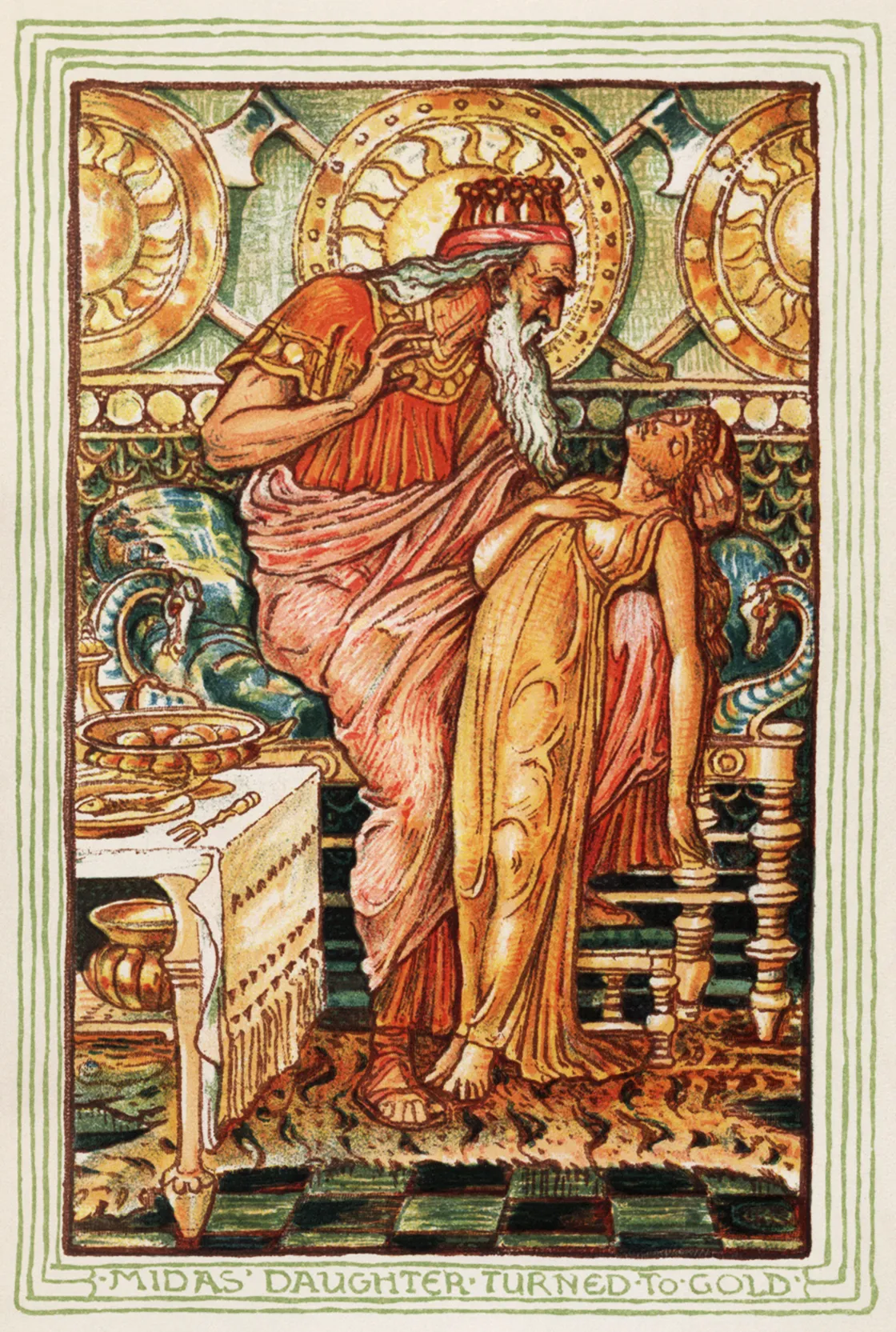
    A king touches gold.

    A youth stares into water.

    A gardener eats forbidden fruit.

    A brother murders a brother.

    A civilization builds a tower.

    At first glance these stories appear unrelated.

    They emerge from different cultures.

    Different centuries.

    Different religions.

    Different landscapes.

    Different languages.

    Most approaches to mythology focus on the differences.

    Different gods.

    Different heroes.

    Different symbols.

    Different lessons.

    Yet another possibility exists.

    What if the most important thing is not the characters?

    What if the most important thing is the sentence hidden beneath them?

    Throughout this series, a simple pattern has appeared again and again.

    Reflection.

    Identity.

    Possession.

    Otherness.

    World.

    Return.

    The names change.

    The movement remains.

    Perhaps this is why myths often feel familiar even when encountered…

    Read the complete essay on Substack →

    This WordPress page preserves the essay’s place in the Geomytha archive, its original title and subtitle, and its publication date. The full subscriber edition remains protected on Substack.

  • Return

    Return

    A fish does not know it is swimming in water.

    The water is too close.

    Too constant.

    Too complete.

    It surrounds the fish from birth, making itself nearly impossible to see.

    Human beings often relate to their world in much the same way.

    We see objects.

    We see people.

    We see institutions.

    We see nations.

    We see religions.

    We see economies.

    We see technologies.

    Yet we rarely see the larger story that binds them together.

    The largest structures are often the hardest to notice.

    This series began with a reflection.

    A reflection became an identity.

    The identity gathered possessions.

    The possessions created outsiders.

    The insiders and outsiders eventually produced an entire world.

    A kingdom.

    A civilization.

    A reality large enough to live inside.

    The question now is simple:

    What happens when the world is finally seen?

    Many traditions offer dramatic answers.

    Destroy the world.

    Escape the world.

    Transcend the world.

    Reject the world.

    Conquer the world.

    Yet these answers often create new identities, new possessions, new enemies, and new worlds.

    The cycle quietly begins again.

    Return points somewhere else.

    Return is not destruction.

    Return is not escape.

    Return is recognition.

    The world remains.

    The relationship changes.

    This is why so many myths end not with conquest but with homecoming.

    Odysseus spends years battling monsters, storms, temptations, and kingdoms. Yet the true conclusion of the story is not victory.

    It is return.

    The hero does not become king of the world.

    He comes home.

    The same pattern appears in The Wonderful Wizard of Oz.

    Dorothy enters a magical world filled with witches, cities, roads, prophecies, and wonders. She spends the story searching for a way out.

    Yet when the journey finally ends, Kansas remains exactly where it was.

    The farm remains.

    The family remains.

    The ordinary world remains.

    What changes is Dorothy.

    She no longer relates to home in the same way.

    The world has not disappeared.

    The relationship has changed.

    The same movement appears in the story of Siddhartha.

    After philosophies, teachers, disciplines, and spiritual ambitions have exhausted themselves, the river remains.

    Not as a symbol of escape.

    As a symbol of recognition.

    The river was always there.

    The water was always flowing.

    The world did not need to become something else.

    It only needed to be seen.

    Ecclesiastes arrives at a similar conclusion.

    Kingdoms are built.

    Wealth accumulates.

    Projects expand.

    Achievements multiply.

    Pleasures are pursued.

    Wisdom is pursued.

    Everything is tested.

    The entire kingdom of “All This” is examined.

    Then comes the startling realization:

    Nothing permanent was gained through accumulation.

    The cycle has been seen.

    The kingdom has been seen.

    The spell begins to weaken.

    This is where many readers make a mistake.

    They imagine that recognizing a world-system means rejecting it.

    Recognizing Babylon does not require destroying Babylon.

    Recognizing a story does not require erasing the story.

    Recognizing identity does not require destroying identity.

    Otherwise the attempt to escape simply becomes another identity.

    Another possession.

    Another enemy.

    Another kingdom.

    Return is subtler than revolution.

    The citizen remains in civilization.

    The parent remains a parent.

    The teacher remains a teacher.

    The carpenter remains a carpenter.

    Life continues.

    An old saying captures this perfectly:

    Before enlightenment, chop wood, carry water.

    After enlightenment, chop wood, carry water.

    The saying is often misunderstood.

    People hear it and assume nothing changes.

    In reality, everything changes.

    Before the return, the wood carries the self.

    The water carries the self.

    The work carries the self.

    Every task becomes part of an identity.

    Every action reinforces a story.

    Every effort strengthens a kingdom.

    After the return, the wood becomes wood again.

    The water becomes water again.

    The work becomes work again.

    The task remains.

    The burden softens.

    The world remains.

    The spell weakens.

    This is why return is not a movement away from life.

    It is a movement back into life.

    The king returns home.

    The kingdom remains.

    The possessions remain.

    The enemies may even remain.

    Yet they are no longer carrying the full weight of identity.

    The world ceases to function as a prison because it is no longer mistaken for the whole of reality.

    The walls become visible.

    The assumptions become visible.

    The story becomes visible.

    The fish finally notices the water.

    The ocean does not disappear.

    The fish does not escape.

    Nothing needs to be conquered.

    Nothing needs to be destroyed.

    Nothing needs to be abandoned.

    The water has simply been seen.

    And that is enough.

    The journey began with a reflection.

    It passed through identity, possession, conflict, and civilization.

    Now the cycle turns.

    The world remains.

    The river remains.

    The work remains.

    The water remains.

    Only the spell begins to fade.

    And in that fading, the possibility of return appears.

  • All This

    All This

    Paid essay — public preview. This page introduces the original essay. The complete argument, examples, and conclusion are available to paid Geomytha subscribers on Substack.

    A fish does not know it is swimming in water.

    The water is too close.

    Too constant.

    Too complete.

    It surrounds the fish from birth, making itself nearly impossible to see.

    Human beings often relate to their world in much the same way.

    We see objects.

    We see people.

    We see institutions.

    We see nations.

    We see religions.

    We see economies.

    We see technologies.

    Yet we rarely see the larger story that binds them together.

    The largest structures are often the hardest to notice.

    This is the territory of All This.

    The journey begins simply enough.

    First comes reflection.

    Then identity.

    Then possession.

    Then the outsider.

    Eventually these separate pieces combine into something much larger.

    A civilization.

    A worldview.

    A…

    Read the complete essay on Substack →

    This WordPress page preserves the essay’s place in the Geomytha archive, its original title and subtitle, and its publication date. The full subscriber edition remains protected on Substack.