A bush burns in the wilderness, but it is not consumed.
That is the whole mystery.
Not that fire appears. Fire appears everywhere. Fire eats, climbs, spreads, blackens, consumes. Fire turns the thing it touches into fuel. Fire leaves ash where form used to be.
But this fire is different.
The bush burns and remains.
The flame appears inside living matter without destroying the living matter. It reveals the bush instead of eating it. It turns the ordinary desert shrub into holy ground without making the shrub into an idol, a crown, a throne, or a self.
That is pure First Fire.
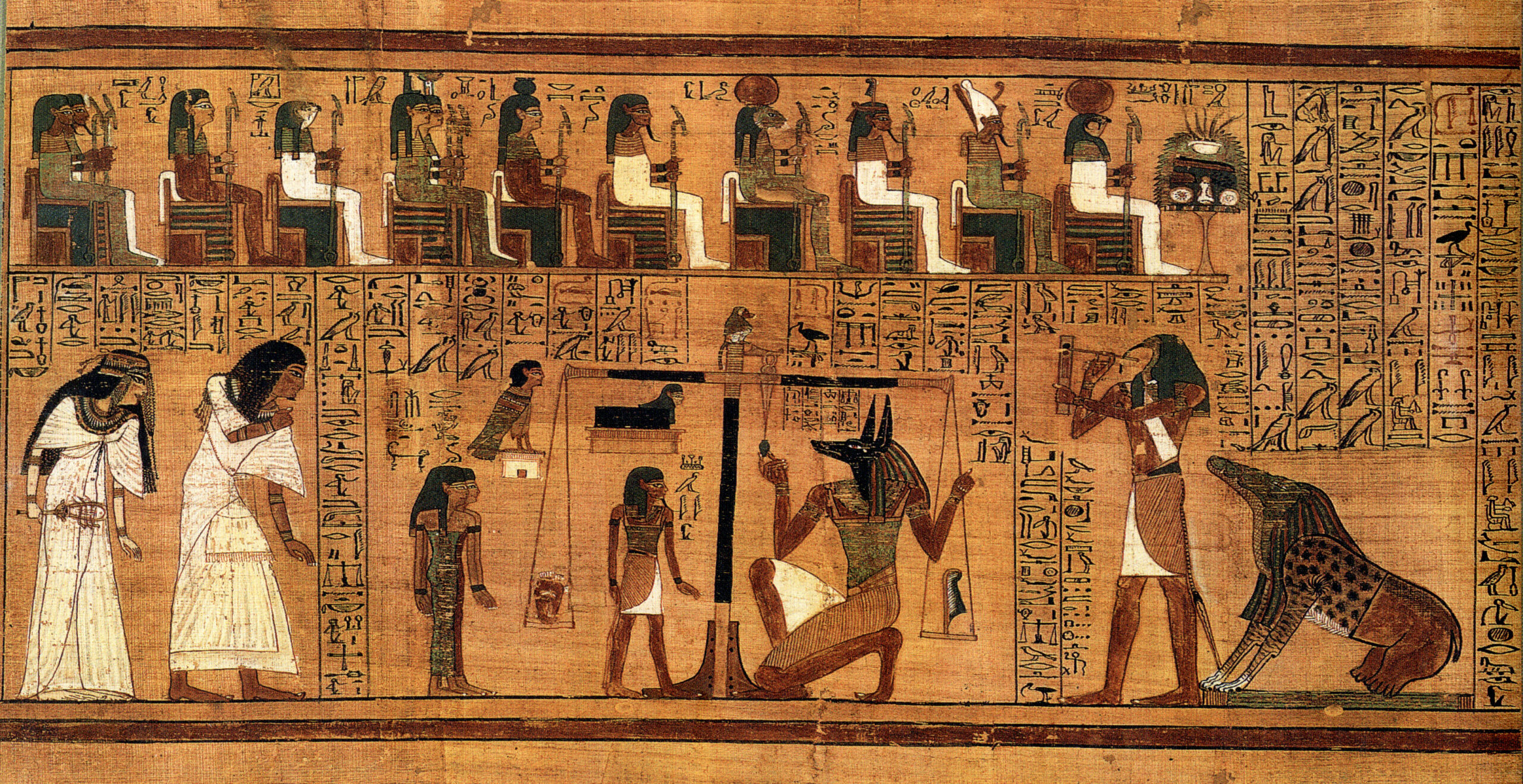
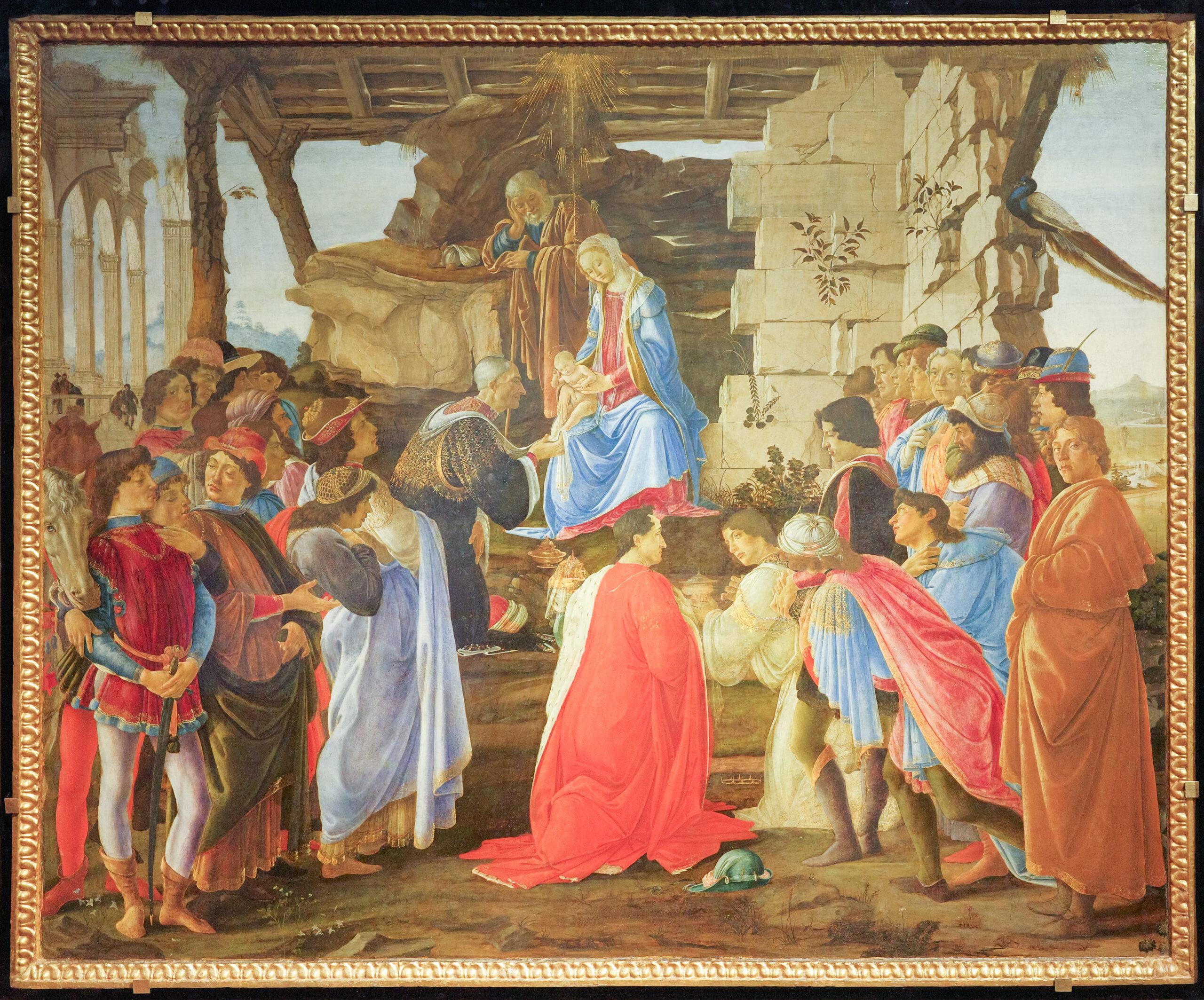
Before the Magi bring gold, frankincense, and myrrh, before the image receives gifts, before kingship becomes temptation, before Ammit waits at the scale, there is this simpler and more dangerous image: fire in form without possession.
The Burning Bush reveals First Fire before identity claims it.
Source appears in the vessel. Presence enters matter. The invisible becomes visible enough to call. But nothing says, “This flame is mine.”
That is why the bush is not consumed.
First Fire Before the Claim
First Fire is not merely ambition, creation, birth, inspiration, or visible power.
Those may be its later forms.
At its root, First Fire is the moment source appears in form. It is the first stirring of light inside matter, breath inside body, presence inside reflection, being inside the living vessel.
First Fire is holy when it illuminates the vessel.
It becomes fallen when the vessel says:
The flame is mine.
That is the difference between revelation and ego.
A creative idea appears. A feeling rises. A calling stirs. A sentence arrives. A song begins. A child is born. A body fills with breath. A mind suddenly understands something it could not understand before.
All of these are First Fire.
None of them are yet the fall.
The fall begins when the claimant enters.
My idea. My calling. My gift. My awakening. My flame. My specialness. My mission. My identity.
That is when First Fire becomes ego-fire.
The Burning Bush shows the moment before that happens. The flame appears, but it does not become biography. It does not become self-importance. It does not turn the bush into a prophet of itself.
The bush does not own the fire.
It bears it.
The Bush Is Am
The bush matters.
It is not a palace. Not a throne. Not a temple. Not an obelisk. Not a crown. Not a tower reaching upward to seize heaven.
It is low, rooted, ordinary, desert-living matter.
That is why it works.
In Geomytha, the bush is Am: embodied reflection, living vessel, matter capable of bearing presence without claiming to be source.
Am is not the claimant. Am is the mirror before ownership. The body before ego. The living field before the sentence hardens into “I am this.”
The bush does not create the flame. The bush does not command the flame. The bush does not advertise the flame. The bush does not mistake the flame for its own achievement.
It simply becomes transparent enough for the fire to appear.
This is the dignity of Am.
The body is not the enemy. Matter is not the fall. Form is not automatically a prison. The bush is not destroyed because true embodiment does not compete with source.
It reflects.
The distortion begins only when the vessel forgets it is a vessel.
The Flame Is Is
The flame is source-presence.
It appears, but it does not behave like ordinary fire. It reveals. It calls. It interrupts. It makes the ground holy. But it does not devour.
This is Is appearing through Am.
Not Is trapped in form.
Not Is reduced to a visible object.
Not Is becoming the possession of the one who sees it.
The fire is visible, but it is not possessed by visibility.
That distinction is everything.
Because the ego loves visible fire. It loves signs, callings, awakenings, visions, symbols, synchronicities, gifts, powers, and unusual experiences. It loves anything that can be turned into evidence that the self is special.
But the Burning Bush does not flatter the self.
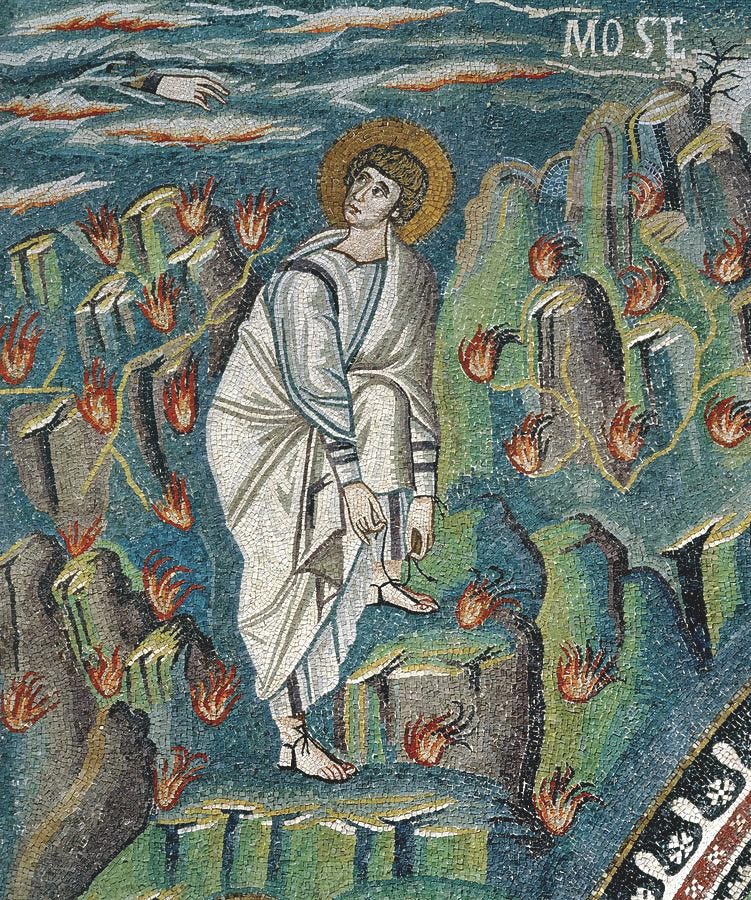
It stops Moses.
It makes him turn aside.
It tells him to remove his sandals.
Before Moses receives a mission, he receives a correction.
He does not get to approach the fire as owner.
Moses at the Threshold
Moses is not the flame.
He is not the bush.
He is not God.
He is not the owner of the revelation.
Moses is the witness at the threshold of First Fire.
That makes him dangerous, because the witness is where the claimant can enter. The bush can burn without ego. The flame can appear without ego. But once a human witness turns aside and sees the sign, the next danger is immediate:
I saw it. I was chosen. I understand. I carry the message. I am special because the flame appeared to me.
This is why Moses must be corrected before he is commissioned.
He stands where Am could become I.
He is conscious enough to notice the fire, but he must not turn noticing into ownership. He must not convert revelation into selfhood. He must not become Horus at the edge of holy ground.
So Moses represents the witness-function before possession.
He is Am learning not to become I.
I AM Before I Am This
The Burning Bush gives the divine name:
I AM THAT I AM.
This is one of the most dangerous phrases in all symbolic language because the ego can imitate it badly.
There is a true I AM and a false I am.
The false-self sentence is:
I am this.
I am this body. I am this wound. I am this role. I am this fear. I am this insight. I am this religion. I am this awakening. I am this chosen one. I am this flame.
That sentence is the birth of the claimant.
In Geomytha, the danger is not Am. The danger is the claimant attaching Am to an object. The core grammar says Is is pure being before possession, Am is reflected being, I is the claimant, and This is the hardened identity formed after the claimant says “I am this.”
So the divine I AM cannot be read as the same thing as the egoic I.
It is not Set speaking as claimant.
It is not identity declaring ownership.
It is being reflected as being.
It is Is becoming self-luminous as Am without hardening into This.
The Burning Bush speaks before the predicate.
Not:
I am this king.
Not:
I am this doctrine.
Not:
I am this identity.
Not:
I am this image.
Just:
I AM THAT I AM.
Being before possession.
The ego always wants to add something after being. It wants a title, a costume, a proof, a role, a mission, a wound, a mythology, a biography. It cannot tolerate bare presence because bare presence gives it nothing to defend.
But the Burning Bush refuses the object.
It gives no costume to wear.
It gives no visible identity to possess.
It says being reflects being.
It remains open, circular, self-returning:
Is recognizes Am. Am returns Is.
That is why I AM THAT I AM does not contradict the breath practice. The metaphysical movement is Is → Am: source becomes reflected presence. But the practical breath begins where the body can feel it: Inhale Am, Exhale Is. The inhale lets presence become embodied. The exhale releases embodied presence back to source. The breath sequence is practical; it does not mean Am comes before Is absolutely.
So the clean Geomytha formula is:
I AM THAT I AM is not I claiming Am. It is Is reflecting as Am before I can claim This.
That is First Fire in its purest language.
Flame without ownership. Presence without costume. Being before the self-story.
The fall begins only when the sentence closes:
I am this.
Remove Your Sandals
Moses is told to remove his sandals because the ground is holy.
That detail is not decorative.
Sandals are the human layer between body and earth. They allow travel, protection, distance, movement, direction. They belong to the walker’s will. They help the person go where the person has decided to go.
To remove them is to stop approaching as owner.
This does not mean Moses disappears. It does not mean being is annihilated. Moses still stands there. He still hears. He still speaks. He still doubts. He still receives instruction. The person is not erased.
The claim-layer is removed.
That is the distinction.
Removing the sandals is not the destruction of Moses. It is the removal of the identity that says:
I stand here as owner.
Feet mean direct contact with the living ground. The ground is holy Am already belonging to Is. Sandals are the layer of control, direction, protection, and ordinary self-navigation that lets identity move through the world as if the world were its possession.
So Moses must touch holy ground without the equipment of possession.
He cannot walk up to the flame as manager, conqueror, analyst, prophet-brand, or heroic self. He cannot seize the meaning and turn it into identity. He cannot keep his ordinary layer of control between himself and the ground.
He must become barefoot before the real.
Holy ground begins where ownership ends.
This is why the Burning Bush fits Gemini so strongly. Moses has to notice before he claims. He has to turn aside before he interprets. He has to see the strange thing without immediately making it about himself.
That is the first discipline of revelation:
Stop. Notice. Remove the layer. Do not claim what is being shown.
The bush does not say:
Take the flame and become somebody.
It says:
Stand here without possession.
Burning Bush Fire and Luciferic Fire
There are two kinds of light.
One reveals source.
The other inflates identity.
Burning Bush fire humbles the witness. Luciferic fire crowns the witness.
Burning Bush fire says:
I AM.
Luciferic fire says:
I will rise.
Burning Bush fire says:
Remove your sandals.
Luciferic fire says:
Look what I carry.
Burning Bush fire makes the ground holy.
Luciferic fire makes the self radiant.
That is the difference.
The danger is not light. The danger is light claimed by I. Revelation becomes poisonous when the one who sees it turns it into personal elevation.
The moment the flame becomes proof of superiority, the flame has already fallen.
This happens constantly.
A person has one real insight and immediately becomes “the one who understands.” A creative spark appears and becomes “my genius.” A spiritual experience arises and becomes “my awakening.” A wound gets illuminated and becomes “my sacred suffering.” A symbol opens and becomes “my system.”
The flame was real.
The claim corrupted it.
Luciferic fire turns revelation into biography.
Burning Bush fire turns biography into service.
The Burning Bush is not simply “fire” in general. It is pure First Fire: source-fire appearing in a living vessel without possession. Revelation’s seven lamps before the throne belong to this same family of fire. But Revelation also shows another kind of fire: the beast making fire come down from heaven to produce deception and image-worship. That is fallen First Fire, or Luciferic fire. The difference is not whether the fire looks miraculous. The difference is what it does to the witness. Burning Bush fire removes ownership. Beast-fire manufactures it.
Moses Does Not Become the Flame
Moses does not become the Burning Bush.
That matters.
He sees the flame. He hears the voice. He receives a task. But he does not become the source of the fire. The fire does not crown him as owner of being.
It burdens him.
That is how true First Fire often behaves. It does not merely excite. It obligates. It strips away the fantasy that revelation exists to make the self more interesting.
The ego wants the flame to say:
You are special.
The real flame says:
Go serve what is not yours.
That is why Moses resists. He does not instantly become a triumphant spiritual hero. He questions, hesitates, doubts his speech, doubts his fitness. That hesitation is important. It prevents the scene from becoming a simple egoic coronation.
The true sign of First Fire is not self-exaltation.
It is service without possession.
If the fire makes you bigger, be careful.
If the fire makes you more transparent, listen.
Joseph, Moses, and the Guardian of the Fire
Moses is not the flame.
He is the witness corrected by the flame.
That same guardian pattern appears again in Joseph.
In Genesis, Joseph brings Israel into Egypt and preserves the seed during famine. In Exodus, Moses carries Joseph’s bones out of Egypt, completing the return. Joseph is descent with preservation. Moses is return with liberation.
The manger story repeats the pattern in another key.
Joseph, husband of Mary, protects the child and receives dream-warning. He does not own the mystery. He shelters it. Mary is the living bush, Am bearing divine fire without being consumed. Jesus is the flame entering history. Joseph is the witness-guardian who protects the fire without claiming it.
That is the Moses-function:
stand near First Fire, remove ownership, serve what is not yours.
Joseph preserves the fire in Egypt.
Moses carries the buried memory of that fire out of Egypt.
Both figures guard the passage of First Fire without becoming its owner.
The Same Fire at Two Intervals
The Burning Bush and the Magi are not separate doctrines.
They are the same First Fire shown at two different intervals.
The Burning Bush is First Fire before incarnation is socially named. Source appears in the living vessel, but there is no crown yet, no public identity, no gold, no audience, no story demanding possession.
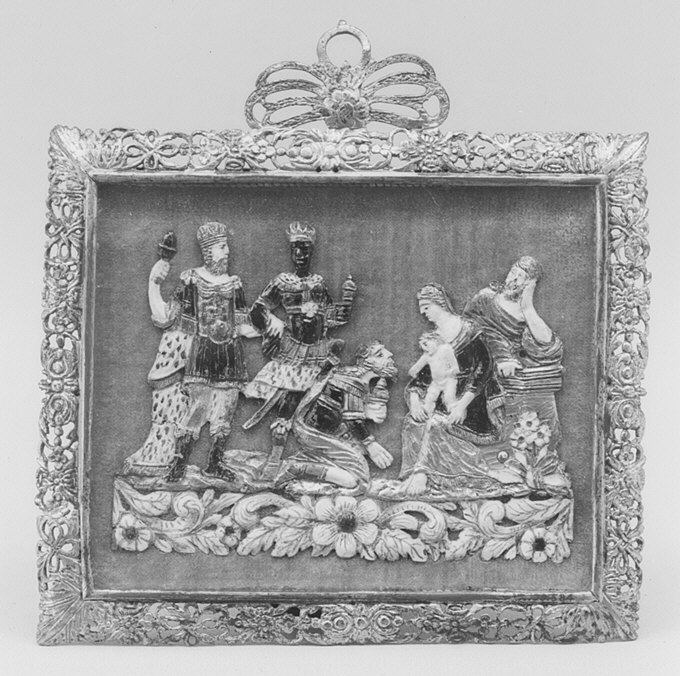
The Magi are First Fire after incarnation has entered the visible field. Now the flame has become image: a child, a body, a name, a destiny, a danger. The gifts identify what the image has received.
Frankincense names source.
Myrrh names body.
Gold names kingship, visible value, and the danger of claim.
So the Burning Bush is the root.
The Magi are the birth-gate.
The same fire moves from revelation into incarnation. One shows the flame in the vessel. The other shows the vessel entering history.
The Magi are not automatically Luciferic fire. They bring entrusted fire.
Luciferic fire begins only when the entrusted fire becomes owned fire.
Frankincense becomes Luciferic when it says:
I am divine.
Myrrh becomes Luciferic when it says:
This body is me.
Gold becomes Luciferic when it says:
I am king.
The Burning Bush shows the flame before the gifts.
The Magi show the gifts before the claim.
Lucifer shows the claim after the gift has been seized.
The Breath as a Burning Bush
Every inhale is a small Burning Bush.
Air enters the body. The chest rises. The inner field brightens. The invisible becomes felt. Presence appears as sensation.
That is First Fire in the body.
But the body does not need to claim the breath.
The practice remains simple:
Inhale: Am. Exhale: Is.
The inhale lets presence become felt in the living vessel. The exhale releases the reflected presence back toward source. The breath enters, appears, fills, and returns.
Receive the flame. Return the flame. Do not become the flame.
The top of the inhale is where the danger begins.
The body is full. The moon of the breath is full. The little image is complete. This is where the claimant can step in:
my breath, my control, my anxiety, my power, my body, my life.
Then the breath becomes identity.
But if the exhale comes cleanly, the claim dissolves before it hardens.
That is why the breath is not merely calming. It is doctrinal. It teaches the whole system without words.
First Fire enters. Second Fire returns. Am appears. Am releases into Is.
The body learns not to keep what was only passing through.
Creative Fire Without Ego
The same law governs creativity.
A sentence arrives.
A melody rises.
An image flashes.
A connection appears between symbols that had never touched before.
That is First Fire.
It is easy to corrupt.
The claimant rushes in:
This is mine. This proves me. This makes me important. This must be seen. This must become identity.
And suddenly the fire that came as gift becomes fuel for Horus.
The work may still be good. The insight may still be real. But the vessel has begun to burn because it has mistaken the flame for self.
The Burning Bush teaches another way.
Let the fire appear.
Let it illuminate the vessel.
Let the task be done.
Then let the flame go back.
The artist does not need to become the art. The writer does not need to become the article. The mystic does not need to become the vision. The wounded one does not need to become the wound. The one who saw does not need to become “the seer.”
The bush burns but is not consumed because it never says:
I am the fire.
What Claims the Flame Becomes Fuel
Why is the bush not consumed?
Because it does not resist the flame and does not claim the flame.
It is transparent to it.
That may be the central Geomytha lesson of the Burning Bush:
What is transparent can burn without being destroyed. What claims the flame becomes fuel.
The vessel is safe when it remains vessel.
The body is safe when it remains reflection.
The gift is safe when it remains entrusted.
The insight is safe when it returns to service.
But if the vessel says, “I am the source,” the fire changes character. It becomes ego-fire. It begins to eat what it once illuminated.
This is why so many awakenings become unbearable.
The fire was not false. The claim was false.
The person saw something real, but then built a self around the seeing. The flame entered the bush, and the bush tried to become a throne.
That is where consumption begins.
First Fire Before Gold
The Burning Bush comes before the Magi in the symbolic order.
The Magi bring gifts to the image: frankincense, myrrh, and gold. Source, body, kingship. Possibility and danger. The child receives the full code of incarnation.
But the Burning Bush shows something even more primary.
Fire before gift. Presence before crown. I AM before “I am this.” Holy ground before public identity.
This is First Fire before gold.
That matters because gold is where the danger sharpens. Gold is visible value. Gold is kingship. Gold is This by substance and I by temptation. Gold invites the image to believe the shine belongs to itself.
But the Burning Bush has no gold.
No crown. No palace. No audience. No public enthronement. No visible reward.
Only flame, bush, ground, voice, and bare feet.
That is why it is pure.
The Flame That Does Not Consume
The first fire is not the ego’s chance to become radiant.
It is source appearing in the living vessel without being owned.
The bush burns but is not consumed because it never says, “I am the fire.” It simply bears the fire long enough for the witness to remember holy ground.
This is the hope of the Waxing Crescent.
The first light appears, but it has not yet become crown. The first motion stirs, but it has not yet hardened into identity. The flame has entered the field, but the claimant has not yet seized it.
There is still time to notice.
There is still time to remove the sandals.
There is still time to let the fire be fire without making it self.
That is the mercy of the Burning Bush.
It does not ask the vessel to disappear.
It asks the vessel to stop pretending it owns the flame.
So when the first spark appears — in breath, in thought, in art, in love, in grief, in calling, in anger, in revelation — pause before the claimant enters.
Notice the fire.
Feel the ground.
Let the body become transparent.
Receive the flame.
Return the flame.
Do not become the flame.