Full Moon · Taurus — ClaimI — ClaimI names claim: the interruption by which reflected presence is taken as mine.Read full entry → in Steadiness — Witnessing the Golden Detour: How Yellow Submarine and The Wizard of OzThe Wizard of Oz — 1939 Film1939 MGM musical fantasy film adapted from L. Frank Baum’s Oz material.Read full entry → Turn ReturnReturn — RemembranceReturn names remembrance and release: the loosening of possession so reflection can become transparent to source again.Read full entry → Into a Trap
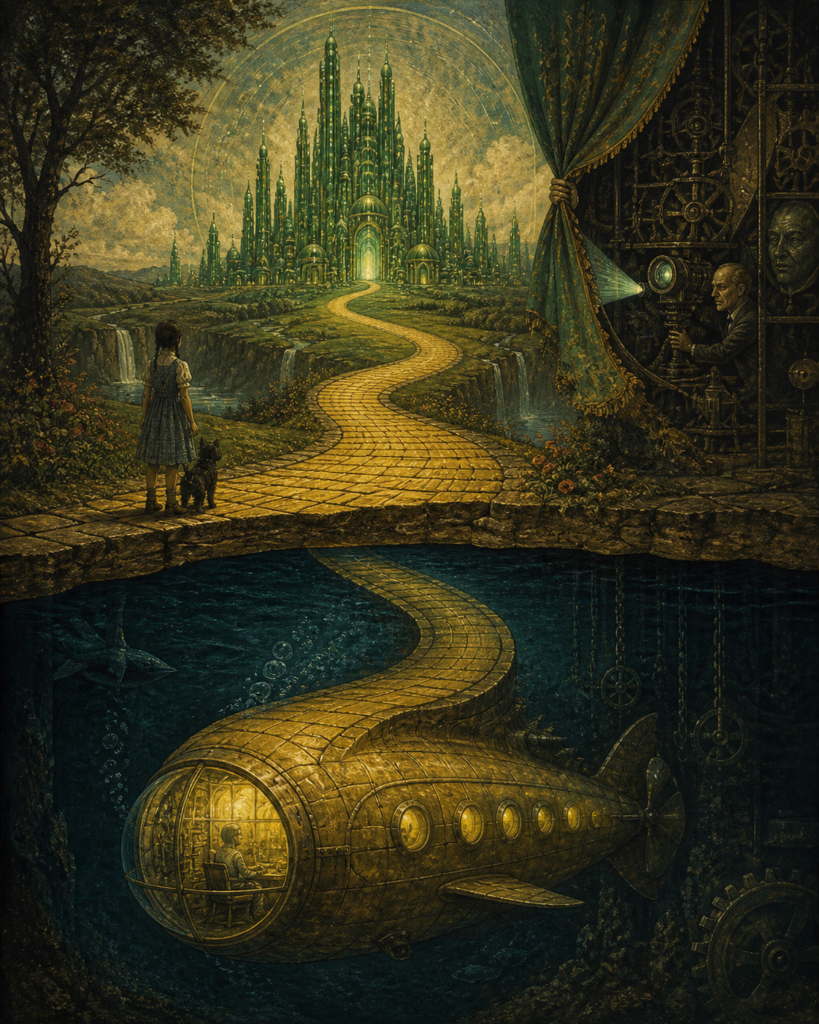
A yellow submarine.
A yellow brick road.
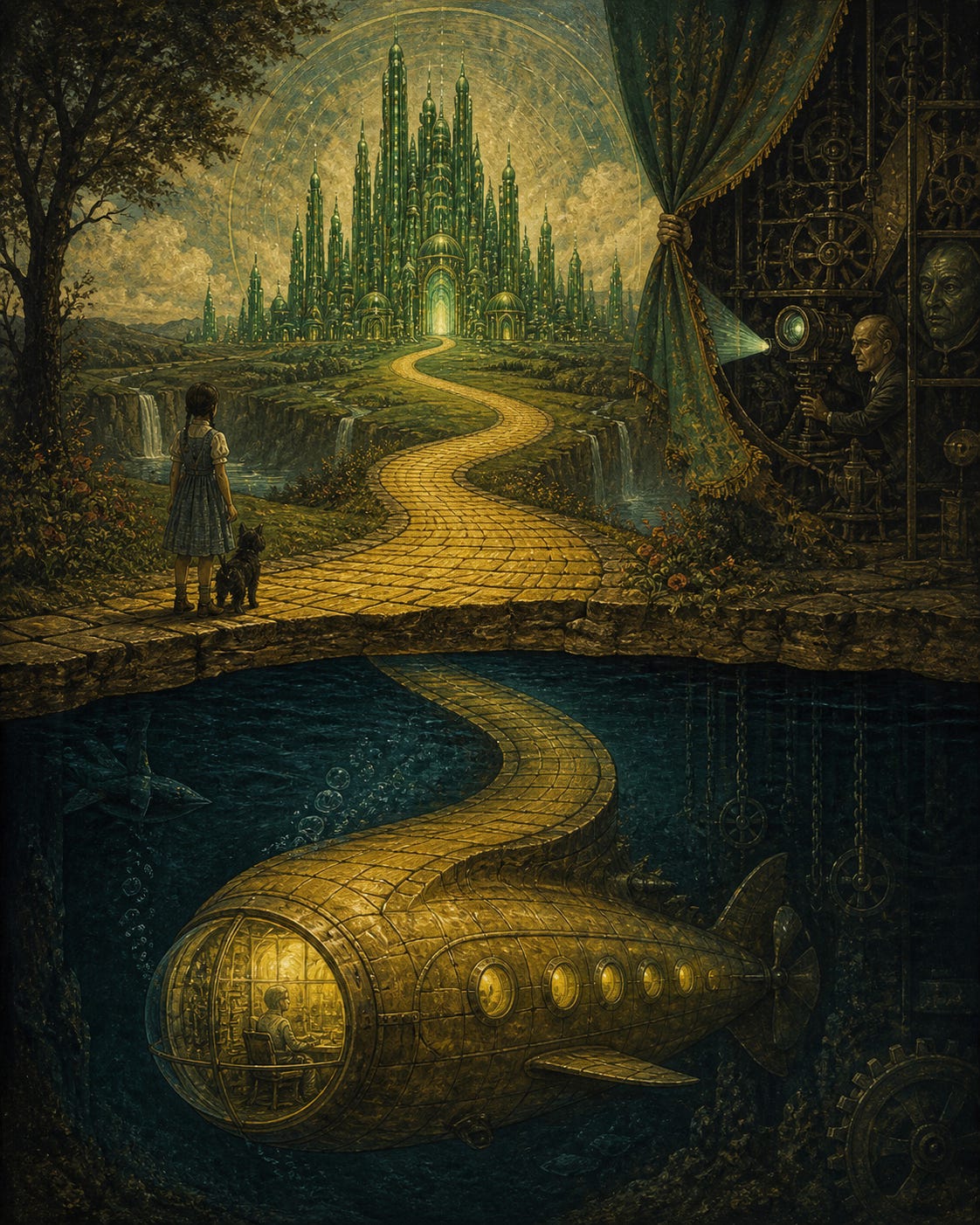
Both images feel innocent. One belongs to a psychedelic musical dream of rescue, color, and communal song. The other belongs to one of the most beloved fairy-tale worlds in American culture: witches, slippers, companions, Emerald City, and the promise of home.
That is why they work.
The deepest traps do not always appear as prisons. Sometimes they appear as roads. Sometimes they appear as vessels. Sometimes they sing. Sometimes they sparkle. Sometimes they invite the child-self to keep moving toward a home that was never actually elsewhere.
In Geomytha, the yellow submarine and the yellow brick road are two versions of the same mechanism: consciousness displaced from home, given a bright mediated route, and sent on a journey that appears to lead back to presence while keeping the false self moving inside the dream.
One goes down.
The other goes forward.
Both keep HorusHorusIn Geomytha, Horus names the identity that forms after claim: This — the body, role, image, wound, belief, or story taken as what the self is.Read full entry → traveling.
The False Journey of Return
The mechanism begins with exile.
Something feels wrong. Harmony has been interrupted. Home seems lost. The self wakes inside a strange arrangement and immediately wants movement. There must be a path, a vehicle, a guide, a wizard, a band, a ticket, a pill, a door, a map, a song, a promise.
This is the first trick: the wound is real, but the proposed solution may already belong to the wound.
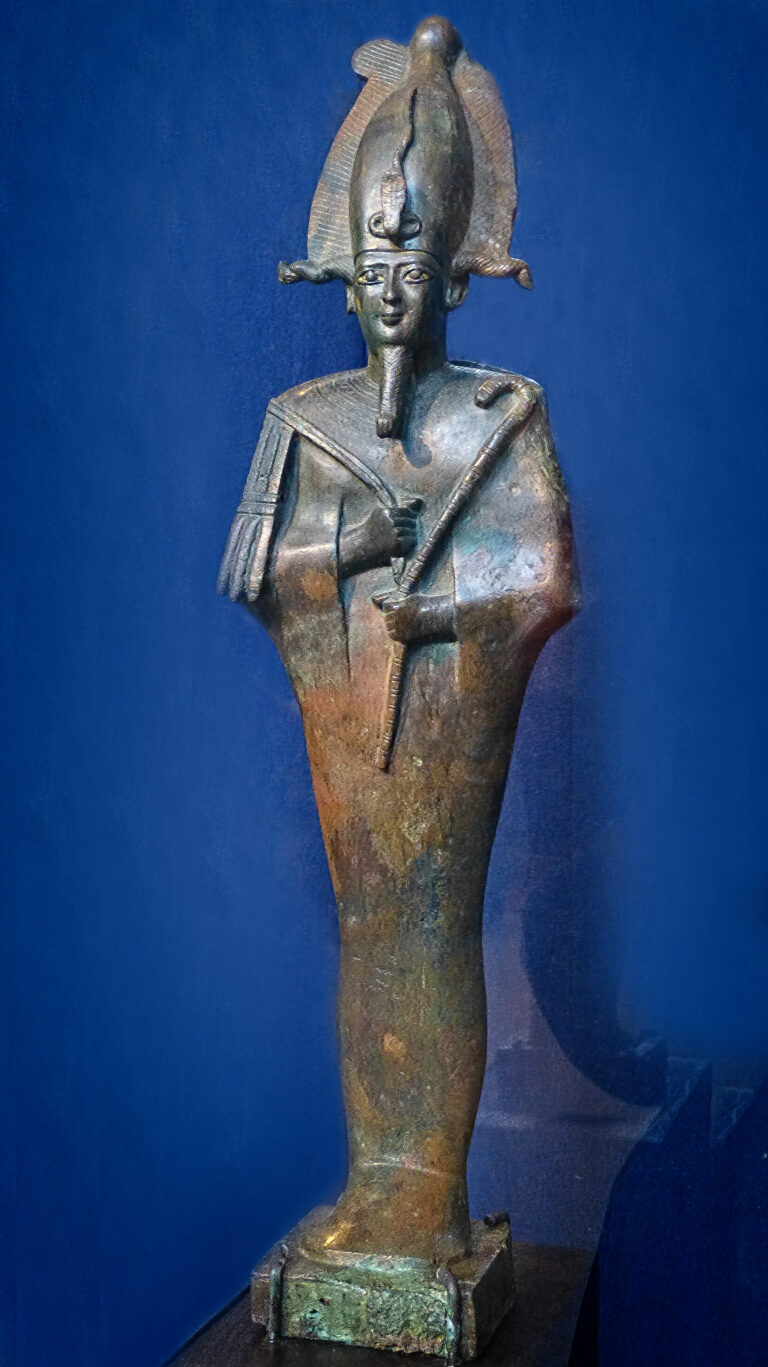
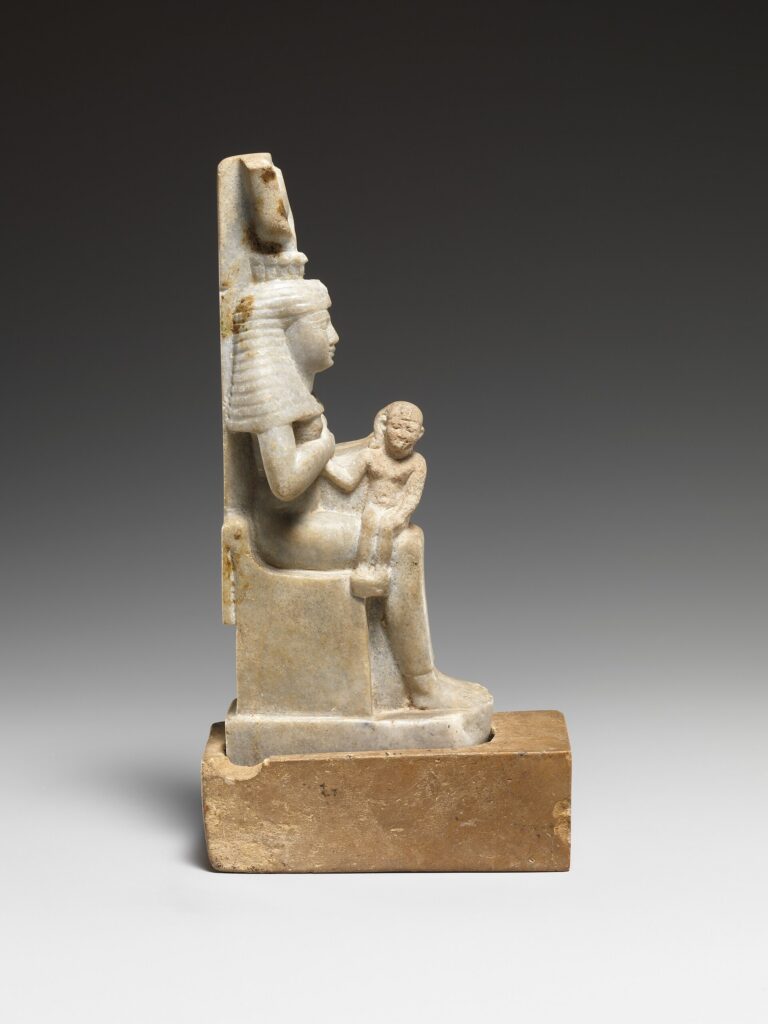
In Geomytha, IsisIsisIn Geomytha, Isis names the unclaimed field: Is — pure being, awareness before possession, and the ground before the claimant appears.Read full entry → is pure awareness, the simple ground of being before thought divides it. OsirisOsirisIn Geomytha, Osiris names reflected presence: Am — awareness reflected as living consciousness without yet becoming ownership.Read full entry → is right reflectionAm — ReflectionAm names reflected presence: awareness embodied or mirrored without yet becoming ownership.Read full entry →, consciousness resting transparently in that awareness. SetSetIn Geomytha, Set names the claimant: I — the interruption by which reflection is taken as mine and converted toward ownership.Read full entry → is projectionThose — ProjectionThose names projection: enemies, outsiders, competitors, threats, and disowned qualities placed beyond the identity boundary.Read full entry →, fragmentationDismemberment / FragmentationDismemberment names the symbolic breaking of a previously integrated reflection into separate parts, roles, objects, or powers.Read full entry →, spectacle, the force that turns immediacy into mediated image. Horus is the time-bound identityThis — IdentityThis names the formed identity: the body, role, image, wound, belief, or story claimed as what the self is.Read full entry → born from that fragmentation: the seeker, the hero, the traveler, the one who wants to get back home without ceasing to be the one who travels.
Horus wants return, but he wants return as accomplishment. He wants presence as destination. He wants awakening as a story in which he remains central.
So Set gives him a road.
Or a submarine.
The Yellow Submarine: A False Womb in the Waters
A submarine moves through water without surrendering to water.
That is the key.
Water usually belongs to depth, womb, unconscious, origin, memory, and return. To enter the waters directly is to risk dissolution. Boundaries soften. Names lose force. The ego cannot remain dry in the flood.
But the submarine solves that problem. It allows descent without surrender. It carries the traveler into the deep while preserving the traveler’s enclosure. The ocean surrounds, but does not touch. The occupants descend, but remain sealed.
That makes the yellow submarine a perfect image of mediated depth.
It is not JonahJonah — Book of JonahBiblical prophet who flees the divine commission in the Book of Jonah.Read full entry →’s whale, which swallows the runaway self and forces surrender. It is not Noah’s ark, which preserves life through catastrophe. It is a bright artificial capsule, a cheerful vessel in the unconscious sea. It turns depth into entertainment. It makes descent musical, safe, colorful, and communal.
And because it is yellow, the image sharpens.
Yellow marks the solar field: brightness, visibility, promise, delight. But solar brightness in Geomytha is dangerous when it substitutes for sourceIs — SourceIs names unclaimed being: awareness before possession, distinction, or identity.Read full entry →. It can imitate illumination while keeping consciousness inside projection. It can make the prison glow.
The yellow submarine is therefore not just a vehicle. It is a false womb. It lets consciousness feel as though it has entered the depths while protecting Horus from the surrender that true depth requires.
It says: come below the surface, but stay inside the image.
The Yellow Brick Road: Linear Seeking Through the Dream
The yellow brick road does not descend. It extends.
It gives Dorothy direction, progress, companions, danger, and hope. It tells her that home is reachable through external movement. Keep walking. Keep seeking. Keep following the bright line. The destination is ahead.
But Dorothy’s story exposes the flaw.
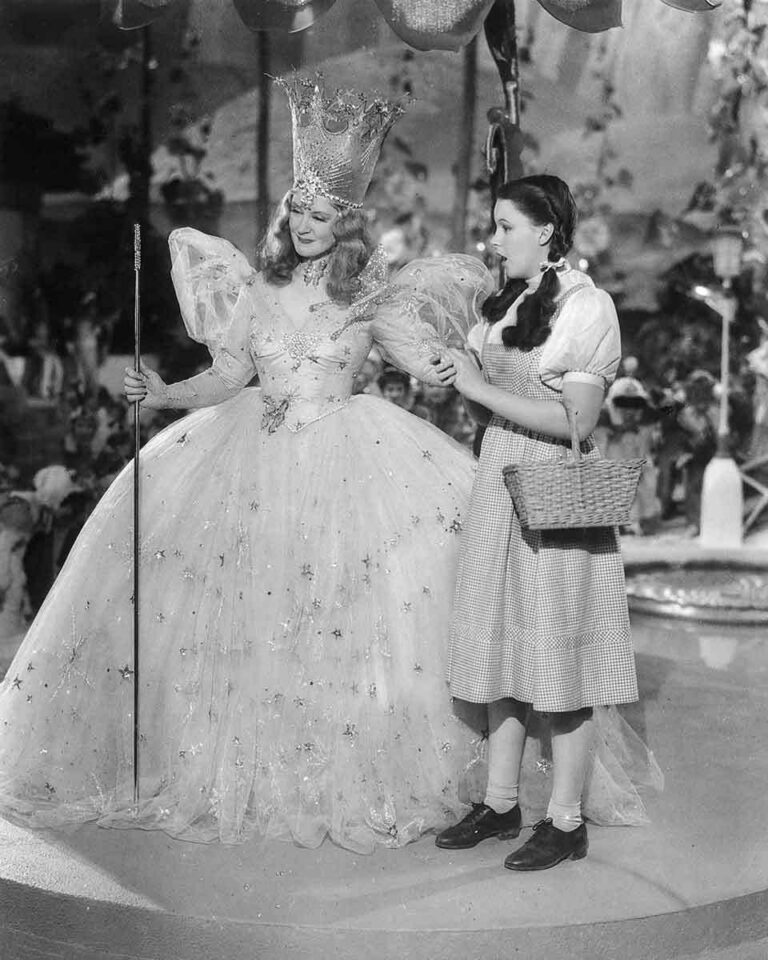
The Wizard does not give her the power to return home. He only dramatizes the failure of external authority. The companions do not supply missing pieces from outside. They reveal faculties already present: intelligence, heart, courage. The slippers are not acquired at the end. They were with her almost the whole time.
The road educates Dorothy by exhausting the lie that home must be granted externally.
That is why the yellow brick road is both trap and teacher. It belongs to illusion, but it can wear illusion out. It gives the seeker enough road to reveal that road itself was never the source.
The road says: walk far enough and you will arrive.
Presence says: see clearly and the distance collapses.
The Emerald City: The False Illusory Home
The Emerald City is the yellow brick road’s promised destination, but it is not home.
Dorothy is not trying to reach a city. She is trying to return to Kansas. The city is only presented as the place where return can be authorized. It is the shining center of the dream, the place where the seeker believes power lives.
But when she arrives, the city does not restore her.
It delays her.
It processes her.
It dazzles her.
It sends her on another task.
That is the structure of false home.
The Emerald City looks like arrival, but it is really another layer of mediation. Its greenness suggests life, healing, renewal, and heart-centered restoration, but the city’s radiance is artificial. It is managed vision. It is spectacle. It is a place whose authority depends on controlled perception.
That is pure Set.
Set does not merely build the road. He builds the destination that makes the road seem justified. The Emerald City is projection posing as refuge. It gives the seeker the emotional feeling of arrival while keeping her dependent on external authority.
The Wizard is the false priest of the false home. He appears immense because the city magnifies him. Once the curtain is pulled back, the authority collapses into machinery, performance, and amplified voice. The promised center is exposed as stagecraft.
In Geomytha terms, the Emerald City is Horus’s fantasy of Osiris: an externalized image of wholeness, order, and restoration that imitates true reflective harmony without actually returning consciousness to source. It is not embodied presence. It is not Kansas. It is a jeweled projection inside the dream.
If the yellow brick road is the false path of return, the Emerald City is the false destination of return. Together they expose the same trap: the ego first turns presence into distance, then turns the destination into an institution, an image, a city, a ruler, a system, a place where someone else supposedly grants the return.
But home is not granted by the Wizard.
Home is remembered when the false centerFalse CenterA false center forms when sovereignty is assigned to an object, role, institution, future state, identity, or projection that cannot actually serve as source.Read full entry → loses power.
False home always postpones home.
Why Yellow Matters
Yellow and gold are not neutral colors here.
They promise value. They announce brightness. They suggest treasure, sunlight, childhood, divinity, initiation, wonder. A golden road feels trustworthy because it shines. A yellow submarine feels joyful. The Emerald City glows with false authority before the curtain is pulled back.
That is how Set works at his most refined. He rarely appears first as horror. He appears as radiance without root.
The false path rarely looks like a prison. It looks like hope. It looks like rescue. It looks like a song everyone already knows.
But brightness is not the same as truth.
A thing can shine because it reflects source. It can also shine because it has captured attentionAttention CaptureAttention capture occurs when a system, image, feed, identity, or spectacle repeatedly seizes the field of awareness and trains what appears urgent, valuable, threatening, or real.Read full entry →. The difference is everything.
The yellow brick road shines, but it does not hold.
The yellow submarine glows, but it does not dissolve.
The Emerald City dazzles, but its authority hides behind a curtain.
Yellow is the color of the detour when illumination is borrowed from the very world one is trying to escape.
Other Roads, Pills, Tickets, Holes, and Doors
Once the pattern is seen, it appears everywhere.
In The MatrixThe MatrixThe Matrix presents Neo’s ordinary experienced world as a computer-generated or neural-interactive construct maintained by a machine system. The film repeatedly distinguishes the operative rules of that construct from whatever lies outside…Read full entry →, the red pill functions as a threshold out of the false world. But even there, the danger remains: Neo may awaken from the Matrix, yet “The One” can become another identity. Liberation can harden into saviorhood.
In The Truman ShowThe Truman ShowThe Truman Show presents Truman Burbank living unknowingly inside a constructed television environment whose town, relationships, routines, and physical conditions are organized by a production system around him. The film repeatedly exposes…Read full entry →, Seahaven is a perfect artificial home. Truman’s liberation does not come by mastering the set. It comes by leaving it. The exit door is stronger than the yellow brick road because it does not promise more adventure inside the illusion. It opens beyond the staged world altogether.
In Willy Wonka and the Chocolate Factory, the golden ticket grants entry into an enchanted interior, but the factory is not paradise. It is a desire-testing machine. The golden invitation does not save the children. It reveals them.
In AliceAlice — Alice’s Adventures in WonderlandAlice, the protagonist of Lewis Carroll’s Alice’s Adventures in Wonderland.Read full entry → in WonderlandWonderland — Alice’s Adventures in WonderlandThe strange world Alice enters in Lewis Carroll’s Alice’s Adventures in Wonderland.Read full entry →, the rabbit hole is descent into unstable identity. Alice enters a field where size, language, logic, and self-definition break down.
In “Hotel CaliforniaHotel California — EaglesHotel California is the title track of the Eagles’ 1976 album. The Recording Academy records the song as Record of the Year and a GRAMMY Hall of Fame inductee. Don Henley has…Read full entry →,” the road leads to a glamorous enclosure. The traveler arrives, enjoys the seductive atmosphere, and discovers the nightmare hidden inside the luxury: one may check out, but never truly leave.
TheseThese — AccumulationThese names accumulation: possessions, titles, achievements, beliefs, communities, and other extensions gathered around identity.Read full entry → examples share the same skeleton: a mediated passage through illusion that may either awaken consciousness or give the ego a more mythic costume.
The question is never only: did the character move?
The question is: did the false center dissolve?
Not Every Vessel Is a Trap
Not every road, vessel, guide, or threshold is false.
Some containers are not entertainment chambers. They are surrender chambers.
Jonah’s whale is not the yellow submarine. Jonah does not enter the depths in a cheerful capsule with music and friends. He is swallowed. The vessel is alive, dark, corrective, and humiliating. It does not preserve his egoic adventure. It interrupts him.
Noah’s ark is also a vessel through water, but its logic is different. It is not psychedelic travel. It is preservation through flood. It carries life through dissolution when the world has become uninhabitable.
That is the distinction.
A true vessel humbles the self.
A false vessel entertains the self.
A true path reduces illusion.
A false path beautifies it.
A true guide points beyond himself.
A false guide becomes necessary to the seeker’s identity.
A true threshold strips the self.
A false threshold flatters the self with initiation.
The problem is not symbol. The problem is possession by symbol.
The Ego Wants the Map More Than Home
The false self loves maps because maps let it continue.
A map creates distance. Distance creates future. Future creates seeking. Seeking creates identity. Identity creates the one who is not home yet but may arrive later if he follows correctly.
That is Horus at his most subtle.
He no longer says, “I am merely this body, this role, this status, this wound.” Now he says, “I am the traveler. I am the awakened one. I am the seeker of home. I am the one following the golden road. I am the one inside the sacred vessel. I am the one who took the pill, found the ticket, entered the portal, escaped the cave, decoded the symbols.”
It is still “I.”
The ego can survive almost any journey as long as it remains the traveler. What it cannot survive is direct presence.
Presence does not give Horus a heroic role. It does not require a yellow road. It does not need a submarine. It does not crown the traveler. It does not ask the self to become more interesting before it returns.
Presence simply exposes that the whole drama of distance has been appearing inside awareness from the beginning.
That is the terror of homecoming.
The seeker discovers that home was not at the end of the road. The road was inside the dream. The one walking it was also inside the dream.
Stepping Off the Golden Detour
The practical question is simple.
When a path appears, ask: does this return awareness to presence, or does it deepen the story of meNarrative Self-Maintenance / Story of MeNarrative Self-Maintenance is the continuous work of explaining, rehearsing, defending, projecting, and interpreting experience so that the story of me remains central and coherent.Read full entry →?
When a vessel appears, ask: does this hold me through surrender, or does it protect me from surrender?
When a guide appears, ask: does this figure point beyond himself, or make himself necessary?
When a golden promise appears, ask: what does it ask me to postpone?
When a world becomes colorful, musical, enchanted, or heroic, ask: is this symbol opening into source, or is it giving the false self a prettier place to live?
The point is not to hate Oz.
The point is not to drain the BeatlesThe Beatles — Band / ArtistThe Beatles are the band associated with “Eight Days a Week.”Read full entry → of joy.
The point is not to become suspicious of every road, song, story, or image.
The point is to witness the mechanism.
A symbol is holy when it becomes transparent. It is false when it becomes a substitute for seeing. The yellow submarine and the yellow brick road both become useful once their enchantment is understood. They show the same truth from different angles: the ego will happily travel through wonder if wonder allows it to remain intact.
But home is not reached by remaining intact.
Home begins when the traveler stops asking the road to save him.
Home begins when the vessel is no longer mistaken for the womb.
Home begins when the Wizard loses authority, the curtain falls, and the shining path is seen for what it was.
A beautiful detour.
The way home begins when consciousness sees that it was never lost in space.
It was lost in movement.