The room is almost empty.
The costume is gone.
The mirror is covered.
The phone is face-down.
The candle is out.
The quiet room has stopped performing.
But one object remains on the table.
A ring.
A photograph.
A letter.
A key.
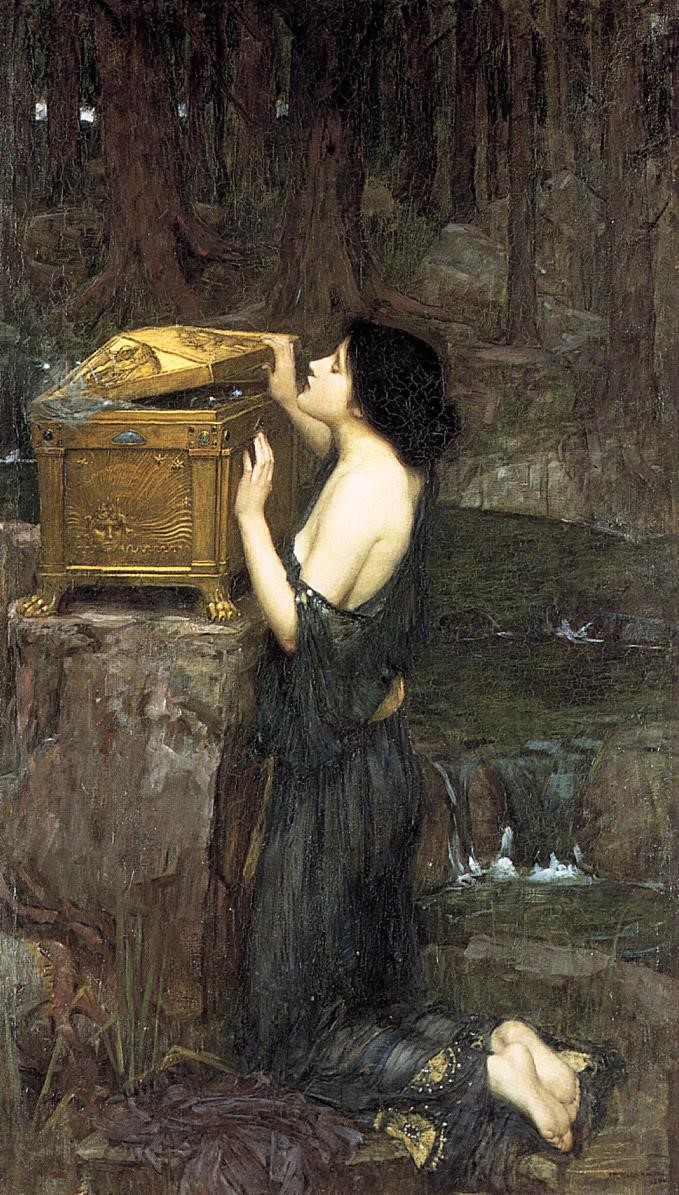
A box.
A document.
A keepsake.
A theory.
A wound.
The self looks at everything else and says, fine.
But then it sees that one thing.
Not this.
That is where the claimantSetIn Geomytha, Set names the claimant: I — the interruption by which reflection is taken as mine and converted toward ownership.Read full entry → is usually hiding.
Not always in the obvious throne. Not always in the public image. Not always in the ritual, the profile, the spiritual identityThis — IdentityThis names the formed identity: the body, role, image, wound, belief, or story claimed as what the self is.Read full entry →, the argument, or the performance. Sometimes the ego survives surrender by retreating into one final object, one final memory, one final explanation, one final grief, one final proof.
The last thing it will not put down.
That thing may be physical. A ring, a box, a photograph, a childhood object, an old shirt, a legal paper, a gift, a relic, a phone, a saved message, a drawer full of things that cannot be used and cannot be released.
Or it may be inward.
A wound.
A role.
A relationship.
A grievance.
A diagnosis.
A certainty.
A theory.
A sacred explanation.
A version of the past that must remain exactly as it is because the self has learned to live inside it.
In Geomytha, the false self forms through a simple grammar: Is, Am, I, This. Is is awareness before claimI — ClaimI names claim: the interruption by which reflected presence is taken as mine.Read full entry →. Am is reflected presenceAm — ReflectionAm names reflected presence: awareness embodied or mirrored without yet becoming ownership.Read full entry →. I is the claimant that interrupts the current. This is the identity that hardens after the claim. The false-self sentenceThe False-Self Sentence — I Am ThisThe false-self sentence forms when claim joins reflection to a fixed object of identity: I am this.Read full entry → is I am this. The correction is to inhale Am, exhale Is, and let reflection returnReturn — RemembranceReturn names remembrance and release: the loosening of possession so reflection can become transparent to source again.Read full entry → before the claimant takes possession.
Here, the sentence becomes heavy:
I am this possession.
I am this story.
I am this wound.
I am this proof.
I am this explanation.
I am this thing I cannot release.
That is the final grip.
Taurus understands why this is hard.
Taurus knows weight. It knows touch. It knows the object in the hand, the meal on the table, the house that holds the body, the heirloom in the drawer, the ring on the finger, the photograph that still carries a face more vividly than memory alone.
Taurus does not despise things.
It knows that matter can carry meaning.
It knows that continuity needs vessels.
It knows that love often leaves traces.
It knows that the body needs ground.
So the problem is not having things.
The problem is when the thing becomes the handle by which the claimant keeps itself alive.
The thing is not false because it has weight.
It becomes false when it makes the self heavier than presence.
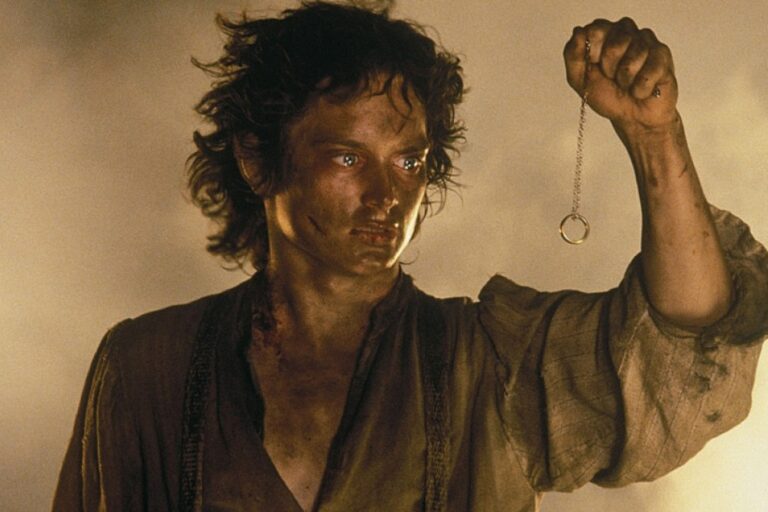
The One RingOne Ring — The Lord of the RingsThe One Ring is Sauron’s Master-ring and the central object of the Ring quest. Frodo and Sam carry it toward Mount Doom to destroy it. Tolkien later wrote that at the final…Read full entry → is the cleanest mythic object here.
At first, the Ring appears as something one owns. It is small. Portable. Secret. Precious. It can be held in the palm. It can be hidden under clothing. It can be passed from one bearer to another.
But gradually the relationship reverses.
The bearer thinks he protects the Ring. But the Ring is protecting itself through the bearer.
That is the genius of the symbol.
Possession becomes possession.
The object does not merely sit there. It asks to be guarded. It creates secrecy. It creates justification. It creates a private gravitational field around itself. The person begins organizing perception around the thing: who threatens it, who wants it, who understands it, who must not know, who cannot be trusted.
The Ring becomes This hardened into object.
The claimant says mine.
Then the object begins speaking back as identity.
The danger is not merely that the Ring is possessed.
The danger is that possession becomes the possessor.
Gollum shows the end of that process.
“My precious” is not ordinary attachment. It is identity collapse. The phrase is almost tender, but the tenderness has become deformed. The object is loved, protected, worshiped, hidden, desired, and hated. It is not simply valuable. It is self.
Gollum does not have the precious.
The precious has him.
That is why he becomes such a severe image of the final grip. He has been reduced to relation with one object. The whole field of life has narrowed into the loop between claimant and possession.
Mine.
Mine.
Mine.
In the new grammar, Am has been seized by I and hardened into This so completely that almost nothing else remains. Reflection no longer returns. It orbits. The living field collapses into one claim.
That is why the Ring belongs in this Waning Crescent article. The phase asks for surrender, but the Ring reveals the last refusal. The self can speak of sacrifice, danger, mission, loyalty, duty, and necessity. But underneath, a smaller voice is still saying:
Not this.
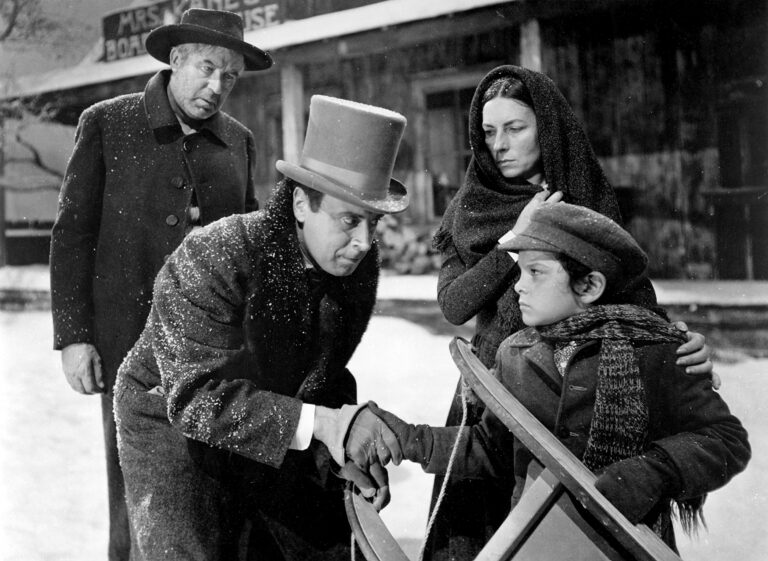
Citizen Kane gives the more human version.
Kane builds an empire of image, wealth, influence, collection, command, and display. He surrounds himself with objects. He accumulates. He purchases beauty, art, spaces, statues, headlines, rooms, witnesses, and evidence of importance. His public self becomes enormous.
But the final word is not empire.
It is RosebudRosebud — Citizen KaneCitizen Kane organizes much of its retrospective investigation around Kane’s final word, “Rosebud.” The film ultimately reveals Rosebud as the sled associated with his childhood before he was taken from his mother.…Read full entry →.
And that name matters.
Rosebud is not only the name of a sled. The word carries the wound. A rose is beauty with a thorn, bloom with pain, fragrance with danger, love that cannot be held without being pierced. A bud is life before opening, potential before bloom, childhood before full appearance.
Rosebud is the unopened wound of love.
The childhood self that never fully flowered.
In Geomytha, rose can also carry an Is-like symbolic pressure. It is bloom, appearing, delicate presence, living beauty before possession. In Ring Around the Rosie, the ring closes around the roseThe Rose — The Little PrinceThe Little Prince cares for a particular rose and comes to understand her as unique through the time and attention he has given her. Official Little Prince materials emphasize watering, protecting, attending…Read full entry →: the loop forms around the living centerShell and CenterShell and Center distinguishes the structure built to preserve, transmit, or protect living source from the living center the structure is meant to serve.Read full entry →, and the innocent bloom becomes enclosed by pattern. That is why Rosebud strengthens the whole reading. It is not merely a memory-object. It is unopened presence. The unbloomed center hidden beneath the empire-self.
Kane’s empire is the giant This.
Rosebud is the buried object-memory that reveals why the claimant kept building.
This is important because the final grip is not always greed.
Sometimes it is grief.
Sometimes the last possession is not power. It is the wound that never stopped asking to be held.
That is why sentimental objects cannot be mocked too easily.
A box of letters may be absurd to one person and sacred to another. A photograph may be only paper to an outsider and a whole lost world to the one who keeps it. A child’s drawing, a ring, a scarf, a tool, a book, an old shirt, a voicemail, a broken toy, a ticket stub, a court paper, a key to a house no longer owned — theseThese — AccumulationThese names accumulation: possessions, titles, achievements, beliefs, communities, and other extensions gathered around identity.Read full entry → can carry relation.
They can carry proof that something happened.
Proof that someone loved.
Proof that someone was here.
Proof that the wound was real.
Proof that the younger self existed before the empire, before the persona, before the mirror crown, before the performance.
That proof can matter.
The question is not whether objects should exist.
The question is what the object is doing to the holder.
Does it carry memory cleanly?
Or does it keep the wound frozen?
Does it return the body to gratitude?
Or does it make the claimant larger?
Does it help love remain tender?
Or does it keep the self loyal to an old injury?
A keepsake becomes a prison when it keeps the self from returning.
This is the ordinary side of the same problem.
Boxes in closets.
Drawers of old papers.
Clothes from an old self.
Screenshots.
Voice messages.
Gifts from people no longer present.
Objects that cannot be used, enjoyed, repaired, displayed, or released.
Again, this should not be sneered at.
People keep things because things help the body remember. The body needs objects sometimes. Mourning often needs a vessel. Love often needs a place to rest. Memory can be too large to hold without something small to touch.
But there comes a point where the vessel no longer carries memory.
It preserves identity.
Then the object stops saying, this mattered.
It begins saying, this is you.
That is the line.
The Fight Club apartment gives the modern Taurus satire.
A life assembled through catalog objects. The right couch. The right lamp. The right table. The right tasteful arrangement. The self becomes a room full of purchased signals. Identity is built through texture, brand, aesthetic, and possession.
The apartment says:
This is who I am.
But it is fragile because it is borrowed from objects. The self has not become real. It has been furnished.
The catalog self does not own things.
It borrows existence from them.
This is why possession and image are not separate. Volume Seven describes the screen age as the age where the self becomes profile, performance, avatar, aesthetic signal, and image-dependent identity; modern HorusHorusIn Geomytha, Horus names the identity that forms after claim: This — the body, role, image, wound, belief, or story taken as what the self is.Read full entry → no longer only believes, he curates. The curated room is the profile before the profile, or the profile made physical.
Taste becomes biography.
Objects become personality.
The home becomes proof.
This can be beautiful. A home can express the soul. A room can hold memory, order, warmth, hospitality, and real continuity. But when the claimant hides there, the room stops holding life and starts holding selfhood.
Then losing the thing feels like dying.
Because the self has outsourced its existence to the arrangement.
Sacred objects carry the same danger and the same possibility.
A relic, icon, bead, photograph, ring, heirloom, altar object, or inherited devotional item can concentrate memory. It can return the body to gratitude. It can remind the holder of what should not be forgotten. It can become a small door through which the living current returns.
That is real.
But the same object can harden into shell.
A holy thing is alive only while it returns the holder to presence.
If it becomes proof of superiority, proof of belonging, proof of purity, proof of chosenness, proof of spiritual seriousness, or proof that the claimant is protected by the object, the current has started to die inside the vessel.
This is the same danger that appears when living breath hardens into dogma. Form can serve presence, but it becomes false when it replaces presence. The object may remain outwardly holy while inwardly becoming dead weight.
That is why the object must be weighed.
Not by market value.
Not by public meaning.
By what it does to the claimant.
Does it soften him?
Does it reduce possession?
Does it open gratitude?
Does it return memory to love?
Or does it make the self more defended?
The Velveteen RabbitThe Velveteen RabbitMargery Williams’s story follows a toy rabbit that becomes Real through love, wear, and lived relationship rather than through pristine appearance.Read full entry → is the necessary contrast.
Not every loved object is bondage.
The rabbit is not precious in the Gollum sense. It is precious because love has passed through it. It does not demand secrecy, domination, or identity. It does not make the child smaller. It does not build a throne around itself.
It becomes real by being loved until the pristine surface wears away.
That is the opposite of possession.
A true keepsake carries love without demanding identity.
It can be held lightly, even when it is cherished deeply. It does not need to be worshiped. It does not need to be protected as self. It does not keep the holder trapped in the wound. It keeps relation warm without freezing the person at the moment of loss.
That is the distinction.
Gollum’s precious collapses the world into possession.
Rosebud reveals the unhealed child beneath the empire.
The Velveteen Rabbit carries love through wear and softness.
Three objects.
Three different spiritual functions.
The Ring possesses.
Rosebud exposes.
The Rabbit returns.
That is how the article should read objecthood.
Not every object is false.
Not every attachment is corruption.
Not every keepsake is a prison.
But every final grip must be examined.
Waning Crescent asks for surrender. The hidden pressure of this phase moves through fading, yielding, bowing, dissolving, vanishing, preparing, unmaking, hollowing, resting, and returning. The supporting notes define Surrender / Trust as yielding, quieting, resting, and letting go of control.
That does not mean throw away everything.
It means stop being owned.
The object may stay.
The claim has to loosen.
That is the mature version of surrender. Not dramatic destruction. Not spiritualized decluttering. Not pretending nothing matters. Not cold detachment. Not punishing the heart for loving what it loved.
Surrender is more exacting than that.
It asks:
Can this remain without being me?
Can I remember without freezing?
Can I grieve without building a home inside the grief?
Can I keep the object without making it a throne?
Can I release the identity even if the thing stays in the drawer?
That is harder than throwing it away.
Anyone can stage a purge.
The deeper release is no longer being possessed by what remains.
So take the object in your hands, literally or inwardly.
The ring.
The photograph.
The theory.
The wound.
The letter.
The proof.
The certainty.
The childhood box.
The last explanation.
The final thing you keep saying you cannot put down.
Ask it plainly:
What do I believe I lose if I release you?
What identity do you let me keep?
Do you make me grateful, or defended?
Do you return me to love, or keep me frozen?
Can I hold you lightly?
Can I let you exist without becoming you?
Then stop.
Do not rush to discard.
Do not rush to keep.
Inhale:
Am.
Exhale:
Is.
Let the grip loosen before making the decision.
Because release is not always throwing away.
Sometimes release is no longer being owned by what remains.
The ring may stay.
The photograph may stay.
The letter may stay.
The relic may stay.
The memory may stay.
The story may even stay, changed by being seen more clearly.
But the claimant cannot keep hiding inside it.
That is the real question at the edge of the Waning Crescent.
Not what do you own?
What owns you?
Not what do you remember?
What identity does the memory still protect?
Not what do you value?
What must remain heavy so the false self can feel real?
Taurus gives the object weight.
Waning Crescent asks whether the weight can finally bow.
There is no need to make surrender cruel.
Keep what still carries love.
Put down what only carries the claimant.