The Messiah does not enter scripture only as a man.
He enters as light.
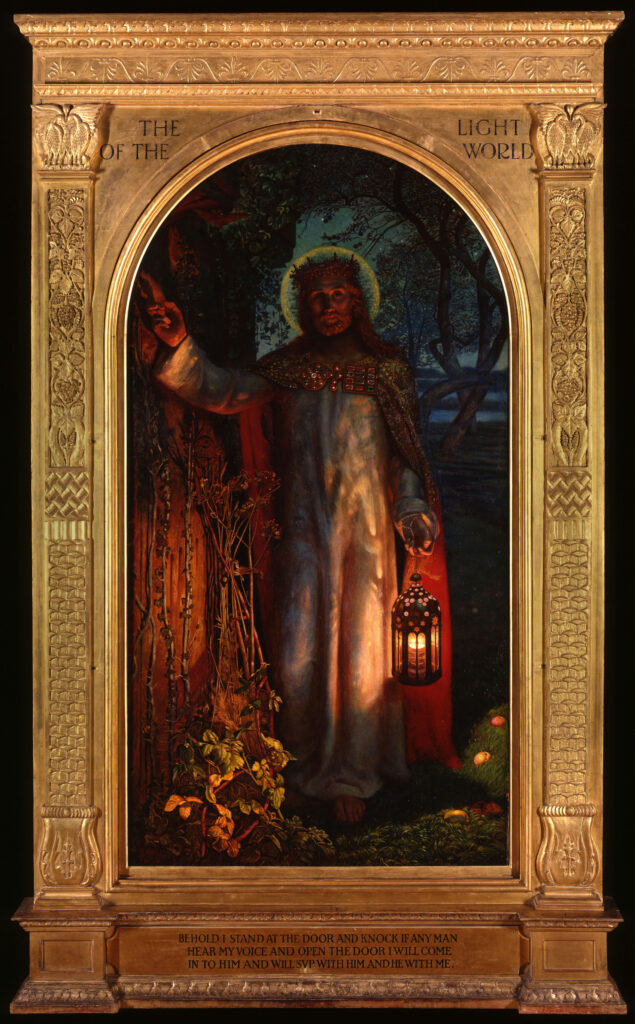
He rises. He shines. He appears after darkness. He heals like the sun. He arrives like dawn. He is called the light of the world, the dayspring from on high, the bright morning star, the sun of righteousness.
That does not mean the Messiah is merely the physical sun.
It means the Messiah-function is solarized.
This distinction matters. A crude reading says, “Religion is just sun worship.” That is too flat. Scripture is not simply pointing at the sky and mistaking astronomy for theology. It is doing something stranger and more powerful. It takes the emotional structure of sunrise—waiting, darkness, expectation, returnReturn — RemembranceReturn names remembrance and release: the loosening of possession so reflection can become transparent to source again.Read full entry →, warmth, exposure, judgment, visibility—and places that structure onto salvation.
The world is dark.
The people wait.
The light rises.
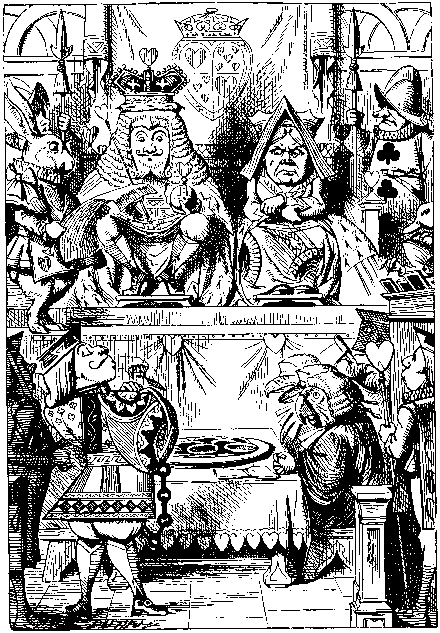
The king returns.
This is solar grammar.
Malachi gives the image almost too directly: the “Sun of righteousness” rises with healing. Salvation is not imagined as a concept floating above the body. It is imagined as dawn touching a wounded field. Luke calls the messianic arrival the “dayspring from on high.” John gives the declaration: “I am the light of the world.” RevelationRevelation — Book of RevelationThe final book of the Christian New Testament, also called the Apocalypse of John.Read full entry → sharpens the same field into the “bright morning star,” the sign before the full day.
The Messiah is therefore not only a person within time. The Messiah becomes the figure around whom time reorganizes itself.
That is the deeper mechanism.
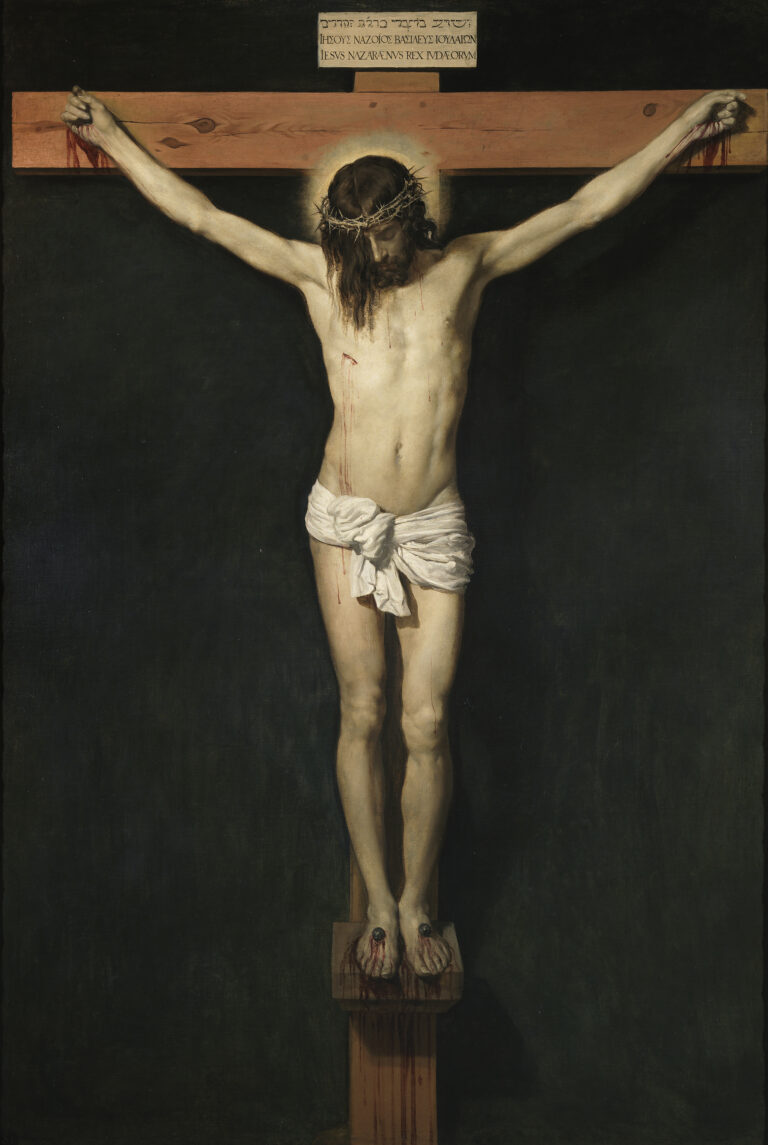
The older sacred world moves by recurrence: moon, flood, harvest, descent, return, death, resurrection, season. The messianic world moves by expectation: prophecy, arrival, crucifixion, resurrection, second coming, final judgment. Sacred time becomes historical. The soul no longer only participates in rhythm. It waits for fulfillment.
Geomytha reads this as the solarization of salvation.
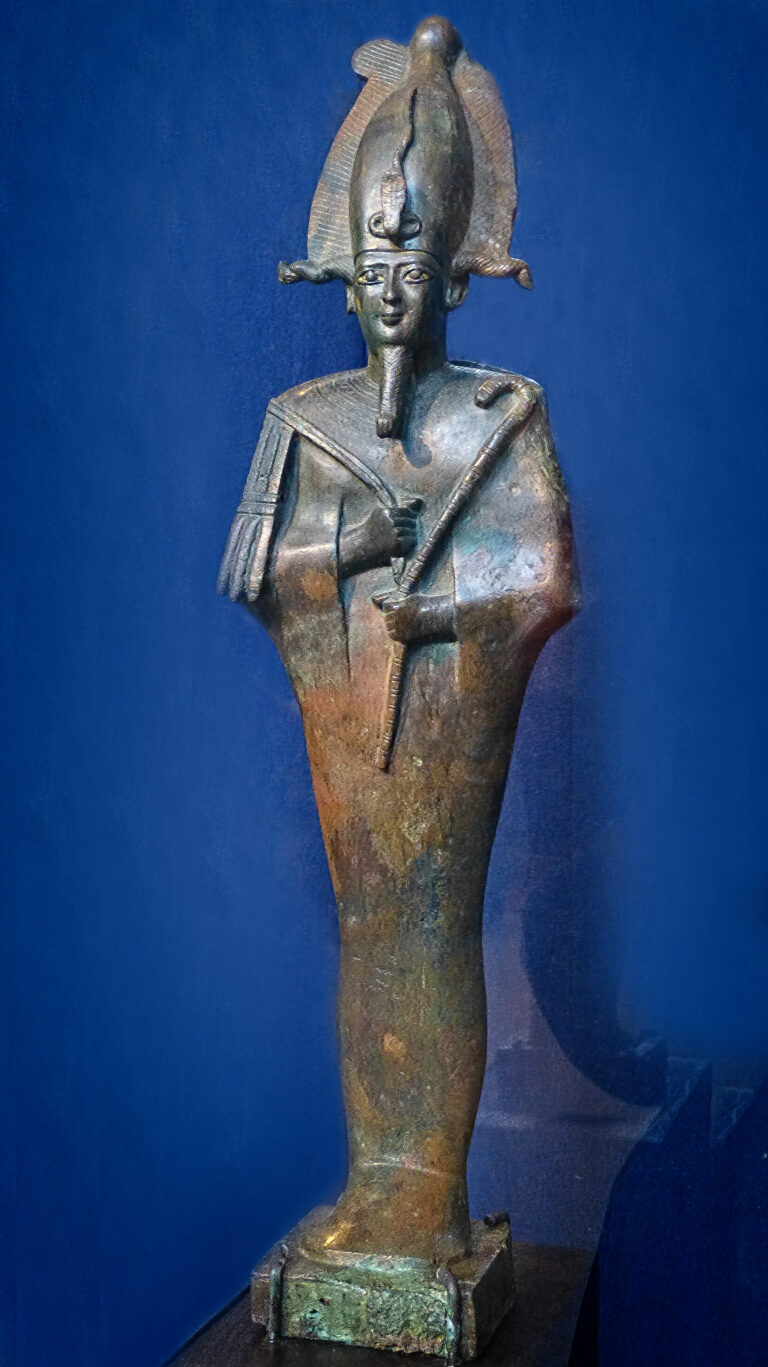
OsirisOsirisIn Geomytha, Osiris names reflected presence: Am — awareness reflected as living consciousness without yet becoming ownership.Read full entry → belongs to reflectionAm — ReflectionAm names reflected presence: awareness embodied or mirrored without yet becoming ownership.Read full entry →, recurrence, and lunar return. He dies, descends, is gathered, and returns through rhythm. SetSetIn Geomytha, Set names the claimant: I — the interruption by which reflection is taken as mine and converted toward ownership.Read full entry → fractures that reflection and pulls consciousness into projectionThose — ProjectionThose names projection: enemies, outsiders, competitors, threats, and disowned qualities placed beyond the identity boundary.Read full entry →, command, future, separation, and linear time. HorusHorusIn Geomytha, Horus names the identity that forms after claim: This — the body, role, image, wound, belief, or story taken as what the self is.Read full entry → then appears as the identityThis — IdentityThis names the formed identity: the body, role, image, wound, belief, or story claimed as what the self is.Read full entry → born inside the divided field: the heir, the ruler, the crowned self trying to restore what fragmentationDismemberment / FragmentationDismemberment names the symbolic breaking of a previously integrated reflection into separate parts, roles, objects, or powers.Read full entry → already broke.
The Messiah-image intensifies this pattern. He is not merely the healer of the wound. He risks becoming the crowned image around which the wound is organized.
That is the danger.
Because the same light that reveals can also rule.
A sunrise can awaken the body. It can also start the workday. It can bring warmth. It can also begin the regime of measurement: hour, labor, duty, schedule, chronology. The sun heals, but the sun also commands. It makes things visible. It exposes. It judges. It fixes the world into daytime certainty.
This is why messianic solar language is double.
On one side, it points inward. The dawn can symbolize recognition. The light can mean the end of confusion. The morning star can rise in the heart. The kingdom can be within. This is the liberating reading: consciousness wakes from projection and recognizes presence already here.
But on the other side, the same imagery can be externalized. The light becomes ruler. The king must return. The world must wait. Salvation is deferred into history. The soul is trained to expect rescue from above, from outside, from the next dawn, the next age, the next crowned figure.
That is where the Messiah becomes dangerous.
Not because light is false.
Because waiting can become obedience.
A soul waiting for the returning light may forget that awareness existed before the dawn. A people waiting for the crowned figure may forget the kingdom within. A civilization dating itself around the sacred image may confuse chronology with truth.
This is the hidden power of BC and AD. The ChristChristJesus Christ as the central figure of Christianity. Matthew 27 depicts the soldiers' mock coronation with a robe and crown of thorns before crucifixion; Philippians 2 describes Christ humbling himself and becoming…Read full entry →-image does not merely appear inside history. History begins orbiting the image. Even when the language is secularized into BCE and CE, the axis remains. The name changes. The chronology does not.
That is why Christ, symbolically, becomes chronology.
Not because the word Christ literally means time. It does not. Christ means the anointed one. But once the anointed image divides time into before and after, the anointed one becomes the ruler of historical consciousness.
The Messiah becomes the sun of the calendar.
And once that happens, everyone lives beneath the same symbolic sky.
This is also why simplistic conspiracy readings fail. The issue is not that one group is secretly waiting for a future Messiah. The deeper issue is that the whole world has already been trained into messianic time. Waiting is everywhere. Progress will save us. Technology will save us. The leader will save us. The market will save us. The revolution will save us. The next update, next election, next breakthrough, next arrival, next dawn.
The form changes.
The ritual remains.
Wait for the light.
Geomytha does not reject the light. It releases the spell around it.
The question is not whether scripture uses solar imagery. It clearly does. The question is whether that imagery points consciousness back to presence or trains consciousness to kneel before externalized radiance.
That is the whole tension.
The true dawn is recognition.
The false dawn is domination.
The true Messiah reveals what was already present.
The false Messiah keeps the soul waiting for what rises every morning.
So the practical correction is simple but severe:
Notice every place consciousness waits for a light outside itself.
Notice the desire for rescue, arrival, crowning, proof, vindication, and final certainty.
Then ask whether presence was already here before the sun came up.
Because if the kingdom is within, then the deepest salvation is not the return of the ruler.
It is the end of waiting.