Paid essay — public preview. This page introduces the original essay. The complete argument, examples, and conclusion are available to paid Geomytha subscribers on Substack.
Few images from the ancient world are as haunting as the weighing of the heartWeighing of the Heart — Papyrus of Ani, Frame 3The British Museum identifies this scene as Ani’s Judgment: Ani’s heart is placed in one pan of a balance and a feather representing Ma’at, the divine personification of truth and order, in…Read full entry →.
The dead stand before the scales.
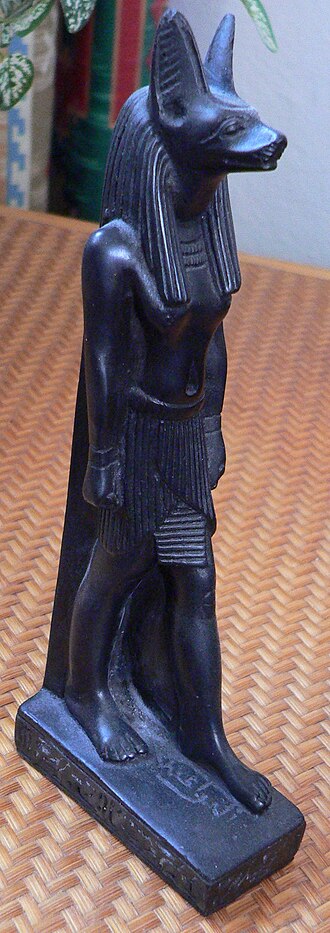
AnubisAnubis — Egyptian Funerary DeityEgyptian deity associated with funerary rites and the weighing scene.Read full entry → oversees the ceremony.
Ma’atMa’at — Truth, Balance, and OrderEgyptian principle/deity of truth, balance, and right order.Read full entry → offers the feather of truth.
And nearby waits AmmitAmmit — Devourer in the Weighing of the HeartEgyptian composite being associated with the judgment of the dead.Read full entry →, the devourer.
For thousands of years people have imagined this scene as a judgment.
A cosmic courtroom.
A divine examination.
And certainly the Egyptians themselves understood the image morally.
Yet perhaps something deeper is taking place.
Perhaps the question is not:
Have you been perfect?
Perhaps the question is:
What have you been carrying?
Because it is not the brain that is weighed.
Not intelligence.
Not achievements.
Not possessions.
The heart.
And the heart remembers.
To the Egyptians, the heart was not merely an organ.
Read the complete essay on Substack →
This WordPress page preserves the essay’s place in the Geomytha archive, its original title and subtitle, and its publication date. The full subscriber edition remains protected on Substack.