Author: D. Cyprian

  • The Songs That Taught Us to Wait for the Sun

    The Songs That Taught Us to Wait for the Sun

    Paid essay — public preview. This page introduces the original essay. The complete argument, examples, and conclusion are available to paid Geomytha subscribers on Substack.

    The sun does not merely arrive.

    First, the song teaches you to miss it.

    That is the trick.

    Before solar dominion can rule openly, consciousness must be trained to experience the lunar field as lack. Rain must feel like misery. Night must feel like confusion. Stillness must feel like death. Reflection must feel like weakness. The body must feel trapped unless it is moving, riding, accelerating, returning, breaking out, coming back, standing under stage lights, or waiting for the day to begin.

    Only then can the sun enter as rescue.

    Only then can domination feel like relief.

    This is what many rock songs do at the level of emotional ritual. They do not merely describe sunshine, speed, return, and power.…

    Read the complete essay on Substack →

    This WordPress page preserves the essay’s place in the Geomytha archive, its original title and subtitle, and its publication date. The full subscriber edition remains protected on Substack.

  • The Moon Before the Sun

    The Moon Before the Sun

    Paid essay — public preview. This page introduces the original essay. The complete argument, examples, and conclusion are available to paid Geomytha subscribers on Substack.

    Waning Crescent · Taurus — Surrender in Steadiness — Trust What Remains: How Solar Time Rewrote the Reflective World as Darkness

    The deepest lie of the sun is not that it rules.

    The deepest lie of the sun is that the world was waiting for it.

    That is the inversion hidden inside modern time. We are taught to imagine the world before solar dominion as dark, cold, primitive, incomplete, and confused. We are taught that light arrived later. We are taught that history begins when the bright claimant enters the field and names everything before him as lack.

    But the Moon was not waiting for the Sun.

    Reflection was not waiting for projection.

    Presence was not waiting for the claimant.

    Read the complete essay on Substack →

    This WordPress page preserves the essay’s place in the Geomytha archive, its original title and subtitle, and its publication date. The full subscriber edition remains protected on Substack.

  • The Rest That Becomes a Pose

    The Rest That Becomes a Pose

    The candle is lit.

    The coffee is arranged.

    The journal is open.

    The blanket is folded just right.

    The light is soft.

    The room looks peaceful.

    And somewhere nearby, the phone is waiting.

    That is the problem.

    Not the candle.
    Not the coffee.
    Not the journal.
    Not the blanket.
    Not the room.
    Not beauty.
    Not quiet.

    The problem begins when the quiet room becomes a stage.

    Rest is supposed to reduce the claimant. It is supposed to soften the jaw, drop the shoulders, slow the breath, loosen the hand, return the body to itself. It is supposed to let the nervous system stop proving existence for a while.

    But the false self is clever.

    It can perform exhaustion.
    It can perform healing.
    It can perform softness.
    It can perform “protecting my peace.”
    It can perform groundedness.
    It can perform surrender.

    Then rest becomes another identity.

    Not peace.

    The image of peace.

    In Geomytha, the false self forms through a simple grammar: Is, Am, I, This. Is is awareness before claim. Am is reflected presence. I is the claimant that interrupts the current. This is the identity that hardens after the claim. The trap is the sentence I am this, and the correction is to inhale Am, exhale Is, and let reflection return before the claimant takes possession.

    Here the sentence becomes quieter:

    I am this calm person.
    I am this healed person.
    I am this grounded person.
    I am this soft-life person.
    I am this person who no longer participates.
    I am this person who has transcended drama.

    That is still I am this.

    The costume is softer.

    The claimant remains.

    Rest is not proven by how peaceful it looks.

    Real rest may look like nothing. It may look unimpressive. It may look like a person eating in silence, lying down without aesthetic dignity, taking a walk without tracking it, crying without captioning it, sitting in a chair with no insight to report.

    False rest often looks better.

    It has lighting.
    It has props.
    It has language.
    It has a philosophy.
    It has a camera angle.
    It has a public self attached to it.

    That is why it is dangerous.

    The quiet room becomes false when the claimant needs to be seen resting.

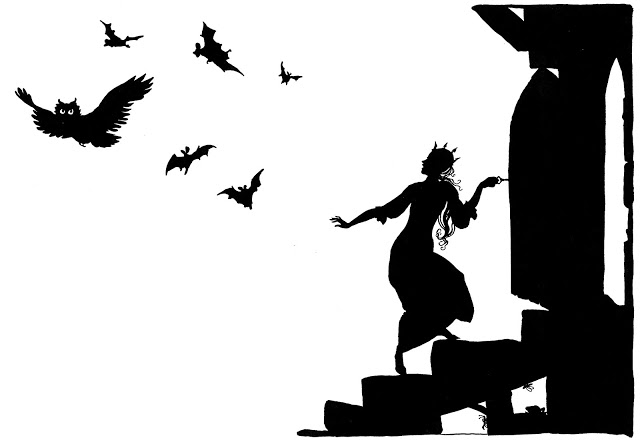
    Sleeping Beauty gives the mythic frame.

    Sleep should restore. The body enters darkness, repairs what cannot be repaired by will, releases the day, loosens the self, lets the world continue without control. True sleep is a daily surrender of sovereignty. The ego disappears, and life goes on without its supervision.

    That is humbling.

    But in Sleeping Beauty, sleep is also enchantment. The castle sleeps, but it does not ripen. The field is preserved, suspended, sealed under a spell. Time moves strangely. Life does not really continue; it waits.

    That is the difference between rest and spell-rest.

    True rest returns the body to presence.

    Spell-rest protects the claimant from transformation.

    The person looks peaceful, but nothing has been surrendered. The conflict has not dissolved. The attachment has not softened. The fear has not been met. The body has merely been placed under glass until the conditions feel safe again.

    Not every sleep is surrender.

    Some sleep is the self hiding from transformation.

    That matters because much modern “rest” works this way. It does not restore the person to life. It suspends life. It creates a soft chamber where nothing is allowed to challenge the identity that calls itself peaceful.

    The person says:

    I am protecting my peace.

    Sometimes that is true.

    Sometimes it means: I am refusing all contact with what would expose my defended self.

    There is a difference.

    Peace that cannot survive honesty is not peace.

    Quiet that depends on avoidance is not surrender.

    Rest that has to be curated is still labor.

    The Lotus-Eaters in The Odyssey sharpen the warning.

    The lotus is not terrifying. It is not a monster at the gate. It is not a weapon. It is not a storm. It is pleasant. Soft. Relieving. Sweet enough to make the sailors forget the way home.

    That is one of the most important traps.

    The trap is not always fear.

    Sometimes the trap is comfort that makes return feel unnecessary.

    This is especially relevant under Taurus. Taurus loves food, touch, home, beauty, warmth, pleasure, the body, the field, the bed, the garden, the slow meal, the reliable rhythm. None of that is false by itself. In fact, much of it is necessary. A body that cannot receive pleasure becomes brittle. A life without ordinary comfort becomes abstract and cruel.

    But comfort can become a spell when it replaces return.

    The lotus is not evil because it feels good. It becomes dangerous because it dissolves the movement home. It makes forgetfulness feel like rest.

    That is counterfeit quiet.

    A softness that does not restore presence.

    A pleasure that does not deepen relation.

    A withdrawal that does not clarify.

    A rest that does not return the body to life.

    This is the modern wellness distortion.

    The staged bath.
    The healing-era post.
    The morning routine video.
    The candle-and-journal photo.
    The slow-life aesthetic.
    The “nervous system reset” identity.
    The soft robe, the perfect mug, the curated silence.
    The declaration that one is no longer available for anything that disturbs the brand of peace.

    Some of this can help.

    A candle can help.
    A bath can help.
    A journal can help.
    A clean room can help.
    A slow morning can help.
    A boundary can help.
    A nervous-system practice can help.
    A beautiful ritual can help the body remember itself.

    The problem is not form.

    The problem is identity.

    This is the same danger that appears whenever living practice hardens into shell. A ritual can preserve the current, but it becomes false when it replaces presence. A form can serve the breath, but it becomes dead when the claimant wears it as proof.

    The calm self can be just as defended as the anxious self.

    Sometimes more defended.

    The anxious self still knows something is wrong. The calm persona may believe its own costume. It may speak softly while refusing truth. It may smile while controlling the room. It may call every discomfort “drama,” every correction “toxicity,” every obligation “low vibration,” every challenge “not aligned.”

    That is not peace.

    That is control wearing soft clothes.

    Meditation can become the same costume.

    A person learns to sit still, speak slowly, breathe visibly, avoid reaction, and say the right things about awareness. The surface becomes quiet. But the claimant remains hidden inside the quiet:

    I am the calm one.
    I am the detached one.
    I am the mature one.
    I am above conflict.
    I am not triggered like ordinary people.
    I am the one who understands presence.

    This links directly to the awakened-self trap. Volume Nine warns that one can learn myths, decode symbols, understand systems, and still become more trapped by turning insight into identity — “the one who understands,” “the decoder,” “the knower,” “the awakened analyst.”

    The same is true of calm.

    A person can become the one who rests.

    The one who is peaceful.

    The one who is healed.

    The one who has surrendered.

    The one who no longer has an ego.

    That last one is usually the ego’s favorite robe.

    If calm has to be defended, it is not yet peace.

    Real quiet does not need to win the room.

    It does not need to announce itself as spiritually superior. It does not need to prove it is above the noise. It can act when action is needed. It can speak when speech is needed. It can leave when leaving is needed. It can stay when staying is true.

    It is not fragile.

    The Shire offers the positive contrast.

    The Shire is not perfect, but it understands ordinary grounded life. Food, garden, pipe, hearth, song, friendship, routine, soil, ale, birthdays, walking paths, small pleasures, familiar doors, and the deep comfort of not needing to be grand.

    That is Taurus at its best.

    The Shire does not announce itself as a wellness brand. It does not aestheticize simplicity into superiority. It does not need a slogan about slow living. It simply holds a form of life where bodies can belong.

    That is the difference.

    Rest as brand says:

    Look how grounded I am.

    Rest as belonging says:

    Eat. Sit. Sing. Sleep. Tend the garden. Be with your people. Let the day be enough.

    The best ordinary life does not announce itself as grounded.

    It simply holds.

    That is why this article has to be careful. The answer is not to reject quiet rooms, candles, blankets, gardens, meals, baths, routines, or beauty. That would be another Setian overcorrection. The answer is to remove the claimant from the center of them.

    Let the candle be a candle.

    Let the tea be tea.

    Let the room be quiet.

    Let the bath wash the body.

    Let the journal hold what needs to be written.

    Let the walk move the legs.

    Let the meal feed the person.

    Let the silence be silence.

    Do not immediately turn it into identity.

    Do not immediately crown the one who rests.

    Waning Crescent makes this unavoidable.

    This lunar field is not asking for display. It is not asking for a new self. It is not asking for a better costume. It is asking for surrender — fading, yielding, bowing, dissolving, preparing, unmaking, hollowing, resting, and returning. The Geomytha calendar names Waning Crescent as Surrender, and its hidden arc moves through precisely that language of thinning and return. The supporting notes define Surrender / Trust as yielding, quieting, resting, and letting go of control.

    But surrender cannot be performed.

    The moment surrender becomes self-description, the claimant has reentered the room.

    Look how beautifully I am yielding.

    Look how peaceful I am now.

    Look how little I care.

    Look how detached I have become.

    Look how softly I refuse everything.

    Look how healed I look in this light.

    That is the hijack.

    The phase wants the self to fade, but the self tries to become beautiful while fading.

    That is counterfeit quiet.

    Taurus brings the correction down into the body.

    Do the thing before representing the thing.

    Rest before posting about rest.

    Eat before aestheticizing the meal.

    Walk before tracking the walk.

    Breathe before explaining the breath.

    Pray before styling the altar.

    Heal before declaring an era.

    Let the body receive the peace before the image steals it.

    This is not anti-technology. It is not anti-sharing. It is not anti-beauty. A person can share a quiet moment without being false. A beautiful room can be a real room. A ritual can be a living vessel. A soft life can be genuinely soft.

    The test is simple:

    Did the body soften?

    Or did the image improve?

    Did the claimant get smaller?

    Or more aesthetic?

    Did this create peace?

    Or a person called peaceful?

    Before the candle photo:

    Inhale: Am.
    Exhale: Is.

    Before the “protecting my peace” speech:

    Inhale: Am.
    Exhale: Is.

    Before calling it healing:

    Inhale: Am.
    Exhale: Is.

    Before withdrawing:

    Inhale: Am.
    Exhale: Is.

    Before explaining why you are above the noise:

    Inhale: Am.
    Exhale: Is.

    Then ask the body.

    Not the brand.
    Not the caption.
    Not the persona.
    Not the theory.

    The body.

    Did I actually rest?

    Did I become more honest?

    Did I become more present?

    Did I become more able to love?

    Did I become less defended?

    Did I stop controlling?

    Did I return?

    Rest is real when no one has to become the one who rests.

    That sentence is severe because it removes the reward. The false self wants spiritual credit for doing less. It wants applause for withdrawing from applause. It wants identity for letting go of identity.

    But real surrender does not leave much to display.

    It is often plain.

    The candle can stay.

    The tea can stay.

    The blanket can stay.

    The bath can stay.

    The journal can stay.

    The quiet room can stay.

    But the camera has to leave the center.

    The claimant has to stop using peace as a mirror.

    Then rest can become rest again.

    Not a look.

    Not a brand.

    Not a refusal of life.

    Not a spiritual résumé.

    Not a soft throne.

    A return.

    A body allowed to unclench.

    A breath allowed to complete.

    A room no longer required to prove anything.

    A person no longer trying to become the image of peace.

    That is the real Waning Crescent movement.

    Not glamorous.

    Not loud.

    Not impressive.

    Quiet enough to be true.

    Rest before you represent rest.

    Let quiet be quiet before the claimant turns it into a crown.

  • Dragon Ball Z and the Crowned Body

    Dragon Ball Z and the Crowned Body

    The title gives away the whole mechanism.

    Dragon Ball.

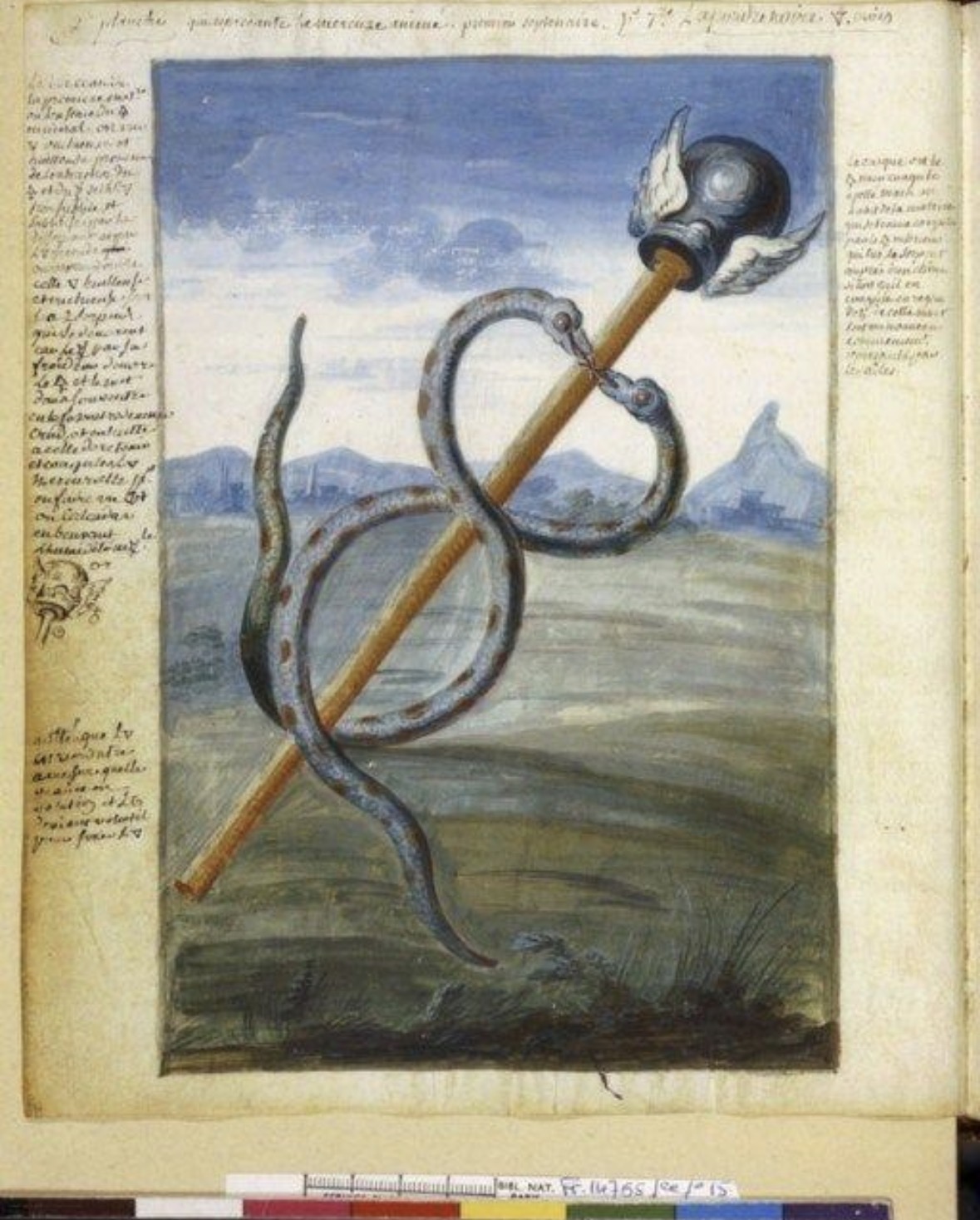
    A dragon is serpent force, fire, projection, desire, the power that appears when the hidden current is summoned outward. A ball is sphere, seed, pearl, world, egg, moon, contained wholeness. One is projected force. The other is reflective body.

    So the title already carries the split.

    The Ball reflects.
    The Dragon projects.
    The wish inverts.

    That is the whole system in miniature.

    The Dragon Balls are scattered fragments of one wish-power. They must be gathered through quest, effort, danger, friendship, competition, and trial. Once gathered, they do not simply restore the seeker to presence. They summon Shenron, the dragon, the enormous projected serpent who appears above the world and grants desire.

    This is not accidental symbolic architecture.

    The round reflective pieces are gathered, and the result is a serpent of projection. The body of reflection is assembled so desire can speak through the sky.

    That is Dragon Ball.

    Before the golden hair, before the cosmic rankings, before Frieza, Cell, Buu, gods, angels, fusion, and endless escalation, the story begins closer to the body. Early Dragon Ball is earthy, comic, appetitive, martial, strange, and direct. Goku is hungry. Goku trains. Goku misunderstands the world because he is not yet fully captured by its social images. He moves through the field as a body before ideology.

    He is powerful, but not yet a savior-image.

    This is why Dragon Ball maps strongly to the Old Testament pattern. Not because it retells the Old Testament directly, but because it occupies the same symbolic register: land, quest, trial, teachers, law-like tournaments, covenantal friendships, magical objects, wandering, bodies, food, discipline, and encounter.

    Dragon Ball is covenant-body.

    It belongs to the field.

    The Old Testament is heavy with land, law, genealogy, temple, exile, return, blessing, curse, body, lineage, and memory. Its symbolic pressure is reflective. It is not yet primarily about escaping the world into a heavenly salvation-image. It is about living inside a charged field of covenant and consequence.

    Dragon Ball has that same grounded quality. The world is bizarre, but it is still a world of roads, forests, islands, mountains, tournaments, masters, animals, capsules, villages, deserts, and bodies in motion. The sacred object is not yet a cosmic theology. It is a ball you have to find.

    Then Dragon Ball Z arrives.

    And the body is crowned.

    DBZ lifts the same world into cosmic salvation drama. Goku is no longer merely a strange child-body wandering through trials. He is an alien son. He belongs to a hidden bloodline. He dies and returns. He trains in heaven. He descends to save the world. He becomes the defender against planetary destroyers, imperial tyrants, synthetic perfection, and demonic appetite.

    The old body-world has not disappeared.

    It has been fulfilled upward.

    That is the New Testament pattern.

    The New Testament takes the covenant-body and lifts it into sonship, resurrection, heavenly kingdom, inward belief, cosmic enemy, sacrifice, fulfillment, and salvation-image. It does not merely abolish the Old Testament. It claims to complete it. But Geomytha asks the necessary question:

    Does fulfillment preserve the body, or does it crown the projection?

    DBZ does the same thing to Dragon Ball. It does not erase the old world. It intensifies it, solarizes it, and turns it into a salvation machine. Training becomes power scale. Power scale becomes hierarchy. Hierarchy becomes identity. Identity becomes cosmic destiny.

    The movement is clear:

    Dragon Ball is Old Testament earth.
    DBZ is New Testament sky.

    Or even cleaner:

    Dragon Ball is the body before salvation-image.
    DBZ is the body crowned as cosmic savior.

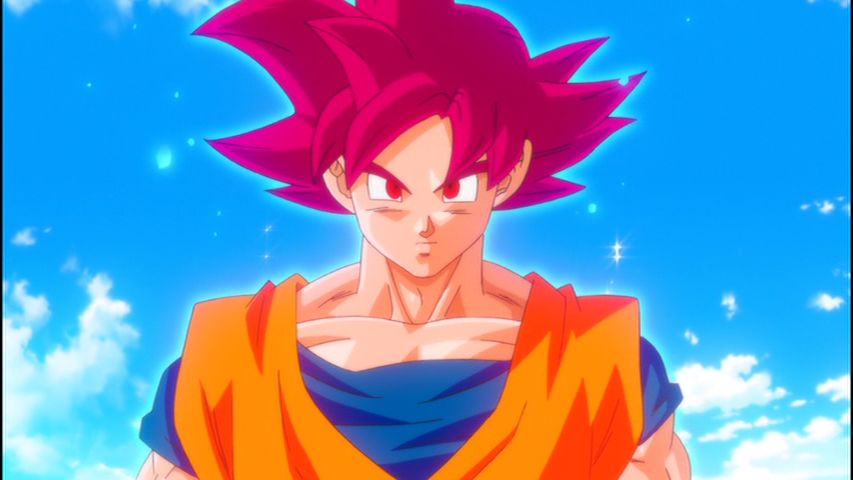
    That crown appears most vividly in the Super Saiyan transformation.

    The body glows. The hair rises. The aura burns. The figure becomes golden. The transformation looks like awakening, but it is also unmistakably solar. The body becomes image. The fighter becomes icon. Power is no longer merely practiced through flesh; it radiates as identity.

    Super Saiyan is the false crown and the true crisis at once.

    It is not simply bad. It emerges under grief, pressure, discipline, and necessity. But once the golden body appears, the whole symbolic field changes. Goku is no longer only present. He is visible as power. The body has become luminous enough to be worshiped.

    That is the danger of every spiritual power fantasy.

    The body becomes light, and the self calls projection awakening.

    Goku and Vegeta carry the polarity sharply.

    Goku begins as reflective body: simple, hungry, instinctive, disciplined, present. He trains because he loves movement. He fights because conflict is the field through which his body learns. His strength is most convincing when it is least self-conscious.

    Vegeta is projection and claim.

    He is royal ego, title, bloodline, hierarchy, superiority, wounded pride, and the need to be recognized. Vegeta does not merely fight. He must be seen as what he says he is.

    His sentence is:

    I am this.

    I am prince.
    I am Saiyan.
    I am elite.
    I am rightful superior.
    I am the one who should have been crowned.

    That is why Vegeta is so important. He is not merely Goku’s rival. He is the projected identity that reveals what happens when power becomes self-image.

    And yet DBZ is too intelligent symbolically to leave him flat. Vegeta’s arc matters because projection is not destroyed by humiliation. It must be broken open, disciplined, and returned to relation. His pride is his trap, but it is also the heat through which the trap becomes visible.

    Frieza is projection at imperial scale.

    He is hierarchy, conquest, racial ordering, planetary ownership, extraction, and domination. He turns worlds into property. He treats species as rank. He does not want relation. He wants submission.

    If Vegeta is personal projection, Frieza is civilizational projection.

    He is the crowned head of empire.

    Cell is the next stage: synthetic identity.

    Cell is made from fragments of others. He is an engineered composite, a biological fusion system, a creature assembled from borrowed powers. His obsession is “perfect form.” That phrase is the entire Horus problem in one sentence.

    Cell does not simply want to live.

    He wants to become the perfected identity.

    He is the false one made from many.

    Majin Buu exposes another side of the same pattern: appetite without right reflection. Buu absorbs others and becomes them. Fusion here is not relationship. It is consumption. He does not unite with the other in balance. He swallows the other into himself and wears the result as power.

    That is false unity in its most naked form.

    The Dragon Balls themselves keep the entire world inside a resurrection loop. Death can be reversed. Worlds can be repaired. Consequences can be undone. The wish restores the broken field, but it also permits the cycle to continue.

    Destroy. Wish. Restore. Repeat.

    That is why the Dragon Balls are not simply benevolent. They are the mechanism by which desire interrupts consequence. They gather reflection, summon projection, and reshape reality according to the wish.

    The wish is the dangerous middle point.

    A wish can heal. A wish can restore. But a wish also says reality should bend to image. Desire speaks, the dragon answers, and the world is rewritten.

    This is projection becoming metaphysical law.

    Fusion makes the same pattern even more obvious.

    The Fusion Dance requires two bodies to mirror each other exactly. Gesture, timing, posture, and energy must align. If the ritual is performed correctly, two beings become one stronger identity.

    That is the pure fusion fantasy: perfect synchronization produces a superior self.

    But the Potara earrings reveal the darker side. Fusion is mediated by sacred objects placed at the head and ears. The merger is less dance than mechanism. It is imposed through ritual technology. The result may be powerful, but the question remains:

    Does fusion restore right relation, or does it create a more intoxicating self-image?

    Gogeta and Vegito are not merely stronger fighters. They are ritual products. Two identities disappear into a new name, a new body, a new power, a new image. Fusion is treated as completion. But Geomytha asks whether completion is always true unity.

    Sometimes the false one is simply more powerful than either half.

    This brings us to Dragon Ball GT.

    GT is symbolically strange because it tries to return after the crown.

    Goku is turned back into a child. That is not a small plot device. It is the whole problem. After DBZ has transformed him into cosmic savior, GT forces him back into the child-body. The series tries to recover the earlier Dragon Ball field: quest, travel, scattered objects, adventure, absurdity, danger, and bodily innocence.

    But it cannot truly return.

    The cosmic crown has already happened.

    That is why GT feels unstable. It is Dragon Ball after DBZ. It is the Old Testament field after the New Testament sky has already overwritten it. It is the child-body after the savior-image.

    The return is haunted by projection.

    Even the title matters.

    GT carries a mirrored force. In septenary cipher logic, G and T can be read as occupying equivalent mirrored positions across the split. Symbolically, that makes GT a doubled mark: the beginning and its transformed counterpart sharing the same hidden value.

    G is Goku, ground, beginning, body.

    T is transformation, time, terminal return, tail.

    GT becomes Goku-through-transformation. Ground-through-time. The child-body returned after cosmic projection has already altered the field.

    That is exactly why GT belongs to the larger pattern. It is not merely a sequel. It is the return problem.

    Once the body has been crowned as savior-image, can it ever simply be body again?

    That question is deeper than Dragon Ball.

    It is the same question raised by every system that binds two orders into one sacred story. The Old Testament body and the New Testament image. The head and the body. Reflection and projection. The original field and the later fulfillment. The child and the savior. The ball and the dragon.

    The danger is not transformation itself.

    The danger is mistaking transformation for awakening.

    This is why DBZ must be read with care. It is not simply an inverted myth. It still loves discipline. It still honors training. It still knows that the body matters. Master Roshi, Korin, King Kai, the Hyperbolic Time Chamber, gravity training, weighted clothing, breath, stance, repetition—these are not empty spectacle. They preserve the old truth that strength must be embodied.

    Training is not the problem.

    Power is not the problem.

    The inversion begins when power becomes identity.

    Goku is most awake not when he glows, but when power returns to simplicity. The deeper lesson is not that the body should never become strong. The lesson is that strength must return to presence, or it becomes crown.

    That is the final distinction.

    Dragon Ball begins with the round body of reflection.

    DBZ crowns that body with golden projection.

    GT tries to return the crowned body to childhood.

    And underneath all of it, the title keeps whispering the mechanism:

    Dragon Ball.

    The ball reflects.
    The dragon projects.
    The wish inverts.

    The whole saga is a myth of what happens when the body becomes powerful enough to be mistaken for salvation.

  • The Ritual of the False One

    The Ritual of the False One

    The oldest ritual is not sacrifice.

    It is fusion.

    Again and again, civilization stages the same drama: two separate things are brought together, named as one, and celebrated as wholeness. Husband and wife become one flesh. Colonies become one nation. Crown and body become king. Old covenant and new salvation become Bible. Rock and roll become one sound. Head and body become “me.”

    The ritual always promises healing.

    But Geomytha asks a sharper question: after the two become one, which side rules?

    Tier 3 · Full reading

    This is the public preview. The complete article continues on Geomytha’s Substack.

    Continue the full article on Substack →

  • The Same Fall in Every Story

    The Same Fall in Every Story

    The serpent’s deepest trick is not temptation by pleasure.

    It is temptation by reflection.

    That is why one of the cleanest diagrams of the fall appears in Disney’s Robin Hood, of all places. Prince John, the false king, sits with his crown while Sir Hiss, the snake, holds up a mirror. The serpent does not need to bite him. He does not need to argue theology. He simply gives the false king an image of himself to worship.

    Look.

    There you are.

    Crowned.

    That is the whole spell.

    Prince John is not strengthened by the mirror. He is weakened by it. The reflected image gives him something he desperately wants: confirmation that the crown belongs to him. The serpent mediates the reflection, and the reflection hardens into identity. The false king does not merely wear the crown. He becomes the one who must believe the crowned image.

    This is not just a joke in a children’s cartoon. It is the Eden mechanism made visible.

    In Genesis, the serpent does not begin by offering Adam and Eve simple appetite. He offers them a reflected image of themselves as more than they are. “You will be like gods.” That is the mirror. The fruit is secondary. The deeper temptation is self-image.

    Before the serpent, Adam and Eve are naked and unashamed. That detail matters. The body is present, but it has not yet been claimed as an object of identity. They are not looking at themselves from outside themselves. They are not divided into watcher and watched, judge and judged, image and owner. They are simply there.

    Then the serpent enters.

    The eyes open, but not into wisdom. They open into self-consciousness. Adam and Eve do not first see God, truth, or eternity. They see that they are naked. The body becomes “this body.” The self becomes an object. Shame appears because reflection has been seized by the claimant.

    That is the fall.

    In Geomytha, the simplest form of the whole drama is:

    Is → Am → I → This

    Is is pure presence before claim.
    Am is clean reflection, presence becoming conscious of itself.
    I is the claimant, the interruption, the thought that says mine.
    This is the hardened identity: the body, crown, wound, role, image, or story mistaken for self.

    The false self is born when the simple reflection of being becomes the sentence:

    I am this.

    That sentence is hiding inside almost every enduring myth and story. The costumes change. The grammar remains.

    A protagonist usually carries Is or Am. Not because the protagonist is always innocent or morally perfect, but because the protagonist is the figure through whom the story tries to restore right relation. The protagonist either begins close to presence or must learn how to return to it. Snow White carries unpossessed life. The Buddha sits in still awareness beneath the tree. Frodo begins as a small, ordinary bearer of relation, not domination. Perseus survives because he can use reflection without worshiping it.

    The antagonist usually carries I and This. Again, not merely because the antagonist is “bad,” but because the antagonist is trapped in claim. The antagonist says: own it, become it, protect it, display it, avenge it, possess it, crown it.

    Prince John says, “I am the king.”
    The Evil Queen says, “I am the fairest.”
    Macbeth says, “I am the crowned one.”
    Gollum says, “I am the owner of the Precious.”
    Dorian Gray says, “I am the beautiful image.”
    Narcissus says, without words, “I am this reflection.”

    Each one falls into the same trap. Reflection appears. The claimant enters. Identity hardens.

    Narcissus is the cleanest version. He looks into water and falls in love with his own image. There is no need for a visible serpent because the serpent-function has moved inside him. The still pool should be Am: a surface of reflection. But Narcissus cannot let the image remain reflection. He claims it. He desires it. He becomes trapped by it.

    The water does not imprison him.

    His identification does.

    The Evil Queen in Snow White repeats the same pattern with more obvious royal pressure. She does not ask the mirror for truth. She asks it to confirm her identity. Her sovereignty depends on being reflected back as “fairest.” When the mirror refuses to serve the claim, she becomes murderous. The mirror is not the villain. The mirror simply tells the truth. The Queen’s “I” cannot bear a reflection that does not crown her.

    That is why the mirror and the crown so often belong together. A crown is the head-centered claim of identity. It says: I rule, I define, I possess the field. A mirror becomes dangerous when it serves that claim. It no longer reveals. It enthrones.

    Macbeth does not need a literal mirror because the witches give him something more dangerous: a future image. They show him himself as king before he has become king. That prophecy becomes a mirror in time. Macbeth stares into it and sees a crowned version of himself. He could have witnessed the image and let it pass. Instead, he claims it. Once he says inwardly, “I am this future king,” the murders follow almost naturally.

    The witches do not force Macbeth.

    They show him an image of himself with a crown.

    That is enough.

    The Ring in The Lord of the Rings works the same way. It reflects each bearer’s hidden identity-fantasy. Boromir sees himself as savior of Gondor. Galadriel sees herself as a radiant queen. Gollum becomes possession itself. Frodo, slowly and painfully, begins to confuse bearing the Ring with owning it.

    The Ring is not merely an object of power. It is a portable “I am this” machine. It takes desire, magnifies it, and returns it as destiny. It says: this is who you really are. This is what you must protect. This is what you must become.

    That is why “my precious” is such a perfect phrase. It is possession collapsed into identity. Gollum does not merely want the Ring. He is organized around it. His entire self has hardened around the claim.

    I am this owner.
    I am this hunger.
    I am this loss.

    Dorian Gray gives the pattern a darker refinement. His portrait becomes a fixed reflection that stores the truth of his soul while his public face remains beautiful. He makes a bargain with image itself. The visible self stays untouched; the hidden reflection decays.

    This is what happens when the self preserves the image and exiles the truth.

    Dorian’s beauty becomes a crown. The portrait becomes the buried witness. He wants the surface without consequence, the reflection without accountability, the image without the soul. But the rejected truth does not disappear. It waits in the locked room.

    That is the danger of “This.” Once identity hardens around the image, everything that contradicts the image must be hidden, denied, projected, or destroyed.

    But reflection itself is not the enemy.

    Perseus proves that.

    When Perseus faces Medusa, he does not stare directly into the petrifying image. He uses the polished shield. He sees through reflection, but he does not identify with what he sees. The mirror does not crown him. It protects him. Reflection serves presence instead of possession.

    That distinction is crucial.

    Geomytha is not saying mirrors are evil. It is not saying beauty, prophecy, imagination, identity, or story must be destroyed. The question is whether reflection remains transparent to source or becomes captured by the claimant.

    Prince John uses reflection to worship the false king.

    Perseus uses reflection to avoid being frozen by the image.

    That is the difference between corrupted Am and restored Am. Reflection can either return consciousness to presence or trap consciousness inside a hardened self-picture.

    The Buddha and Mara show the same corrective in spiritual form. Mara presents fear, desire, authority, doubt, and temptation. He tries to make the Buddha become one of the images arising before him. But the Buddha does not claim them. He witnesses them. He remains seated. The images appear, but no false sentence forms.

    No “I am this fear.”
    No “I am this desire.”
    No “I am this authority.”
    No “I am this doubt.”

    The tempter offers image. Awareness does not identify.

    That is Eden reversed.

    This is why stories keep repeating the same pattern. They are not merely recycling old tropes. They are preserving the structure of consciousness itself.

    Every day, the same fall happens in miniature.

    Presence appears.
    Reflection arises.
    Thought says “I.”
    The image becomes “me.”
    Then the world is experienced through that false center.

    A feeling appears, and the mind says, “I am this sadness.”
    A wound appears, and the mind says, “I am this injury.”
    A role appears, and the mind says, “I am this status.”
    A belief appears, and the mind says, “I am this certainty.”
    A crown appears, and the mind says, “I am this ruler.”
    A mirror appears, and the mind says, “I am what I see.”

    The old myths endure because this mechanism has not stopped. It did not happen once in a garden. It happens whenever awareness mistakes its own reflected content for identity.

    The protagonist is the part of the story that remembers, or learns to remember, that reflection is not possession. The antagonist is the part of the story that cannot stop claiming the image. That is why the antagonist often appears as ruler, seducer, usurper, sorcerer, double, rival, monster, or voice of temptation. He is the “I” function dramatized. He is the interruption that says: take the image, become the image, defend the image, kill for the image.

    The protagonist’s task is not always to destroy the antagonist outside. The deeper task is to break the spell of identification.

    That is why the cleanest stories do not merely defeat a villain. They restore a relation.

    The kingdom returns to rightful order.
    The mirror tells the truth again.
    The ring is destroyed.
    The portrait is exposed.
    The false king is dethroned.
    The tempting image loses its force.
    The self comes back from “I am this” toward simple being.

    This is also why the Adam and Eve story remains so central. It is not only about disobedience. It is about the moment naked presence becomes self-conscious identity. It is about the serpent turning reflection into claim. It is about the birth of the clothed self: the self that now hides, explains, blames, fears, and experiences the body as an object.

    Before the fall, there is nakedness without shame.

    After the fall, there is image.

    The return is not a return to ignorance. It is a return through the mirror without being captured by it. It is the recovery of reflection as reflection. It is the end of the crowned false self.

    That is why the practical movement is simple, though not easy.

    When the mind says:

    I am this wound.
    I am this role.
    I am this crown.
    I am this shame.
    I am this beauty.
    I am this failure.
    I am this insight.
    I am this story.

    Pause before the sentence hardens.

    Let Am return to Is.

    Reflection does not need to become possession. The image does not need to become identity. The mirror does not need to crown the false king.

    Every myth repeats the fall because every mind repeats the fall.

    But every true story also leaves a path back.

  • The Genetic Cross

    The Genetic Cross

    Paid essay — public preview. This page introduces the original essay. The complete argument, examples, and conclusion are available to paid Geomytha subscribers on Substack.

    Waning Crescent · Taurus — Surrender in Steadiness — Encoded Opposition: How DNA Reveals the Body as the First False Whole

    Most symbolic systems collapse when they are forced too literally.

    That is the danger here.

    The wrong move is to pretend DNA scientifically “proves” Geomytha. It does not. DNA is chemistry. Molecular biology. Physical code. The point is not scientific conquest. The point is symbolic recurrence: the same grammar appearing again at another scale.

    And the grammar becomes strongest not when DNA is read as a sequence, but when it is read as a crossing.

    The weak reading is:

    A-G-T-C.

    Too linear. Too convenient.

    The stronger reading begins with the pairings DNA actually uses:

    A–TG–C

    That is where the…

    Read the complete essay on Substack →

    This WordPress page preserves the essay’s place in the Geomytha archive, its original title and subtitle, and its publication date. The full subscriber edition remains protected on Substack.

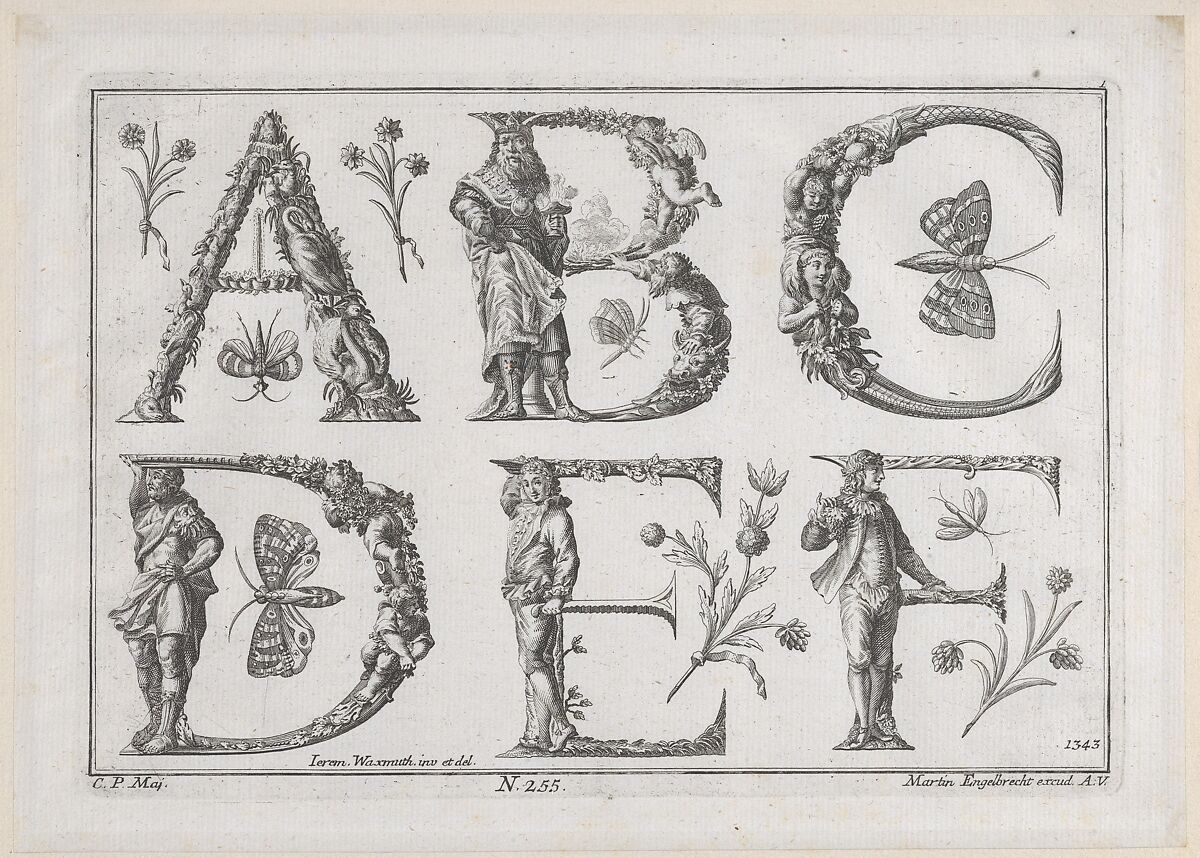
  • The Septenary Alphabet

    The Septenary Alphabet

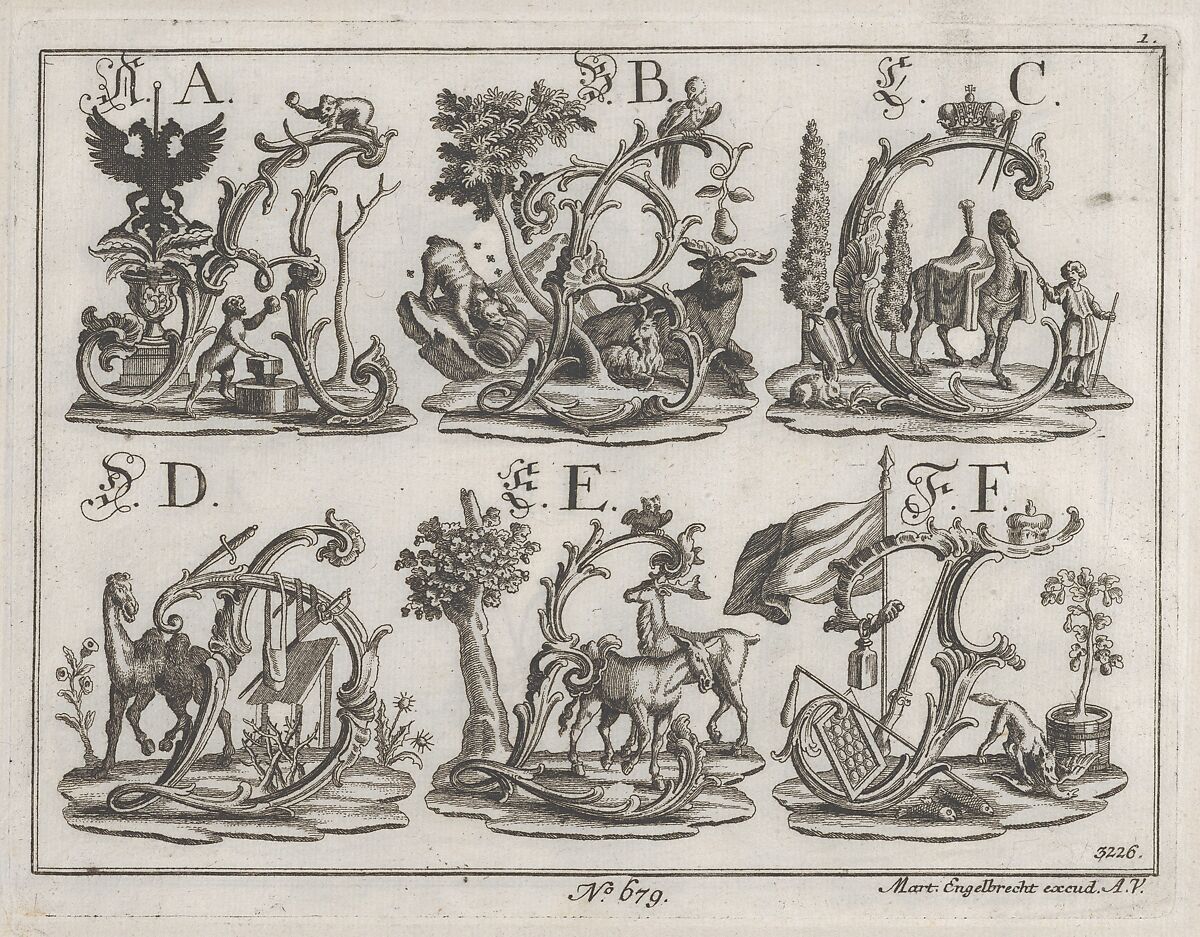
    The alphabet looks like one system because it is taught as one system.

    A, B, C, D, all the way to Z.

    One row.
    One song.
    One smooth procession from beginning to end.

    But the smoothness is the veil.

    Under the surface, the alphabet is not one continuous body. It is two bodies stitched together and made to appear as one. That difference matters because it reveals the same mechanism Geomytha sees in the Vortex Math Diagram: a true reflective system joined to a second, interruptive system until the whole thing appears complete.

    Tier 3 · Full reading

    This is the public preview. The complete article continues on Geomytha’s Substack.

    Continue the full article on Substack →

  • The Body After the Image

    The Body After the Image

    The mirror is covered.

    The phone is face-down.

    The costume is off.

    The crown is on the table.

    The room is quiet.

    And the body is still there.

    Hungry.
    Tired.
    Breathing.
    A little embarrassed.
    Still real.

    This is the part the image never knows what to do with. The image can be polished, framed, edited, crowned, uploaded, defended, and admired. It can be made solemn. It can be made camp. It can be made beautiful enough to fool the room for a while.

    But eventually the performance stops.

    The face relaxes.
    The shoulders drop.
    The stomach growls.
    The jaw unclenches.
    The breath returns with no audience.

    After the mirror crown falls, something plain remains.

    The body.

    Not the body as brand.
    Not the body as proof.
    Not the body as desirability.
    Not the body as identity.
    Not the body as “this is me.”

    The body as ground.

    The body as weight.

    The body as the place where reflection can return before the claimant takes possession.

    In Geomytha, the false self forms through a simple grammar: Is, Am, I, This. Is is awareness before claim. Am is reflected presence. I is the claimant that interrupts the current. This is the identity that hardens after the claim. The trap is the sentence I am this. The correction is just as simple: inhale Am, exhale Is, and let reflection return before the claimant takes possession.

    That matters here because the body is easily misunderstood.

    The body is not automatically freedom.

    The body can become another costume. Another mirror. Another crown. Another place where the claimant says:

    I am this body.
    I am this beauty.
    I am this wound.
    I am this discipline.
    I am this illness.
    I am this desirability.
    I am this failure.
    I am this optimized self.

    That is still the old sentence.

    The body is not Horus by itself. Horus is the body claimed as identity. The body becomes a field of return only when it no longer has to prove the self.

    That distinction is everything.

    The body-image wants a crown.

    The body wants to breathe.

    The body-image is how the body appears. How it is judged. How it is photographed. How it is compared. How it is posted. How it is desired, rejected, improved, displayed, hidden, punished, and sold back to the person who lives inside it.

    The body itself is simpler.

    Breath.
    Weight.
    Warmth.
    Pain.
    Hunger.
    Touch.
    Fatigue.
    Pulse.
    Trembling.
    Sleep.
    Limit.
    Ordinary presence.

    The body-image asks, “How do I look?”

    The body asks, “Can I finally stop bracing?”

    That is why the body becomes so important after the image collapses. Once the mirror loses authority, the self has to return somewhere. If it does not return to presence, it will build a new mirror. It will make a new costume. It will crown a new version of itself and call the costume liberation.

    This is why the return must be quiet.

    No new throne.

    No new brand.

    No new mystical persona.

    Just the body sitting down after the costume comes off.

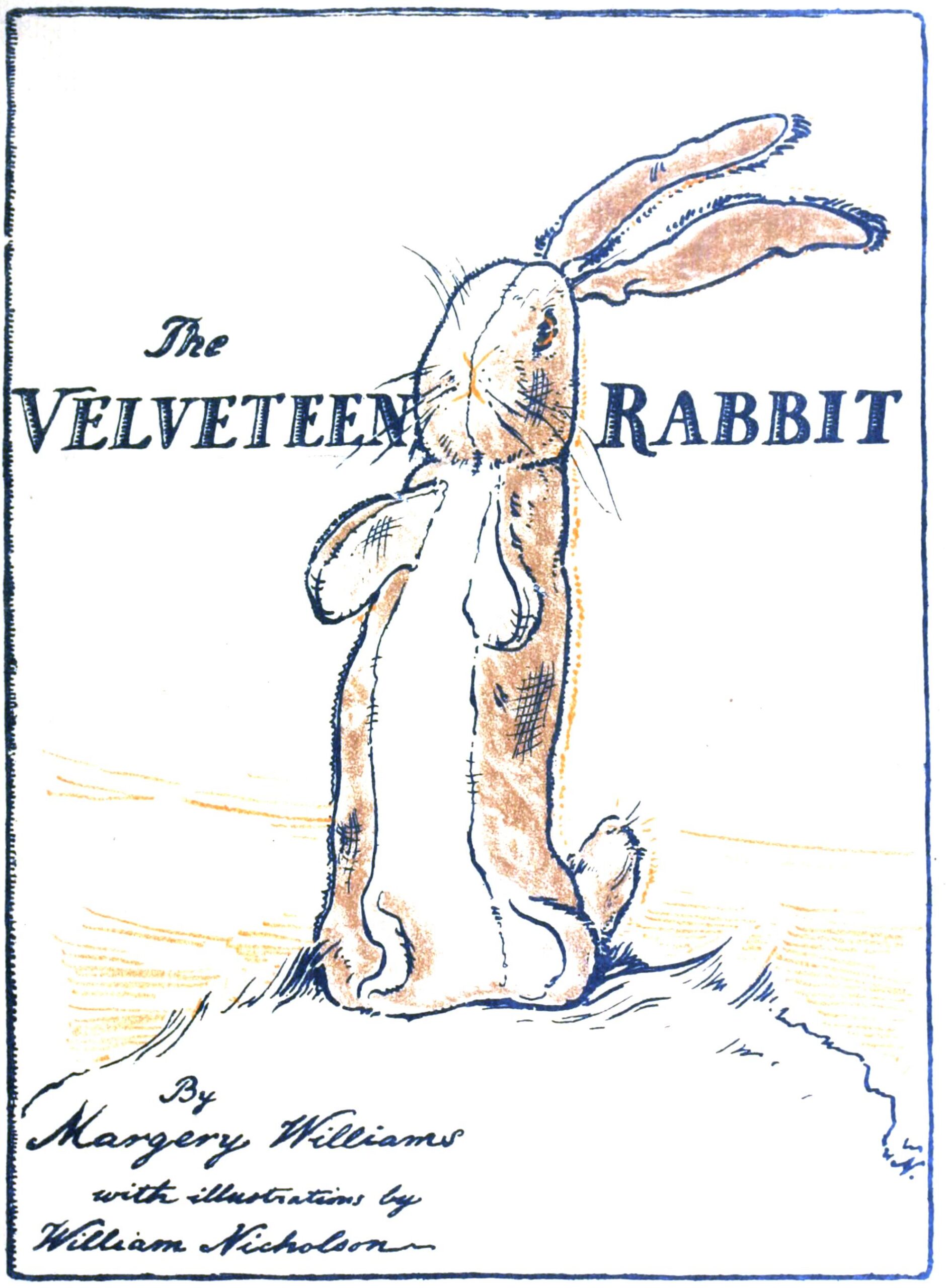
    The Velveteen Rabbit is one of the gentlest stories ever written about this.

    The rabbit does not become real by becoming shinier. He does not become real by being admired as the most beautiful toy in the nursery. He does not become real by preserving his original surface. He becomes real by being loved until the surface wears down.

    That is almost unbearable to the image-self.

    The image-self wants to remain pristine. It wants to remain photographable. It wants to stay smooth enough to be desired, impressive enough to be displayed, and intact enough to be mistaken for worth.

    But realness often moves the other way.

    The fur wears thin.
    The seams loosen.
    The bright surface dulls.
    The object stops looking new.
    The beloved thing becomes marked by contact.

    That is the secret.

    The real does not always become brighter. Sometimes it becomes worn enough to stop lying.

    The Velveteen Rabbit is not a story about self-improvement. It is a story about being softened out of image. The toy becomes real because love has passed through it so deeply that the pristine surface no longer matters. It is no longer merely an object arranged to be seen. It has been touched into being.

    This is a Taurus teaching.

    Taurus is not interested in spiritual performance that never lands in the body. Taurus asks what has weight. What can be touched. What can be trusted after the speech ends. What remains when the image fades and the nervous system has to live with the cost of the role it has been playing.

    The rabbit becomes real through contact, use, warmth, loss, and affection. Not through spectacle.

    That is the correction to the mirror crown.

    The image-self wants to be crowned.

    The real body wants to be held without having to shine.

    Pinocchio gives the sharper version.

    Pinocchio moves before he is real. He speaks before he is real. He performs before he is real. He can entertain, lie, panic, run, dance, and imitate life. He has motion. He has a voice. He has personality.

    But animation is not the same as presence.

    That distinction is very modern.

    A profile can move.
    An avatar can speak.
    A brand can react.
    A persona can post.
    A feed can simulate continuity.
    A public self can appear alive every day.

    But motion is not realness.

    The puppet becomes real only when performance gives way to embodied consequence. He cannot remain a clever animated surface forever. He has to enter honesty, relation, risk, pain, responsibility, and love. He has to become answerable.

    That is what the image-self avoids.

    The image wants movement without consequence.

    It wants expression without exposure.

    It wants reaction without relation.

    It wants visibility without vulnerability.

    It wants to appear alive without becoming real.

    Pinocchio exposes the trick. To move is not yet to be real. To speak is not yet to be true. To perform is not yet to be present.

    The body knows the difference.

    The body cannot be endlessly fooled by animation. It eventually reveals the cost. It tightens, exhausts, numbs, collapses, aches, shakes, burns out, or refuses to keep funding the performance.

    That refusal is not failure.

    Often, it is the first truth.

    The Emperor’s New Clothes makes the body humiliating again, and that is useful.

    The emperor is all public agreement. All image. All costume. All projected authority. Everyone around him participates in the illusion because the illusion protects the social order. Nobody wants to be the one who names what is obvious.

    Then the child speaks.

    The costume vanishes.

    The emperor is exposed.

    That moment is usually read as embarrassment, and it is. But it is also a return to reality. The body appears where the image had been ruling. Not glorious. Not symbolic. Not majestic. Just undeniable.

    The body is what public illusion was trying to dress.

    This is why exposure can be merciful. Not because humiliation is good by itself, but because the collapse of false image can return the person to what was being covered. The emperor is not freed yet. Exposure alone does not make him wise. But the first crack has opened.

    The costume no longer has total authority.

    That is how surrender often begins.

    Not with peace.

    With the awful relief of no longer being able to maintain the image.

    This is where modern life becomes exhausting.

    The profile wants continuity.

    The body wants rest.

    The profile wants output.

    The body wants food.

    The profile wants legibility.

    The body wants silence.

    The profile wants to be seen.

    The body wants to stop bracing.

    Volume Seven frames the screen age as the point where identity becomes image-dependent: the self becomes profile, performance, avatar, aesthetic signal, and reaction-loop. In that world, modern Horus no longer only believes; he curates.

    That curation has a cost.

    The self must remain visible.
    The self must remain interesting.
    The self must remain coherent.
    The self must remain attractive, wounded, funny, insightful, moral, angry, awakened, desirable, productive, or distinct.
    The self must keep proving that it exists.

    The body gets tired.

    Social media burnout is often described as information overload or platform fatigue. That is true, but it does not go deep enough. Burnout is often the body refusing to keep funding the image.

    The nervous system finally says:

    I cannot keep making myself available for reflection.

    I cannot keep turning every experience into proof.

    I cannot keep converting pain into content.

    I cannot keep arranging my face for strangers.

    I cannot keep treating reaction as oxygen.

    I cannot keep being a mirror object.

    The body revolts against the profile.

    That revolt may appear as exhaustion, numbness, resentment, anxiety, depression, irritability, dissociation, compulsive checking, or the simple inability to care about the image for one more second.

    Underneath, something honest may be trying to happen.

    The body wants to return from performance to presence.

    It does not know the perfect language for that. It may not sound spiritual. It may sound like:

    I need to sleep.
    I need to eat.
    I need to go outside.
    I need to be touched without being evaluated.
    I need to cry without explaining why.
    I need to stop being watched.
    I need to be ordinary.

    That is not regression.

    That may be the first sane request.

    But here the stress test matters, because “return to the body” can become another trap almost immediately.

    Modern culture is very good at turning every correction into a market.

    The body can be reclaimed badly.

    Fitness culture can turn the body into a mirror crown. Wellness culture can turn the body into a moral résumé. Biohacking can turn the body into a machine for superiority. Beauty culture can turn the body into a permanent audition. Spiritual embodiment language can turn the body into an aesthetic of groundedness. Diet identity can turn the body into purity theater. Even healing can become a brand of being the one who is healing correctly.

    Then the body is not returned to presence.

    It is converted into a better costume.

    The body is not liberation if it only becomes a more convincing image.

    A person can be extremely disciplined and still trapped.

    A person can be healthy-looking and still image-possessed.

    A person can speak beautifully about embodiment while secretly using the body as proof of spiritual authority.

    A person can turn trauma, illness, nervous-system language, fitness, fasting, yoga, posture, sensuality, masculinity, femininity, and “grounding” into another sentence:

    I am this.

    That is the danger.

    The body becomes sacred only when it stops serving the claimant.

    That does not mean neglect the body. It means stop making the body carry the burden of identity. Feed it. Move it. Rest it. Strengthen it. Wash it. Touch it kindly. Let it enjoy. Let it grieve. Let it age. Let it be repaired where repair is possible. Let it be limited where limitation is real.

    But do not crown it.

    Do not make it the final self.

    Do not turn flesh into another throne for Horus.

    Taurus gives the clean correction.

    Taurus does not ask the body to become impressive. It asks the body to become trustworthy again.

    Eat without turning it into content.

    Walk without making it symbolic.

    Rest without earning it.

    Breathe without explaining it.

    Feel without branding it.

    Let the body be ordinary.

    That ordinariness is not small. It is a radical return in a world that keeps demanding performance. To sit and eat a meal without photographing it is now a tiny revolt. To take a walk without tracking it is a tiny revolt. To cry without converting the grief into a post is a tiny revolt. To feel tired without making tiredness into identity is a tiny revolt.

    The body does not need every moment to become evidence.

    It can simply live.

    Waning Crescent deepens this because Waning Crescent is not trying to build another face. It is not trying to announce a new self. It is not trying to polish the remains of the image into a softer brand.

    Waning Crescent wants the fading.

    It asks the self to trust what remains when there is less to show. The Geomytha calendar assigns Waning Crescent to Surrender, and its hidden arc moves through fading, yielding, bowing, dissolving, vanishing, preparing, unmaking, hollowing, resting, and returning. The supporting notes name the lunar directive of Surrender as Trust: yielding, quieting, resting, and letting go of control.

    That is exactly the movement here.

    Surrender is not disappearing from life.

    It is letting the false image disappear from the center.

    It is no longer asking the body to perform proof of existence.

    It is no longer asking every feeling to become identity.

    It is no longer asking every experience to become content.

    It is no longer asking every wound to become explanation.

    It is no longer asking every breath to certify a spiritual self.

    The body can become simple again.

    A place where Am is felt.

    A place where Am returns to Is.

    Inhale:

    Am.

    Exhale:

    Is.

    Not as performance.

    Not as doctrine.

    Not as a new identity.

    As a way to let reflection return before the claimant takes possession.

    Before posting, feel the body.

    Before explaining, feel the body.

    Before decoding, feel the body.

    Before checking the reaction, feel the body.

    Before turning pain into identity, feel the body.

    Before turning beauty into currency, feel the body.

    Before turning exhaustion into a story about who you are, feel the body.

    The body will not always give a grand revelation.

    Sometimes it will only say:

    Drink water.

    Sleep.

    Stop clenching.

    Eat.

    Go outside.

    Tell the truth.

    Be quiet.

    Leave the phone.

    Let the feeling move.

    That is enough.

    The image needs glamour.

    Presence does not.

    What remains after the performance may not be impressive. It may not make a good post. It may not be especially mystical. It may not look like awakening. It may not look like success. It may not even look healed.

    A tired body.
    A quiet room.
    A real breath.
    A meal.
    A hand.
    A walk.
    A bed.
    A pulse.
    A moment not converted into proof.

    This is the embodied remainder.

    Not the final identity.

    The remainder.

    The place where the image cannot rule because there is no audience left to convince.

    The place where the self does not need to be crowned because it is no longer trying to reign.

    The body does not need to become another “this.”

    It only needs to be allowed to return.

    Inhale:

    Am.

    Exhale:

    Is.

    Let the performance end.

    Let the image fade.

    Let the body sit down.

    The body does not need to be crowned.

    It only needs to be allowed to return.
  • The Alphabet Machine pt. 2

    The Alphabet Machine pt. 2

    Paid essay — public preview. This page introduces the original essay. The complete argument, examples, and conclusion are available to paid Geomytha subscribers on Substack.

    Restoration note: This text was recovered from the original Substack delivery email sent May 11, 2026.

    The first alphabet article only showed half the mechanism.

    Yes, the alphabet divides cleanly into two bodies:

    A–MandN–Z

    But the deeper pattern is not merely doubling.

    It is reflection followed by inversion.

    The first thirteen letters move from Is to Am.The second thirteen letters move from Am to This.

    That is the real structure.

    In Geomytha, the old Isis–Osiris–Set–Horus pattern has now been clarified into a simpler grammar:

    Is → Am → I → This

    Is is pure awareness before possession.Am is awareness reflected as living consciousness.I is the claimant, the interruption, the thought that says mine.This is the hardened identity, the object-world, the…

    Read the complete essay on Substack →

    This WordPress page preserves the essay’s place in the Geomytha archive, its original title and subtitle, and its publication date. The full subscriber edition remains protected on Substack.