The alphabet looks like one system because it is taught as one system.
A, B, C, D, all the way to Z.
One row.
One song.
One smooth procession from beginning to end.
But the smoothness is the veil.
Under the surface, the alphabet is not one continuous body. It is two bodies stitched together and made to appear as one. That difference matters because it reveals the same mechanism Geomytha sees in the Vortex Math DiagramReferenceVortex Math DiagramThe diagram associated with Vortex-Based Mathematics arranges base-10 digit-root patterns around a circle and emphasizes the repeating doubling cycle 1→2→4→8→7→5→1, alongside special treatment of 3, 6, and 9.Read full entry →: a true reflective system joined to a second, interruptive system until the whole thing appears complete.
Test the reading
English Alphabet — 26-Letter Sequence: Splitting the modern English alphabet into two groups of thirteen is a chosen operation, not evidence of an ancient design shared with calendars or colonies. Other alphabets have different lengths. Preserve actual letter history and do not infer intent from a count.
Sabbath: Sabbath includes communal law, sacred time and historical tradition, not only inward stillness. Rest can be institutional observance without the GEOMYTHA movement, while release can occur on another day. Preserve the practice's Jewish context. These are tests of the essay's proposed comparisons, not a statement that all its historical or empirical claims have been verified.
Original story and earliest witnesses
The work-specific source trail for this comparison is:
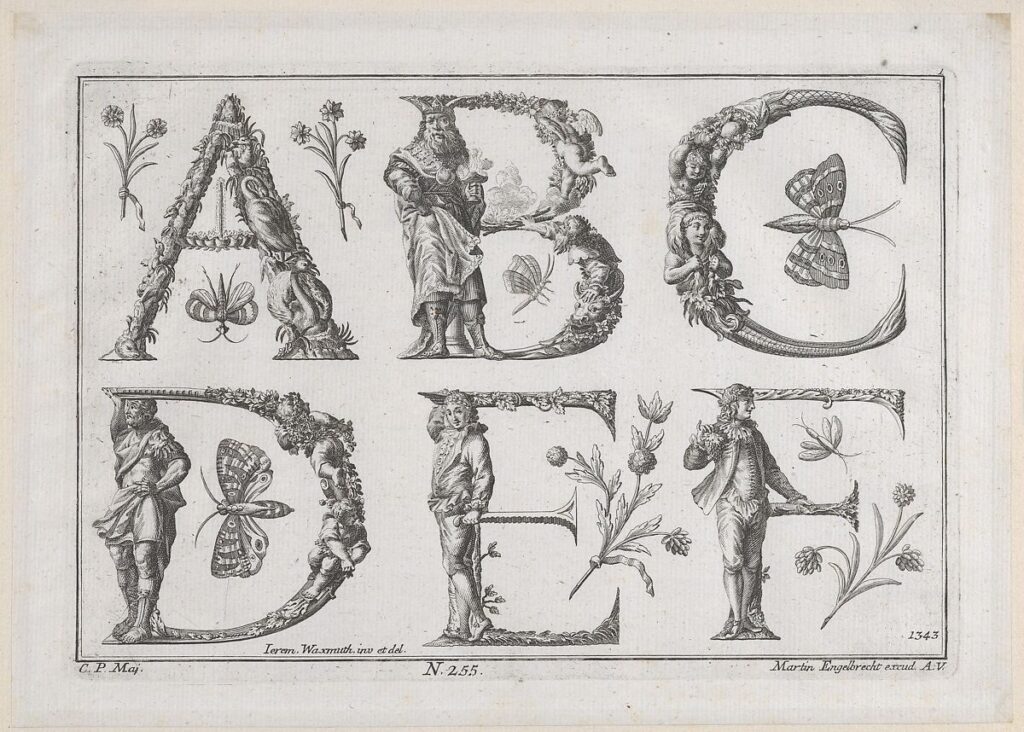
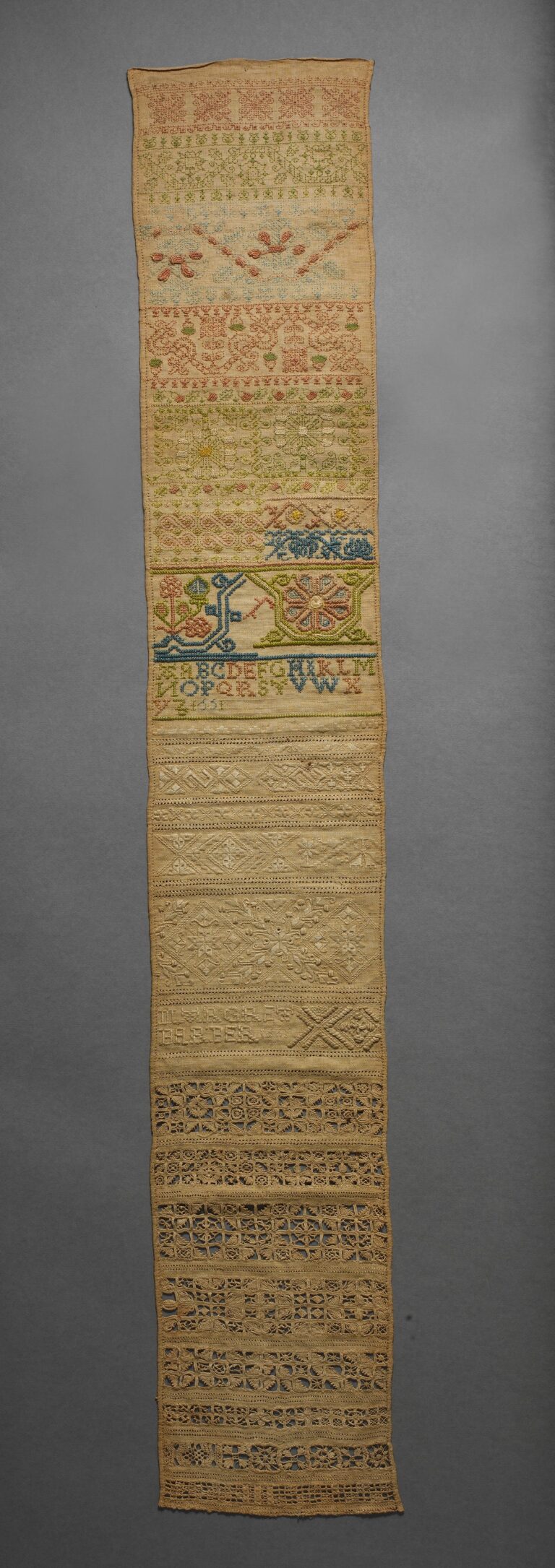
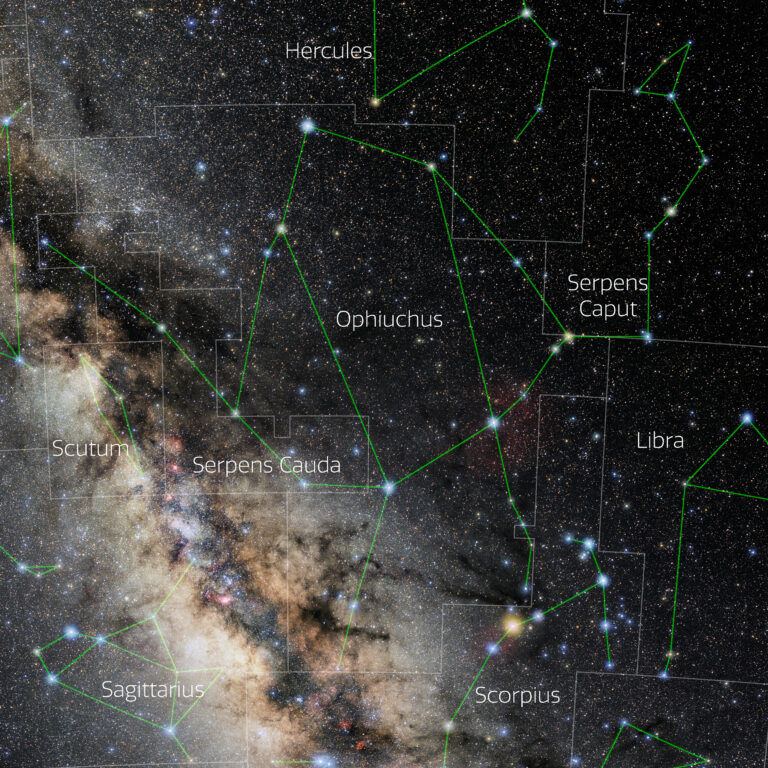
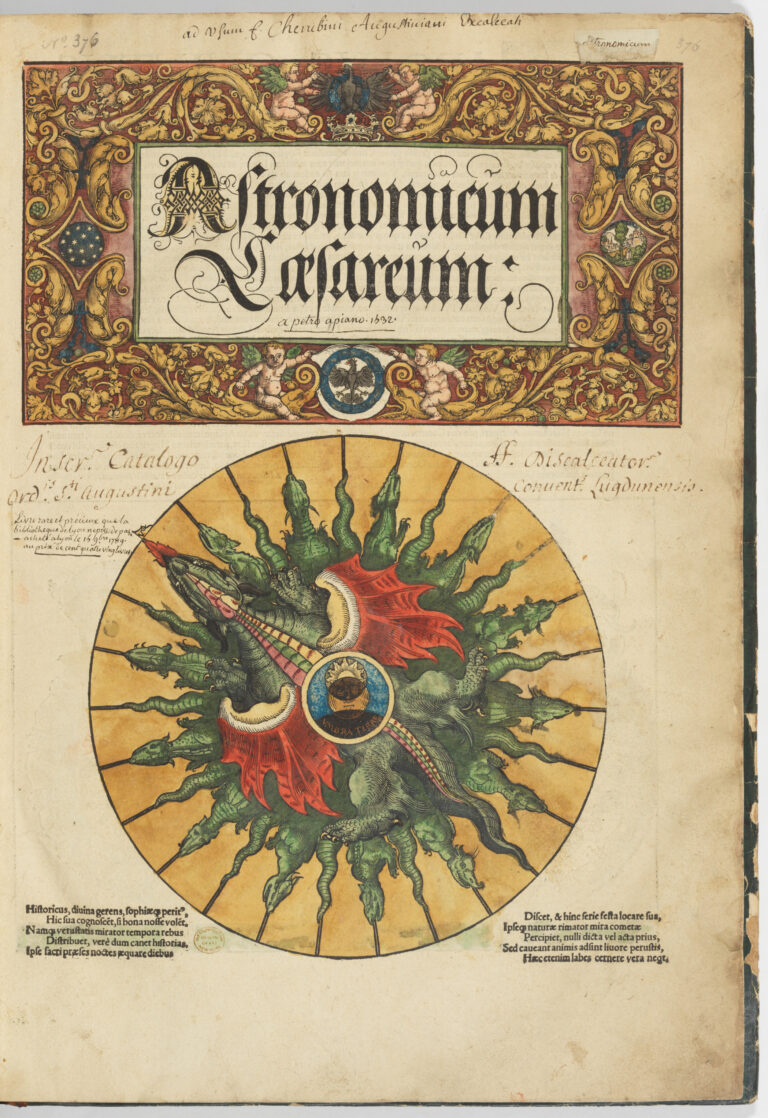
English Alphabet — 26-Letter Sequence: Modern English alphabet; comparative Geomytha symbolic reading. Modern English A–Z sequence; supporting factual anchors include CAD terminology, pi, the original 13 colonies, Ophiuchus on the astronomical zodiac/ecliptic, and public-domain historical alphabet engravings.
Sabbath: Jewish religious tradition / Shabbat. Exodus 20:8–11 and Jewish Shabbat tradition: six days of labor followed by the sanctified seventh-day cessation from work.
These citations identify the works used. An oldest surviving version is not established merely by naming a modern edition or adaptation; any earliest-witness claim not specified above remains open for further source research.