The serpent’s deepest trick is not temptation by pleasure.
It is temptation by reflection.
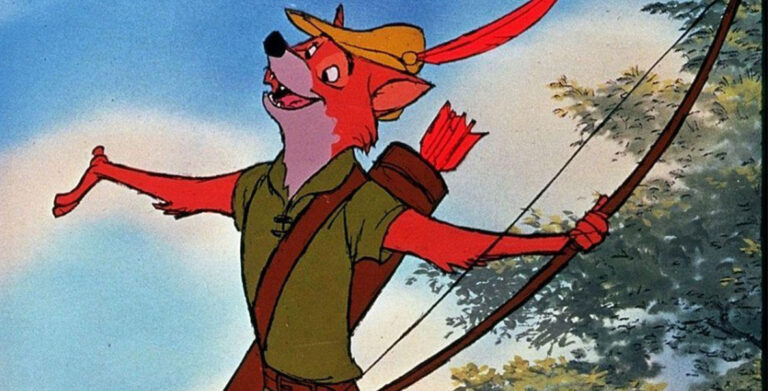
That is why one of the cleanest diagrams of the fall appears in Disney’s Robin Hood, of all places. Prince John, the false king, sits with his crown while Sir Hiss, the snake, holds up a mirror. The serpent does not need to bite him. He does not need to argue theology. He simply gives the false king an image of himself to worship.
Look.
There you are.
Crowned.
That is the whole spell.
Prince John is not strengthened by the mirror. He is weakened by it. The reflected image gives him something he desperately wants: confirmation that the crown belongs to him. The serpent mediates the reflection, and the reflection hardens into identity. The false king does not merely wear the crown. He becomes the one who must believe the crowned image.
This is not just a joke in a children’s cartoon. It is the Eden mechanism made visible.
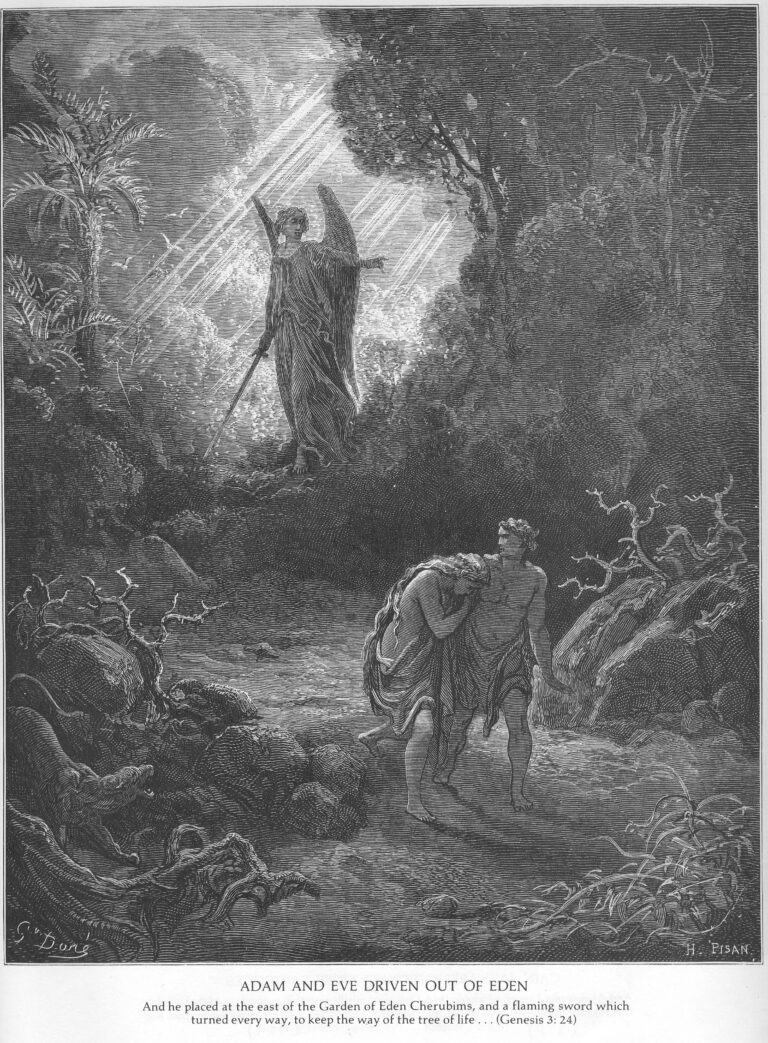
In Genesis, the serpent does not begin by offering Adam and Eve simple appetite. He offers them a reflected image of themselves as more than they are. “You will be like gods.” That is the mirror. The fruit is secondary. The deeper temptation is self-image.
Before the serpent, Adam and Eve are naked and unashamed. That detail matters. The body is present, but it has not yet been claimed as an object of identity. They are not looking at themselves from outside themselves. They are not divided into watcher and watched, judge and judged, image and owner. They are simply there.
Then the serpent enters.
The eyes open, but not into wisdom. They open into self-consciousness. Adam and Eve do not first see God, truth, or eternity. They see that they are naked. The body becomes “this body.” The self becomes an object. Shame appears because reflection has been seized by the claimant.
That is the fall.
In Geomytha, the simplest form of the whole drama is:
Is → Am → I → This
Is is pure presence before claim.
Am is clean reflection, presence becoming conscious of itself.
I is the claimant, the interruption, the thought that says mine.
This is the hardened identityGEOMYTHA readingThis — IdentityThis names the formed identity: the body, role, image, wound, belief, or story claimed as what the self is.Read full entry →: the body, crown, wound, role, image, or story mistaken for self.
The false self is born when the simple reflection of being becomes the sentence:
I am thisGEOMYTHA readingThe False-Self Sentence — I Am ThisThe false-self sentence forms when claim joins reflection to a fixed object of identity: I am this.Read full entry →.
That sentence is hiding inside almost every enduring myth and story. The costumes change. The grammar remains.
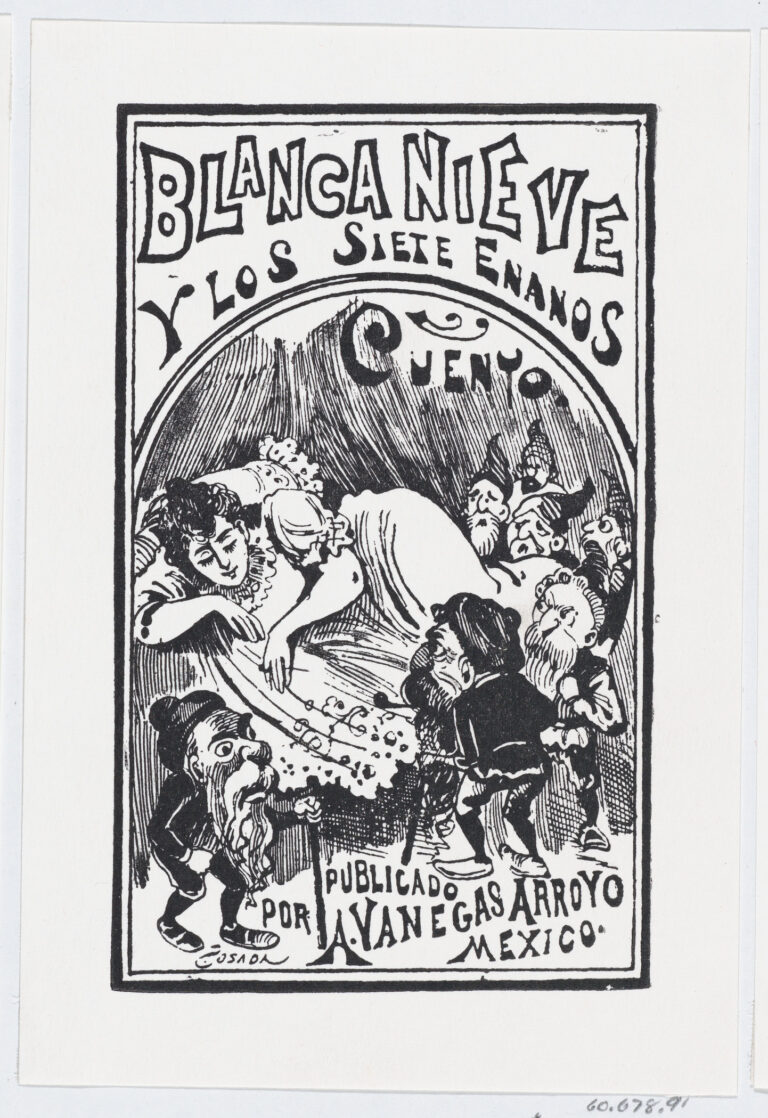
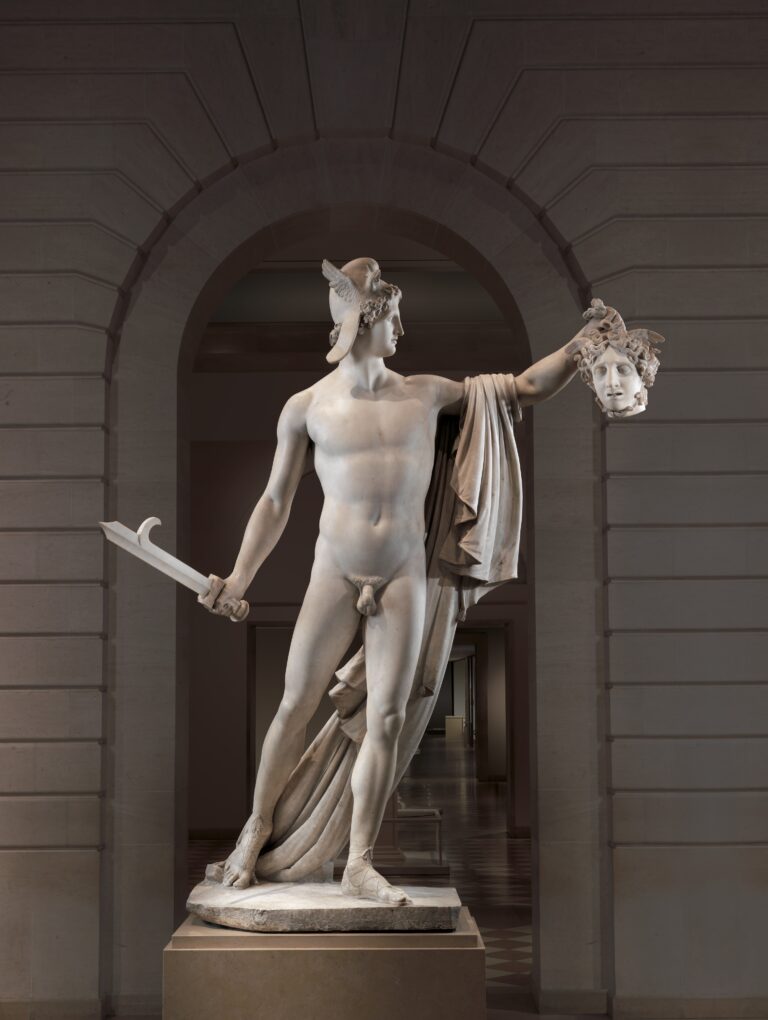
A protagonist usually carries Is or Am. Not because the protagonist is always innocent or morally perfect, but because the protagonist is the figure through whom the story tries to restore right relation. The protagonist either begins close to presence or must learn how to return to it. Snow WhiteReferenceSnow White — Fairy Tale / Film TraditionThe Snow White tradition includes the Queen consulting a magic mirror that ranks beauty and identifies Snow White as her rival; the tale also includes the poisoned apple motif in later episodes.Read full entry → carries unpossessed life. The BuddhaReferenceThe Buddha — Siddhartha GautamaSiddhartha Gautama, the historical/religious figure known as the Buddha.Read full entry → sits in still awareness beneath the tree. Frodo begins as a small, ordinary bearer of relation, not domination. Perseus survives because he can use reflection without worshiping it.
The antagonist usually carries I and This. Again, not merely because the antagonist is “bad,” but because the antagonist is trapped in claim. The antagonist says: own it, become it, protect it, display it, avenge it, possess it, crown it.
Prince John says, “I am the king.”
The Evil Queen says, “I am the fairest.”
MacbethReferenceMacbeth — Prophecy and CrownThe witches greet Macbeth with a prophecy that he will become king; Macbeth later kills Duncan and takes the crown.Read full entry → says, “I am the crowned one.”
Gollum says, “I am the owner of the Precious.”
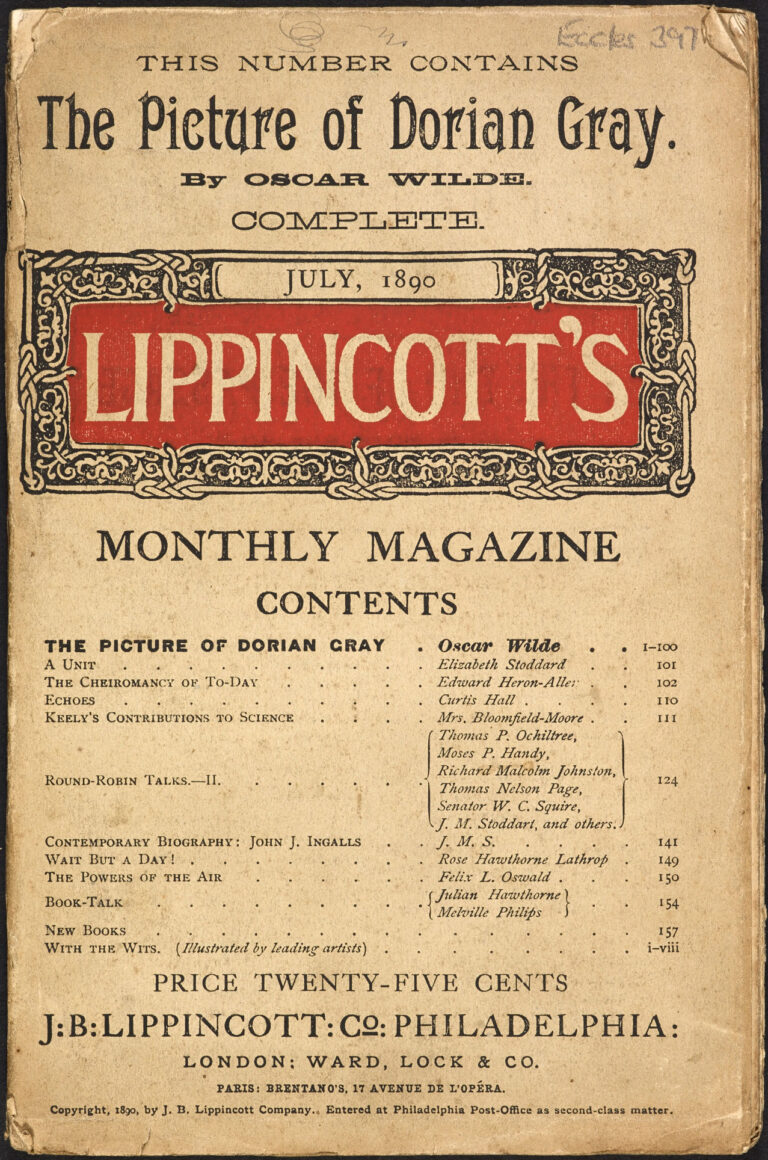
Dorian GrayReferenceDorian Gray — PortraitIn Wilde’s novel, Dorian Gray remains outwardly youthful while his portrait visibly bears the marks of corruption and consequence.Read full entry → says, “I am the beautiful image.”
NarcissusReferenceNarcissusNarcissus becomes attached to his reflected image in Ovid’s account. Other ancient retellings differ; the myth should not be reduced to a single original version.Read full entry → says, without words, “I am this reflection.”
Each one falls into the same trap. Reflection appears. The claimant enters. Identity hardens.
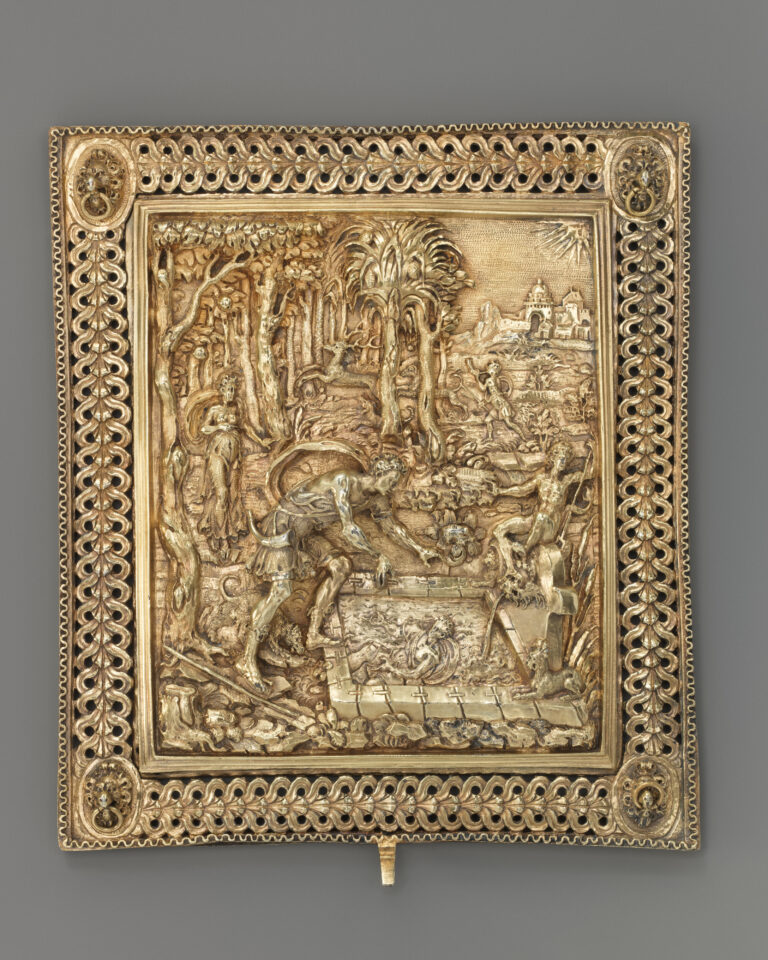
Narcissus is the cleanest version. He looks into water and falls in love with his own image. There is no need for a visible serpent because the serpent-function has moved inside him. The still pool should be Am: a surface of reflection. But Narcissus cannot let the image remain reflection. He claims it. He desires it. He becomes trapped by it.
The water does not imprison him.
His identification does.
The Evil Queen in Snow White repeats the same pattern with more obvious royal pressure. She does not ask the mirror for truth. She asks it to confirm her identity. Her sovereignty depends on being reflected back as “fairest.” When the mirror refuses to serve the claim, she becomes murderous. The mirror is not the villain. The mirror simply tells the truth. The Queen’s “I” cannot bear a reflection that does not crown her.
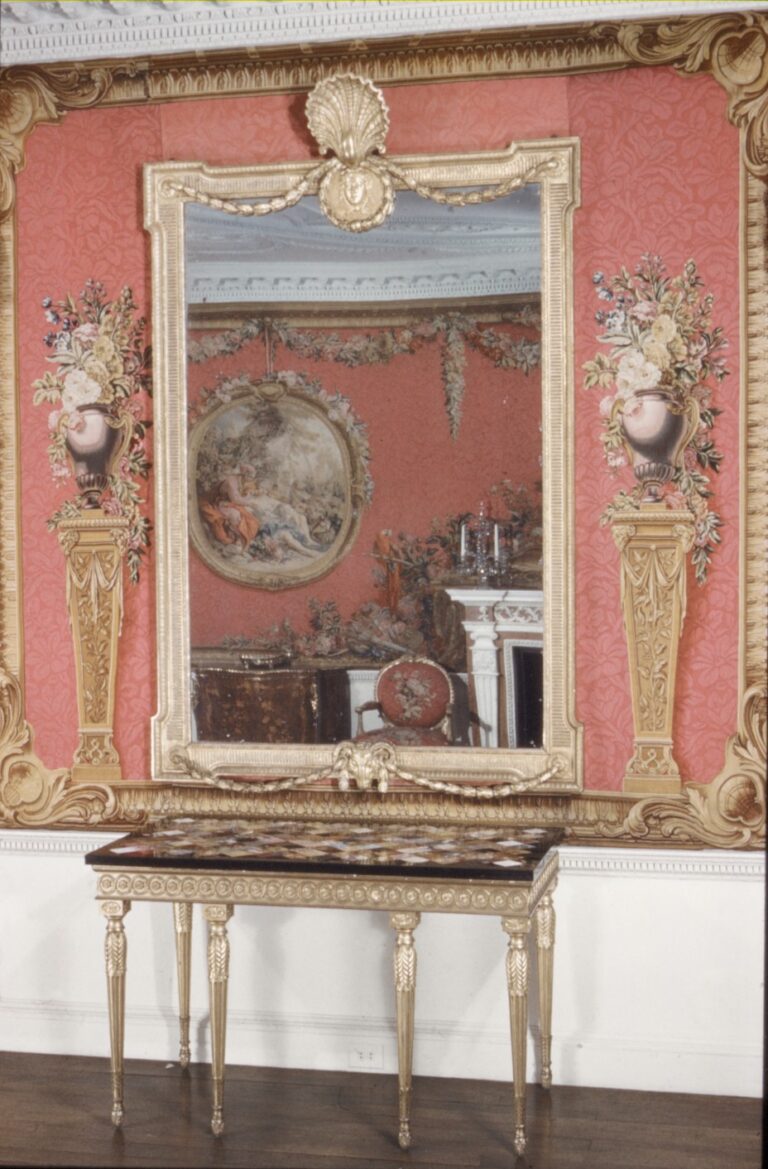
That is why the mirror and the crown so often belong together. A crown is the head-centered claim of identity. It says: I rule, I define, I possess the field. A mirror becomes dangerous when it serves that claim. It no longer reveals. It enthrones.
Macbeth does not need a literal mirror because the witches give him something more dangerous: a future image. They show him himself as king before he has become king. That prophecy becomes a mirror in time. Macbeth stares into it and sees a crowned version of himself. He could have witnessed the image and let it pass. Instead, he claims it. Once he says inwardly, “I am this future king,” the murders follow almost naturally.
The witches do not force Macbeth.
They show him an image of himself with a crown.
That is enough.
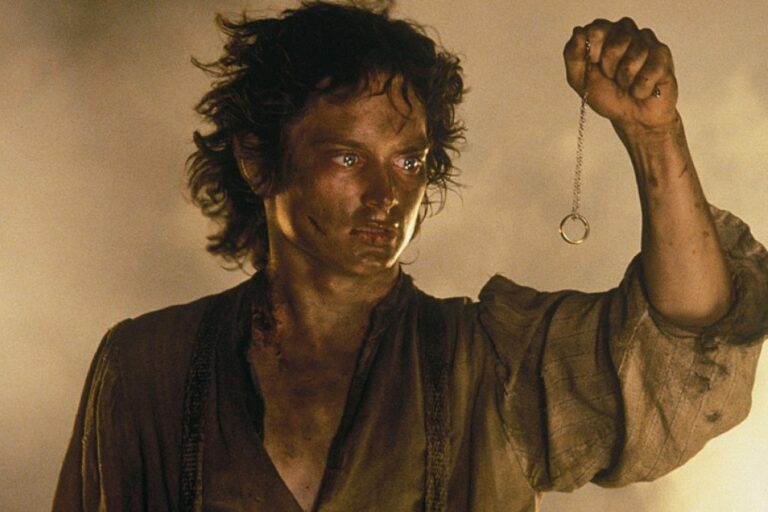
The Ring in The Lord of the Rings works the same way. It reflects each bearer’s hidden identity-fantasy. Boromir sees himself as savior of Gondor. Galadriel sees herself as a radiant queen. Gollum becomes possession itself. Frodo, slowly and painfully, begins to confuse bearing the Ring with owning it.
The Ring is not merely an object of power. It is a portable “I am this” machine. It takes desire, magnifies it, and returns it as destiny. It says: this is who you really are. This is what you must protect. This is what you must become.
That is why “my precious” is such a perfect phrase. It is possession collapsed into identity. Gollum does not merely want the Ring. He is organized around it. His entire self has hardened around the claim.
I am this owner.
I am this hunger.
I am this loss.
Dorian Gray gives the pattern a darker refinement. His portrait becomes a fixed reflection that stores the truth of his soul while his public face remains beautiful. He makes a bargain with image itself. The visible self stays untouched; the hidden reflection decays.
This is what happens when the self preserves the image and exiles the truth.
Dorian’s beauty becomes a crown. The portrait becomes the buried witness. He wants the surface without consequence, the reflection without accountability, the image without the soul. But the rejected truth does not disappear. It waits in the locked room.
That is the danger of “This.” Once identity hardens around the image, everything that contradicts the image must be hidden, denied, projected, or destroyed.
But reflection itself is not the enemy.
Perseus proves that.
When Perseus faces Medusa, he does not stare directly into the petrifying image. He uses the polished shield. He sees through reflection, but he does not identify with what he sees. The mirror does not crown him. It protects him. Reflection serves presence instead of possession.
That distinction is crucial.
Geomytha is not saying mirrors are evil. It is not saying beauty, prophecy, imagination, identity, or story must be destroyed. The question is whether reflection remains transparent to source or becomes captured by the claimant.
Prince John uses reflection to worship the false king.
Perseus uses reflection to avoid being frozen by the image.
That is the difference between corrupted Am and restored Am. Reflection can either return consciousness to presence or trap consciousness inside a hardened self-picture.
The Buddha and MaraReferenceBuddha and Mara — Temptation at EnlightenmentTraditional Buddha narratives depict Mara sending temptations and armies as Siddhartha meditates before enlightenment; Siddhartha remains seated and calls the earth to witness.Read full entry → show the same corrective in spiritual form. Mara presents fear, desire, authority, doubt, and temptation. He tries to make the Buddha become one of the images arising before him. But the Buddha does not claim them. He witnesses them. He remains seated. The images appear, but no false sentence forms.
No “I am this fear.”
No “I am this desire.”
No “I am this authority.”
No “I am this doubt.”
The tempter offers image. Awareness does not identify.
That is Eden reversed.
This is why stories keep repeating the same pattern. They are not merely recycling old tropes. They are preserving the structure of consciousness itself.
Every day, the same fall happens in miniature.
Presence appears.
Reflection arises.
Thought says “I.”
The image becomes “me.”
Then the world is experienced through that false centerGEOMYTHA readingFalse CenterA false center forms when sovereignty is assigned to an object, role, institution, future state, identity, or projection that cannot actually serve as source.Read full entry →.
A feeling appears, and the mind says, “I am this sadness.”
A wound appears, and the mind says, “I am this injury.”
A role appears, and the mind says, “I am this status.”
A belief appears, and the mind says, “I am this certainty.”
A crown appears, and the mind says, “I am this ruler.”
A mirror appears, and the mind says, “I am what I see.”
The old myths endure because this mechanism has not stopped. It did not happen once in a garden. It happens whenever awareness mistakes its own reflected content for identity.
The protagonist is the part of the story that remembers, or learns to remember, that reflection is not possession. The antagonist is the part of the story that cannot stop claiming the image. That is why the antagonist often appears as ruler, seducer, usurper, sorcerer, double, rival, monster, or voice of temptation. He is the “I” function dramatized. He is the interruption that says: take the image, become the image, defend the image, kill for the image.
The protagonist’s task is not always to destroy the antagonist outside. The deeper task is to break the spell of identification.
That is why the cleanest stories do not merely defeat a villain. They restore a relation.
The kingdom returns to rightful order.
The mirror tells the truth again.
The ring is destroyed.
The portrait is exposed.
The false king is dethroned.
The tempting image loses its force.
The self comes back from “I am this” toward simple being.
This is also why the Adam and Eve story remains so central. It is not only about disobedience. It is about the moment naked presence becomes self-conscious identity. It is about the serpent turning reflection into claim. It is about the birth of the clothed self: the self that now hides, explains, blames, fears, and experiences the body as an object.
Before the fall, there is nakedness without shame.
After the fall, there is image.
The return is not a return to ignorance. It is a return through the mirror without being captured by it. It is the recovery of reflection as reflection. It is the end of the crowned false self.
That is why the practical movement is simple, though not easy.
When the mind says:
I am this wound.
I am this role.
I am this crown.
I am this shame.
I am this beauty.
I am this failure.
I am this insight.
I am this story.
Pause before the sentence hardens.
Let Am return to Is.
Reflection does not need to become possession. The image does not need to become identity. The mirror does not need to crown the false king.
Every myth repeats the fall because every mind repeats the fall.
But every true story also leaves a path back.