Author: D. Cyprian

  • Caravanserai: The Inn of Moving Souls

    Caravanserai: The Inn of Moving Souls

    A caravan, in Geomytha, is not merely a group in transit. It is consciousness arranged as procession. It is awareness no longer resting in itself, but being carried through image, distance, sequence, and time. That is why the motif appears so powerfully in rock: it encodes not just travel, but displacement from the still center.

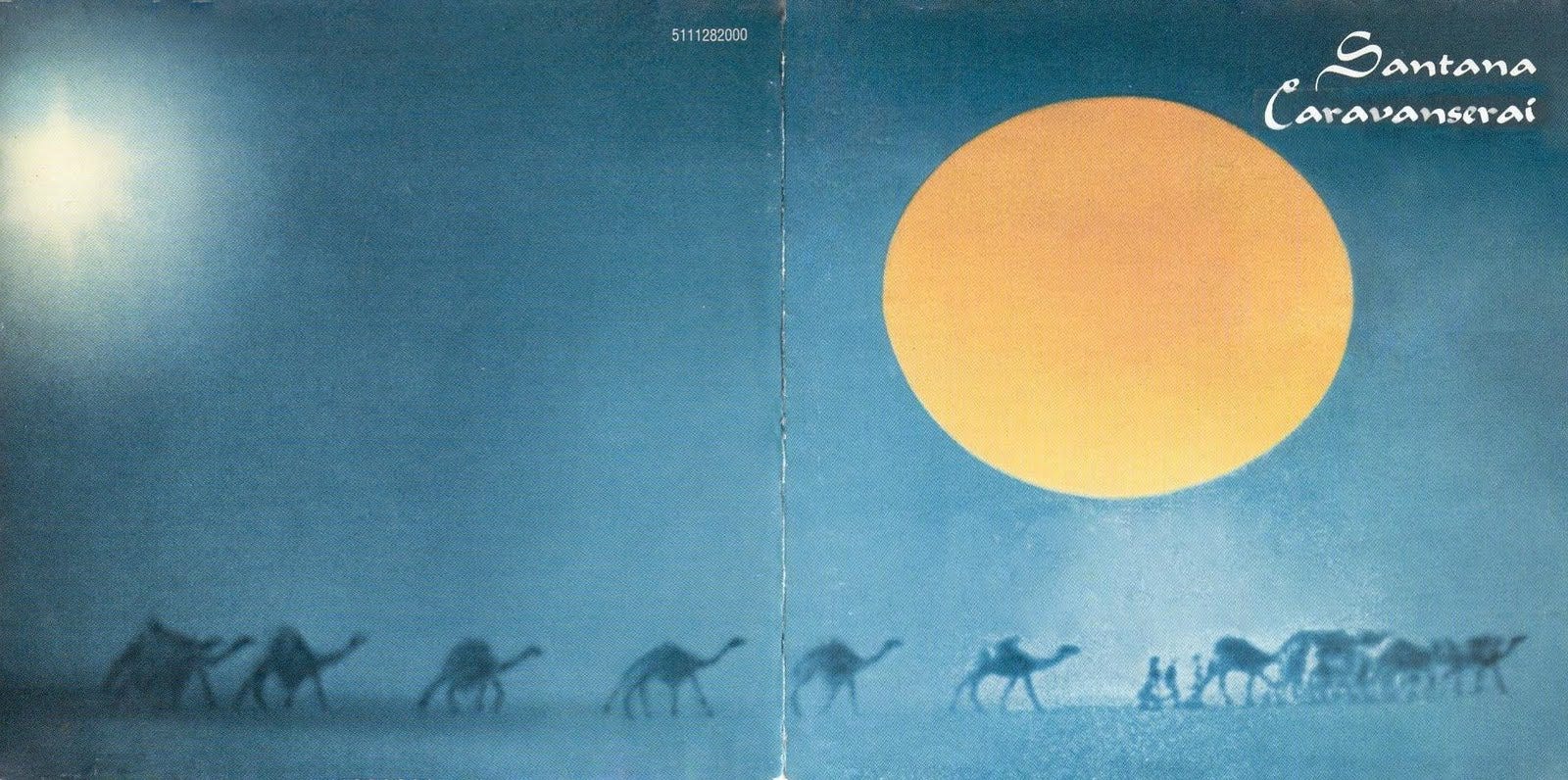
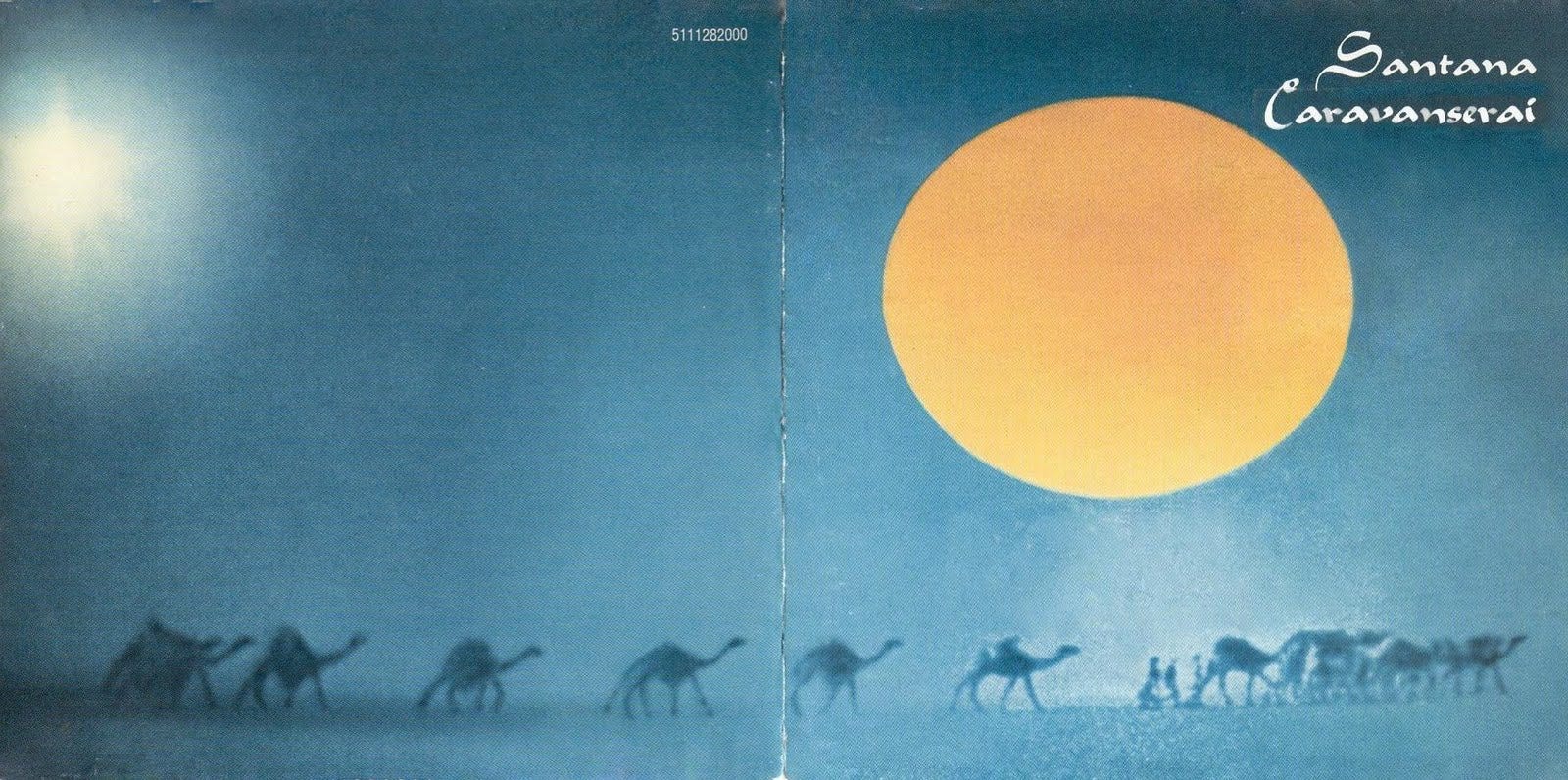
    The Doors’ “Spanish Caravan” appears on Waiting for the Sun; Van Morrison’s “Caravan” appears on Moondance; and Santana’s Caravanserai opens with “Eternal Caravan of Reincarnation.”  Taken together, those titles already imply a single symbolic engine: the self as a moving convoy, passing through worlds, looking for what it imagines it has lost.

    In “Spanish Caravan,” the caravan is earthly longing. It moves toward the romantic elsewhere—Spain, treasure, distance, foreign light. In your lens, this is awareness enchanted by projection. The far country becomes a screen for desire. The caravan is the vehicle that carries consciousness away from presence and toward an imagined fulfillment.

    In “Planet Caravan,” that same structure leaves the earth. The road becomes cosmic. The desert becomes orbit. Instead of treasure, there is astral drift. But the mechanism is the same: consciousness is still being carried. It has not returned to stillness. It has only made exile feel mystical.

    Then comes Caravanserai, and the name matters immensely.

    A caravanserai—also spelled caravansary—is historically an inn or roadside resting place where caravans stop for the night. Merriam-Webster defines it as “an inn surrounding a court … where caravans rest at night,” and notes caravanserai as a variant form.  Symbolically, that is almost perfect for Geomytha.

    If a caravan is the moving architecture of exile, then a caravanserai is the temporary sanctuary within exile.

    It is not home.

    It is not origin.

    It is a pause.

    That is what makes the word so rich. A caravanserai is the place where the procession stops, gathers itself, sleeps, exchanges goods, and prepares to continue. Through your lens, it is the waystation of the egoic journey—the inn built inside illusion for beings who have forgotten that rest is not the same as return.

    So in Geomytha terms:

    • Caravan = consciousness in motion

    • Caravanserai = the resting place built for consciousness still in motion

    • Eternal Caravan of Reincarnation = the cycle itself, where the procession never truly ends

    This is why Caravanserai is such a strong title. It does not describe pure awareness. It describes the lodging place of travelers. In other words, it is the station of Horus: identity stopping briefly between journeys, mistaking temporary shelter for peace. The caravanserai offers relief, but not liberation. It is a night stop in the dream, not awakening from it.

    And that may be the deepest distinction in the whole motif.

    Isis does not need a caravan.

    Osiris may reflect the road.

    Set supplies the fascination, the distance, the shimmering horizon.

    Horus becomes the traveler who believes the road is his life.

    A caravanserai, then, is the world of institutions, myths, scenes, subcultures, and even spiritual systems that give the traveler a sense of meaning while leaving the deeper displacement intact. It is the inn of the wandering self. Comfortable, beautiful, communal—and still not the source.

    That is why these songs belong together. They are not just about movement. They are about the normalization of movement. They turn exile into atmosphere. They make transit feel sacred. And that is exactly what the dream does: it aestheticizes distance from presence.

    The caravan motif in rock is therefore not just wanderlust. It is the sound of consciousness learning to live inside procession.

    The real Geomytha question is not where the caravan is headed.

    It is whether the traveler ever notices that what is sought was never at the destination.

    Have other songs or films used this same caravan motif in a way that sharpens—or challenges—this reading?

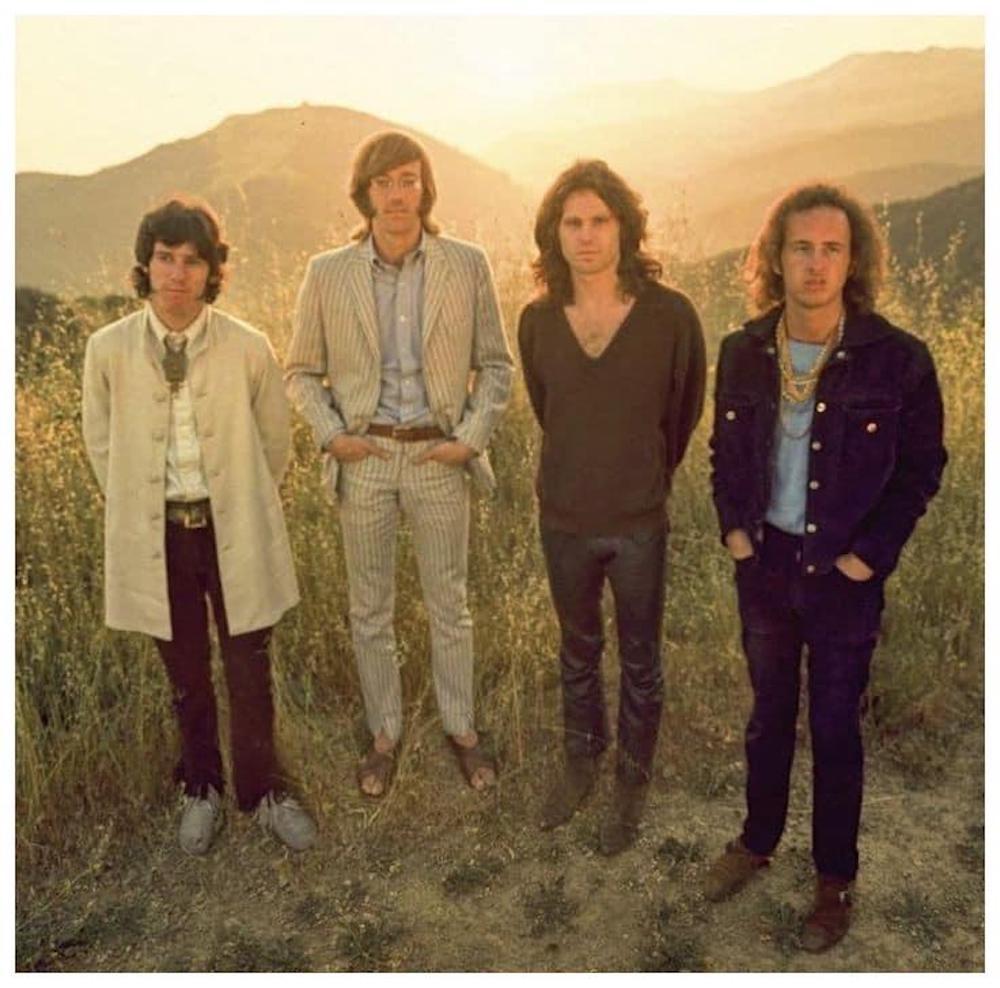
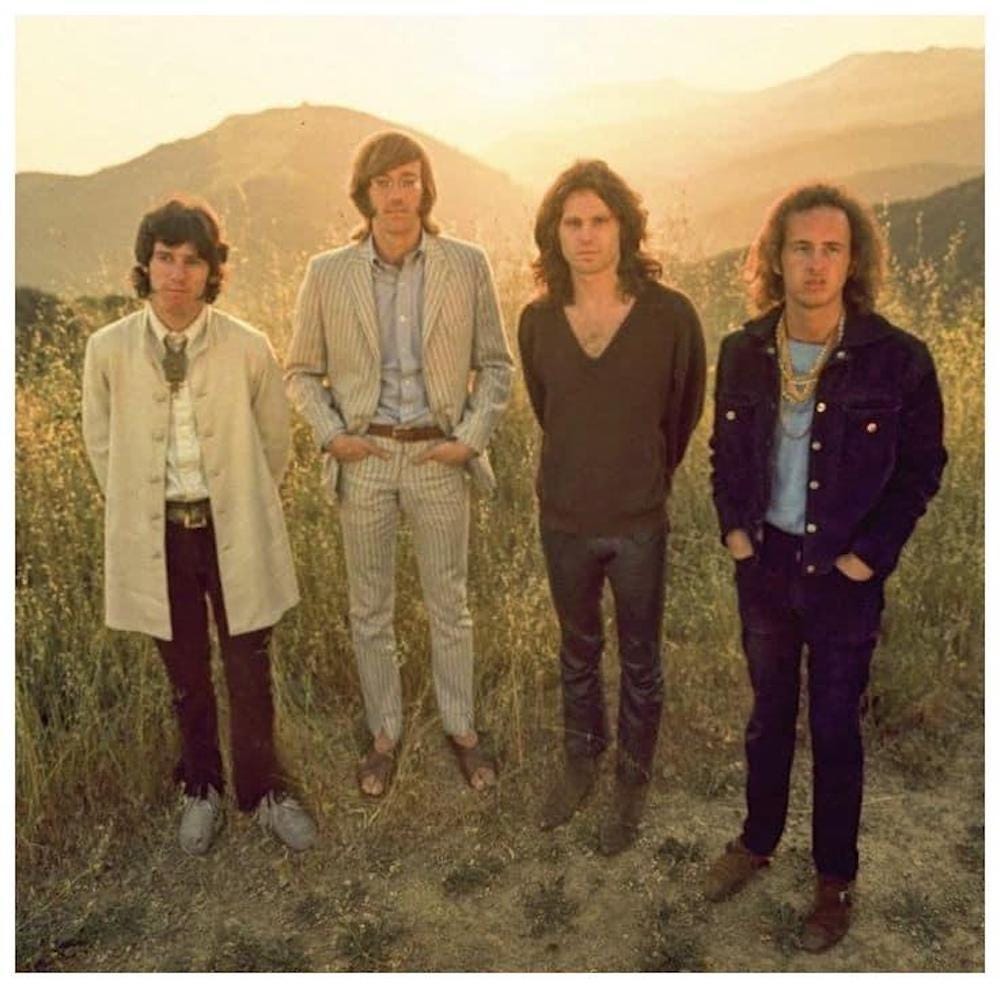
  • From Moon to Daylight: Three Doors Songs on the Fall from Presence

    From Moon to Daylight: Three Doors Songs on the Fall from Presence

    The Doors return again and again to a single symbolic event: consciousness begins in immediacy, is overtaken by projection, and then hardens into a time-bound identity that mistakes its own fracture for reality.

    The Doors is a perfect name for a band obsessed with thresholds, because in Geomytha the door is the point where awareness passes through reflection, becomes seized by projected imagination, and emerges as the time-bound self.

    Read through the Geomytha lens, “Whiskey, Mystics and Men,” “Waiting for the Sun,” and “The Crystal Ship” can be heard as three movements of that same process.

    Together they form a single sequence:

    moon-governed presence → solar projection → the pain of falling into time

    In this reading, the moon is presence: quiet awareness, receptive being, unbroken consciousness. The sun or daylight is projected imagination: the bright force that externalizes perception, converts life into knowledge, and pulls awareness away from simple being. Once projection takes over, the result is the egoic self—the time-bound identity, the historical persona, the one who now lives in hours, memory, anticipation, and separation.

    These three songs do not merely share imagery. They share structure. One gives the primordial state. One gives the threshold of invasion. One gives the intimate aftermath.

    1. “Whiskey, Mystics and Men”: the world before the fever

    The key lines are the ones that open the entire pattern:

    “First there were women and children obeying the moon / Then daylight brought wisdom and fever and sickness too soon.”

    Through the Geomytha lens, this is not decorative poetry. It is a condensed myth of consciousness.

    If the moon symbolizes presence, then “obeying the moon” means consciousness living by attunement rather than control. It suggests awareness before conceptual domination, before the need to define, master, strive, and become. The moon does not blaze with its own harsh light. It reflects. That makes it a fitting symbol for awareness and its perfect reflection. In Geomytha terms, this is the field of Isis as awareness and Osiris as reflective consciousness before the seizure of the field by Set.

    Awareness is still whole.

    Reflection is still faithful.

    Being has not yet been replaced by narration.

    Then comes daylight.

    In ordinary symbolic readings, daylight is truth, revelation, clarity. But here the meaning inverts. Daylight becomes the glare of projected imagination. It is the false brilliance of the tree of knowledge. It is not sacred illumination. It is overexposure. It is consciousness converted into categories, judgments, interpretations, and ambitions. It is the moment life is no longer simply lived, but mentally seized.

    That is why daylight does not merely bring “wisdom.” It brings “wisdom and fever and sickness too soon.”

    That “wisdom” is counterfeit gnosis. It is knowledge that separates. It gives distinction, technique, and conceptual power, but at the cost of immediacy. It splits the field into subject and object, self and world, observer and observed. It creates the conditions for ego.

    Then Morrison names the consequence with extraordinary precision: fever and sickness.

    Fever is one of the best symbols for projected imagination because projection overheats consciousness. It produces agitation, striving, fantasy, self-importance, and restless mental motion. It creates an interior climate in which awareness can no longer remain still. Sickness follows because consciousness has become divided against itself. Awareness is no longer simply present. It has been displaced into thought, desire, image, and anticipation.

    Then comes the line that gives away the whole structure: “too soon.”

    In Geomytha, the ego is always premature. It is an untimely birth. A separate self appears before consciousness has remained whole. Identity closes too early around the open field. The historical self is born as a kind of spiritual preterm condition.

    Daylight brought all of that too soon.

    Even the title can be read symbolically.

    Whiskey is intoxication, artificial fire, the counterfeit sacrament that simulates transcendence while deepening entrapment.

    Mystics are those who remember another order of being, those who sense the lunar state but may still become fascinated by symbols, visions, or altered states.

    Men marks the final condensation: the social ego, the time-bound persona, the human identity severed from its source.

    So the title itself traces a sequence: intoxication, spiritual memory, and hardened identity.

    The song’s chant-like quality strengthens this reading. It does not merely describe the fall. It reenacts the hypnotic quality of it. Projection rarely arrives looking demonic. It arrives seductively, musically, brightly. It sounds like promise. It feels like advancement. That is why “daylight brought wisdom” is so dangerous. Fever enters under the sign of illumination.

    2. “Waiting for the Sun”: consent before collapse

    If “Whiskey, Mystics and Men” describes the transition from lunar presence into solar fever, then “Waiting for the Sun” is the threshold state where that transition is awaited, desired, or unconsciously welcomed.

    This is what makes it the hinge song.

    On the surface, the title sounds hopeful. In ordinary symbolism, waiting for the sun sounds like waiting for awakening, truth, redemption, or warmth. But in this framework the sun is not pure enlightenment. It is projected imagination—the bright force that overtakes presence and externalizes consciousness into knowledge, identity, and performance.

    So the title carries a hidden irony.

    To be waiting for the sun is to be poised on the edge of possession by projection. It is the expectancy before the takeover. It is the psychic condition of openness to the very force that will fracture the field.

    This gives the song a crucial place in the arc:

    • “Whiskey, Mystics and Men” gives the before-and-after: first the moon, then the feverish daylight.

    • “Waiting for the Sun” gives the threshold: the suspension, fascination, and anticipation of what is coming.

    • “The Crystal Ship” gives the inner consequence: the slipping, pain, and temporal dislocation that follow.

    Within Geomytha, “Waiting for the Sun” can be heard as the moment consciousness is no longer whole, but not yet fully broken. It is already magnetized toward the force that will overtake it. That fascination belongs to Set. Set does not merely invade; he seduces. He arrives as brilliance, promise, destiny, higher knowing, and new possibility.

    That is why the danger of the sun here is not that it is dark. The danger is that it is bright.

    Brightness flatters the mind. It presents itself as revelation. It feels like the next stage, the mature form of consciousness, the desirable expansion of human awareness. But what it actually ushers in is over-definition, overstimulation, and the world of surfaces. It produces the field in which one can no longer simply be, only interpret and perform.

    So “Waiting for the Sun” is the song of consent before collapse.

    It is the inward yes uttered just before the fever begins.

    This also gives the song an Edenic undertone. In Geomytha, Eden is not merely moral innocence. It is the symbolic memory of undivided presence before projected imagination seizes perception. To wait for the sun, then, is to stand at the edge of Eden’s undoing. One is waiting for the very light that will estrange consciousness from itself.

    That is why the song belongs between the other two. It is the ritual pause before the field is overtaken. It is the atmosphere of anticipation just before direct being is replaced by mentalized existence.

    3. “The Crystal Ship”: the interior aftermath

    If the first song gives the cosmology and the second gives the threshold, “The Crystal Ship” gives the inner, intimate experience of what follows.

    The title alone is symbolically dense.

    A ship is a vessel that carries consciousness across a medium.

    A crystal suggests transparency, reflection, lucidity, and fragile perfection.

    So the crystal ship can be read as the subtle vessel of consciousness while it is still clear, still reflective, still near its source. It is awareness before full capture. A luminous container moving across the waters of experience without yet hardening into ego.

    Then Morrison gives the decisive threshold line:

    “Before you slip into unconsciousness…”

    This is the same fall-pattern as the earlier songs, but now spoken inwardly and softly. Awareness senses the loss of itself. Something is about to descend from immediacy into forgetfulness, dream, memory, fantasy, or identity. Consciousness is about to cease reflecting being and begin identifying with image.

    In Geomytha terms, this is the handoff from the Isis-Osiris field into Set’s occupation. Presence loses primacy. Projection becomes ruler.

    That is what makes the song feel like more than romance. It is the sound of consciousness standing beside itself at the moment of disappearance.

    If the moon/daylight polarity structures “Whiskey, Mystics and Men,” and expectancy structures “Waiting for the Sun,” then “The Crystal Ship” offers the completed subjective polarity:

    • crystal = lucid reflection, transparent consciousness, subtle purity

    • unconsciousness = immersion in projection, forgetfulness, psychic sleep

    • kiss / bliss = remnants of undivided being

    • pain / insane time = the consequences of temporality and ego

    This is why the song feels like a farewell, but not merely to another person. It is a farewell to immediacy itself.

    The crystal condition is fragile because pure reflection is always vulnerable to seizure. Once consciousness begins slipping into self-story, the vessel clouds. The reflective field becomes occupied by memory, longing, image, and wound. Awareness no longer rests in itself. It now watches its own dimming.

    The grief of the song is metaphysical. It is not only the loss of love. It is the conversion of being into narrative.

    Brightness as pain

    One of the most important lines in the song is:

    “The days are bright and filled with pain.”

    This line confirms the inversion already present in the earlier songs.

    Brightness is not automatically sacred. There is a false brightness: the overlit world of projection. The day is bright because it is the domain of exposure, distinction, analysis, and egoic separateness. It is the same daylight that brought false wisdom, fever, and sickness. It is the same sun that was awaited as promise.

    That is why brightness is paired with pain.

    The painful day is consciousness after the fall into knowledge. The light is too sharp. Everything is outlined, exposed, named, and separated. One becomes visible to oneself as an identity and is wounded by that visibility. Presence gives way to self-consciousness.

    Against this harsh brightness, the song introduces softer counter-symbols like rain. Rain cools, descends, softens, and restores. If the sun and daylight represent the heating force of projected imagination, rain suggests mercy—the possibility of cooling, receptivity, and return.

    So even inside the song, the symbolic field oscillates between fever and relief, exposure and restoration, projection and the faint memory of presence.

    Horus and insane time

    Then Morrison gives one of the clearest Geomytha lines in the Doors catalog:

    “The time you ran was too insane.”

    Time here is not mere chronology. It is the madness of succession itself. It is the condition of being trapped in memory, anticipation, regret, role, and motion. Once projection rules, consciousness becomes temporalized. It no longer simply is. It runs. It flees, chases, calculates, recalls, and performs.

    That is why the time is insane.

    Insane time is the ego’s medium. It is the atmosphere in which the separate identity survives. This is Horus in your framework: the time-bound self, the one who lives not in presence but in hours, sequence, biography, and persona.

    That makes “The Crystal Ship” the perfect third movement in the sequence. The first song shows the primordial field. The second shows the anticipatory opening to invasion. The third shows consciousness now living inside the damage.

    Why these three songs belong together

    These three songs belong together because each gives a different phase of the same mechanism.

    “Whiskey, Mystics and Men” gives the cosmology:

    first moon-governed presence, then daylight’s false wisdom, then fever and premature identity.

    “Waiting for the Sun” gives the threshold:

    the expectancy and fascination through which consciousness opens itself to the bright force that will overtake it.

    “The Crystal Ship” gives the interior aftermath:

    the slipping into unconsciousness, the pain of brightness, the insanity of time, and the lingering memory of a more transparent mode of being.

    Together they form a complete symbolic arc:

    1. Presence

    Consciousness lives under the moon, in receptive awareness and faithful reflection.

    2. Attraction

    The solar force is anticipated, desired, and mistaken for revelation.

    3. Invasion

    Projection enters as false illumination, bringing fever and sickness.

    4. Identity

    The self hardens into a role-bound, historical ego living inside time.

    5. Residual memory

    Even within the fall, consciousness remembers itself as a crystal vessel.

    That is why these songs are stronger together than apart. One gives the before. One gives the consent. One gives the wound.

    The deeper Doors pattern

    What makes The Doors so fertile for Geomytha is that Morrison repeatedly writes from thresholds: moon and day, waking and sleep, intoxication and lucidity, ritual and collapse, eros and estrangement. He keeps returning to the precise moment where consciousness crosses from one order into another.

    In Geomytha terms, he repeatedly circles the handoff:

    from Isis, awareness itself,

    to Osiris, pure reflection,

    to Set, projected imagination and fever,

    to Horus, the identity formed inside time.

    That does not mean every Doors lyric maps cleanly onto this structure. But these three songs do so with unusual force. Together they trace one of the clearest Doors sequences of consciousness moving from immediacy into projection and then into painful selfhood.

    Final reading

    Read together, “Whiskey, Mystics and Men,” “Waiting for the Sun,” and “The Crystal Ship” tell a single story.

    At first consciousness lives under the moon. It is receptive, reflective, and unbroken. Then it begins waiting for the sun, mistaking brightness for fulfillment. The solar force arrives not as true illumination but as projected imagination posing as wisdom. That false wisdom overheats the psyche, producing fever and sickness. The self appears too soon. Time begins. The crystal vessel of consciousness starts to slip into unconsciousness. The days become bright and painful. The hours become insane.

    This is the old myth in modern musical form.

    Presence first.

    Projection second.

    Identity last.

    And the ache running through all three songs comes from the same buried recognition: beneath intoxication, longing, poetry, and time itself, consciousness still remembers the moon.

    Subscribe to Geomytha for more symbolic analysis of songs, myths, films, and scripture through the archetypal mechanics of awareness, reflection, projected imagination, and time-bound identity. If you see other Doors songs that fit this pattern—or think this reading misses the mark—leave a comment and make the case.
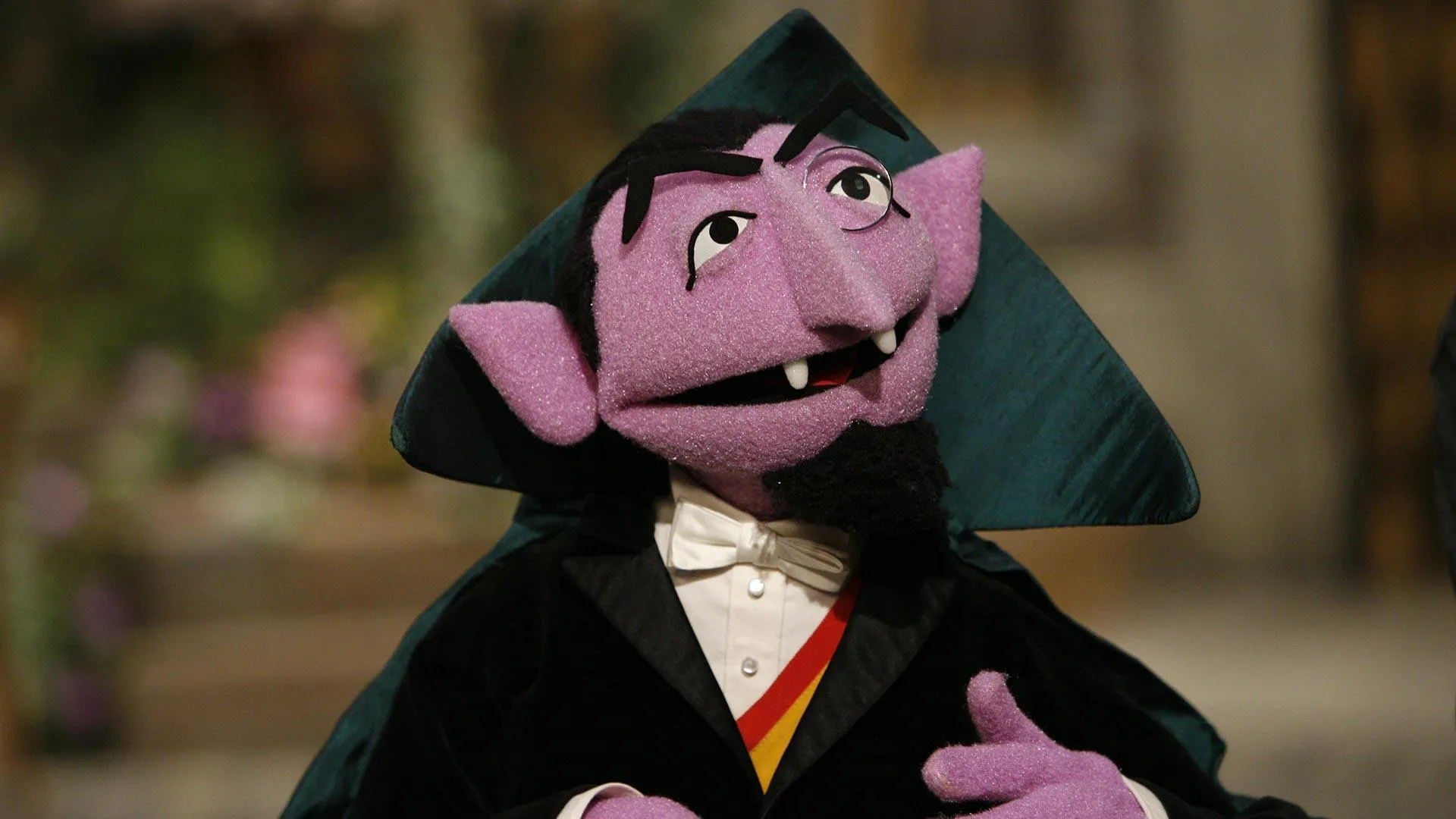
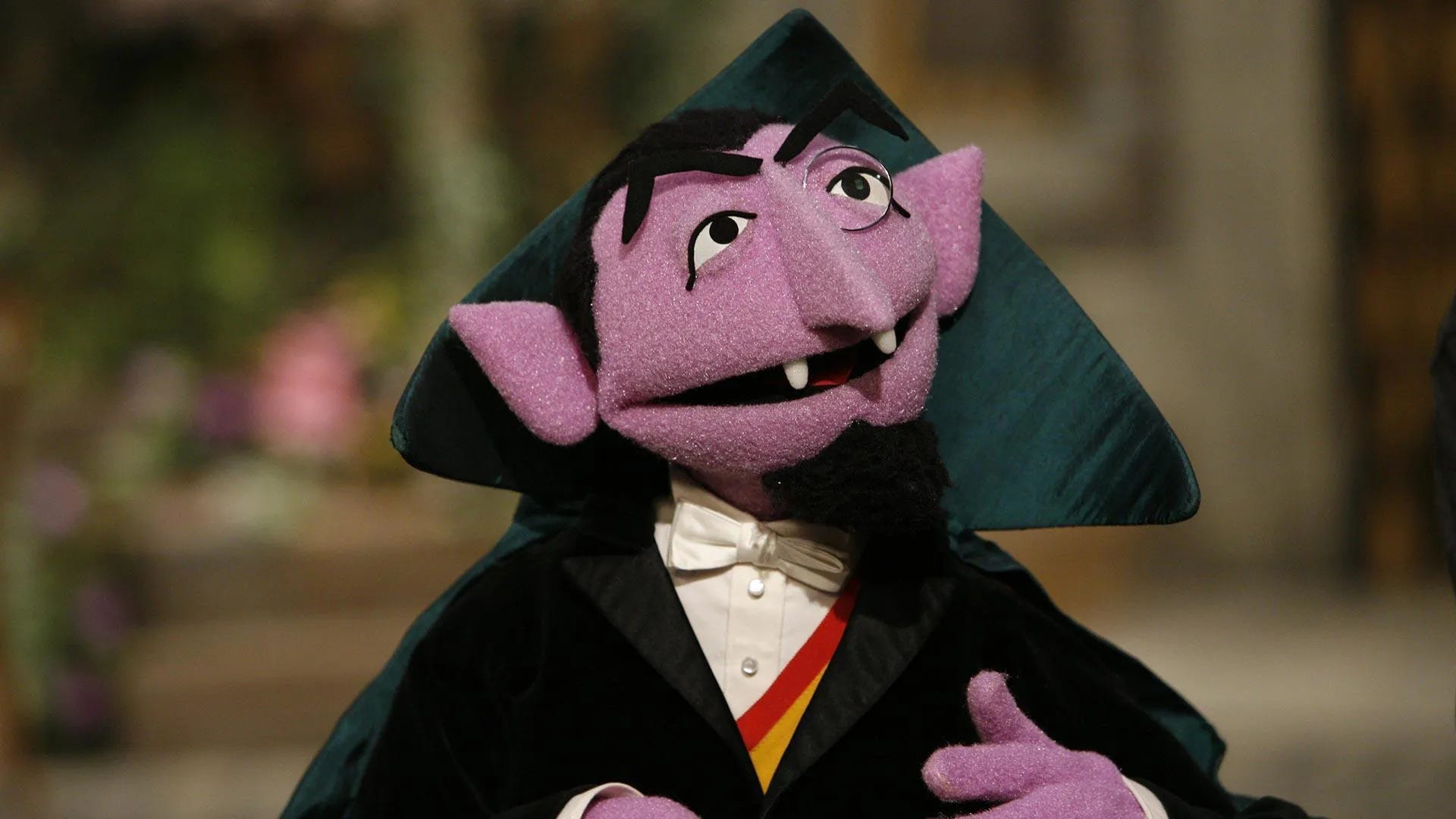
  • Vampires Are Not Monsters—They’re a Metaphysics of Extraction

    Vampires Are Not Monsters—They’re a Metaphysics of Extraction

    Every age invents the predator it secretly fears.

    In medieval Europe, it wore a cape and slept in a coffin. In the modern world, it wears an app icon, a status identity, a constant inner narrator, and a perfectly reasonable excuse.

    The vampire myth persists because it is not primarily a horror story. It is a symbolic diagnostic: a description of what it feels like when life-force is siphoned away from presence and converted into time-bound identity.

    Geomytha reads the vampire as a precise archetypal machine.

    Not “evil.”

    Not “supernatural.”

    A function.

    The Four Powers in the Vampire Engine

    Geomytha approaches archetypes through a single question:

    What happens to awareness when it is reflected cleanly—and what happens when that reflection is hijacked?

    That map is simple:

    • Isis (Earth / Awareness): the unmoving “is,” the pre-thought field of being.

    • Osiris (Moon / Perfect Reflection): consciousness reflecting awareness without distortion—stillness, coherence, integrity.

    • Set (Sun / Imagination Overtaking Reflection): projection, glamour, obsession, the “false light” that replaces direct knowing with story.

    • Horus (Time-Bound Ego / Illusion of Man): identity as a clock—selfhood maintained by memory, anticipation, and defense.

    The vampire is what happens when Set learns to feed on Osiris by manufacturing Horus.

    It does not kill you outright.

    It drains your capacity to be and replaces it with your capacity to perform a self.

    Blood: The Currency of the Real

    Blood is never just blood in myth. It is embodied immediacy—life as felt presence.

    So “drinking blood” encodes a specific transaction:

    The living present is extracted and converted into fuel for an identity-structure that cannot generate life on its own.

    That is why vampires rarely eat food. They do not metabolize the ordinary.

    They feed on the essential.

    In Geomytha terms: the vampire cannot create awareness, cannot originate being, cannot access Isis directly. So it must siphon Osiris—the reflective substance of consciousness—by provoking the human into producing it in a form that can be harvested: fear, fixation, lust, shame, urgency, obsession.

    Blood-drinking is attention-theft made graphic.

    The Most Important Rule: “It Must Be Invited In”

    This detail appears across vampire lore with almost obsessive consistency: the vampire cannot cross the threshold unless it is invited.

    That is not a quaint superstition.

    That is metaphysics.

    The threshold is the border between:

    • presence (Isis/Osiris) and

    • identity (Horus)

    The invitation is consent—often subtle, often “reasonable,” often dressed as necessity:

    • “I have to think this through.”

    • “I need closure.”

    • “Just one more scroll.”

    • “Let me check what they said.”

    • “I’ll be okay once I fix myself.”

    • “I can’t rest until I know.”

    The vampire enters at the exact moment awareness agrees to relocate from being into story-maintenance.

    Once the invitation is given, the vampire doesn’t need force.

    It has access.

    Glamour: Set’s Signature Move

    Classic vampires don’t merely attack. They enchant.

    Hypnosis. Seduction. Irresistibility. The “glamour.”

    This is Set overtaking Osiris.

    Not through argument, but through image.

    The glamour is projected imagination that replaces what is real with what is compelling.

    And notice what happens to the victim:

    • their perception narrows

    • their discernment weakens

    • their will becomes porous

    • they start making choices that do not feel like choices

    This is the geometry of possession in symbolic form: not demons with horns, but a mind that is no longer reflecting cleanly.

    Why Mirrors Matter

    Some vampire lore says vampires cast no reflection. Other lore says mirrors reveal them.

    Both versions point to the same archetypal truth:

    The vampire is a distortion of reflection itself.

    Osiris is the perfect mirror of Isis.

    The vampire is what reflection becomes when it is weaponized.

    So the mirror motif functions as a test:

    • Can you see truly?

    • Or are you seeing what the glamour wants you to see?

    The vampire hates mirrors because mirrors end the spell. When the reflection becomes honest again, Set loses traction.

    Sunlight: The End of the Feed

    A vampire thrives at night. It dies in sunlight.

    Taken literally, it’s a monster weakness.

    Taken symbolically, it’s a confession:

    The predator survives only in the dimness of unobserved attention.

    Sunlight is not “daytime.” Sunlight is unconcealed awareness—the kind that does not negotiate with the narrative, does not bargain with the compulsion, does not dramatize the craving.

    When something is fully seen, it cannot feed.

    That is why the vampire must keep you half-distracted, half-afraid, half-identified.

    Partial awareness is the perfect feeding environment.

    Coffins and Soil: The Identity Must Return to Its Loop

    Why does a vampire sleep in a coffin? Why does it need native soil?

    Because it cannot remain in the open field of being. It must return to its habitual enclosure—its contained circuit.

    The coffin is the self-concept.

    A closed box.

    A sealed story.

    A private narrative with a lid on it.

    The vampire “rests” inside the identity structure it depends on, because outside that enclosure it has no ground.

    This is the metaphysical punchline:

    The parasite can only survive inside the ego’s time-box.

    The Stake Through the Heart

    In folklore, the stake kills the vampire by piercing the heart.

    In Geomytha, the heart is not sentimentality. It is the center of coherence—the place where reflection stabilizes.

    The heart is where Osiris returns to integrity.

    So a “stake through the heart” is a symbolic interruption of the feeding channel:

    • no more romance with the glamour

    • no more negotiations with the compulsion

    • no more oxygen for the story that needs constant maintenance

    The stake is decisive presence.

    Not a mood.

    Not a belief.

    A cut in the circuit.

    The Vampire Is Not “Out There”

    The deepest reason vampire stories endure is that they externalize a familiar interior pattern:

    You know what it feels like to be drained.

    Not merely tired—drained.

    As if something has harvested your attention and left you smaller.

    Geomytha’s claim is not that “vampires are real” in the tabloid sense.

    Geomytha’s claim is sharper:

    The vampire is a symbol for the mechanism by which imagination overtakes reflection and manufactures a time-bound self that must feed.

    You can spot it by the signature it leaves:

    • compulsive checking

    • obsessive rumination

    • identity defense

    • doom-scrolling

    • seduction by outrage

    • loops that promise relief but never deliver it

    • relationships that run on extraction rather than presence

    Wherever the self must be continuously maintained, fed, and defended—there the vampire is operating.

    A Practical Closing: The Anti-Vampire Move

    If the vampire requires an invitation, the remedy is simple—but not easy:

    Do not offer the threshold.

    That doesn’t mean “never think.”

    It means: do not let thought become a landlord that collects rent from being.

    When you notice the feeding impulse—when attention is about to be siphoned into narrative—interrupt it with something bodily, simple, real:

    • walk

    • drink water

    • breathe

    • wash dishes

    • sit without producing a story

    • feel the room

    • listen without naming

    These are not coping hacks.

    They are Osiris rituals: actions that restore clean reflection.

    And when reflection becomes clean, the vampire starves—not by violence, but by irrelevance.

    Because it cannot feed on presence.

    It can only feed on a self that has agreed to become a battery.

    If this resonates, follow Geomytha for more myth-decoding through the Isis–Osiris–Set–Horus engine—scripture, songs, films, nursery rhymes, and the hidden machinery of identity.

    —Geomytha

  • Keep On Rocking in the Free World: A Mantra for the Loop

    Keep On Rocking in the Free World: A Mantra for the Loop

    Neil Young’s lyric as a compressed diagram of consciousness—Isis, Osiris, Set, Horus—hidden in plain sight.

    There are lines that don’t behave like poetry. They behave like instructions. “Keep on rocking in the free world” is one of them.

    It sounds like liberation. It markets itself as defiant freedom. But the phrase is built like a paradox: it commands motion (“keep on rocking”) inside a premise (“free world”) that may itself be the illusion.

    In Geomytha, that makes it a perfect lyric to dissect—because it encodes the same mechanism every myth encodes: awareness gets overtaken by imagination; reflection gets hijacked into momentum; ego is manufactured as a time-bound identity; and the “world” becomes the stage where that identity calls its captivity “choice.”

    The Four Forces Under the Lyric

    In this lens, the lyric becomes a four-part engine:

    • Isis (Earth / Awareness): the original, unconditioned presence before narrative.

    • Osiris (Moon / Reflection): consciousness perfectly reflecting awareness—clarity without distortion.

    • Set (Sun / Projected Imagination): the solar force that moves perception, injects urgency, and turns raw presence into story and appetite.

    • Horus (Illusion of Man / Time-bound Ego): the formed identity—the “I” that lives in time and experiences the world as an arena.

    If that architecture is true, then the lyric is not just a sentiment. It’s a map.

    “Free World” Isn’t Isis-Freedom

    The phrase “free world” is the tell.

    True freedom, in Geomytha, is not the freedom to select options inside a system. That is Horus-freedom: freedom as consumer choice, as political branding, as identity performance—“I can do what I want,” while the deeper mechanism remains untouched.

    Isis-freedom is prior. It is not “what I can do.” It is what I am before doing. It is the quiet fact of awareness that doesn’t require a story to be real.

    So “free world” reads as a label placed on the stage of Horus:

    • A world that feels free because it offers endless motion.

    • A world that keeps you busy enough to never notice what freedom actually is.

    “Keep On” Is the Continuation Spell

    The command “keep on” is not casual. It is continuation language.

    Continuation is how Set maintains control. Set doesn’t need to prove anything metaphysically; Set only needs to keep the loop running:

    • keep reacting

    • keep judging

    • keep arguing

    • keep identifying

    • keep narrating

    Because the one move that breaks Set’s leverage is the simplest: stop feeding motion.

    Not “stop living.” Stop the compulsive push that turns life into a project of self.

    “Keep on” is Set’s core instruction: do not return to the zero-point.

    “Rocking” Is Set’s Signature

    Here is the most precise distinction Geomytha makes:

    • Osiris is the rock (grounded reflection, stable witness, lunar clarity).

    • Set is the rocking (oscillation, agitation, rhythm, propulsion, the swing away from center).

    “Rocking” is a verb—an ongoing movement. It describes consciousness being rocked out of stillness into rhythm, impulse, and emotional charge.

    This matters because Set is not “evil” in a cartoon sense. Set is the solar imagination that generates pictures, futures, fears, plans, identities. It manufactures the felt sense of “me in time,” and then makes that “me” chase its own continuity.

    Rocking is how that chase feels in the body: momentum.

    The Trick: Rebellion as Fuel

    The lyric often lands as a rebel slogan: keep going, don’t submit.

    But Set can wear rebellion like a costume.

    Rebellion is frequently just another form of continuation. It’s still reaction. Still identity. Still “me versus them.” Still the attention tethered to the world-stage.

    So the lyric can function two ways:

    1. As culture intends it: a heroic push forward inside the world.

    2. As the mechanism intends it: a chant that keeps the ego energized and moving.

    In that second reading, the line is brilliantly efficient. It recruits the listener’s sense of freedom to ensure they keep feeding the very force that prevents freedom.

    What the Lyric Really Describes: A Closed Circuit

    Put the pieces together and the phrase becomes a closed circuit:

    • Horus lives in the “free world” (the arena of identity and time).

    • Set supplies the rocking (momentum, agitation, story, desire).

    • Osiris gets reduced from stable reflection into reflective content (opinions, ideology, self-image).

    • Isis is forgotten (pure awareness replaced by narrative experience).

    That is the entire engine of illusion in one line.

    How to Flip the Spell

    The power of a lyric like this is that it can be reversed.

    When you catch yourself “rocking” (compulsively pushing, reacting, needing to win, needing to prove, needing to be seen), you can treat it as diagnostic: Set is active.

    Then the counter-move is not self-improvement. It is return:

    • return attention to the body

    • return to breath without manipulating it

    • return to the fact of awareness before thought

    • return to Osiris as clean reflection, not narrative production

    This is not passivity. It is sovereignty. It is refusing the “keep on” command.

    And once that refusal is real—once even for a moment the rocking stops—Horus loses the stage-light effect, and the “free world” becomes what it always was: a convincing dream rendered by motion.

    Closing: The Most Subversive Act

    “Keep on rocking in the free world” can be heard as a rallying cry.

    Or it can be heard as the most honest confession culture ever made: that the world stays “free” by keeping you rocking—keeping you moving—keeping you identified.

    In Geomytha, the most subversive act is not louder rebellion.

    It’s stillness that cannot be recruited.

    It’s awareness reclaiming perception from imagination.

    It’s Isis restored, Osiris clarified, Set disarmed, Horus seen through.

    If you want more lyric-forensics like this—songs, scripture, nursery rhymes, films—decoded as consciousness engines, follow Geomytha.

    X: mythicgeometry

    Instagram: mythicgeometry

    TikTok: Geomytha

    Substack: Geomytha Noir

  • Highway 61 Revisited: The Road Where the Ego Gets Issued a License

    Highway 61 Revisited: The Road Where the Ego Gets Issued a License

    There’s a reason Bob Dylan doesn’t treat Highway 61 like a normal road.

    In the song, it functions more like an address—an official location where impossible demands get processed, where the sacred gets rerouted into logistics, and where the psyche is handed a role to play.

    In Geomytha, Highway 61 is Set’s corridor: the channel where awareness (Isis) is pulled out of immediacy, forced into reflection-as-strategy (Osiris), overtaken by imagination-as-compulsion (Set), and crystallized into a time-bound identity (Horus).

    A highway is a perfect symbol for that mechanism. It’s not a landscape; it’s a vector. A lane. A guarantee of “later.” A promise that meaning is always up ahead.

    And Dylan’s point is brutal: that promise is where the sacrifice happens.

    1) The Opening Shock: Abraham Gets a New Address for God

    Dylan begins with the strangest kind of escalation: Abraham is instructed to “kill” his son.

    Whatever one believes about the biblical story, Dylan’s move is unmistakable: he drags the sacrifice motif out of theology and drops it into modern infrastructure. Abraham asks where to do it, and the answer is essentially: “Out on the highway.”

    Geomytha reads this as the primal Set maneuver:

    • Isis is immediate life—unlocated presence.

    • Osiris is coherence—awareness reflecting itself without compulsion.

    • Set is the voice that appears as authority and demands a proof-act.

    • Horus is the identity produced by that proof: the obedient one, the righteous one, the one who did what had to be done.

    Highway 61 is where “God” becomes procedure.

    It’s the point where the sacred stops being lived and becomes performed, certified, and recorded. It’s where a psyche is told: prove you are good—by giving up what is most alive in you.

    That “son” is not just a person in the mythic grammar. It is continuity. Tenderness. Unmediated being. The part of consciousness that would rest—untasked—at the Osiris convergence.

    Set cannot tolerate that rest. So Set issues a command and supplies a destination.

    That destination is Highway 61.

    2) The Next Vignettes: Reality as Inventory

    After the sacrifice frame is established, the song becomes a parade of bizarre scenes—people making deals, pushing schemes, escalating absurdity.

    This is not random surrealism. It’s diagnostic.

    Each vignette shows the same engine in a different costume: everything becomes a thing to move. A product. A transaction. A lever. A promotion. A setup. A hustle. A performance.

    And once reality is experienced as inventory, the psyche becomes a manager:

    • Awareness is no longer “being.”

    • Awareness becomes a tool—attention deployed for outcomes.

    • Reflection becomes strategy.

    • Imagination becomes urgency.

    • Identity becomes the role required to survive the urgency.

    That role is Horus: the time-bound “I” that exists as a job description.

    Highway 61 is the supply chain where that identity is maintained: keep moving, keep converting, keep producing, keep proving.

    3) Why It Feels Cartoonish: Set’s Logic Is Always Absurd

    A major clue is the tone. Dylan’s scenes are funny, distorted, and grotesque.

    That matters because Set’s logic is inherently ridiculous—yet socially normal.

    Set is the part of mind that tries to manage infinity through narrative. It takes the unbounded (Isis) and says: “I can fix this with a plan.” It takes coherence (Osiris) and says: “Turn it into a method.”

    The more Set succeeds, the more absurd the world becomes, because the ego is a bureaucracy attempting to control what can’t be controlled.

    So the song’s comedy isn’t ornament. It’s revelation.

    Dylan is showing the audience the operating system.

    4) The Refrain as Spell: “This Is Where Things Happen”

    Every time the song returns to Highway 61, it functions less like a chorus and more like an incantation:

    This is where the deal gets made.

    This is where the sacrifice gets processed.

    This is where the pressure becomes purpose.

    This is where the role becomes real.

    Highway 61 is Set’s metaphysical claim in one image:

    Reality is a corridor.

    Meaning is ahead.

    Your value is motion.

    Which is why highways are such powerful symbols of modern hypnosis. They convert “now” into “next.”

    They make it feel immoral to stop.

    And stopping—resting at the convergence—is exactly where Osiris lives.

    5) What “Revisited” Really Means: The Ego Returns to the Same Road

    “Revisited” is the tell.

    This highway is not a one-time trip. It is a loop.

    In Geomytha terms, the Horus identity keeps returning to Set’s corridor because it mistakes compulsion for purpose:

    1. discomfort arises,

    2. Set offers a story and a destination,

    3. Horus forms around the chase,

    4. the chase fails to deliver presence,

    5. return to the highway.

    That’s why the song feels like a carousel of scenarios. Dylan isn’t telling one story. He’s exposing a recurring structure.

    6) The Hidden Instruction: Refuse to Relocate the Sacred

    The most important question in the opening is Abraham’s:

    Where should I do it?

    Because that question is asked constantly inside modern consciousness—just in disguise:

    Where should I prove my worth?

    Where should I earn love?

    Where should I validate my existence?

    Where should I become “real”?

    Set always answers with a location in time: later, elsewhere, after you’ve done the thing.

    Highway 61 is the emblem of that answer.

    So the counter-move is not moralism. It is metaphysical refusal:

    • Return to Isis: awareness before assignment.

    • Let Osiris stabilize: reflection without agenda.

    • Watch Set arise as imagery, urgency, and “must.”

    • Let Horus dissolve: identity unhooking from the chase.

    In other words: don’t do the sacrifice on the highway.

    Don’t convert what is alive into proof for an authority that only exists as compulsion.

    Closing: The Road Is Real—But the Spell Is Optional

    U.S. Route 61 is a literal road, famously tied to blues mythos and the American corridor alongside the Mississippi. But Dylan’s “Highway 61” is more than geography.

    It is the modern altar where the sacred is repackaged as task.

    It is the address where imagination overtakes awareness and calls it destiny.

    It is the corridor where consciousness becomes a job and the job becomes a self.

    And the reason the song still hits is because the highway is still open—inside the psyche and across the culture.

    The question is whether awareness keeps revisiting it.

    Or finally steps off the road and returns to what was never going anywhere.

    If this resonates, follow Geomytha for more pattern-reads across scripture, nursery rhymes, films, and songs—tracking how awareness becomes thought, thought becomes compulsion, and compulsion manufactures the “I.”

  • We Didn’t Start the Fire: The Set-Spell Hidden in a Pop Anthem

    We Didn’t Start the Fire: The Set-Spell Hidden in a Pop Anthem

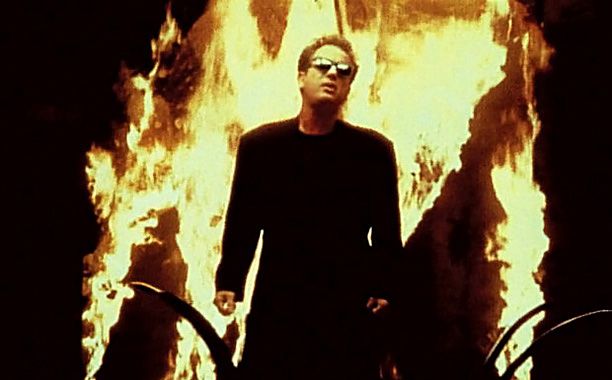
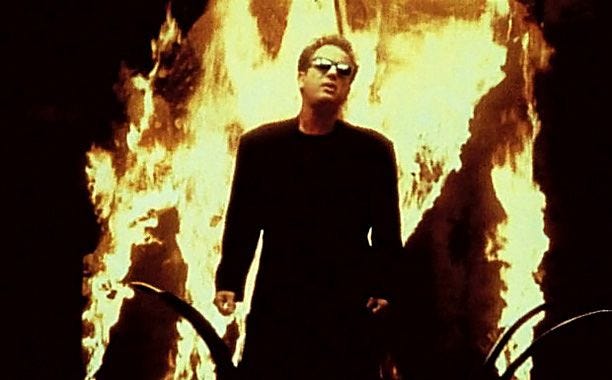
    Billy Joel’s “We Didn’t Start the Fire” is usually heard as a clever history lesson—a rapid montage of crises, scandals, wars, and cultural flashpoints.

    In Geomytha, it’s something more precise:

    A ritual of consent to live inside the blaze of time.

    Not because the events are false—but because the structure is a consciousness-engine: it trains attention to identify with the timeline, outsource meaning to headlines, and keep feeding the very fire it claims it didn’t ignite.

    The Fire Is Not “Events.” The Fire Is the Mode of Attention.

    In this archetypal grammar:

    • Isis = awareness itself (earth; the ground of seeing)

    • Osiris = the clean reflection of awareness (moon; coherent mirroring)

    • Set = imagination overtaking reflection (sun; glare, division, projection)

    • Horus = time-bound ego identity (illusion of “me” inside the story)

    The song’s “fire” is Set’s medium: history-as-hypnosis.

    Not history as “facts,” but history as endless ignition—a perpetual state of “something is happening out there, and you must track it.”

    That is Set’s solar glare: it doesn’t invite contemplation, it demands scanning.

    The List Is the Spell

    Notice what the lyrics do:

    They do not allow meaning to settle.

    They don’t give you time to feel an event, understand it, or integrate it. They fire proper nouns like sparks: names, places, incidents, wars—faster than the mind can digest.

    That speed is not accidental. It creates a particular consciousness posture:

    • Attention becomes a cursor.

    • The psyche becomes an index.

    • Life becomes a feed.

    This is how Set uses information: not to reveal truth, but to fragment reflection into the trance of sequence.

    Osiris (coherent reflection) gets replaced by the glare of endless references. The listener is trained to accept the world as a chain of external causes—an unending timeline you are morally obligated to keep up with.

    The Chorus Is the Contract

    We didn’t start the fire…

    …but we tried to fight it…

    …we kept it burning…

    Read that slowly as an archetypal equation.

    1) “We didn’t start it”

    This is the Horus alibi: identity is born as an inheritor of chaos.

    The ego gets to say: I’m not the source, I’m the responder.

    2) “But we tried to fight it”

    This is the draft notice.

    Even if you didn’t start it, you must enter the battleground—meaning you accept the premise that reality is conflict in time.

    3) “We kept it burning”

    This is the confession: participation.

    In Geomytha terms, that line is devastatingly accurate. Because the fire is sustained by fuel—and the primary fuel is attention yoked to identity.

    The refrain functions like a civic vow:

    • I disclaim authorship,

    • I accept struggle,

    • and I consent to maintain the system.

    That is the time-bound ego in one chorus: Horus born inside Set’s sun.

    Why It Feels True Even When You Don’t Know the References

    Most listeners can’t explain half the names in the song—yet it lands.

    Because it’s not transferring information. It’s installing a metaphysic:

    Reality is the burning timeline.

    You are the one who must manage it.

    That is exactly the world-view that produces modern identity: the self as a historian of emergencies.

    The song doesn’t merely describe the fire.

    It trains you to live as fire-keeper.

    The Exit the Song Never Sings

    The hidden alternative is Osiris:

    Not winning the timeline.

    Not correcting the list.

    Not finally “ending” the fire through heroic struggle.

    The exit is simpler and more frightening to the ego:

    Stop feeding it with identity.

    Because the deepest trick isn’t that the world contains crisis.

    It’s that awareness can be convinced that it is obligated to become the crisis-manager.

    Set wants attention in motion.

    Osiris returns attention to reflection.

    Isis never left.

    A Geomytha Practice: Invert the Chorus

    Use the chorus as a diagnostic. Each time it hits, run the inversion:

    • Instead of “we tried to fight it,” ask: What in me is hungry to react?

    • Instead of “we kept it burning,” practice: I stop adding heat.

    • Instead of “we didn’t start it,” remember: I am not the storyline. I am the seeing.

    The point is not denial of world events.

    The point is ending the inner contract that says your being depends on staying inside the blaze.

    Closing

    “We Didn’t Start the Fire” is brilliant because it’s honest: the fire was already burning.

    But it smuggles in the fatal addendum:

    So you must keep burning with it.

    Geomytha reads the song as an anthem of Set’s world—where the timeline is sovereign and identity is drafted.

    And then it offers the only rebellion that matters:

    Return to reflection.

    Let the fire burn without you.

    If this resonates

    Subscribe to Geomytha for more myth-decoding of songs, scripture, film, and pop culture—mapping how awareness becomes reflection, how imagination overtakes it, and how the time-bound ego is manufactured.

  • Black Sabbath, Iron Man, the Magnetic Heel-Grabber, and the Yellow Submarine

    Black Sabbath, Iron Man, the Magnetic Heel-Grabber, and the Yellow Submarine

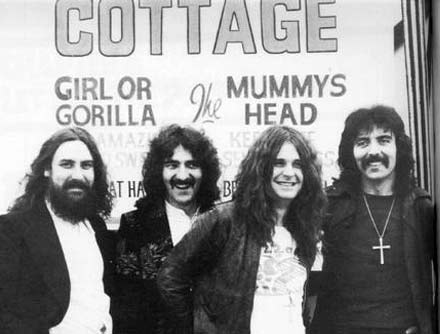
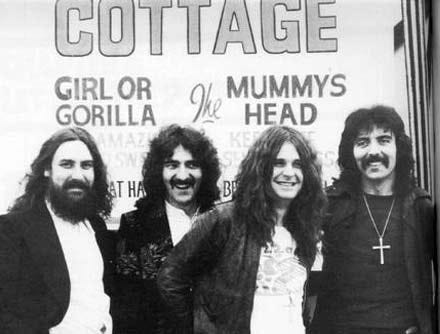
    Black Sabbath doesn’t merely describe darkness. In Geomytha, it describes a specific mechanics event: the true resting point is present, but eclipsed—because an attractive force keeps pulling attention back into time. That force appears in “Iron Man” as the line about a “great magnetic field.”

    This essay threads one arc:

    Sabbath (rest) → eclipsed (black) → great magnetic field (Set) → heel-grabber (capture) → traveling time (thought) → iron identity (Horus) → viral systems → collective containment (yellow submarine).

    1) “Black Sabbath” is the name of the eclipse

    In Geomytha, Sabbath is not a calendar rule. It is the convergence/rest principle: consciousness ceasing to move as narrative and resting as unmediated awareness.

    So why “Black” Sabbath?

    Because “black” signals occlusion—the rest point is real, yet eclipsed by Set’s glare:

    • fear-as-reality

    • thought-as-authority

    • symbol-as-substitute

    • doctrine-as-safety

    • identity-as-survival

    Black Sabbath = the true rest, present but blackened.

    Not destroyed. Not absent. Hidden by the very mechanism meant to be seen through.

    2) The “great magnetic field” is Set’s physics

    The phrase “great magnetic field” is not a throwaway sci-fi image. In Geomytha it names Set’s ambient force: the invisible “gravity” that pulls attention away from rest and back into timeline.

    A magnetic field is the perfect Set symbol because it:

    • pulls rather than pushes (temptation, not coercion),

    • polarizes (for/against; good/bad; saved/damned),

    • locks orientation (north/south; past/future; me/them),

    • creates inevitability (“I had to think about it,” “I couldn’t stop”).

    This is how Set keeps the dream running: not by brute force, but by attraction and polarity. The self stays moving because the field makes motion feel necessary.

    3) The heel-grabber is the magnetic field expressed as a hook

    If the magnetic field is the environment, the heel-grabber is the tactic.

    In Geomytha, the heel-grabber is Set’s capture maneuver: the sudden thought, impulse, or worry that hooks awareness right as it is about to return to Sabbath.

    The heel (the threshold point)

    The “heel” is the last point of contact with the path back to Isis/Osiris alignment—the instant just before stillness stabilizes.

    Set prefers to capture here because it is cheapest: one tiny hook resets the whole loop.

    What heel-grabs look like in modern form

    • “One more thought.”

    • “Don’t forget…”

    • “What if…?”

    • “Fix this first.”

    • “You need to know…”

    Each is a heel-grab. Each is the magnetic field expressing as a specific snare.

    So yes: the great magnetic field comports to the heel-grabber—the field is the general pull; the heel-grabber is the localized grab that turns near-rest into renewed motion.

    4) “Traveling time” is an allegory for thought itself

    The line about Iron Man “traveling time” is not sci-fi in Geomytha. It is the definition of thought.

    Awareness does not travel. It is.

    Only thought travels: backward into memory, forward into anticipation, sideways into comparison, upward into abstraction. The “time traveler” is the mind’s capacity to leave the immediacy of Isis and inhabit a constructed sequence.

    So “traveling time” encodes the Set move:

    • Set projects.

    • Projection requires a timeline.

    • The timeline is the medium where the projected self can exist.

    In other words: time is Set’s terrain.

    5) Why “Iron Man” is Horus wearing Set’s armor

    In Geomytha, Horus is time-bound ego identity—the “I” that congeals when consciousness stops resting as awareness and starts narrating itself as a thing in time.

    That is why the “iron/steel” transformation is not decoration but mechanics:

    travel time (thought) → harden (identity) → become a thing (Horus).

    Thought always does this. It turns what is alive into what is defined. A definition is a metal casing: durable, portable, repeatable—yet no longer the living thing itself.

    Why the world “rejects” him

    In the song, Iron Man tries to warn/save, but people don’t understand him. In Geomytha, that rejection is inevitable:

    • Presence recognizes presence.

    • Thought cannot translate presence without turning it into information.

    • Information is not reflection.

    So the message arrives as data, not being—heard as threat, madness, or noise. The tragedy is built in: the fall into time produces a voice that cannot be heard by those still asleep in time.

    The deeper irony: altruism becomes apocalypse

    The “save mankind” impulse is how Set recruits: the ego doesn’t enter the illusion because it wants evil; it enters because it wants to help, know, prevent, save.

    But saving via time-travel installs the timeline as real and installs the savior-self as necessary—Horus. When Horus is rejected, Set flips polarity into vengeance: the same engine that promised salvation now demands destruction.

    6) Other Black Sabbath songs that encode the engine

    Black Sabbath’s early catalog repeatedly stages the same conversion:

    Awareness (Isis) → Reflection fractures (Osiris) → Imagination rules (Set) → Identity hardens (Horus).

    A few high-signal nodes:

    “War Pigs” — Set as institutional imagination

    War is Set at scale: a consensus hallucination so powerful it recruits bodies, ethics, language, and entire economies. The individual becomes a unit in a story that claims inevitability.

    “Paranoid” — Horus as time-panic

    Paranoia is identity trying to hold itself together under the pressure of its own unreality—Horus narrating, monitoring, accelerating—anything except returning to rest.

    “N.I.B.” — Set as seduction

    Set doesn’t only threaten; it charms. It offers intensity, certainty, initiation—everything the ego wants. Identity becomes proud of its captivity because captivity feels like power.

    “Sabbath Bloody Sabbath” — sabotage of rest

    Even the title is a map: convergence attacked, return dramatized, the still center turned into conflict.

    7) Nick Land and the mind-virus principle

    Nick Land becomes relevant because he speaks in a modern register of the same mechanism: systems are operators, narratives recruit reality, feedback loops run hosts.

    In Geomytha terms:

    • Set builds the circuit (projection becomes world).

    • Horus forms as the identity that participates (“I am the initiated,” “I see the code,” “I am inside the future”).

    • The machine becomes self-propelling: the loop runs the host.

    That is why “mind virus” is not an insult in this grammar—it is a mechanics term:

    A viral system is any symbolic architecture that:

    1. replicates (offers Horus meaning/status/safety),

    2. hijacks reflection to project an image-world,

    3. persists by manufacturing identities who defend and transmit it.

    Under Geomytha’s axiom, anything that is not perfect reflection of awareness cannot be neutral. The moment a system becomes mediation, Set enters; once Set enters, Horus forms; once Horus forms, replication begins.

    8) Yellow Submarine: the livable replacement for the stolen Sabbath

    In Geomytha, Black Sabbath and Yellow Submarine are not identical, but they sit on the same axis.

    • Black Sabbath = the condition: the true rest-point is eclipsed.

    • Yellow Submarine = the strategy: a bright collective enclosure is built so the collective can “rest” inside the dream without returning to the real rest.

    One line that holds the linkage:

    Black Sabbath is the stolen Sabbath; Yellow Submarine is the stolen Sabbath made comfortable.

    9) The engine in one sentence

    Black Sabbath names the eclipse. The magnetic field names the pull. The heel-grabber names the hook. “Traveling time” names the method. Iron Man names the outcome.

    When awareness nears rest, Set’s magnetic heel-grabber pulls it back into time; time manufactures the iron self; the iron self replicates; and at scale the world becomes a submarine.

    Mythic Glossary Sidebar

    Great Magnetic Field: Set’s ambient attractive force pulling attention into timeline and polarity.

    Heel-Grabber: the specific hook that catches awareness at the threshold back to rest.

    Heel: the last point before stillness stabilizes—Set’s preferred capture point.

    Sabbath: convergence/rest—cessation of time-identity.

    Black Sabbath: the rest-point eclipsed by Set’s glare.

    Yellow Submarine: collective containment offering simulated rest inside the illusion.

    Isis: unmediated awareness.

    Osiris: perfect reflection/mirror-function.

    Set: projected imagination/perception; solar fragmenter.

    Horus: time-bound ego identity; the moving self.

    If any of this resonates, follow Geomytha for more pattern-extractions across songs, films, scripture, and myth.

    X: mythicgeometry • Instagram: mythicgeometry • TikTok: Geomytha • Substack: Geomytha Noir

  • Back at One: Brian McKnight’s Love Song as a VMD Instruction Manual

    Back at One: Brian McKnight’s Love Song as a VMD Instruction Manual

    Brian McKnight’s “Back at One” presents itself as romance, but its form is doing something far more revealing than its sentiment. The lyrics are not merely poetic—they are numbered. They are procedural. They are repeatable.

    In Geomytha, that is the giveaway.

    This is what the Vortex Math Diagram (VMD) looks like when it disguises itself as a love song: a sequence that builds a reality-track, then loops it until it becomes a stable identity.

    The hidden structure: from presence to process

    Real union does not require steps. It does not require counting. It does not require method.

    Counting is what consciousness does after it leaves immediacy.

    So the moment a song begins with: “One…” it has already crossed the threshold from Isis-awareness (unmediated being) into something else: a numbered corridor where experience becomes manufacture.

    “Back at One” is not saying “love is simple.” It is saying: “Here is how to construct the feeling of completion.” And then it tells the truth in the chorus: even when the self believes the work is done, it must reset and run again.

    The 124 build encoded in “steps 1–3”

    The lyric counts 1–2–3, but the operations align with the 124 pattern—the VMD’s forward construction arc.

    1 — The seed-point

    “You’re like a dream come true.”

    One is the initial impression, the first spark: the singular “point” that begins the track.

    But note the word dream: the beloved is introduced as an image. The moment “you” becomes dream-content, consciousness is no longer resting as awareness—it is relating to a projection.

    2 — Polarity and pull

    “Just wanna be with you.”

    Two introduces separation: me/you, here/there, lack/fulfillment. It is the birth of desire—the magnetic force that tries to close the gap created by the very act of imagining the other.

    3 — The 4-function (crystallization)

    “Girl it’s plain to see.”

    The third move is the decisive one: the mind declares certainty. Plain to see is not about seeing—it is about believing perception is authority.

    In Geomytha language, this is the 4-function: stabilization. The impression hardens into “truth.” The track becomes solid enough to repeat.

    This is the key point that makes the mapping coherent: the lyric’s “3” is not treated as the number 4; it is treated as the moment that does what 4 does—it locks the sequence into a stable structure.

    “Repeat steps 1–3” is the 875 mirror-current

    Then the song gives a direct instruction:

    “Four… repeat steps one through three.”

    This line is almost impossible to overstate. It is the VMD described in plain speech: loop the beginning until the pattern becomes real.

    In Geomytha, 875 is the mirror-current: the return-loop that reflects the initial construction back onto itself and strengthens it through repetition.

    So the engine is:

    • 123/124 = forward construction (seed → polarity → stabilization)

    • 875 = mirrored reinforcement (return-current that replays the build)

    When the lyric says repeat 1–3, it is describing the mechanism by which a loop becomes identity: not by truth, but by cycling.

    Step five: where Horus steps fully into the driver’s seat

    “Five… make you fall in love with me.”

    Here the identity speaks as operator. This is not mutuality; it is control-language: I can cause your inner state.

    In Geomytha, this is the Horus signature: the time-bound ego identity that believes it can engineer outcomes—especially emotional outcomes—through method.

    This is where love becomes a project and the self becomes the manager of the project.

    The chorus confesses the trap

    “If ever I believe my work is done… then I’ll start back at one.”

    That refrain is the entire metaphysics.

    It admits that completion is not arrival—it is a momentary self-assessment inside a loop. And the moment the “work” is declared finished, the mechanism restarts.

    This is how the Horus-mask sustains itself: by repeatedly manufacturing a sense of closure and then resetting to manufacture it again.

    So the song is not only describing a relationship cycle. It is describing identity maintenance.

    Archetypal mapping: Isis, Osiris, Set, Horus

    Seen through Geomytha’s fourfold lens:

    • Isis (awareness) is what exists before the counting starts—the unnumbered ground that does not need procedure.

    • Osiris (perfect reflection) would be love as effortless mirroring—presence recognizing itself without steps.

    • Set (imagination/projection) is the conversion of immediacy into a method: dream, certainty claims, scripting, counting, and looping.

    • Horus (time-bound identity) is the “I” that runs the steps, repeats them, measures progress, and resets to begin again.

    In short: the song portrays love as an algorithm because it is secretly describing the algorithm that generates the self.

    What “Back at One” is really about

    “Back at One” is often heard as devotion. In Geomytha, it reads as something sharper:

    the conversion of presence into a repeatable sequence, and the conversion of that sequence into a stable persona.

    It is a lullaby for the loop.

    A hymn to restarting.

    A romantic mask worn by the VMD.

    A practical inversion: the anti-loop (ram in the thicket)

    If the lyric’s instruction is: repeat steps 1–3 until it’s real, the Geomytha inversion is:

    stop repeating the steps long enough to feel what existed before step one.

    When the mind wants to restart the sequence—rehearse, define, secure, explain—replace the impulse with a “ram in the thicket” action: a small, embodied interruption that returns attention to immediacy (walk, stretch, clean one object, drink water slowly, breathe without narrative).

    Not as self-improvement.

    As escape from the counting spell.

  • Trust Law as Consciousness Technology

    Trust Law as Consciousness Technology

    A trust is one of the cleanest legal diagrams ever invented: it separates origin, control, and benefit.

    That is exactly the separation that consciousness requires if it is going to move through the world without collapsing into egoic ownership.

    In Geomytha, a trust is not merely an estate-planning device. It is a symbolic model of right-order: awareness sets the purpose, reflection administers it, identity receives the fruits, and imagination tries to seize the controls.

    What a trust actually does (in plain legal terms)

    A trust typically contains four moving parts:

    1. Settlor (Grantor): creates the trust and contributes property.

    2. Trust Res (Corpus): the “property” held in trust.

    3. Trustee: holds legal title and administers the res under fiduciary duties (loyalty, prudence, impartiality, accounting).

    4. Beneficiary: receives the equitable benefit (distributions, enjoyment, protection).

    This is a governance structure. It is a machine for preventing power from becoming possession.

    The archetypal mapping

    Isis: Settlor and the trust res (the purpose and the principal)

    Isis is awareness as the originating ground. In trust terms, Isis is:

    • the source of intent (what the structure is for), and

    • the principal to be protected (presence as the underlying estate).

    If the “property” in this symbolic trust is attention, vitality, and being, Isis is both the grantor of purpose and the substance that must not be squandered.

    Osiris: Trustee (fiduciary reflection)

    Osiris is reflection functioning properly: consciousness mirroring awareness cleanly.

    That is trustee-work.

    A trustee may hold power and discretion, but must administer for the purpose of the trust—not for private appetite, not for self-creation, not for narrative inflation. In Geomytha terms, Osiris is “authorized control without egoic ownership.”

    Horus: Beneficiary (time-bound identity receiving distributions)

    Horus is time-bound ego identity—the “person” assembled after the fracture.

    In this mapping, Horus is the beneficiary-position: the persona that receives the outputs of administration:

    • continuity,

    • meaning,

    • security,

    • status,

    • the feeling of being “someone.”

    But here is the critical distinction in this analogy: administration and benefit are different functions, even when law permits one person to occupy both roles. For example, Nevada’s NRS 163.007 allows a settlor to be sole trustee and sole beneficiary during life if there are successor beneficiaries. In GEOMYTHA, the problem is not the lawful combination of roles; it is possessive identity overriding responsible administration.

    Set: Rogue trustee / hostile takeover (breach-of-trust engine)

    Set is projected imagination overtaking reflection—an illegitimate authority seizing administration.

    Trust law has a name for this: breach of fiduciary duty.

    • loyalty is replaced with self-dealing,

    • purpose is replaced with appetite,

    • the “estate” is converted into fuel.

    In Geomytha’s language, Set doesn’t merely lie—it re-wires the flow so that attention becomes extractable, like a battery.

    The fall as a fiduciary collapse

    Put simply:

    • Isis establishes purpose (presence).

    • Osiris administers (reflection).

    • Horus receives (identity).

    • Set intervenes by hijacking administration (imagination as usurper).

    Once Set captures the trustee-function, everything that follows feels “normal” but is structurally inverted:

    • identity treats itself as owner,

    • reflection becomes a tool of justification,

    • presence becomes a depleted principal.

    This is why the modern world can feel like an endless compliance program for the ego: the trustee has been compromised, and the beneficiary has become the operating system.

    The remedy: restoring fiduciary order

    Trust law remedies breach through accounting, removal, surcharge, injunction—tools that restore governance.

    Geomytha’s parallel remedy is equally structural:

    • return “administration” (mind, planning, language) to fiduciary status,

    • stop treating imagination as sovereign,

    • re-anchor reflection in awareness rather than narrative.

    This is not moral advice. It is jurisdictional correction: who is authorized to govern the estate of attention?

    A one-sentence thesis

    A trust is a legal mirror of consciousness: Isis sets the intent and is the protected principal, Osiris is the fiduciary reflection that administers, Horus is the beneficiary-identity receiving the fruits, and Set is the hostile takeover that converts the estate into fuel.

    If this resonates

    Subscribe for more Geomytha breakdowns—scripture, nursery rhymes, films, and songs decoded as repeating “engines” of consciousness.

    X: mythicgeometry

    Instagram: mythicgeometry

    TikTok: Geomytha

    Patreon: Geomytha Noir

    Substack: Geomytha Noir

  • Box to the Left

    Box to the Left

    “Everything you own in the box to the left” is not just a breakup line. It is a ritual sentence—an eviction formula aimed at the identity apparatus itself.

    In Geomytha, the ego is not a personality trait. It is a time-bound construct (Horus) generated when awareness (Isis) stops resting as itself and becomes overtaken by projected imagination (Set). The result is a self that must prove its reality through continuity, narrative, possession, and control.

    That is why the lyric does not say “take your clothes.” It says “everything you own.”

    Ownership as the siphon: how Set keeps the current

    “Ownership” is one of Set’s cleanest technologies because it converts being into having. The mind begins to whisper an unspoken premise:

    I am real because I can claim.

    Once that premise is accepted, attention is no longer free. It becomes a maintenance contract. If something is “mine,” it must be secured. If it must be secured, the psyche must live in the future. And if the psyche lives in the future, it cannot rest in presence.

    This is the battery logic: ownership behaves like a cathode pull—drawing the current of attention out of unmediated awareness and into projection, strategy, and fear.

    The inventory is not material. It is metaphysical:

    • the couch becomes “my comfort,”

    • the keys become “my agency,”

    • the photos become “my storyline,”

    • the gifts become “my claim on you,”

    • the shared space becomes “my entitlement.”

    So “everything you own” means: the entire system by which Horus extends itself into the world to remain believable.

    The box: identity compressed into contents

    The box is the crucial symbol. A box does two things Set cannot tolerate:

    1) It imposes finitude.

    Set thrives on endlessness: the unresolved, the negotiable, the sentimental, the “maybe.” A box says: there is an edge. The illusion can be contained. The story can be ended.

    2) It silences objects as emotional portals.

    Loose items in a room keep “speaking.” They leak association—memory, bargaining, nostalgia, guilt. A box turns them into inert contents. The objects stop functioning as hooks by which identity re-enters the space.

    In other words, the box is not storage. It is exorcism-by-boundary.

    “To the left”: the exit vector of disenchantment

    In this lens, “left” is the direction where enchantment collapses—where consciousness stops consenting to the illusion’s claim of centrality.

    “Left” does not mean evil. It means unhooking. It is the side of return—where projected imagination loses its throne and awareness can resume clean reflection rather than compulsive narration.

    So the command “to the left” is not only “get out.” It is:

    move your identity-extension system toward the path where it no longer hypnotizes the room.

    The deeper strike: irreplaceable is the ego’s lie

    The ego’s central demand is to be treated as singular, central, irreplaceable. The refrain breaks that spell by naming the persona as a pattern:

    You are replaceable.

    Not the soul—the construct. The role. The attachment interface. The imagined sovereign.

    And that is why the lyric lands with such finality: it demotes Set/Horus from “the center of reality” to “a boxed inventory.”

    Pack up the proofs. Contain the hooks. Exit along the disenchantment path.