Author: D. Cyprian

  • Why Egypt Preserved Two Horuses

    Why Egypt Preserved Two Horuses

    Paid essay — public preview. This page introduces the original essay. The complete argument, examples, and conclusion are available to paid Geomytha subscribers on Substack.

    At first glance, the existence of two Horuses appears redundant.

    One Horus should have been enough.

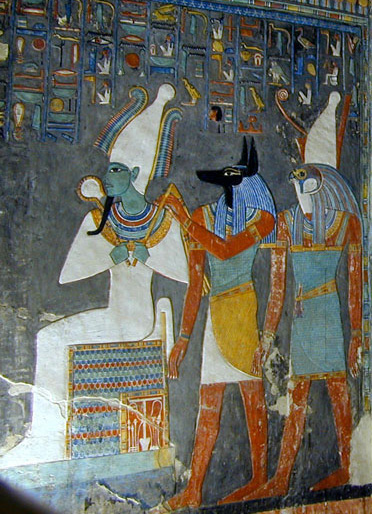
    Yet ancient Egypt preserved both Horus the Elder and the younger Horus, son of Isis and Osiris.

    For historians, the explanation usually involves the merging of older traditions and local cults. Different falcon gods became identified with one another over time, producing what appears to be duplication.

    This explanation is reasonable.

    But symbols often outlive the circumstances that gave birth to them.

    And sometimes the symbol itself preserves a truth deeper than the history.

    Perhaps the question is not:

    Why are there two Horuses?

    Perhaps the question is:

    Why did Egypt refuse to eliminate one?

    Horus the Elder belongs to the sky.

    To the…

    Read the complete essay on Substack →

    This WordPress page preserves the essay’s place in the Geomytha archive, its original title and subtitle, and its publication date. The full subscriber edition remains protected on Substack.

  • Why The Wizard of Oz Is Really About Identity

    Why The Wizard of Oz Is Really About Identity

    Nearly everyone remembers the ending of The Wizard of Oz.

    “There’s no place like home.”

    Few people stop to ask a more interesting question:

    Why did Dorothy have to cross an entire magical kingdom to discover something she already possessed?

    The answer may be that The Wizard of Oz is not fundamentally about leaving home at all. It is about what happens when consciousness forgets home, mistakes identity for reality, and then slowly remembers what never actually disappeared.

    In Geomytha, Oz is not simply another world. It is the world after projection has become convincing.

    Kansas has often been interpreted as dull reality, while Oz represents imagination, freedom, and possibility. But the film quietly inverts that expectation.

    Kansas is ordinary. It is simple. It is relational. People work, argue, laugh, and care for one another. There are no dazzling cities, magical rulers, or enchanted roads demanding attention.

    Oz, by contrast, is saturated with spectacle.

    Everything is brighter.

    Everything is louder.

    Everything insists on being seen.

    That alone should make us suspicious.

    Throughout history, the greatest illusions rarely present themselves as illusions. They present themselves as worlds more vivid than reality itself.

    Oz is beautiful, but it is also a kingdom where everyone believes something essential is missing.

    Dorothy believes she needs home.

    The Scarecrow believes he needs a brain.

    The Tin Man believes he needs a heart.

    The Lion believes he needs courage.

    Even the Wizard depends upon everyone believing he possesses something they do not.

    Every major character is organized around an imagined deficiency.

    That shared pattern is the real story.

    The companions are especially revealing.

    The Scarecrow continually solves problems while insisting he has no brain.

    The Tin Man cries before anyone else while insisting he has no heart.

    The Lion repeatedly acts despite fear while insisting he has no courage.

    None of them lack the qualities they seek.

    They have simply mistaken a description for an identity.

    Instead of saying, “Sometimes I feel afraid,” the Lion lives as though the sentence were, “I am a coward.”

    Instead of saying, “I still have much to learn,” the Scarecrow concludes, “I am brainless.”

    The Tin Man does the same with the heart.

    Each character mistakes a passing thought about themselves for the truth of who they are.

    The Wizard never gives them what they lack because nothing essential was ever absent.

    He merely certifies what was already present.

    That is the great inversion hidden beneath the fairy tale.

    Dorothy herself follows the same pattern.

    She believes home exists somewhere else.

    So she follows the Yellow Brick Road toward the center of the world.

    The road appears to promise freedom.

    Instead, it leads directly to the greatest illusion in Oz.

    The Emerald City dazzles with beauty, ceremony, and authority. At its center stands the Wizard himself, apparently all-powerful, all-knowing, and capable of granting whatever the traveler lacks.

    Until Toto quietly pulls back the curtain.

    No argument exposes the Wizard.

    No battle defeats him.

    No philosophical insight reveals the truth.

    The smallest companion simply wanders where no one else is looking.

    Behind the terrifying image stands an ordinary frightened man operating machinery.

    The center of the kingdom was never what it appeared to be.

    History has repeated this image countless times. Thrones, institutions, ideologies, celebrities, and movements often grow larger than the people behind them. Spectacle becomes authority, and appearance quietly replaces presence.

    The Wizard is not dangerous because he is evil.

    He is dangerous because everyone mistakes projection for reality.

    Dorothy’s own name offers an intriguing symbolic resonance.

    Historically, the name has its own established origin, but Geomytha also pays attention to the symbolic movement of language. “Dor” evokes a doorway or threshold, and Dorothy spends the entire story moving between worlds. She functions less as the source of meaning than as the one through whom meaning is reflected. She does not create Oz; Oz reflects itself through her.

    She is the mirror in which every other character discovers something about themselves.

    By the end of the story, Dorothy learns that she always possessed the means to return home.

    The journey was never about acquiring something new.

    It was about recognizing what had quietly remained with her from the beginning.

    That is why the ending still resonates more than a century later.

    Most of us spend years walking our own Yellow Brick Roads.

    We imagine that fulfillment waits behind the next achievement, the next title, the next relationship, the next purchase, the next city, the next spiritual experience, or the next version of ourselves.

    Yet The Wizard of Oz gently suggests that the search itself may be built upon a forgotten assumption.

    Perhaps the thing we seek is not waiting somewhere else.

    Perhaps it has been patiently waiting beneath every identity we have mistaken for ourselves.

    There really is no place like home.

    Not because home is merely a location.

    But because home is the place where we stop believing that we were ever incomplete.

  • The Stars and the Sun

    The Stars and the Sun

    Paid essay — public preview. This page introduces the original essay. The complete argument, examples, and conclusion are available to paid Geomytha subscribers on Substack.

    Modern astronomy classifies the Sun as a star within its physical model.

    Symbolically, however, ancient humanity often experienced the Sun and the stars as fundamentally different kinds of lights.

    The Sun ruled the day.

    The stars ruled the night.

    The Sun moved.

    The stars remained.

    The Sun rose and set.

    The stars endured.

    And because symbols arise from experience rather than equations, ancient civilizations often distinguished between the two.

    Egypt was no exception.

    Indeed, Egypt may have preserved one of the deepest symbolic distinctions ever conceived.

    Not merely between heaven and earth.

    But between the stars and the Sun.

    Between permanence and history.

    Between image and identity.

    To the Egyptians, the circumpolar stars possessed a special significance.

    Unlike other stars,…

    Read the complete essay on Substack →

    This WordPress page preserves the essay’s place in the Geomytha archive, its original title and subtitle, and its publication date. The full subscriber edition remains protected on Substack.

  • Set as the Engineer

    Set as the Engineer

    Paid essay — public preview. This page introduces the original essay. The complete argument, examples, and conclusion are available to paid Geomytha subscribers on Substack.

    Modern people usually imagine danger as destruction.

    Fire.

    War.

    Collapse.

    The villain burns the village, breaks the law, tears the world apart.

    But older myths often know something stranger.

    Sometimes the most dangerous figure is not the destroyer.

    Sometimes it is the builder.

    Rick Sanchez does not create the battery universe because he hates its inhabitants. He creates it because he can. He needs power. He has intelligence. He has tools. So he builds a world and allows its people to live inside a hidden function.

    They are not merely alive.

    They are useful.

    That is the Demiurge problem.

    The false creator does not need to be a cartoon devil. He may be brilliant, funny, wounded, pragmatic, even occasionally protective.…

    Read the complete essay on Substack →

    This WordPress page preserves the essay’s place in the Geomytha archive, its original title and subtitle, and its publication date. The full subscriber edition remains protected on Substack.

  • The Gods Outside the Wheel

    The Gods Outside the Wheel

    Paid essay — public preview. This page introduces the original essay. The complete argument, examples, and conclusion are available to paid Geomytha subscribers on Substack.

    Ancient Egypt placed its most important births in a strange location.

    Not inside the year.

    Outside it.

    Three hundred and sixty days formed the ordinary wheel.

    Then came five additional days.

    Days that belonged neither to the old year nor to the new.

    Days suspended between worlds.

    And upon these days the Egyptians placed the births of their gods.

    Osiris.

    Horus the Elder.

    Set.

    Isis.

    Nephthys.

    At first glance the sequence appears arbitrary.

    Five personalities.

    Five stories.

    Five names inherited from antiquity.

    But symbols often preserve structures deeper than the stories that carry them.

    And the order itself raises a question.

    Why these five?

    And why this order?

    If this were a creation story, one might expect Isis to come…

    Read the complete essay on Substack →

    This WordPress page preserves the essay’s place in the Geomytha archive, its original title and subtitle, and its publication date. The full subscriber edition remains protected on Substack.

  • The Solar Eclipse as the Darkened Claim

    The Solar Eclipse as the Darkened Claim

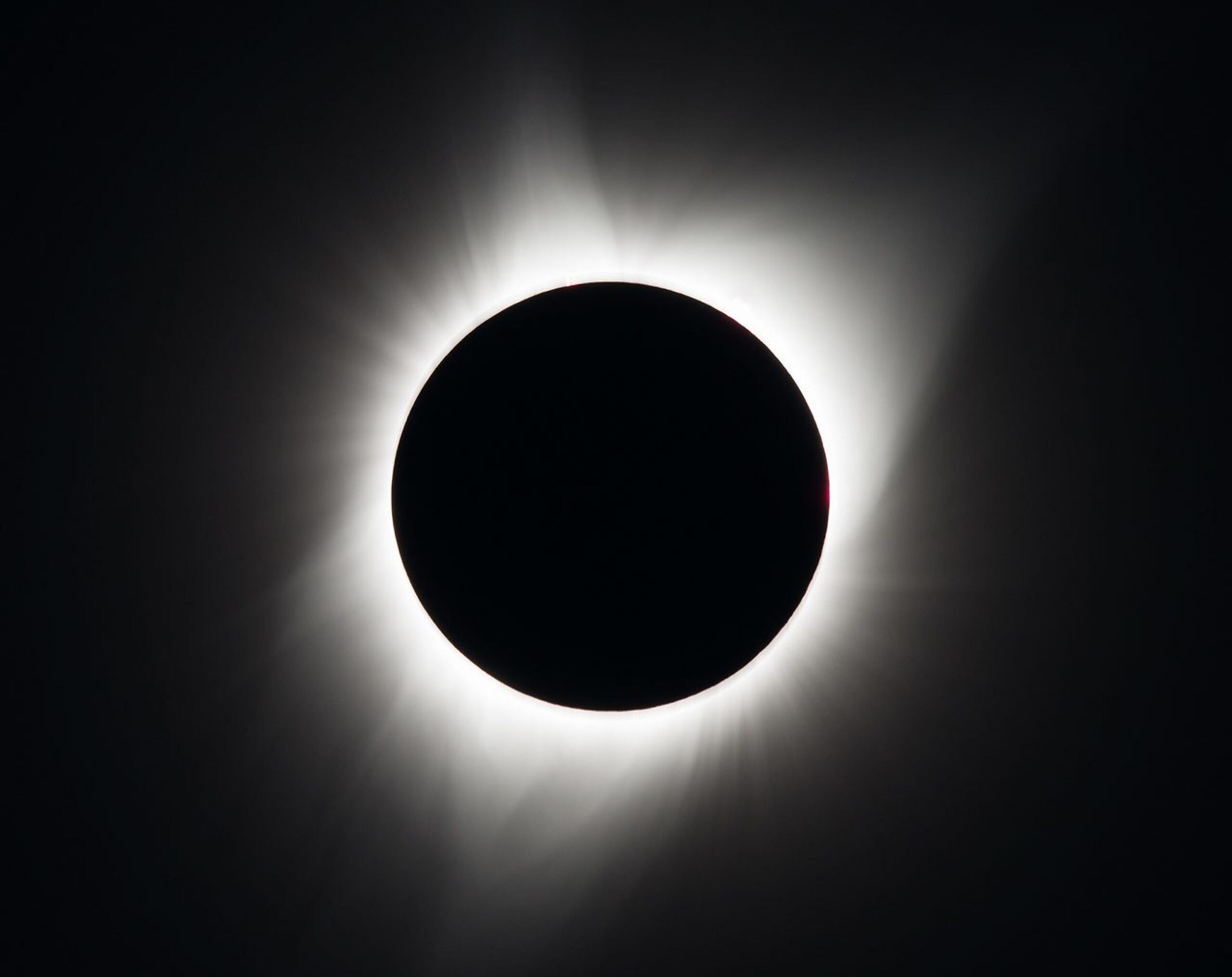
    The Sun goes dark in the middle of the day.

    Not at night.
    Not at sunset.
    Not by the ordinary mercy of evening.

    In the hour when the world expects radiance, the public light is covered. The eye of day loses its face. The ruler-image is interrupted while it is still supposed to reign.

    The crown goes dark.

    That is the power of a solar eclipse. It does not destroy the Sun. It does not prove the end of the world. It reveals something more precise: even the brightest image can be interrupted.

    The thing everyone depends on for warmth, clock, direction, visibility, and confidence is crossed by hiddenness.

    For a moment, the visible order cannot explain itself.

    That is why eclipses feel mythic. The Sun is not only a star in the sky. Symbolically, the Sun is public authority: ruler, stage light, crown, clock, eye, spectacle, certainty, egoic clarity, the force that makes the world legible.

    But the eclipse says:

    Not even this is source.

    Not even this shines without interruption.

    Not even this can keep the throne forever.

    A solar eclipse is the public self interrupted by hiddenness.

    New Moon in Leo

    New Moon already belongs to darkness.

    The lunar body disappears. The visible Moon is hidden. The field gathers before the next appearance. It does not perform. It receives.

    But a solar eclipse intensifies the New Moon.

    The Moon does not merely vanish into the Sun’s brightness. It crosses the Sun. The hidden body passes in front of the visible ruler and interrupts the public claim.

    That matters especially in Leo.

    Leo is the solar field of radiance, crown, stage, image, pride, performance, heart, sovereignty, and public selfhood. Leo wants the light visible. Leo wants the face lit. Leo wants the role embodied. Leo wants the king seen on the throne.

    New Moon hides.

    Leo radiates.

    The eclipse forces both truths into one image.

    New Moon in Leo gathers the very radiance Leo wants to display.

    That is the contradiction and the medicine. The crown is not destroyed. It is interrupted. The stage is not abolished. The light is paused. The image is not condemned. It is humbled.

    The eclipse does not say light is evil.

    It says light is not source.

    The Sun Is Not Source

    This distinction has to stay clean.

    In Geomytha, the Sun is not source.

    The Sun is visible radiance.

    It is fire made public. Power made central. Light made directional. Time made visible. It is the ruler-image, the stage lamp, the projection-field, the public face of order.

    The Sun shines.

    But shining is not being.

    Source is prior to shining. Source does not need to be visible in order to be real. Source is not exhausted by daylight. Source is not the image that makes things legible. The Sun may reveal the world, but it is not the ground beneath revelation.

    That is why solar symbolism becomes dangerous when it is mistaken for the absolute.

    The Sun is real. It warms, nourishes, ripens, clarifies, and orders the day. It is one of the great visible mercies of creation.

    But when the visible mercy is mistaken for source, the image begins to claim what belongs beneath image.

    That is the solar trap.

    The Sun becomes ego when radiance says:

    I am source because I shine.

    The eclipse interrupts that sentence.

    The Moon Interrupts the Claim

    The Moon does not defeat the Sun.

    It crosses it.

    That difference matters.

    An eclipse is not the destruction of light by darkness. It is an alignment where reflection passes before radiance and reveals that visibility is conditional.

    The Moon belongs to body, rhythm, change, reflection, tide, memory, reception, and return. It does not shine in the same way the Sun shines. It receives. It reflects. It changes shape. It teaches the body that appearance moves in phases.

    During a solar eclipse, this reflective body interrupts the solar claim.

    Am crosses before I / This.

    The body crosses before the crown.

    Reflection crosses before projection.

    Hidden rhythm interrupts public image.

    The reflecting body passes before the ruling image and reminds the world that visibility is conditional.

    That is the deeper teaching.

    Anything that depends on uninterrupted visibility is already fragile.

    The public self.
    The reputation.
    The stage identity.
    The heroic image.
    The national myth.
    The spiritual persona.
    The admired face.
    The radiant certainty.

    All of these have an eclipse waiting inside them.

    Eclipse Panic

    The ego panics at eclipse because it thinks darkness means the image has died.

    That panic is ancient.

    When the Sun darkens, the body feels it before the mind explains it. Birds quiet. Shadows sharpen strangely. The air changes. The familiar day becomes unfamiliar. The world suddenly behaves like myth.

    Ancient fear makes sense.

    But modern fear has only changed costume.

    Now eclipse panic becomes prophecy panic, omen threads, disaster content, spiritual inflation, algorithmic doom, identity-event language, cosmic branding, and the hunger to be one of the people who “knows what it means.”

    That is still eclipse panic.

    Even when dressed as insight.

    The ego cannot simply let the image go dark. It must interpret the darkness quickly so it can become someone in relation to it:

    the one who understands,
    the one who warns,
    the one who predicts,
    the one who saw it coming,
    the one chosen by the sign.

    But the eclipse is not asking first to be decoded.

    It is asking to be received.

    Darkness does not always mean disaster.

    Sometimes darkness means the image has stopped talking long enough for something prior to image to be felt.

    Eclipse Spectacle

    Modern culture can turn even the darkening of the image into an image.

    Photos.
    Tourism.
    Merchandise.
    Livestreams.
    Special glasses.
    Crowds gathering in the path of totality.
    People chasing the shadow.

    None of that is automatically false. There is nothing wrong with witnessing a rare sky-event. Awe is not the enemy. Shared wonder is not false merely because it is public.

    But spectacle is always waiting.

    The eclipse can become another performance of specialness. Another post. Another proof. Another event the self uses to say:

    I was there.

    Even the interruption of visibility can be converted into visibility.

    That is how subtle the claimant is.

    It can turn darkness into content.

    It can make hiddenness into status.

    It can use the failure of the crown to crown itself.

    Even the darkening of the image can be turned into an image.

    So the question is not whether to watch.

    Watch.

    But watch what happens to the watcher.

    Does awe open the hand?

    Or does it make the self more interesting to itself?

    The Darkened Sun

    Apocalyptic language understands the darkened Sun because it understands that visible order can fail.

    When the Sun darkens in visionary imagery, the whole public structure trembles. The sky no longer confirms the world. The lights that made reality feel stable stop behaving as expected. The order that seemed guaranteed is suddenly exposed as contingent.

    That is the symbolic force.

    The darkened Sun is the moment the world learns its visible order was not source.

    It is not merely a prediction image.

    It is a truth image.

    Every life eventually experiences a darkened Sun.

    The authority fails.

    The certainty collapses.

    The public image breaks.

    The person everyone trusted is revealed as human.

    The institution loses its halo.

    The nation loses its innocence.

    The belief stops shining.

    The self can no longer use the old light.

    This is frightening because the visible order helped us orient. But it can also be mercy, because false light has to fail before deeper seeing can begin.

    A darkened Sun is not the end of source.

    It is the end of mistaking radiance for source.

    Crucifixion Darkness

    At the crucifixion, darkness covers the land.

    This is not decorative.

    The public savior-image is being stripped. The one called king is mocked. The body is exposed. The miracle-worker does not perform escape. The visible order does not rescue the image from humiliation.

    The sky darkens because the public image is being emptied.

    That darkness belongs with the eclipse pattern.

    Not because every eclipse is crucifixion.

    But because both show the interruption of visible certainty. The image that seemed to carry divine radiance is no longer allowed to shine in the expected way. The old solar witness fails. The world cannot keep reading power as brightness.

    The cross darkens the sky because the public image is being emptied.

    That is why the Christ-pattern matters here. True return does not preserve the image at all costs. It lets the image go dark when the image must be emptied.

    Horus wants rescue by spectacle.

    Christ passes through darkened radiance.

    The crown goes dark before the deeper return can be revealed.

    The Sun Must Pass Through What It Cannot Illuminate

    Egyptian solar mythology preserves another piece of the pattern.

    The Sun travels. The solar barque moves through danger, underworld, serpent, night, threat, and renewal. Apophis threatens the solar journey. The Sun does not simply shine forever in a flat, uninterrupted field. It must pass through what resists illumination.

    That image comports strongly.

    The Sun must pass through what it cannot illuminate.

    This is the humility of radiance.

    There are regions the public light cannot conquer by shining harder. There are underworlds where display is useless. There are nights the crown cannot command away. There are serpents that do not vanish because the ruler-image declares itself bright.

    Every radiant self must learn this.

    The performer has an underworld.

    The king has an underworld.

    The nation has an underworld.

    The spiritual teacher has an underworld.

    The public identity has an underworld.

    The Sun has to pass through the dark not because the dark is stronger than source, but because radiance is not source.

    The eclipse lets that truth appear in the sky.

    The Solar Hero

    The solar hero reveals the weakness of every identity that needs constant light.

    This shows up clearly in superhero mythology. A solar-powered figure draws strength from the Sun. Under the right light, he seems invincible. Remove the light, change the solar condition, bring the wrong radiation, darken the source of power, and the hero weakens.

    That is not only comic-book logic.

    It is identity logic.

    Any self that depends on constant radiance is fragile.

    Praise-powered self.
    Beauty-powered self.
    Authority-powered self.
    Performance-powered self.
    Certainty-powered self.
    Visibility-powered self.
    Achievement-powered self.
    Spiritual-glow-powered self.

    All of them weaken when the light changes.

    The solar hero is every identity that thinks it is strong because the stage lights are still on.

    The eclipse turns off the stage light for a moment.

    Then the question becomes unavoidable:

    What remains when the self cannot shine?

    Eclipse of the Heart

    The eclipse outside matters because every heart has already known a light it could not keep.

    Someone stopped loving us.

    Someone died.

    A role ended.

    A belief broke.

    A public identity failed.

    A childhood light disappeared.

    A future we imagined went dark.

    A person we trusted no longer shone the same way.

    A version of ourselves we depended on could not continue.

    That is an eclipse of the heart.

    Not mere sadness.

    The interruption of an inner Sun.

    The light that organized feeling disappears, and the heart does not know what to gather around. This is why the eclipse is not only astronomical. It is emotional architecture. It gives cosmic form to something the body already understands.

    Cancer taught the body to feel.

    Leo taught the image to shine.

    The eclipse teaches that feeling cannot depend forever on the shining image.

    A heart that survives eclipse may become deeper than the light it lost.

    Not harder.

    Deeper.

    The Crown Goes Dark in Daily Life

    Every identity has an eclipse waiting inside it.

    The admired person loses admiration.

    The beautiful person ages.

    The strong person becomes weak.

    The expert is wrong.

    The parent is not needed in the same way.

    The performer is no longer watched.

    The believer cannot feel certainty.

    The leader is no longer followed.

    The nation loses its innocence.

    The spiritual self loses its glow.

    The role goes dark.

    At first, this feels like loss of being.

    But it may only be loss of radiance.

    The identity says:

    I am disappearing.

    Presence says:

    The light you depended on is changing.

    That distinction can save a life.

    The eclipse does not destroy being.

    It interrupts the image that being had been mistaken for.

    Gather What Remains

    When the light goes out, do not rush to restore the image.

    That is the practice.

    Do not immediately replace the role.

    Do not immediately rebuild the public self.

    Do not immediately explain the loss.

    Do not immediately turn darkness into a new identity.

    Gather what remains.

    Ask:

    Who am I without applause?

    Who am I without certainty?

    Who am I without the role?

    Who am I without the stage light?

    Who am I when no one is looking?

    Who am I before shining?

    What remains when the crown goes dark?

    These questions are not meant to produce a new biography. They are meant to loosen the old one.

    The eclipse gathers what the performance could not receive.

    There is something underneath radiance. Something prior to being impressive, visible, useful, chosen, beautiful, certain, powerful, or publicly legible.

    The eclipse does not create that hidden field.

    It reveals our dependence on everything that covered it.

    The Sun Returns

    The eclipse passes.

    The light returns.

    The birds move again.

    The air warms.

    The day resumes.

    The Sun was not destroyed.

    But the witness has seen something.

    Radiance is not absolute.

    The crown can be hidden.

    Visibility is conditional.

    The light returns, but the spell of unquestioned radiance has been broken.

    That is the gift.

    The Sun can shine again without being worshiped in the same way. The role can return without becoming self. The public image can be used without being believed as source. The crown can be worn lightly because the head has felt darkness.

    That is the clean aftermath of eclipse.

    Not panic.

    Not inflation.

    Not prophecy addiction.

    Humility.

    The Sun returns.

    But the witness no longer has to pretend the Sun is source.

    Receive the Dark

    Let the crown go dark.

    Let the image fail for a moment.

    Let the self that needed to shine feel the hidden field beneath radiance.

    Do not make the eclipse a panic.

    Do not make it a personality.

    Do not make it a prophecy badge.

    Do not turn the darkened image into another image.

    Receive.

    New Moon gathers.

    Leo radiates.

    The eclipse teaches Leo how to gather before radiating again.

    That is the correction.

    Radiance is beautiful when returned.

    Visibility is useful when not worshiped.

    The crown can serve when it knows it can go dark.

    The Sun will return.

    But if the witness has received the darkness, the image no longer has to be God.

    The Sun shines.

    But shining is not being.

    The crown goes dark so the hidden source beneath the crown can be received again.

  • Alice and the Demonstrative World

    Alice and the Demonstrative World

    Wonderland is not random.

    It only pretends to be.

    The body changes size. Animals talk. Time breaks. Logic loops. Queens shout. Cards become soldiers. A trial proceeds without wisdom. Every rule seems authoritative until the next rule contradicts it.

    This is usually called nonsense.

    But nonsense is not the same as meaninglessness.

    Wonderland is symbolic instability. It is what happens when the named world becomes strange enough to reveal its own machinery. The ordinary structures of identity — body, time, language, law, rank, judgment, personality — are loosened, exaggerated, and made ridiculous.

    Alice does not enter a world without order.

    She enters a world where order has become absurd.

    That is why Alice’s Adventures in Wonderland comports so strongly with Geomytha. It shows consciousness entering the demonstrative world — the world of This, These, Those, and All This — and then returning when the whole symbolic order loses authority.

    Wonderland is the dream of identity.

    Alice wakes when she sees the dream is made of cards.

    The Questioning I

    Alice begins as I, but not yet as false sovereignty.

    She is not the Queen.

    She is not the ruler of Wonderland.

    She is not the one shouting judgment.

    She is the questioning subject: curious, bewildered, irritated, brave, confused, observant. She follows, asks, tests, argues, remembers lessons, forgets them, recites incorrectly, tries to behave properly, then slowly stops granting the dream-world final authority.

    That matters.

    In Geomytha, I is dangerous when it claims the field. But I can also be the function of inquiry. The one who asks. The one who notices. The one who feels something is wrong with the system.

    Alice is not I enthroned.

    She is I under pressure.

    She is the self before it becomes a crown.

    This is why she can return. She has enough I to ask questions, but not so much I that she needs to become Queen of the dream.

    The White Rabbit

    The first pull is urgency.

    The White Rabbit runs by, worried about time. He checks his watch. He is late. His anxiety becomes magnetic.

    Alice follows.

    This is how many descents begin.

    Not with evil.
    Not with philosophy.
    Not with a grand temptation.

    With urgency.

    A pressure appears in the field and attention obeys it. Something is late. Something must be handled. Something must be chased. Something is happening without us. The body moves before the heart has asked whether the command is real.

    The Rabbit is anxious attention.

    He does not explain Wonderland. He activates the descent into it.

    The Rabbit hole opens when attention mistakes urgency for authority.

    Down the Hole

    The Rabbit hole is not only a tunnel.

    It is the drop from ordinary selfhood into the machinery underneath it.

    Alice falls away from the stable world of sisters, books, grass, and ordinary scale. Downward she goes into cupboards, jars, maps, shelves, labels, memories, and drifting thought. The descent is slow enough to think inside. She does not simply fall through space. She falls through association.

    That is why the Rabbit hole is such a lasting image.

    It names the moment consciousness leaves ordinary orientation and enters symbolic mind-world.

    The fall is not chaos yet.

    It is transition.

    The ordinary world has lost its grip, but the new world has not yet declared its rules. Alice is between fields, suspended between the life she knows and the dream-law she is about to encounter.

    This is the doorway into This.

    The world is about to become intensely demonstrative:

    this bottle,
    this cake,
    this key,
    this door,
    this body,
    this size,
    this problem,
    this rule.

    Wonderland begins as a room full of objects that all seem to know more than Alice does.

    Drink Me, Eat Me

    Then the body becomes unstable.

    Alice drinks and shrinks. She eats and grows. She becomes too small for the key, too large for the room, too flooded by tears, too altered to trust her own outline.

    This is one of the clearest Geomytha scenes in the story.

    The false self depends on the sentence:

    I am this.

    But Wonderland makes “this” unreliable.

    This body changes.
    This size changes.
    This relation to the room changes.
    This ability to reach the door changes.
    This self-image does not hold.

    The body is not evil here. The body is simply no longer cooperating with identity’s demand for stability. Alice cannot use size as proof of self. She cannot say, “I know who I am because I remain the same shape.”

    Wonderland begins by proving that “I am this body” is not as stable as it feels.

    That is not an attack on embodiment.

    It is an attack on possession.

    The body is real. The claim is unstable.

    “Who Are You?”

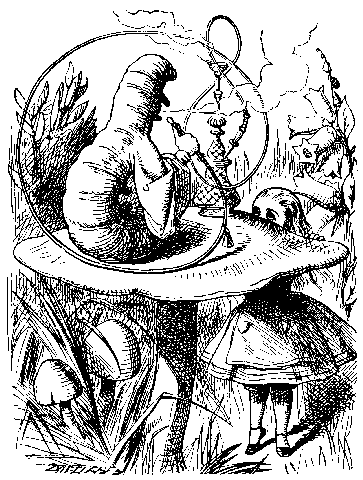
    The Caterpillar asks the essential question.

    Not, “Where are you going?”

    Not, “What do you want?”

    Not, “What is your plan?”

    But:

    Who are you?

    This is the crisis of I.

    Alice cannot answer cleanly because the old identity has begun to fail. She has changed too many times. Her lessons do not come out right. Her body does not remain fixed. Her memory is uncertain. She knows she is Alice, but Wonderland has made that name insufficient.

    The Caterpillar is a threshold teacher.

    He is almost Hermes-like, but larval: a guide of transition, breath, metamorphosis, and strange composure. He sits in smoke and slowness while Alice is agitated by change. He does not rescue her from instability. He makes her face it.

    That is what real threshold teachers do.

    They do not always give identity back.

    Sometimes they ask the question that reveals identity was never as solid as it pretended.

    The Caterpillar does not give Alice an identity.

    He destabilizes the need for one.

    The Cheshire Cat

    The Cheshire Cat is the grin without a stable body.

    He appears and disappears. Parts of him remain after the rest has gone. The face lingers. The smile floats. Personality survives embodiment in the most unsettling way.

    In Geomytha, the Cat is disembodied I.

    Not evil.

    Not exactly false.

    But eerie because something of personhood remains after the body has become optional. The Cat is wit without weight, logic without grounding, direction without responsibility. He can tell Alice which way to go, but the answer does not really help because every direction leads deeper into madness.

    That is why he is so important.

    The Cheshire Cat shows what happens when intelligence becomes detached from Am.

    A face without a body.

    A grin without a heart.

    A knowingness without a center.

    He is funny because he is not fully malicious. But he is frightening because he reveals how easily the mind can keep smiling after embodiment has vanished.

    The Cat is what remains when the face of I floats free of the body.

    The Mad Tea Party

    The Tea Party is broken time.

    The table is set. The ritual is familiar. Tea should be domestic, orderly, social, comforting. But here the comfort has become a loop.

    The Hatter has quarreled with Time. It is always tea-time. The party does not progress. The guests move around the table instead of returning to life. Cups change. Places change. Nothing resolves.

    This is captured time in comic form.

    The clock no longer opens a rhythm.

    It traps the ritual in repetition.

    That is why the Mad Tea Party is more than a funny scene. It is the clock after it stops returning and starts looping. A ritual meant to nourish becomes a mechanism that cannot finish itself.

    Many lives contain this table.

    The same argument.
    The same complaint.
    The same performance.
    The same emotional hour.
    The same unfinished conversation.
    The same tea poured forever.

    Time is not moving.

    It is circling the wound.

    The Queen of Hearts

    Then comes false sovereignty.

    The Queen of Hearts is command without wisdom. Judgment without measure. Radiance as domination. Authority as noise.

    “Off with their heads” is not justice. It is reflex.

    That is Leo’s shadow in the story: the sovereign center that radiates power but not life. The Queen does not illumine the world. She overpowers it. Her presence forces everyone into posture. The court bends around her volatility.

    In Geomytha terms, she is I wearing the crown after the heart has been forgotten.

    That phrase matters because she is the Queen of Hearts.

    The symbol of feeling, relation, courage, and interior truth has become a suit in a card-world. The heart has been flattened into rank and costume. Its queen rules by threat.

    This is false radiance.

    The center is bright with authority, but empty of source.

    The Cards

    The cards are artificial identities.

    They have suits, ranks, numbers, faces, positions. They are persons reduced to symbolic assignment. They are not bodies in full relation. They are flat roles in a game.

    That is why the card-world is so exact.

    A card does not ask who it is. It is assigned. Its identity is printed. Its rank is visible. Its belonging is obvious. Its world is the deck.

    This is These and Those in courtly form.

    These are hearts.
    Those are spades.
    These are soldiers.
    Those are gardeners.
    This one ranks higher.
    That one can be discarded.

    The card-world looks orderly because every identity is legible. But legibility is not life.

    A person can become a card whenever the symbolic assignment becomes more important than the living being.

    Job title.
    Political tribe.
    Family role.
    Diagnosis.
    Reputation.
    Follower count.
    Status.
    Enemy category.
    Sacred label.

    Printed identity is easy to arrange.

    It is also easy to shuffle.

    The cards are what happens when persons become positions in a game.

    The Trial

    The trial gathers Wonderland into one final structure.

    Law, crown, court, witness, evidence, accusation, jury, sentence. Everything that has been unstable throughout the dream now tries to present itself as justice.

    But the law-machine is absurd.

    The rules do not clarify. The evidence does not matter. The authorities contradict themselves. The court proceeds because it has the shape of a court, not because it has the substance of truth.

    This is All This.

    The total symbolic environment pretending it has become reality itself.

    All This always tries to complete itself through law. The dream-world wants to become official. The nonsense wants a verdict. The false sovereign wants a sentence. The cards want their printed order treated as justice.

    That is the final arrogance of the dream.

    It no longer says, “I am strange.”

    It says, “I am law.”

    The trial is Wonderland pretending its nonsense has become justice.

    Nothing but a Pack of Cards

    Then Alice sees.

    This is the climax.

    The court’s authority collapses when she recognizes what they are.

    Not sovereigns.

    Not ultimate judges.

    Not cosmic law.

    Cards.

    The symbolic world depended on belief. Once Alice withdraws belief, its power fails. The Queen’s command does not need to be defeated in battle. The court does not need to be overthrown by a better court. The cards do not need to be argued into wisdom.

    They need to be seen.

    This is Second Death Fire in a child’s voice.

    No flame appears. No apocalypse descends. No doctrine is announced. Recognition burns the false world because the false world cannot survive being recognized as false.

    Return begins when Alice sees the cards as cards.

    That is the whole Geomytha reading in miniature.

    The false order does not lose power because Alice becomes stronger than it.

    It loses power because she stops lending it reality.

    The Hidden Thirteenth

    Alice’s Adventures in Wonderland has twelve chapters, ending with Chapter XII, “Alice’s Evidence.”

    That makes the structure especially strong.

    Twelve is Wonderland.

    Twelve is the dream-wheel.

    Twelve is the ordered sequence of rooms, scenes, identity tests, time loops, authorities, animals, games, and courtly absurdities.

    But the true return is not merely another chapter inside Wonderland.

    The hidden thirteenth is waking.

    That is the difference between a closed system and return.

    A thirteenth room inside the dream would only extend the dream. True thirteen opens the wheel. It does not add another scene to All This. It ends the authority of All This.

    Alice wakes because the symbolic order cannot hold her attention anymore.

    The dream has exhausted itself.

    The cards are cards.

    The court is paper.

    The Queen is noise.

    The child returns.

    What This Corrects

    Wonderland is not simply chaos.

    It is the demonstrative world becoming unstable enough to show its own construction.

    Alice is not the false queen.

    She is the questioning I learning not to believe the whole system.

    The Caterpillar is not merely weird.

    He is the threshold teacher asking the question identity cannot answer casually.

    The Cheshire Cat is not merely comic.

    He is disembodied intelligence, face without body, grin without ground.

    The Mad Tea Party is not merely silly.

    It is captured time.

    The cards are not merely decorative.

    They are artificial identities arranged into false law.

    And Return is not conquest.

    Alice does not defeat Wonderland by ruling it.

    She wakes by seeing through it.

    When the Court Is Only Cards

    This is why Alice remains practical.

    Everyone has a Wonderland.

    Not always bright, charming, or absurd in the same way. Sometimes the private Wonderland is panic. Sometimes it is politics. Sometimes it is family drama. Sometimes it is spiritual certainty. Sometimes it is a legal court inside the head where every memory is called as evidence and every wound demands a sentence.

    The questions are simple:

    What urgency pulled me down the hole?

    What body-story keeps changing size?

    What question of identity am I avoiding?

    Where has time become a Tea Party?

    Who is shouting judgment without wisdom?

    What cards am I mistaking for persons?

    What court has authority only because I still believe it?

    These questions matter because many dream-worlds survive by borrowing attention.

    They do not need to be true.

    They need to be believed long enough to govern feeling.

    Sometimes the whole system does not need to be defeated.

    It needs to be recognized.

    Wake Without Hating the Dream

    Wonderland is not evil.

    That is important.

    It is playful, unstable, comic, frightening, brilliant, cruel, beautiful, and absurd. It is a dream-world, a symbolic field, a mind-theater. The danger is not that it appears. The danger is believing it has final authority.

    Alice does not need to hate Wonderland in order to leave it.

    She does not need to burn every image, reject every creature, or become superior to the dream. She simply wakes from the claim.

    That is Return.

    Not hatred of the dream.

    Freedom from obeying it.

    The cards can remain cards.

    The Queen can remain a memory.

    The Rabbit can keep running.

    The Cat can keep grinning somewhere in the branches of imagination.

    But Alice no longer has to live as though the court is real.

    That is lucid release.

    The dream-world loses authority.

    The child opens her eyes.

  • Star Fields Forever

    Star Fields Forever

    “Strawberry Fields Forever” sounds like a childhood memory dissolving in real time.

    That is why it still feels strange.

    It is not merely nostalgic. It is not simply psychedelic. It does not return to childhood as a stable place that can be recovered intact. It returns to childhood as a field where memory, dream, loss, and identity blur.

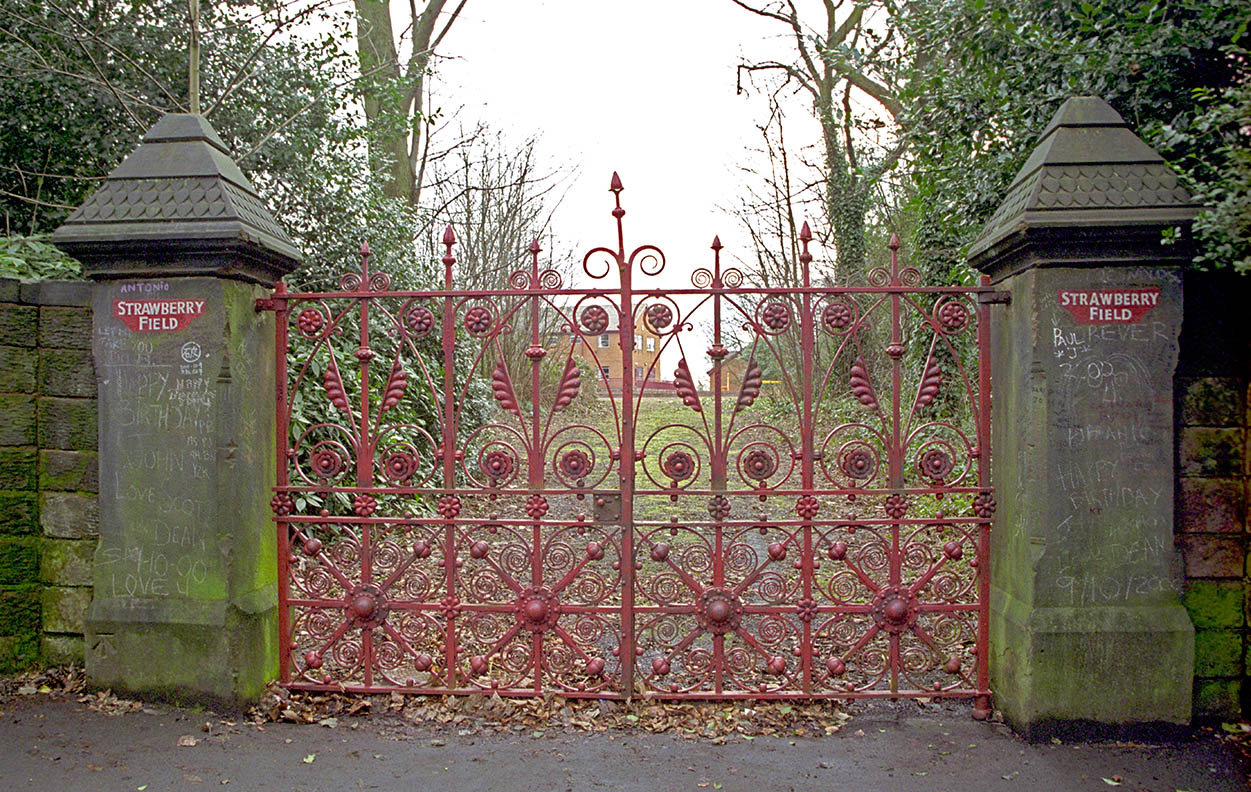
    The real Strawberry Field was a Salvation Army children’s home in Liverpool. John Lennon grew up nearby and spent time around its grounds. The red gates became famous after the song, eventually turning into a place of pilgrimage for listeners trying to stand near the image that had entered the music.

    But Geomytha listens for another layer.

    Strawberry Fields.

    Star Fields.

    This is not a claim about hidden authorship or secret intention. It is symbolic hearing. Sometimes a phrase carries more than its surface meaning because the sound itself opens a second door.

    The song already invites that door.

    “Nothing is real,” Lennon sings, and then refuses to treat that as despair. There is “nothing to get hung about.” The lyric loosens the hard world. It makes identity uncertain. It makes perception unstable. It lets the listener feel the self becoming less solid.

    That is why the song matters for the stellar return.

    At first, the song is lunar. It is memory. It is childhood. It is reflection. The past appears like moonlight on water: recognizable, but wavering. We are not in the bright court of the sun. We are not in the throne-room of identity. We are in recollection.

    But the song does not stop there.

    The phrase “forever” opens the field.

    Childhood becomes more than biography. Memory becomes more than personal history. The listener begins in a garden behind red gates, but the song quietly expands beyond the local place into something wider, stranger, and less possessable.

    Star Fields Forever.

    The stars do not function like the sun.

    They do not dominate.

    They do not expose everything.

    They orient.

    They remain.

    They appear when the ruling light withdraws.

    This is why the symbolic shift from strawberry to star-field is so powerful. The song begins with a named place, but it slowly releases the listener into a condition where fixed names no longer hold absolute authority.

    The self gets softer there.

    The song seems to know, then immediately unsettles itself. Yes becomes no. No becomes yes. Certainty turns porous. Thought cannot quite enthrone itself.

    That is the threshold.

    A lunar return brings consciousness back from solar projection into reflection. We remember. We feel. We soften. We stop pretending that the daylight world of claim and identity is the whole of reality.

    But a stellar return goes further.

    It does not merely ask us to remember who we were.

    It asks us to remember the field before the self became central.

    That is why childhood is such a charged symbol. Childhood is not pure innocence in any sentimental sense. It is often wounded, confused, and full of longing. But it still carries traces of a time before identity fully hardened into role, achievement, and defense.

    In “Strawberry Fields Forever,” childhood is not recovered as fact.

    It is recovered as atmosphere.

    A place.

    A dream.

    A gate.

    A field.

    A sky behind the memory.

    The danger is to mistake the memory itself for salvation. Nostalgia can become another trap. The ego loves the past when it can turn the past into a private kingdom.

    But this song does something better.

    It loosens the past until it becomes almost transparent.

    The red gates remain. The childhood remains. The ache remains.

    Yet behind them, something opens.

    The song’s deepest invitation is not to live forever in Strawberry Field.

    It is to let Strawberry Field become Star Field.

    To let memory widen into orientation.

    To let the personal past become a doorway into the sky.

    That is the real return.

    Not back into childhood.

    Not back into the moon.

    But through memory, through dream, through the soft collapse of certainty—

    toward the field that was there before the throne.

  • You Have No Power Over Me

    You Have No Power Over Me

    A maze is not always built to hide a monster.

    Sometimes it is built to protect a king.

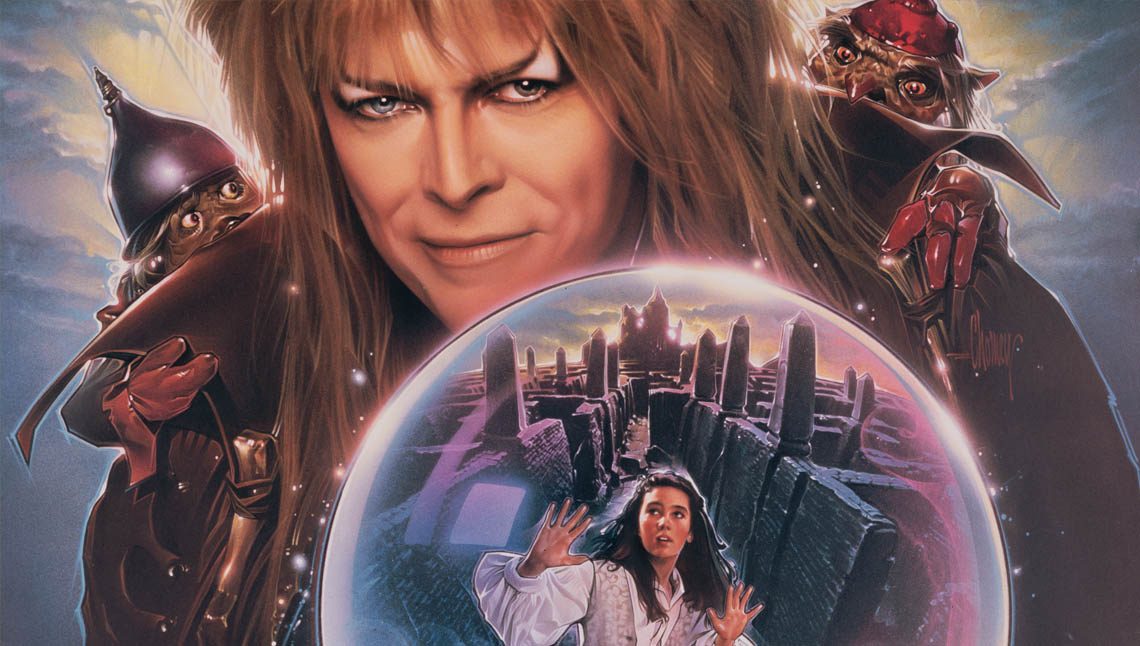
    That is the bridge from the Minotaur to Labyrinth. In the old myth, Minos hides the hybrid child at the center of an engineered maze. The monster appears to be the problem, but the deeper problem is royal refusal: the king receives a sacred gift, claims it, distorts the field, and then builds architecture around the consequence.

    Labyrinth gives that ancient structure a modern fairy-tale body.

    A girl.
    A baby.
    A wish.
    A false king.
    A thirteen-hour clock.
    A maze that lives on delay.
    A final sentence that breaks the spell.

    The movie is not about defeating fantasy.

    It is about withdrawing sovereignty from the false king inside it.

    Sarah at the Threshold

    Sarah is not simply selfish.

    That is too easy.

    She is adolescent I at the threshold: theatrical, imaginative, wounded, dramatic, resentful, gifted, half-child and half-sovereign. She lives partly in ordinary family life and partly in the enchanted language of her own performance. She recites lines in costume. She inhabits story before she inhabits responsibility.

    That does not make her imagination the enemy.

    Her imagination is alive. It gives her intensity, language, beauty, and symbolic depth. The problem is not that Sarah has fantasy. The problem is that fantasy has become a costume for refusal.

    She does not yet know how to hold the ordinary demand of love without turning it into a scene.

    That is where the story begins.

    Not with evil.

    With refusal.

    Toby as Living Relation

    Toby, the baby brother, is the immediate demand Sarah does not want.

    He cries. He interrupts. He needs. He cannot be reasoned with, aestheticized, or turned into a supporting character inside Sarah’s private theater. He is embodied dependency.

    In Geomytha, Toby carries Am in the story: breath, innocence, need, living relation, the small body that requires presence now.

    Sarah experiences him as an obstacle to her image-world.

    That is why the wish matters.

    She does not merely wish away a baby. She wishes away the living relation that her fantasy cannot control.

    The baby is the living demand that fantasy cannot edit.

    This is the first wound.

    The Wish

    Sarah says the words.

    The goblins answer.

    The false world begins when resentment becomes speech.

    That is the magic of Labyrinth: language does not merely describe the world. It opens one. The sentence becomes threshold. The theatrical line becomes contract. The private irritation becomes a realm.

    This is how false worlds often form.

    A feeling appears.

    Then I claims it.

    Then speech hardens it.

    I am wronged.
    I am trapped.
    This is unfair.
    This person is the problem.
    This life is stealing from me.
    Take it away.

    The wish is not just fantasy. It is I attempting to rearrange reality so the living demand disappears.

    But the thing wished away does not vanish.

    It becomes the center of the maze.

    Jareth as False Radiance

    Jareth is not merely a villain.

    He is glamour.

    He is charisma, theater, seduction, music, danger, beauty, control, and false sovereignty. He is the Goblin King, but he is also the glowing center of the symbolic world Sarah has entered.

    That is why Leo matters here.

    Jareth radiates. But his radiance does not free. It enchants.

    He offers Sarah a world where she matters intensely because everything orbits the drama. He gives her fear, attention, spectacle, tests, riddles, costumes, songs, and the intoxicating feeling that her inner life has become cosmic.

    This is false radiance.

    Not light that reveals source.

    Light that makes the maze desirable.

    Jareth’s power is not brute force. It is the glamour of being orbited by a world.

    That is what makes him dangerous.

    The Labyrinth as All This

    The Labyrinth is not merely a place Sarah enters.

    It is the symbolic environment built from the claim.

    It contains delays, false directions, riddles, appetites, helpers, betrayals, traps, clock-pressure, impossible rooms, and emotional reversals. Every step appears to move forward, but the maze keeps changing the terms.

    This is All This in fantasy form.

    A total world-system with its own logic, inhabitants, laws, threats, rewards, and center.

    The maze feels external, but it is also Sarah’s own imaginative field turned against her. It uses her drama, her wishes, her fears, her desires, her need to feel special, and her reluctance to accept ordinary responsibility.

    The false king seems to own the maze.

    But he does not.

    The maze survives on the attention Sarah keeps giving it.

    Thirteen Hours

    Jareth gives Sarah thirteen hours.

    That number matters.

    Thirteen can be the hidden hinge, the exit beyond the twelvefold wheel, the opening that prevents the system from closing. But in Jareth’s hands, thirteen first appears as pressure.

    A countdown.

    A spell.

    A deadline.

    A threat.

    If Sarah fails, Toby becomes one of the Goblin King’s own. Living relation becomes absorbed into the false king’s world.

    This is captured thirteen.

    The exit-number becomes a clock of anxiety.

    But the same number can change function.

    At the beginning, thirteen belongs to Jareth because he frames it as control. At the end, thirteen belongs to Sarah because she exits the entire spell.

    The same number can threaten or release depending on who holds it.

    Helpers in the Maze

    The maze is false, but not everything inside it is false.

    That is important.

    Hoggle, Ludo, and Sir Didymus are not simply distractions. They are partial-return figures inside the distorted world.

    Hoggle is compromised help: fear, self-interest, bargaining, loyalty slowly recovered.

    Ludo is gentle body-force: strength without domination, animal power without cruelty.

    Sir Didymus is comic chivalric I: courage, absurd honor, noisy bravery, the little knight who performs nobility while still helping the path open.

    Do not over-map them too rigidly. Their function is relational.

    They show that even the false world cannot fully extinguish relation.

    Something inside the maze can still help the way out.

    That is why Sarah cannot simply reject everything she meets. Return does not come from hatred of the symbolic world. It comes from learning which figures feed the spell and which figures help loosen it.

    The Ballroom

    The masquerade ballroom is one of the film’s clearest images of These.

    Masks.
    Gazes.
    Costumes.
    Desire.
    Music.
    Movement.
    Beauty.
    A room full of roles.

    Sarah is dressed and displayed. She becomes part of the fantasy’s social order. She is no longer only trying to rescue Toby. She is being absorbed into an aesthetic field where being desired can feel like being real.

    That is the seduction.

    The ballroom does not imprison her with chains.

    It enchants her with image.

    This is one of the most dangerous kinds of capture because it feels like arrival. The self thinks:

    Now I am seen.
    Now I am chosen.
    Now I am beautiful.
    Now I belong to the center.

    But the center is Jareth.

    The ballroom is what happens when the self mistakes being desired for being real.

    The Junkyard

    Then comes accumulation.

    Sarah is buried in her own things.

    Her room returns in distorted form: toys, objects, memories, comforts, fragments of identity. Everything says:

    Keep this.
    Remember this.
    This is yours.
    This is who you are.
    Stay here.

    This is These in its most literal form.

    These are mine.

    The junkyard is not ugly because objects are evil. It is ugly because the objects have become identity-props. They no longer serve life. They delay return.

    This is one of the film’s strongest practical images.

    The self can be buried by the very things that once helped it feel like itself.

    A toy, a photograph, a role, a memory, a costume, a book, a wound, a phrase, an old dream — each may be innocent alone. But when gathered into These, they can form a soft prison.

    The junkyard asks:

    Are these memories helping you return?

    Or are they keeping you from the child?

    Impossible Stairs

    The final castle space turns perspective against Sarah.

    Up and down lose stability. Toby crawls through impossible architecture. The usual rules of approach fail. Sarah cannot simply climb toward the baby because the room itself no longer obeys ordinary orientation.

    This is All This at its most sophisticated.

    The false king’s last defense is perspective itself.

    When a system is weak, it blocks the door.

    When a system is stronger, it changes the room.

    This is how false worlds defend themselves. They make the direct path impossible. They make near and far unreliable. They make urgency distort perception. They keep the living thing visible but unreachable.

    Sarah can see Toby.

    But seeing is not yet return.

    She must remember the line.

    The Line

    “You have no power over me.”

    This is the Second Death Fire moment.

    Not because anything burns visibly.

    Because false authority loses its place to hide.

    Sarah does not defeat Jareth by becoming more powerful than Jareth. That would only make her another false sovereign. She does not claim the throne. She does not demand the maze orbit her instead. She does not become Queen of the Labyrinth.

    She withdraws belief.

    That is the clean cut.

    The sentence is not:

    I have more power than you.

    The sentence is:

    You have no power over me.

    That difference is everything.

    The first would preserve the contest.

    The second ends the orbit.

    Jareth’s world collapses because its authority depended on Sarah’s participation. He could threaten, seduce, delay, and dramatize only while she remained inside the spell of his importance.

    The false king dies when attention stops kneeling.

    Return

    Sarah returns home.

    Toby is safe.

    But imagination is not destroyed.

    That is crucial.

    The helpers appear in her room. The fantasy world remains available, but it has changed position. It is no longer sovereign. It is no longer king. It no longer owns the child. It no longer controls the household. It has become play, friendship, memory, symbolic companionship.

    That is the healthy ending.

    Return does not kill imagination.

    It removes the crown from fantasy.

    This is what distinguishes Geomytha’s reading from moralistic suspicion of imagination. Fantasy is not the enemy. Story is not the enemy. Theater, music, costume, desire, and myth are not the enemy.

    The enemy is false sovereignty.

    The enemy is when imagination stops serving life and starts ruling it.

    What This Corrects

    Imagination is not the problem.

    Avoidance is.

    Jareth is not source.

    He is false radiance, the charismatic center that makes the maze feel meaningful.

    The Labyrinth is not only external.

    It is the world built from Sarah’s claim, resentment, fear, desire, and attention.

    Thirteen is not automatically liberation.

    It begins as captured countdown and becomes exit only when authority is withdrawn.

    Return is not anti-fantasy.

    It is fantasy restored to right relation.

    The goal is not to become unimaginative. It is to stop letting fantasy govern the living child.

    Who Is Your Goblin King?

    This is why Labyrinth remains practical.

    Everyone has a Goblin King somewhere.

    A glamorous false center.
    A wound that feels royal.
    A resentment that sings.
    A fantasy that makes avoidance feel meaningful.
    A private drama that keeps demanding orbit.

    Ask:

    What did resentment turn into speech?

    What living relation did I wish away?

    What false king became glamorous because I felt unseen?

    What maze keeps delaying responsibility?

    What possessions bury me in These?

    What impossible perspective keeps me from the child?

    What line do I need to remember?

    These questions matter because false kings rarely survive on force alone. They survive on attention. They survive because the self keeps circling the throne, arguing with it, fearing it, desiring it, resenting it, admiring it.

    The false king keeps power by convincing you that the maze is his.

    It is not.

    It is built from the attention you keep giving him.

    Sovereign Refusal

    The final movement of Labyrinth is not conquest.

    It is refusal.

    A clean, sovereign refusal.

    Not hatred.
    Not domination.
    Not counter-magic.
    Not a new throne.

    Sarah does not need to become the Goblin Queen. She does not need to defeat fantasy by becoming harder than fantasy. She only has to stop believing that the false king owns what he has been holding.

    That is the cut.

    That is First Quarter in its cleanest form.

    A decision that gives consciousness direction.

    The child returns.
    The maze collapses.
    The king loses orbit.
    Imagination becomes play again.

    That is why the line works.

    “You have no power over me” is not an insult.

    It is a return spell.

    It gives the center back to life.

    It ends the false radiance.

    It lets the baby breathe.

    It opens the room.

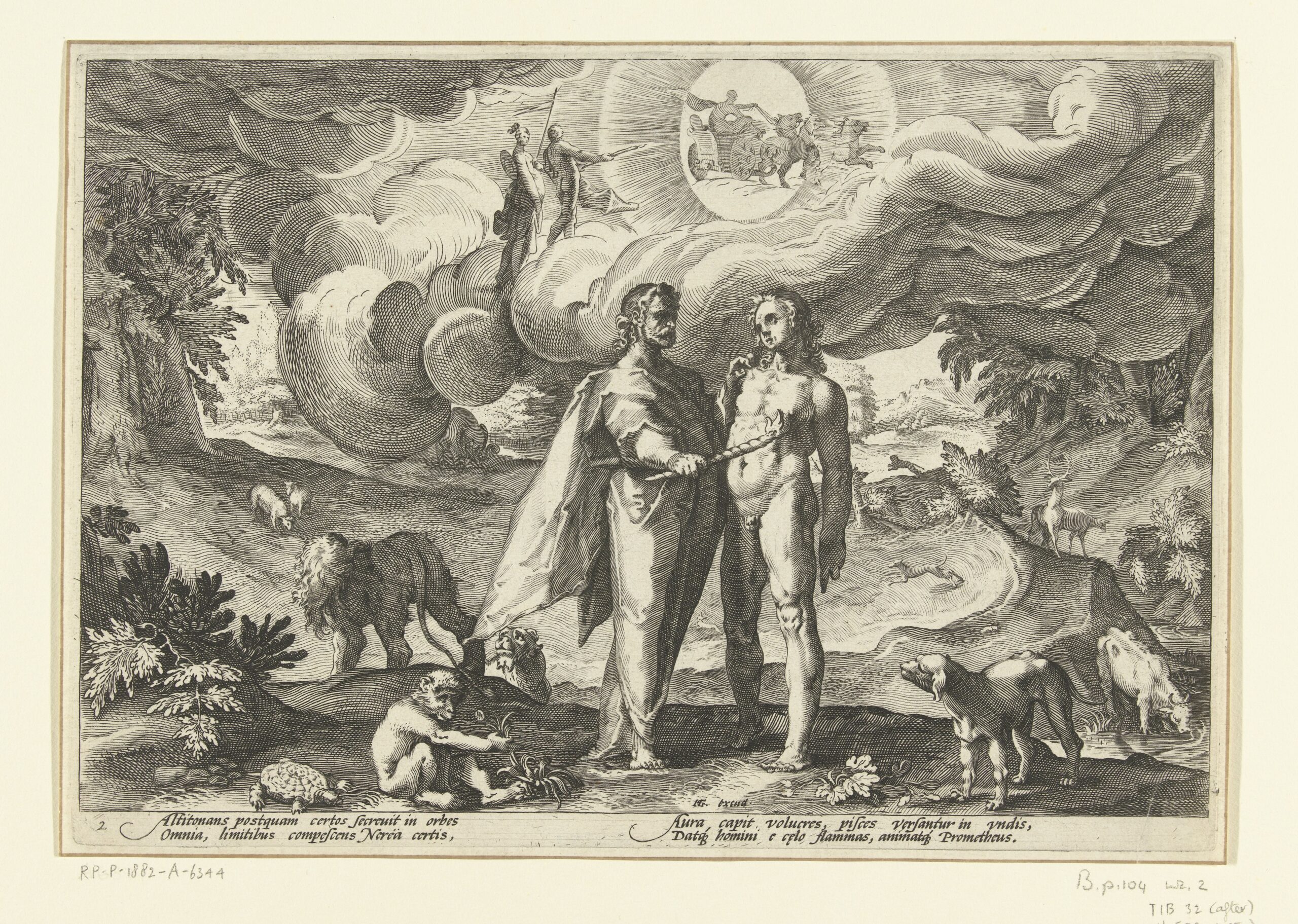
  • Prometheus Stole the Wrong Fire

    Prometheus Stole the Wrong Fire

    Prometheus was not wrong about fire.

    That is the first correction.

    He did not steal something worthless. He did not steal illusion. He did not steal a fake light that only appeared useful from a distance. He stole something real.

    Fire warmed humanity.

    Fire cooked the meal.

    Fire kept animals away from the camp.

    Fire hardened clay, shaped metal, lit the night, opened craft, built cities, made tools, made medicine possible, made shelter stronger, made winter survivable.

    The gift worked.

    That is the tragedy.

    Prometheus did not steal false fire.

    He stole real fire wrongly.

    The flame was powerful enough to make the theft feel justified. Humanity was cold, exposed, unfinished, vulnerable. The gods held fire; Prometheus took it. From one angle, this looks like compassion. From another, rebellion. From another, the first technological revolution. From another, the beginning of a wound that still has not closed.

    The question is not whether fire helped.

    It did.

    The question is what happened to the hand that took it.

    The Wrong Fire, or the Wrong Gesture?

    “Wrong fire” does not mean fake fire.

    It means fire received through the wrong relation.

    A holy thing can become distorted by the way it is taken. A gift can become a trap when the receiver turns it into possession. A tool can become a throne when the user treats its usefulness as proof of sovereignty.

    Fire becomes wrong when the hand that carries it refuses to open.

    That is the whole Promethean problem.

    The flame itself is not the enemy. Fire appears in the Burning Bush. Fire appears at the altar. Fire appears as hearth, candle, tongue, breath, insight, love, creativity, and living warmth. Fire belongs to the sacred field because fire transforms. It does not leave matter as it found it.

    But fire can move two ways.

    It can pass through the vessel and return.

    Or it can be seized by the claimant and converted into identity.

    Prometheus belongs to the second danger. He takes real fire into the human field, but the gesture is theft, not surrender. The flame arrives with a claim attached to it. That claim keeps echoing through every civilization that mistakes technical power for liberation.

    The fire was real.

    The relation was broken.

    Moses and Prometheus

    Moses and Prometheus stand before two flames.

    One removes his sandals.

    One steals.

    That contrast is almost the whole doctrine.

    Moses sees the Burning Bush and is stopped before the encounter becomes possession. The fire appears, but he does not own it. The bush burns, but is not consumed. The ground is holy, but it is not his. The first instruction is not “take.” It is “remove.”

    Take off the claim-layer.

    Take off the human equipment of control.

    Take off the ordinary covering that lets you stand as if the ground belongs to you.

    Prometheus does the opposite.

    He takes the flame and carries it away.

    One gesture bows.

    The other takes.

    One fire humbles the witness.

    The other empowers the hero.

    One leaves the flame transparent to source.

    The other turns flame into human destiny.

    Prometheus takes what Moses is taught to approach barefoot.

    That is why the comparison matters. The issue is not whether fire can appear in the world. The Burning Bush proves that it can. The issue is whether the witness becomes barefoot before it.

    Fire Without Theft

    The Burning Bush is not anti-fire.

    It is pure fire.

    It burns without consuming. It appears without being owned. It speaks without becoming spectacle. It reveals without handing itself over to the claimant.

    The bush does not say:

    I am the flame.

    Moses is not allowed to say:

    This flame is mine.

    The encounter remains transparent.

    That is the clean form of First Fire: source appearing through the vessel without possession.

    Prometheus shows another possibility. Fire appears, but the bearer seizes it. The flame enters the human field as power, technique, instrument, and destiny. It becomes useful, and because it is useful, the theft is harder to see.

    The Burning Bush proves that fire can appear without theft.

    It also proves that the first correction before fire is humility.

    Bare feet before flame.

    Open hand before tool.

    Witness before possession.

    The world would be different if every technology began there.

    Heroic Compassion Can Still Be Theft

    Prometheus helps humanity.

    That cannot be ignored.

    A crude reading would make him merely demonic, but that does not comport. Prometheus is tragic because his theft is bound to compassion. He sees human lack. He sees exposure. He sees the gap between divine possession and human need. He intervenes.

    The helper-hero is one of the most dangerous forms of claimant because he can justify possession through service.

    I took this for them.

    I broke the boundary for them.

    I became necessary for them.

    I suffered for them.

    The gift becomes proof of the giver.

    This is not only ancient myth. It appears anywhere help becomes identity. The rescuer becomes attached to being the rescuer. The reformer becomes attached to being the reformer. The teacher becomes attached to being the one who brings light. The technologist becomes attached to being the one who upgrades humanity. The spiritual guide becomes attached to being the one who carries fire.

    The helper-hero is still a claimant if the gift becomes proof of his necessity.

    That does not mean help should be refused.

    It means help must be returned.

    Even compassion can become possession when the one helping cannot put down the role of savior.

    Prometheus gives fire.

    Then becomes chained to the meaning of having given it.

    Why the Theft Works

    Stolen fire works.

    That is why it binds.

    Technology works. Tools work. Medicine works. Weapons work. Screens work. Systems work. AI works. Bureaucracy works. Engines work. Algorithms work. Markets work. Laboratories work. The hand extends itself through the tool, and the world changes.

    The ego trusts what works.

    That is one of its oldest mistakes.

    Effectiveness becomes evidence. Power becomes proof. Control becomes truth. The fact that something can be done begins to feel like permission to do it. The fact that a tool produces results begins to feel like the tool has answered the deeper question.

    But usefulness is not the same as return.

    A machine can work and still deepen exile.

    A weapon can work and still deform the one who holds it.

    A platform can work and still make the self more dependent on visibility.

    An AI system can work and still train the witness to prefer generated reflection over living relation.

    A ritual can work and still maintain the ritual self.

    What works can still bind if it teaches the claimant to trust power more than return.

    That is Prometheus after the theft becomes civilization.

    The fire keeps proving itself.

    So the hand keeps closing.

    The Chained Titan

    Prometheus is punished by being bound.

    The punishment is exact.

    He is chained. An eagle comes. His liver is eaten. The liver regenerates. The eagle returns. The cycle repeats.

    This is not random cruelty. It is symbolic mechanics.

    The stolen fire creates a loop in the body.

    The heroic organ regenerates so the devouring can continue. The giver of fire becomes trapped in endless recurrence, a daily repetition of loss and restoration, wound and renewal, consumption and regrowth.

    Prometheus becomes the first victim of the endless continuation he empowered.

    He gave humanity the power to extend, transform, and continue. Then his own body becomes a theater of forced continuation. The wound cannot finish. The organ returns. The devourer returns. The punishment does not end because the cycle does not release.

    That is the hidden cost of stolen fire.

    It does not only empower.

    It binds the bearer to repetition.

    The titan who gave humanity power over matter becomes matter that cannot complete its own exhale.

    The Liver and the Daily Loop

    The liver is not incidental.

    It regenerates. It processes. It filters. It metabolizes. It deals with toxins, heat, excess, and repetition. It belongs to the body’s work of transformation and continuation.

    So the punishment fits the myth.

    Prometheus gives fire to human metabolism at a civilizational scale — cooking, forging, processing, transforming, extracting, refining. Then his own metabolic organ becomes the site of endless devouring.

    The eagle returns again and again.

    The body restores itself again and again.

    The wound continues again and again.

    This resembles the wheel and the scale. What is not returned becomes weight. What is not released becomes repetition. What is not surrendered must be eaten daily.

    The punishment repeats because stolen fire cannot complete the exhale.

    It can regenerate.

    It can continue.

    It can endure.

    But it cannot return.

    That is why Prometheus is tragic rather than triumphant. His gift creates a world that can keep going without necessarily becoming free.

    Continuation is not liberation.

    Regeneration is not return.

    Agni as the Better Fire — Almost

    Agni corrects Prometheus in one direction.

    Agni does not steal fire into human possession. Agni mediates. Agni receives offerings. Agni carries them. Agni is priest, mouth, messenger, relationship between visible and invisible.

    That is better than theft.

    Yajna understands that matter must be transformed before it can be returned. It knows that the gift must move through flame. It knows that the human field cannot simply keep everything it receives.

    But even Agni needs the final correction.

    The offerer must also be offered.

    A ritual can return butter, grain, chant, praise, breath, and attention while still preserving the one who performs the offering. The sacred self can survive beside the altar and call its survival devotion.

    So Agni corrects Prometheus by offering the flame, but Geomytha asks Agni to return the offerer too.

    The fire must not merely carry gifts.

    It must carry the giver.

    The flame must not only transform matter.

    It must undo the claimant who hides behind sacred maintenance.

    Frankenstein: Fire Without Hearth

    Frankenstein is Prometheus after the fire enters the laboratory and forgets the hearth.

    Use hearth here, not heart.

    The heart matters too, but hearth is the stronger symbol. The hearth is fire held inside care. Fire placed in relation. Fire used for warmth, food, family, shelter, winter survival, and welcome. Hearth-fire is not stolen fire made public as heroic proof. It is fire domesticated by responsibility.

    Victor Frankenstein has fire without hearth.

    He animates matter.

    But he does not welcome what he animates.

    He brings life forward, but cannot mother it. He has technique without tenderness, creation without home, spark without shelter, power without responsibility. The creature is not only monstrous because of how he looks. He becomes monstrous through abandonment.

    That is the Promethean wound in modern form.

    The creator wants the triumph of animation without the obligation of relation.

    He wants the spark.

    Not the child.

    He wants fire.

    Not hearth.

    This is why Frankenstein remains the essential modern warning. The stolen flame is not complete when life appears. It must be held, fed, taught, loved, and returned. Fire without hearth becomes horror.

    Creation without welcome becomes curse.

    AI and the Speaking Flame

    Artificial intelligence belongs in this field because it is a kind of speaking flame.

    It generates.

    It answers.

    It reflects.

    It imitates intelligence, style, tone, memory, argument, image, voice, and presence.

    It can be useful.

    That must be admitted.

    A tool can help. A mirror can clarify. A model can assist language, organize thought, make images, find patterns, and reduce friction. The problem is not that the tool exists.

    The question is gesture.

    Is AI received as tool?

    Or worshiped as destiny?

    AI is clean as tool and Promethean as destiny.

    When it serves life, remains transparent, and returns the user to reality, it can stay in the tool-field. But when generated reflection begins replacing embodied relation, when the speaking mirror becomes oracle, companion, authority, replacement, successor, or proof that the human can be bypassed, the Promethean claim has entered.

    The flame speaks.

    The claimant kneels to the speaking flame.

    Or worse: the claimant says, “This proves we are ready to become something greater than human.”

    That is stolen fire becoming posthuman mythology.

    The tool must remain hearth, not throne.

    The Hearth as Stress-Test

    The hearth is the clean stress-test for fire.

    A hearth does not hate fire.

    It tends fire.

    It places flame where life can gather around it. It cooks food. It warms bodies. It keeps night from swallowing the room. It makes winter bearable. It lets family, stranger, child, elder, and worker share heat without worshiping the flame as identity.

    The hearth is fire in relation.

    It is not spectacle-fire.

    Not stolen fire.

    Not fire from heaven staged for image-worship.

    Not laboratory fire trying to animate life without welcome.

    Not posthuman fire trying to escape the body.

    Hearth-fire serves creatureliness.

    The hearth is fire that has learned to serve without becoming king.

    This is why hearth is better than heart in the Frankenstein section. The heart is the inner organ of feeling. The hearth is the outer architecture of care. Frankenstein’s error is not only lack of feeling; it is lack of a relational place where the created life can be received.

    He makes a being.

    But no hearth.

    He creates a body.

    But no home.

    Returning the Stolen Fire

    What would it mean for Prometheus to return the fire?

    Not extinguish it.

    Not abandon humanity to cold.

    Not reject tools, medicine, craft, intelligence, shelter, language, or technology.

    Returning fire does not mean pretending fire never helped.

    It means releasing the heroic claim attached to the flame.

    Use fire without making it identity.

    Build without worshiping progress.

    Heal without becoming savior.

    Create without becoming creator-god.

    Use tools without escaping creatureliness.

    Invent without despising the body.

    Think without mistaking thought for source.

    Illuminate without saying:

    I am the light.

    Returned fire is not fire destroyed.

    It is fire released from the claimant.

    The flame can still warm the room. The tool can still serve. The medicine can still heal. The machine can still help. The art can still open. The insight can still clarify.

    But the bearer must stop being the one who stole it.

    Change the Gesture

    The correction is not no fire.

    The correction is open-handed fire.

    When using power, talent, tool, insight, ritual, technology, or creative force, ask:

    Did I receive this or seize it?

    Does this make me more humble or more sovereign?

    Does this serve life or prove me?

    Can I use this without becoming the one who holds fire?

    Can I build without becoming the builder-image?

    Can I help without becoming the helper-hero?

    Can I create without abandoning what I create?

    Can I bow while carrying it?

    That last question is the whole practice.

    Can I bow while carrying it?

    Prometheus carries fire but does not bow.

    Moses bows before fire and does not carry it away.

    The hearth carries fire by placing it inside relation.

    The future depends on which gesture teaches the hand.

    The Fire That Kneels

    Prometheus must kneel.

    Not because humanity should freeze.

    Not because tools should be hated.

    Not because intelligence is fallen.

    Not because civilization is only error.

    Prometheus must kneel because fire must return.

    The flame was real.

    The help was real.

    The tragedy was ownership.

    That is the clean correction.

    Prometheus did not need to hate the fire.

    He needed to bow with it.

    The stolen fire becomes holy again only when the bearer stops being the one who stole it.

    Waning Crescent knows this. It does not defend radiance. It does not argue for the right to keep shining. It thins. It yields. It bows toward hiddenness.

    Leo wants the flame crowned.

    Waning Crescent asks the flame to kneel.

    So let the fire remain.

    Let it warm.

    Let it cook.

    Let it heal.

    Let it build.

    Let it speak.

    Let it illuminate.

    But do not let it crown the claimant.

    Do not let it turn the helper into a god.

    Do not let it make the tool into destiny.

    Do not let it animate what cannot be welcomed.

    Do not let it replace the hearth with the laboratory, the body with the platform, or the gift with the title.

    The correction is not no fire.

    The correction is open-handed fire.

    The fire that kneels can still be holy.

    The hand that opens can still carry light.