Central ClaimI — ClaimI names claim: the interruption by which reflected presence is taken as mine.Read full entry →
The universe itself refuses perfect closure.
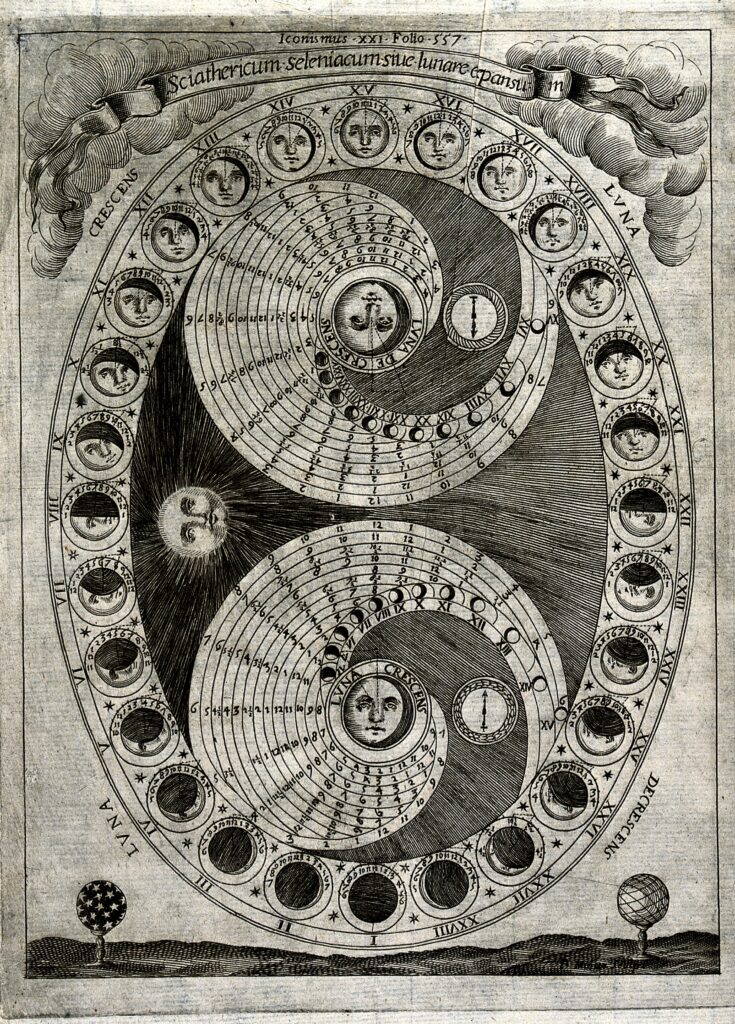
Three hundred and sixty degrees form a perfect circle, yet the Earth requires approximately 365.2422 days to complete its journey around the Sun. The remainderClosed System / Hidden TermA closed system achieves the appearance of completeness by excluding or minimizing something it cannot integrate; the excluded term remains active and returns as strain, contradiction, anomaly, backlash, or breakdown.Read full entry → is not a mistake. Across mythology, religion, and symbolic systems, life repeatedly enters through what exceeds the wheel.
Primary Mythic Frame
The Egyptian epagomenal daysEgyptian Epagomenal Days — Five Days Outside the 360-Day YearThe ancient Egyptian civil calendar organized twelve 30-day months and added five epagomenal days to complete a 365-day year; later traditions associated these days with divine births.Read full entry →.
A perfect 360-day year proves insufficient. Five days remain outside the ordinary calendar. On thoseThose — ProjectionThose names projection: enemies, outsiders, competitors, threats, and disowned qualities placed beyond the identity boundary.Read full entry → days the gods themselves are born.
Supporting Examples
EgyptEgyptAncient Egyptian cultural and mythic field referenced by the essay.Read full entry →
360-day wheel.
Five days outside time.
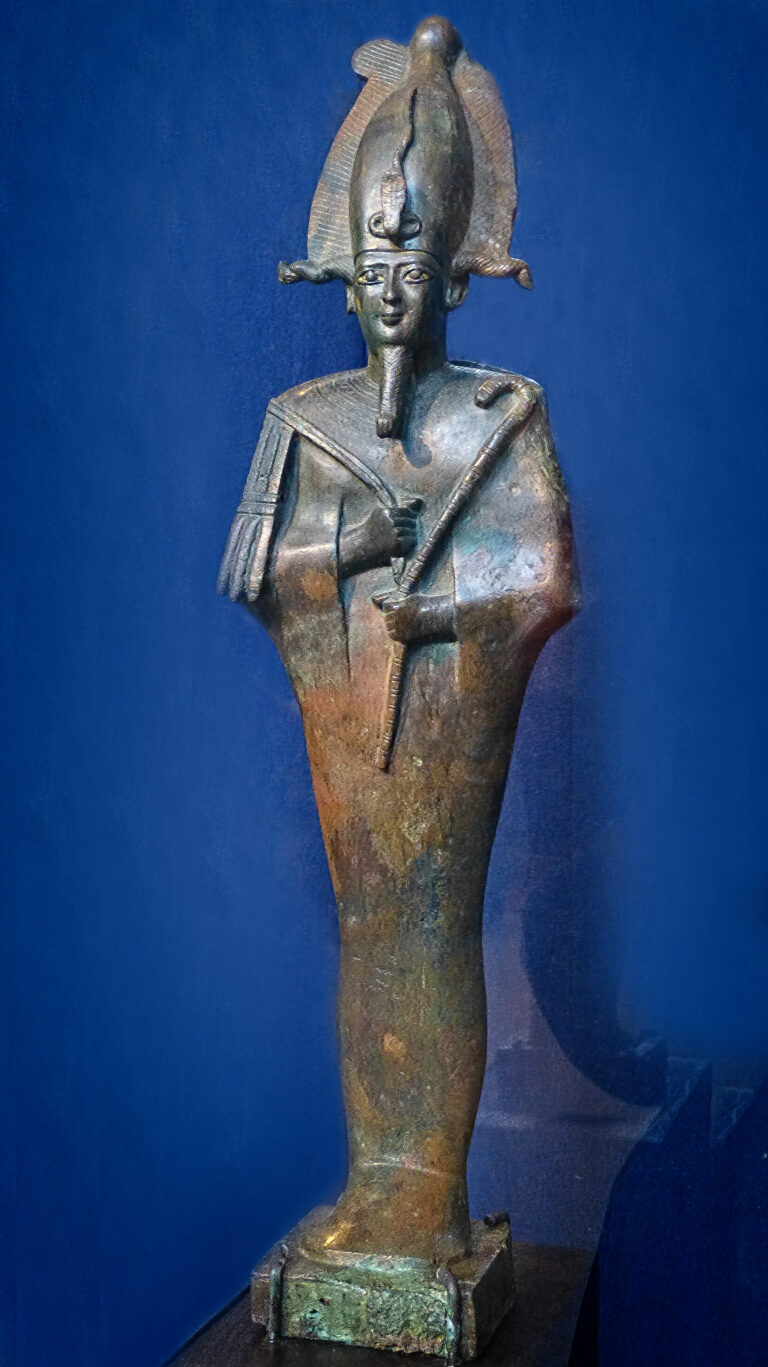
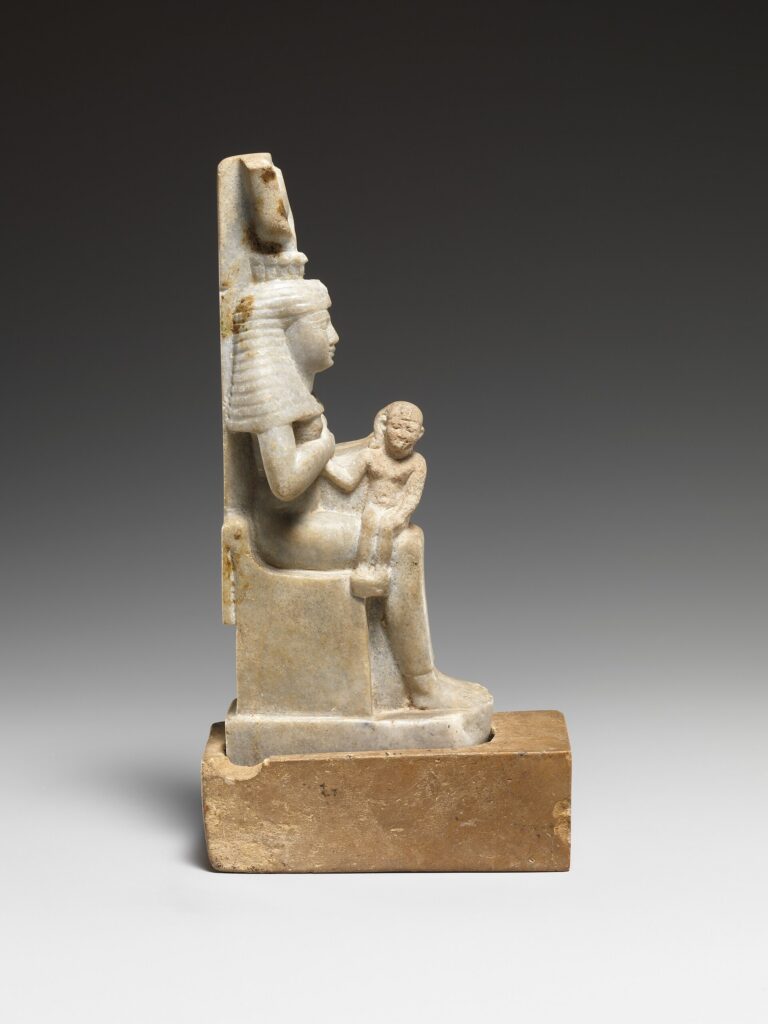
Births of OsirisOsirisIn Geomytha, Osiris names reflected presence: Am — awareness reflected as living consciousness without yet becoming ownership.Read full entry →, HorusHorusIn Geomytha, Horus names the identity that forms after claim: This — the body, role, image, wound, belief, or story taken as what the self is.Read full entry → the Elder, SetSetIn Geomytha, Set names the claimant: I — the interruption by which reflection is taken as mine and converted toward ownership.Read full entry →, IsisIsisIn Geomytha, Isis names the unclaimed field: Is — pure being, awareness before possession, and the ground before the claimant appears.Read full entry →, and Nephthys.
ChristianityChristianity — Religious TraditionThe Christian religious tradition referenced through resurrection, baptism, and the symbolic Eighth Day.Read full entry →
The SabbathSabbathNamed weekly sacred rest pattern in Jewish tradition.Read full entry → and the Eighth DayThe Eighth Day — Completion ReopenedEarly Christian writers used the eighth day as a resurrection symbol beyond the completed seven-day week. Augustine explicitly calls the eighth day a type of resurrection. The Lateran Baptistery’s official history states…Read full entry →.
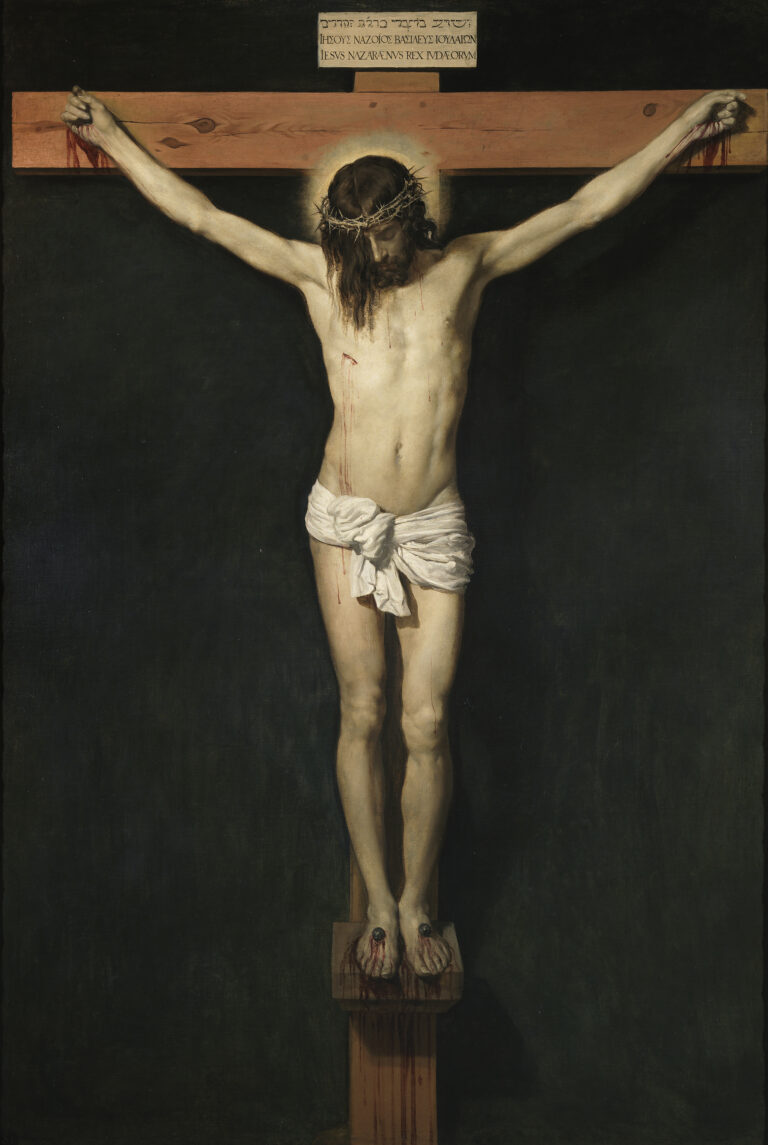
Completion is interrupted by resurrection.
Zodiac
Twelve signs.
Hidden thirteenth reopening.
Modern Calendar
Leap years.
365.2422 days.
The hidden remainder accumulates.
Stress-Test Example
Modern reductionism treats the discrepancy as merely astronomical.
Yet human cultures repeatedly transformed the excess into symbols of renewal, sacred interruption, and returnReturn — RemembranceReturn names remembrance and release: the loosening of possession so reflection can become transparent to source again.Read full entry →.
Outline
I. Human Beings Love Closed Systems
-
Round numbers.
-
Perfect endings.
-
Desire for completion.
-
Why circles symbolize wholeness.
II. Why 360 Became Sacred
-
Divisibility.
-
Circle.
-
Zodiac.
-
Twelve months.
-
Public order.
III. The Year Refuses to Cooperate
-
365.2422 days.
-
The hidden excess.
-
Why the wheel never closes.
IV. Egypt and the Birth of the Gods
-
Five epagomenal days.
-
Why the gods are born outside time.
V. The Crack Is Mercy
-
Sabbath.
-
Eighth Day.
-
Hidden thirteenth.
-
Leap year.
VI. The Wheel That Refused to Close
Reality itself remains larger than every system built to contain it.
The crack is not failure.
The crack is where return becomes possible.
Rough Draft
Human beings love closed systems.
We love round numbers. We love complete explanations. We prefer stories with neat endings and circles that return exactly to where they began. Perfection, we assume, means closure.
Yet the heavens themselves disagree.
A circle contains 360 degrees. Ancient peoples discovered that this number divided beautifully. It organized the heavens, the zodiac, and the movement of time itself. Three hundred and sixty became the number of completion.
But the year contains an uncomfortable secret.
The Earth does not complete its journey around the Sun in 360 days.
Nor even in 365 days.
The tropical year lasts approximately 365.2422 days.
The difference appears insignificant.
Yet perhaps no number carries stranger implications.
Because hidden inside that fraction lies a remarkable truth:
Reality refuses to fit perfectly inside its own circle.
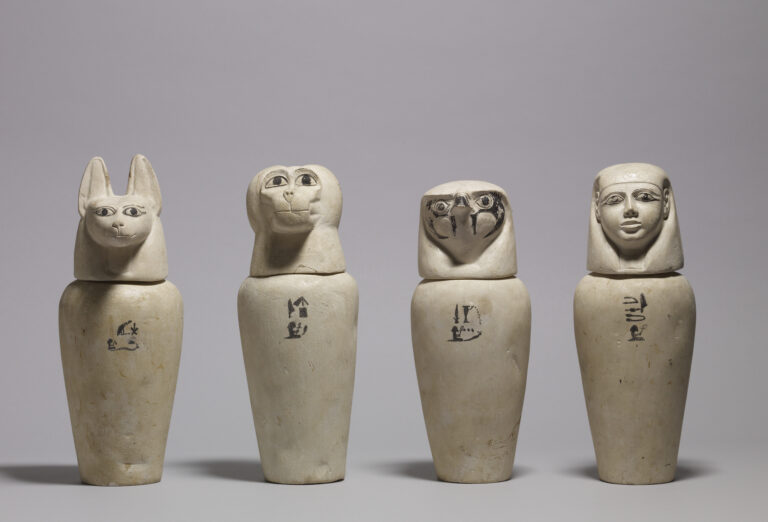
Ancient Egypt recognized this mystery. A perfect year of twelve months and thirty days yielded 360 days. But five days remained outside the ordinary calendar. Those days became sacred. The births of Osiris, Horus the Elder, Set, Isis, and Nephthys were placed beyond the wheel itself.
The gods were not born inside the system.
They emerged from what exceeded it.
And perhaps this pattern has never disappeared.
The Sabbath interrupts work.
The Eighth Day interrupts the week.
The hidden thirteenth sign reopens the zodiac.
Leap years interrupt the calendar.
Again and again, life enters through what cannot be completely measured.
Perhaps perfection does not mean the absence of cracks.
Perhaps the crack is mercy.
Perhaps the wheel refused to close because reality itself is larger than every world we build to contain it.