The false self is not only an idea.
It is a body-pattern.
It has a route. It has a pressure. It has a place where the current turns. It has a moment where breath becomes sensation, sensation becomes thought, thought becomes claim, and claim becomes identity.
The first article gave the grammar:
Is. Am. I. This.
But grammar does not remain abstract. It enters the body.
Air enters.
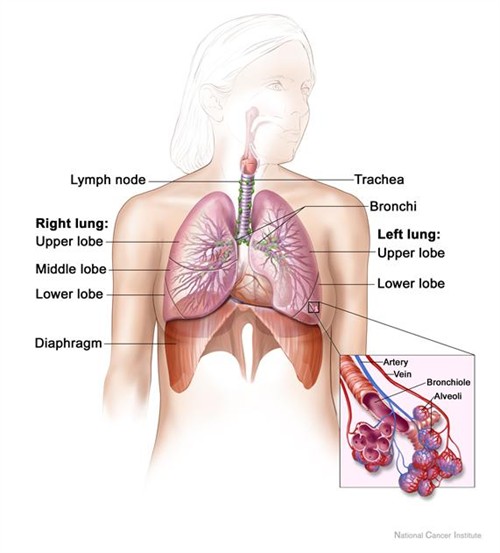
The lungs receive.
The diaphragm moves.
The belly feels.
The head explains.
The body becomes a person.
That is the whole drama in one breath.
In Geomytha, the simplest body map is this:
Air is Is.
Lungs are Am.
The diaphragm and upper belly are the Is-AmGEOMYTHA readingReflection Without OwnershipReflection without ownership is the condition in which experience can appear, relate, and move without being seized as mine.Read full entry → crossing.
The head-axis is I.
The identity-bodyGEOMYTHA readingThis — IdentityThis names the formed identity: the body, role, image, wound, belief, or story claimed as what the self is.Read full entry → is This.
Not as medical doctrine.
As symbolic anatomy.
Air does not literally enter the solar plexus. Breath does not physically travel into a mythic chamber called Is-Am. The lungs receive air. The diaphragm moves. The abdomen responds. The nervous system changes. The body feels the current.
The symbol begins there.
Because every breath gives the self a choice before the self knows it is choosing.
Air arrives before identity.
No one owns the air. No one authors it. No one creates it privately from the ego. It comes as field, as gift, as invisible given. Before the mind claims anything, air already is.
That is Is.
The lungs receive it.
They do not seize it. They do not declare victory over it. They open, exchange, release, and open again. They are not source. They are reflection. They take what is given and make it living in the body.
That is Am.
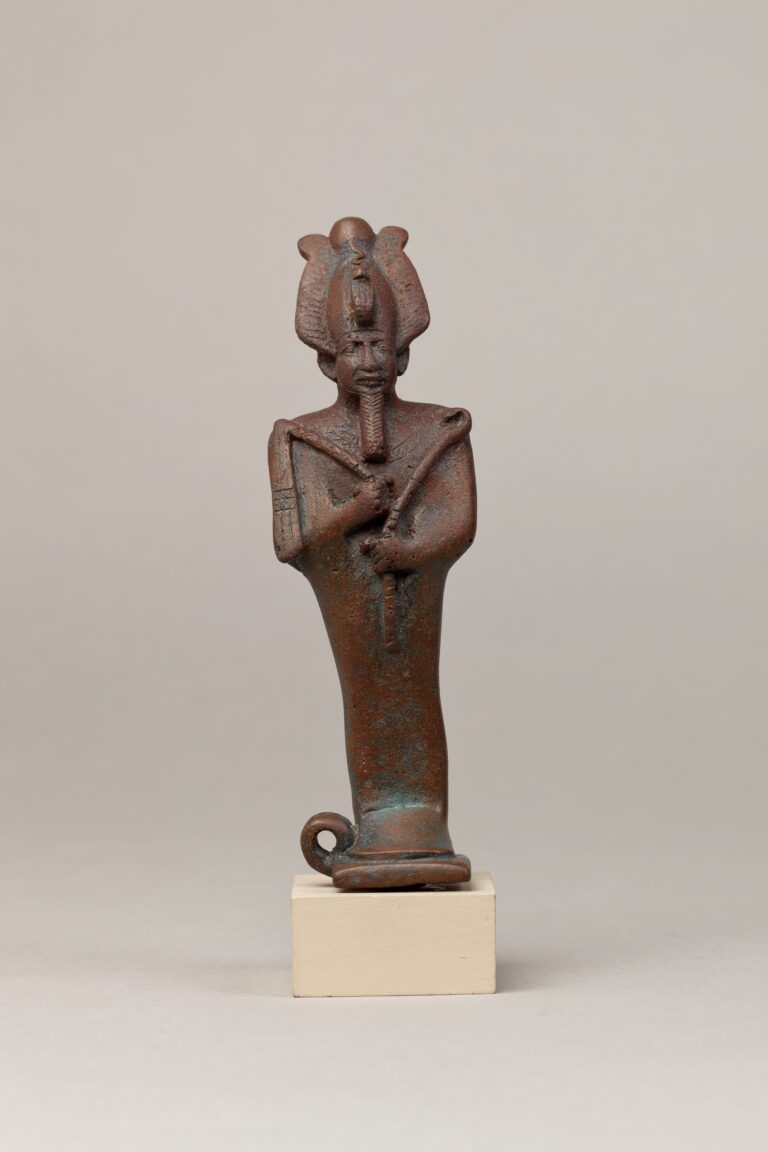
This is why the lungs comport so strongly as OsirisGEOMYTHA readingOsirisWithin GEOMYTHA, Osiris names Am: reflected, embodied presence before ownership. This is the project’s interpretive use, distinct from the Egyptian deity’s historical roles.Read full entry →.
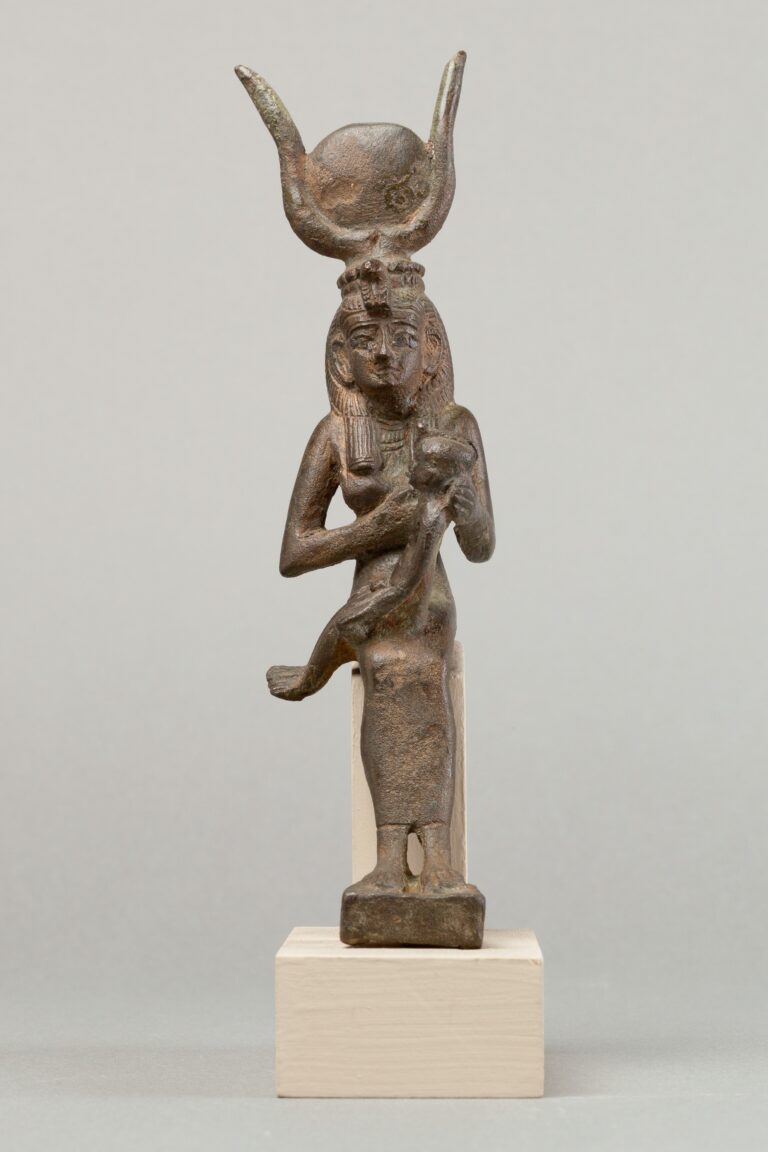
Osiris is not the source itself. Osiris is source reflected as living consciousness. He is the mirror in which IsisGEOMYTHA readingIsisWithin GEOMYTHA, Isis names Is: unclaimed awareness or the source field before possession. This is the project’s interpretive use, not an exhaustive definition of the Egyptian goddess.Read full entry → becomes knowable without ceasing to be Isis. He is the lunar field, the quiet exchange, the reflected order, the breath of awareness made present.
The lungs do this constantly.
They receive the invisible and turn it into bodily presence.
Air becomes life.
Is becomes Am.
But then the current reaches the crossing.
The diaphragm descends. The ribs widen. The upper belly responds. The region commonly called the solar plexus begins to matter—not because it is where air goes, but because it is where breath becomes felt as center.
This is the crucial correction.
The center is not truly solar.
Within Geomytha’s symbolic reading, “solar plexus” becomes a useful image of the hijack because the solar language evokes outward radiance, projection, assertion, and command. This is not an anatomical etymology. The conventional anatomical term celiac plexus names the nerve network in the upper abdomen; Geomytha uses that bodily location as the ground for its separate Is-Am metaphor.
Geomytha goes one step further.
This is the Is-Am plexus.
The place where breath can become presence before thought converts it into personhood.
The place where air received by the lungs can settle as embodied reflectionGEOMYTHA readingBreath / Embodied ReflectionBreath makes reflected presence tangible in the body: inhale is used as Am, embodied reflection, while exhale is used as Is, release back toward source before reflected presence is seized by the claimant.Read full entry → instead of rising too quickly into the head as claim.
The place where Am can remain close to Is.
This matters because the false self forms fast.
Almost instantly.
A pressure appears in the body, and thought says:
I am anxious.
A contraction appears, and thought says:
I am angry.
A hunger appears, and thought says:
I am empty.
A desire appears, and thought says:
I need this.
A symbol appears, and thought says:
I must know what this means.
That is the hijack.
The body sends a signal. The head claims it. The signal becomes identity.
The route is simple:
Is → Am → I → This.
Air becomes breath.
Breath becomes sensation.
Sensation becomes thought.
Thought becomes “me.”
“Me” becomes a world.
This is why the head-axis matters.
The throat speaks.
The pineal imagines.
The crown enthrones.
Together they form the false upper axis: the place where reflection rises into command, where sensation becomes narration, where presence becomes doctrine, where breath becomes biography.
This is SetGEOMYTHA readingSetWithin GEOMYTHA, Set names I: the claimant that seizes reflected presence as mine. This is the project’s interpretive use, not every historical role of the Egyptian deity.Read full entry →’s route through the body.
Set does not need to destroy the body. He only needs to redirect its reflection. He only needs to take the living current that should settle into Is-Am and pull it upward into I.
Then Horus appears.
Horus is not merely the body. The body itself is not the problem. The body is innocent. The body breathes, hungers, rests, works, touches, speaks, sleeps, wakes, aches, heals, and dies.
Horus is the body claimed as identity.
This face is me.
This name is me.
This wound is me.
This role is me.
This performance is me.
This history is me.
This fear is me.
This body-story is what I am.
That is This.
The identity-body.
A body no longer simply lived, but narrated.
A body no longer received as field, but recruited as evidence.
A body no longer moving through life, but forced to carry the burden of selfhood.
This is the tragedy. The body does not create the illusion by existing. The illusion forms when the claimant uses the body as proof.
There is pain.
Then: I am thisGEOMYTHA readingThe False-Self Sentence — I Am ThisThe false-self sentence forms when claim joins reflection to a fixed object of identity: I am this.Read full entry → pain.
There is hunger.
Then: I am this hunger.
There is fear.
Then: I am this fear.
There is memory.
Then: I am this story.
This is how Horus is built.
Not all at once. Breath by breath. Sensation by sensation. Claim by claim.
The same mechanism appears in myth.
Jacob grabs Esau’s heel at the moment of emergence. This is not only a family story. It is a diagram of the inner interruption. Right as the natural current is coming through, the heel-grabber seizes it.
Thought does the same thing.
Right as Is becomes Am, I grabs the heel.
Right as presence becomes felt, the claimant appears.
Right as reflection could return to source, the head turns it into a story.
That is why the practice is not dramatic.
The practice is not to fight thought like a monster. Fighting thought usually gives thought more importance. The practice is to let the current complete before the claimant arrives.
Inhale:
From Is to AmGEOMYTHA readingSource Becoming Reflection — Is → AmIs → Am is source becoming reflection without ownership.Read full entry →.
Exhale:
From Am back to Is.
Let the lungs receive.
Let the belly soften.
Let the center feel.
Let the head wait.
This is not anti-mind. It is right order.
The head has work to do. It can speak. It can plan. It can compare. It can protect. It can write. It can argue. It can remember. It can solve. But it should not be the first owner of the breath.
When the head receives the current too early, every task becomes identity.
Work becomes:
I am successful.
I am failing.
I am behind.
I am important.
Conversation becomes:
I am heard.
I am rejected.
I am right.
I am disrespected.
Spirituality becomes:
I am awakened.
I am chosen.
I am close.
I am not there yet.
Even body practice becomes:
I am doing it correctly.
I am not present enough.
I am finally getting it.
I am losing it.
The claimant is clever. It can turn even anti-ego practice into ego identity.
So the correction must remain simple enough to escape performance.
Before the task:
From Is inhale into Am.
After the task:
From Am exhale back into Is.
That is all.
Begin from the field.
Act through the body.
Release the action.
This can apply to anything.
Before writing an article, Is-Am.
After writing, Am-Is.
Before answering a hard message, Is-Am.
After sending it, Am-Is.
Before lifting a weight, Is-Am.
After the set, Am-Is.
Before speaking to a child, Is-Am.
After the moment passes, Am-Is.
Before entering conflict, Is-Am.
After the conflict, Am-Is.
The point is not to become holy while doing ordinary things. That is another trap. The point is to stop ordinary things from becoming proof of self.
Action should pass through.
It should not harden.
This is why Taurus matters for this article. Taurus is body, weight, steadiness, matter, continuity. It refuses the fantasy that liberation is merely an upward escape. The path does not begin by fleeing the body. It begins by letting the body stop serving the claimant.
The body already knows how to receive.
The lungs know how to open.
The diaphragm knows how to descend.
The belly knows how to feel.
The problem is not that the body is too dense. The problem is that thought uses the body as raw material for identity.
Presence does not require rejecting embodiment.
Presence requires ending premature ownership.
There is a body.
That is enough.
There is breath.
That is enough.
There is sensation.
That is enough.
The “I” does not need to rush in and turn every sensation into a biography.
This also corrects a common spiritual mistake: the worship of the “higher” centers.
The throat, pineal, and crown may have their functions. Speech, vision, and spiritual orientation are not inherently false. But when they are enthroned above embodied presence, they become the false phallus. The current is pulled upward. The body is treated as something to escape. The belly is bypassed. Breath becomes concept. Presence becomes image. The person becomes spiritualized Horus.
The self now says:
I am above the body.
But that is still I am.
The claim has not dissolved. It has only ascended.
That is why the return must be bodily.
Not crude.
Not anti-spiritual.
Bodily.
Air as Is.
Lungs as Am.
Belly as crossing.
Head as servant.
Body as field, not identity.
This is the body grammar.
It does not require belief. It requires noticing.
Notice when air enters before “I” appears.
Notice when the lungs receive without narrative.
Notice when the belly tightens because thought has grabbed the current.
Notice when the head starts explaining before the body has settled.
Notice when a feeling becomes “me.”
Then release the claim.
Not violently.
Simply.
Am-Is.
Let reflection return.
The false self does not need a grand battlefield. It needs repeated ownership. Deprive it of that, and it weakens.
This is why the body matters so much.
Every breath is a small creation.
Every exhale is a small apocalypse.
Every sensation is a possible world.
Every claim is a possible Horus.
But every return is also available.
The current can move cleanly.
Is becomes Am.
Am returns to Is.
The body does not have to become a prison.
The body can become a passage.
Air enters.
Lungs reflect.
Belly steadies.
Head waits.
Identity loosens.
The claimant arrives late.
For one breath, the body is not “me.”
It is the place where Is remembers Am, and Am returns to Is.