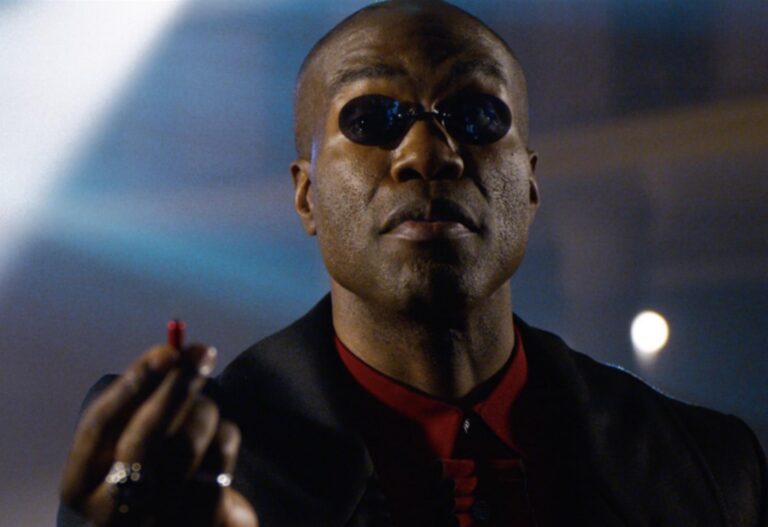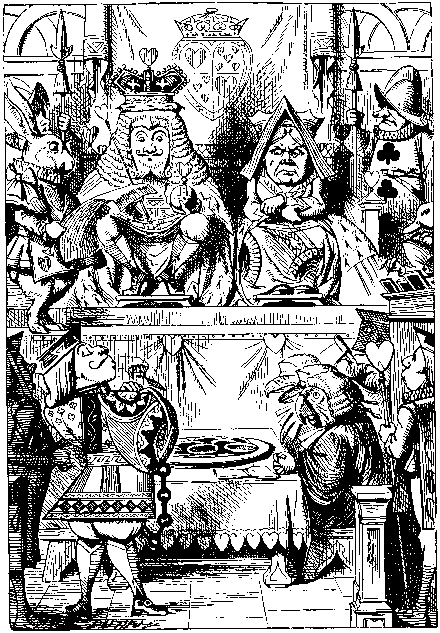
Philip K. Dick’s VALIS begins with a wound to modern confidence.
Not just confidence in government, media, institutions, or consensus reality. ThoseThose — ProjectionThose names projection: enemies, outsiders, competitors, threats, and disowned qualities placed beyond the identity boundary.Read full entry → are easy targets. The deeper wound is confidence in the private self. The book opens the possibility that the one thing modern people trust most instinctively—inner authorship—is far less secure than it appears. The thoughts in your head may not be fully yours. The story you call “me” may be less a sovereign center than a relay station. The mind may not be something you use. It may be something that works through you.
That is why VALIS matters.
It is not only a novel about revelationRevelation — Book of RevelationThe final book of the Christian New Testament, also called the Apocalypse of John.Read full entry →, madness, Gnosticism, information, or divine signal. It is a novel about the terrifying suspicion that consciousness has been occupied. It stages the moment when the self begins to wonder whether it is thinking at all, or whether thought has already taken the throne and is merely speaking in the first person.
That is the Geomythic pressure of the book.
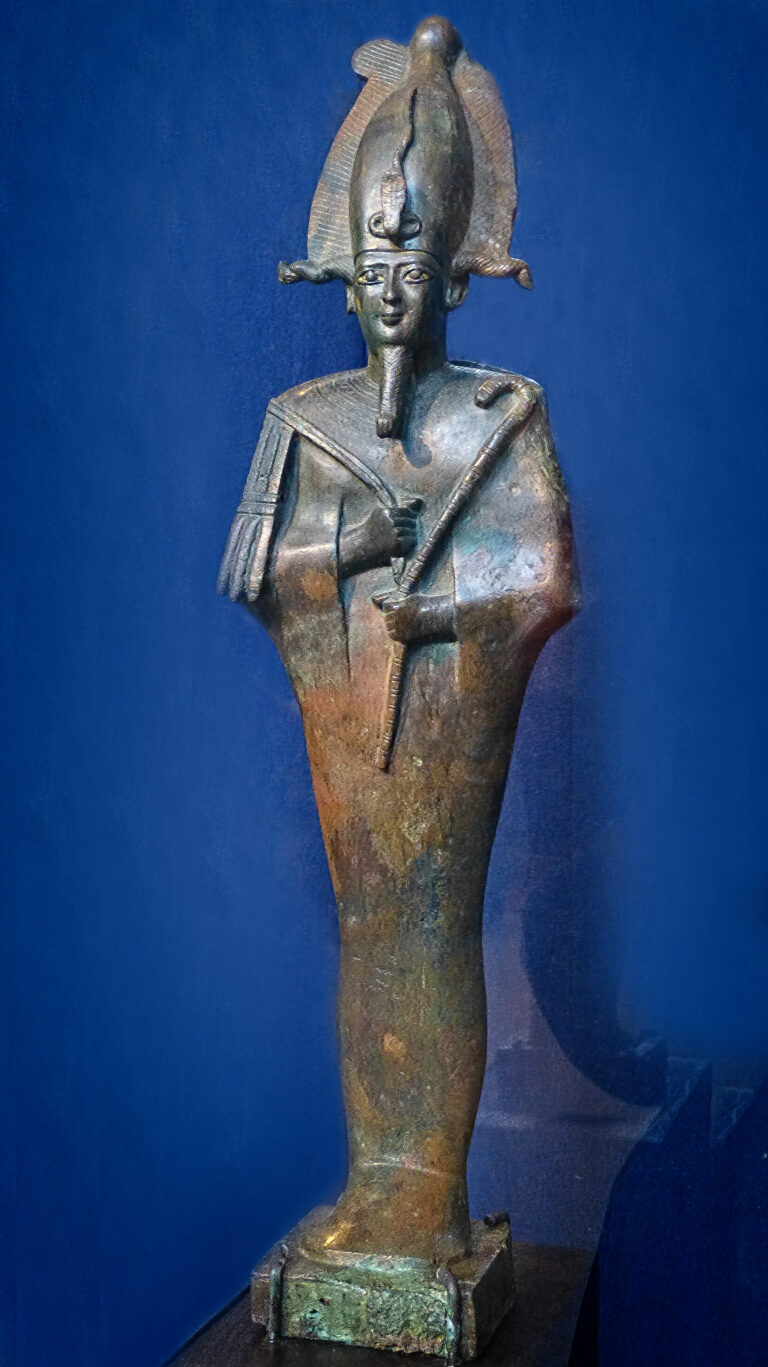
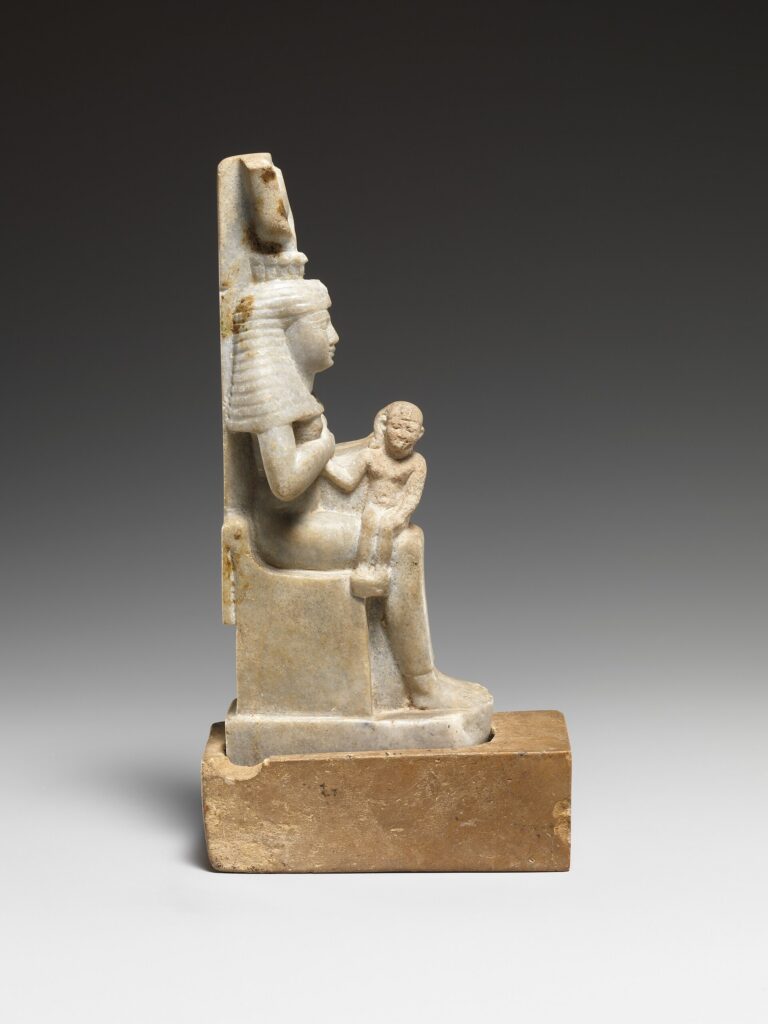
In this reading, IsisIsisIn Geomytha, Isis names the unclaimed field: Is — pure being, awareness before possession, and the ground before the claimant appears.Read full entry → is pure awareness: the living fact of being before it is captured by image, fear, or narrative. OsirisOsirisIn Geomytha, Osiris names reflected presence: Am — awareness reflected as living consciousness without yet becoming ownership.Read full entry → is awareness rightly reflected in consciousness: calm, lucid, rooted, still capable of presence. SetSetIn Geomytha, Set names the claimant: I — the interruption by which reflection is taken as mine and converted toward ownership.Read full entry → is the overtaking force: projection, fragmentationDismemberment / FragmentationDismemberment names the symbolic breaking of a previously integrated reflection into separate parts, roles, objects, or powers.Read full entry →, fascination, anticipation, symbolic overproduction, mediated reality mistaken for reality itself. HorusHorusIn Geomytha, Horus names the identity that forms after claim: This — the body, role, image, wound, belief, or story taken as what the self is.Read full entry → is the result—the constructed self that inherits the broken field and calls it identityThis — IdentityThis names the formed identity: the body, role, image, wound, belief, or story claimed as what the self is.Read full entry →.
VALIS lives at the point where Horus begins to suspect he is not the ruler of the kingdom but its product.
That is a terrible realization.
Because once you see it, ordinary life starts to look different. Not grandly different. Not all at once. Just enough.
A repeated phrase. A strange coincidence. A feeling that your reactions are arriving already shaped. A sudden suspicion that your loves, fears, interpretations, and crises may be less spontaneous than they feel. That your inward life is not an untouched sanctuary but contested ground.
Dick understood that terror. He also understood its seduction.
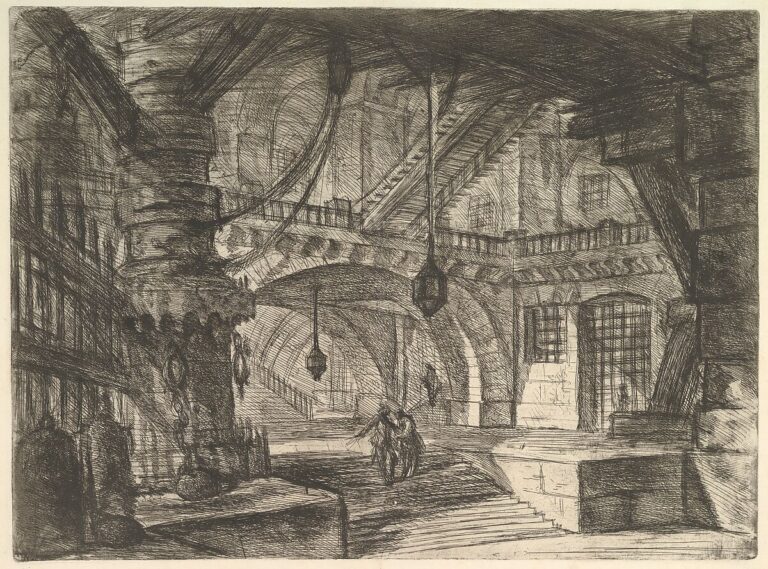
That is why VALIS is not a simple awakening story. It does not flatter the reader with a clean escape from illusion. It does not offer a polished ladder from falsehood to truth. It is messier than that. More dangerous. It knows that when the shell of consensus cracks, what rushes in is not automatically liberation. It may be revelation. It may be inflation. It may be memory. It may be breakdown. It may be a true signal entering a corrupted receiver. It may be the receiver mistaking its own overload for God.
That ambiguity is the whole point.
In Geomytha, Set does not only rule through crude falsehood. He also rules through counterfeit transcendenceCounterfeit TranscendenceCounterfeit Transcendence promises escape from limitation, distance, mortality, friction, or embodiment through a system that extends the claimant without actually dissolving the claim.Read full entry →. Through spectacle mistaken for vision. Through intensity mistaken for truth. Through psychic acceleration mistaken for awakening. The false world does not survive by being boring. It survives by offering emotional and symbolic experiences vivid enough to keep consciousness engaged while remaining severed from sourceIs — SourceIs names unclaimed being: awareness before possession, distinction, or identity.Read full entry →.
That is why VALIS cuts so deeply. It shows a consciousness that no longer trusts the official world, but cannot yet trust its own rupture either.
This is where the split between Phil and Horselover Fat becomes so important.
The doubling is not a decorative device. It is not just postmodern cleverness, nor merely an autobiographical game. It is the book’s central spiritual mechanism. Consciousness has divided against itself. One voice narrates, observes, distances. Another suffers, receives, interprets, becomes consumed. One tries to remain legible. The other tries to endure the signal. Between them stands the central modern problem: how do you tell the difference between perception and projection once the world itself feels staged?
That is a Geomythic question before it is a literary one.
When Osiris reflects Isis clearly, consciousness remains close to source. It can think without being taken by thought. It can feel without being reorganized by feeling. It can notice pattern without needing every pattern to become destiny. But when Set overtakes reflectionAm — ReflectionAm names reflected presence: awareness embodied or mirrored without yet becoming ownership.Read full entry →, consciousness begins living in surfaces, anticipations, abstractions, and interpretive loops. Then everything starts to glow too much. Every event can become a code. Every detail can become a message. Every rupture can become a cosmology.
The mind becomes productive in exactly the wrong way.
Not because all pattern-recognition is false. Quite the opposite. The problem is that once consciousness loses its center, it cannot discriminate properly between a real interruption and a self-intoxicating one. It cannot tell whether it is receiving or merely amplifying. It becomes spiritually impressed by its own excitement.
That is why VALIS needs steadiness.
Not as a denial of its crisis, but as the only way through it.
A weaker reading of the novel turns it into a romance of paranoia. A stronger reading sees that Dick is doing something harder: he is dramatizing the catastrophe of discernment. If the visible worldImage WorldImage World names a symbolic environment in which representation becomes the dominant medium through which reality, value, identity, and belonging are encountered.Read full entry → is not trustworthy, then what is? If institutions mediate reality falsely, what tests remain? If the mind itself is susceptible to takeover, then what organ of judgment has not already been compromised?
This is where Geomytha makes a sharp distinction.
The issue is not whether a signal is unusual. The issue is what it does to the structure of selfhood. A real movement toward source weakens the false centerFalse CenterA false center forms when sovereignty is assigned to an object, role, institution, future state, identity, or projection that cannot actually serve as source.Read full entry →. A counterfeit one intensifies it. A true interruption does not merely make life feel charged, chosen, dramatic, or secret. It loosens identity’s obsession with itself. It reduces theatricality. It restores contact with being. It does not merely produce interpretation. It purifies perception.
That is the standard VALIS keeps circling without fully stabilizing.
The novel is filled with attempts to locate a saving intelligence behind appearances. Anamnesis. Hidden order. The Black Iron Prison. Living information. Rescue breaking into history. TheseThese — AccumulationThese names accumulation: possessions, titles, achievements, beliefs, communities, and other extensions gathered around identity.Read full entry → are powerful ideas because they answer to a real wound. The world does often feel counterfeit. Public reality does often feel scripted by abstractions, systems, and image-management. The modern self does often feel invaded by forces it mistakes for personal freedom. Dick was not wrong to feel that. He was early.
But the danger of realizing you live in a counterfeit field is that you may begin to feed on the counterfeit in a new way. You may become attached to being the one who sees through it. That is Horus becoming spiritual.
And spiritual Horus is harder to expose than ordinary Horus.
He no longer says, “I want money, status, victory, approval.”
He says, “I want hidden truth. I want the deeper layer. I want to decode the prison. I want to be among the ones who know.”
That can still be captivity.
In fact, it often is.
This is why VALIS belongs so strongly to the pressure of penetration. The book is not content with surfaces. It wants to drive through them. It wants to expose the wound underneath ordinary reality. It wants the shell broken. But that same drive can become indiscriminate. It can mistake all enclosure for falsehood and all rupture for grace. It can become addicted to the act of piercing itself.
The result is a terrible spiritual tension: if you stop penetrating, you risk falling back into the official lie; if you keep penetrating without measure, you may destroy the conditions of stable seeing.
Dick does not solve that tension. He inhabits it.
That is what makes the book valuable.
A tidier novel would reassure. A more conventional spiritual text would pretend revelation arrives in proportion to readiness. VALIS is more honest than that. It shows what happens when the signal arrives inside damage. Inside exhaustion. Inside a mind already frayed by grief, speed, distrust, metaphysical hunger, and symbolic overexposure. It shows revelation not as a reward for purity, but as an event that may come into a compromised vessel and leave the vessel even more radically divided.
That does not make the event unreal.
It makes discernment more urgent.
The counterfeit world in VALIS is not merely out there in empire, media, history, and control systems. It is also in the forms consciousness uses to process rupture. This is why the novel’s most unsettling proposition is not that reality is fake. Plenty of stories say that now. Its most unsettling proposition is that the inward witness may already be contaminated by the very structures it wants to escape. The prison may extend into the grammar of selfhood itself.
That is pure Geomytha.
Set does not only dominate through institutions, symbols, dogmas, and external authorities. Set also becomes internal method. He becomes the overactive interpreter, the one who must mediate everything through anticipation and conceptual pressure. He becomes the habit of standing one step away from presence, narrating experience instead of inhabiting it. He becomes thought elevated into throne.
When that happens, Horus inherits a kingdom made of secondhand light.
He is animated, reactive, eloquent, self-aware, even spiritually ambitious. But he is still downstream from the usurpation. His inner life is powered by the very mechanism he hopes will save him.
That is why “the mind works through us” is not just an eerie line of speculation. It is a full diagnosis.
It means that what passes for personal life is often a pre-structured set of reactions, scripts, memories, fears, and symbolic habits moving through a body under the name “I.” It means the ego is less an origin than an effect. Less a king than an arrangement. Less a thinker than a shape produced by repeated occupation.
This is not meant to produce despair.
It is meant to produce sobriety.
Because once the false sovereignty of the mind is questioned, something quieter becomes possible. Not the immediate arrival of perfect truth. Not the guarantee that all signals can now be trusted. Something simpler. Something harder. A returnReturn — RemembranceReturn names remembrance and release: the loosening of possession so reflection can become transparent to source again.Read full entry → to the question of what remains before interpretation rushes in.
Before the code.
Before the fear.
Before the metaphysical drama.
Before the need to be the one receiving special transmission.
Before the self organizes the rupture into significance.
What remains?
In Geomytha, that is where Isis waits.
Not as spectacle. Not as secret knowledge. Not as the next system. As the unbroken fact of awareness itself. The field in which all these dramas appear. The living ground that does not need to shout because without it nothing could appear at all.
This does not invalidate the signal. It gives it a test.
Does it return consciousness toward the ground?
Does it lessen the vanity of being the chosen perceiver?
Does it restore contact with the body, with stillness, with less theatrical relation to thought?
Does it weaken the need to inflate every disturbance into revelation?
If not, then however brilliant the experience, however uncanny the pattern, however intoxicating the symbolism, the system may still be feeding the same false center under more sacred names.
That is the warning VALIS never stops issuing.
The modern world is full of people who no longer believe the official story and therefore imagine themselves free. They distrust institutions, narratives, media, governments, orthodoxies, and managed reality. Fair enough. Much of that distrust is earned. But there is a second captivity waiting for them: the captivity of becoming fascinated with their own opposition. The captivity of signal-chasing. The captivity of needing the world to be coded so that the self can remain dramatically positioned within it.
Dick stands close enough to that cliff to show its depth.
He also shows something else: the hunger underneath it.
Because VALIS is not driven only by paranoia. It is driven by longing. The longing that reality not be dead. The longing that consciousness not be sealed inside mechanical surfaces. The longing that memory reach farther back than biography. The longing that there be an answer to the counterfeit. The longing that source might still penetrate the prison.
That longing is real.
It should not be mocked.
But longing alone does not save. Longing can feed delusion as easily as clarity. It can crown the false self with cosmic language and call the result awakening. It can make every private disturbance feel metaphysical. It can prefer the drama of searching to the discipline of steadiness.
That is why the article’s pressure must remain grounded.
The mind may indeed be working through us. Thought may be far less personal than it feels. Identity may be an inherited script maintained by forces the self barely understands. Public reality may indeed be saturated with counterfeit mediation.
Even so, the way through is not to worship disturbance.
It is to learn what disturbance reveals when it is not immediately handed back to the self as status.
That is the hidden severity of VALIS. The book does not simply ask whether revelation is real. It asks what kind of vessel can bear it without turning it into another crown for Horus. It asks whether consciousness can encounter rupture without reorganizing the entire event around the grandeur of “me.” It asks whether the mind can stop enthroning its own interpretive force long enough for a deeper reflection to appear.
That is a painful question.
It is also a hopeful one.
Because if the false center can be seen as false, then it is no longer absolute. If the counterfeit world can be recognized as counterfeit, then it is no longer the final horizon. If the mind can be caught working through us, then awareness is already standing slightly behind it.
That is the first crack.
Not certainty. Not mastery. Not esoteric triumph.
Just a crack.
A small but decisive difference between being thought and noticing thought happen. Between being swept into the script and watching the script attempt to recruit you. Between the self as total reality and the self as event inside awareness.
VALIS lives in that crack. It shakes there, trembles there, speculates there, overloads there. It does not resolve the pressure cleanly. But that may be why it remains so powerful. It tells the truth about a moment many people now live in: no longer able to trust the visible world, but not yet stable enough to trust what breaks through it.
That is where grounded alarm belongs.
Not panic. Not cynicism. Not ecstatic surrender to every secret pattern.
Grounded alarm.
The recognition that something is wrong with the field of thought. That the self is less sovereign than it imagined. That reality may be more mediated, more staged, more invaded than official life admits. And that none of this grants the ego permission to turn its own disturbance into a throne.
The practical lesson is severe and simple.
Do not ask first whether a thought feels profound.
Ask what it serves.
Does it increase vanity, speed, dramatic self-importance, and symbolic intoxication?
Or does it return you to steadier presence, less inner compulsion, less need to dominate the meaning of what is happening?
A true signal does not merely excite the self.
It weakens its claimI — ClaimI names claim: the interruption by which reflected presence is taken as mine.Read full entry → to be the center.
That is why VALIS still matters. It is a book about revelation written at the edge where revelation and psychic occupation become nearly indistinguishable. It is a book about hidden intelligence written by someone who understood how easily intelligence becomes imprisonment. It is a book about the possibility that reality is false, and the equal possibility that the self’s hunger to expose falsity may itself become one more instrument of the trap.
Which means its deepest question is not, “Is the signal real?”
Its deepest question is, “What in you is answering it?”
And that is the question that finally matters.