Most people want the crack repaired.
Not honored.
Not studied.
Not listened to.
Repaired.
We want the broken place sealed as quickly as possible. We want the wound covered, the story resolved, the identity restored, the system functioning again. We want the appearance of wholeness even when the deeper structure has not healed.
This is understandable.
Cracks frighten us.
They reveal weakness. They expose the place where the vessel failed. They remind us that what looked complete was always vulnerable. A cracked bowl can no longer pretend to be untouched. A cracked wall can no longer pretend to be permanent. A cracked life can no longer pretend that nothing happened.
Yet the symbolic traditions of the world repeatedly suggest something difficult and strange:
The crack is not always the enemy.
Sometimes the crack is the opening.
Sometimes the break is where return begins.
Sometimes mercy enters through the place that completion could not protect.
The Calendar’s Wound
The calendar teaches this quietly.
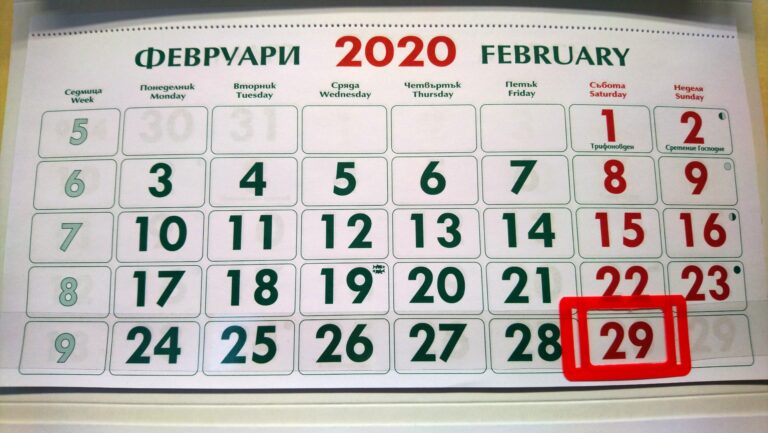
A circle contains 360 degrees. It is beautiful, divisible, and complete. Twelve months of thirty days produce a perfect wheel. The mind looks at such a system and feels relief.
Everything fits.
But the year refuses to fit.
The Earth does not complete its journey around the sun in 360 days. Add five days, and the calendar comes closer. Three hundred and sixty-five days seem to repair the problem.
But even that is not enough.
A small fraction remains.
The year still exceeds the count.
The calendar has a wound.
A hidden opening.
A remainder that cannot be erased.
Modern administration responds by correcting the calendar. Leap years are inserted. The machine adjusts. The system continues.
But the symbolic lesson is deeper than the arithmetic.
Time cannot be sealed.
The world cannot be completely possessed by measurement.
Even the most elegant wheel requires an opening through which reality can correct it.
The crack keeps the calendar honest.
Without it, the calendar would drift away from the seasons it claims to measure. Spring would slowly detach from spring. Harvest would lose its relationship to the sky. The system would remain internally consistent while becoming externally false.
That is one of the great dangers of closed systems.
They can be perfect inside themselves and still lose contact with reality.
The Beauty of the Broken Line
This is why the image of repaired pottery is so powerful.
A broken vessel can be discarded. It can be hidden. It can be repaired in such a way that the damage is concealed.
But another possibility exists.
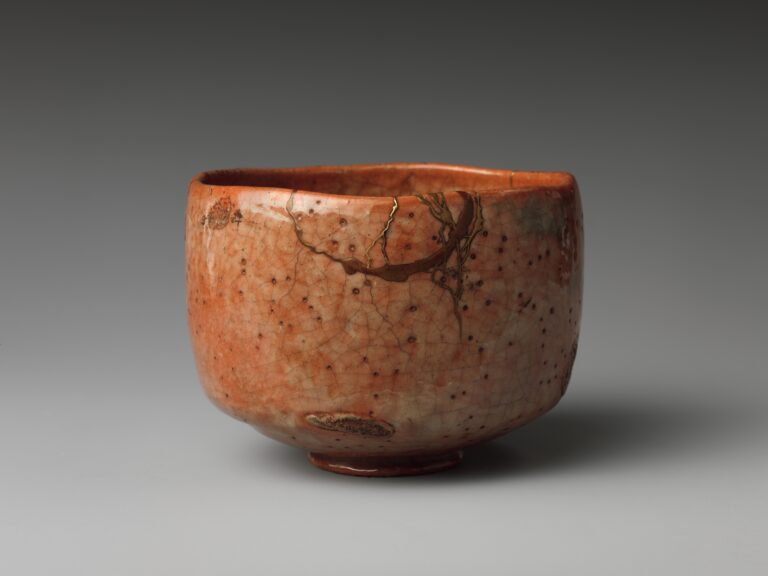
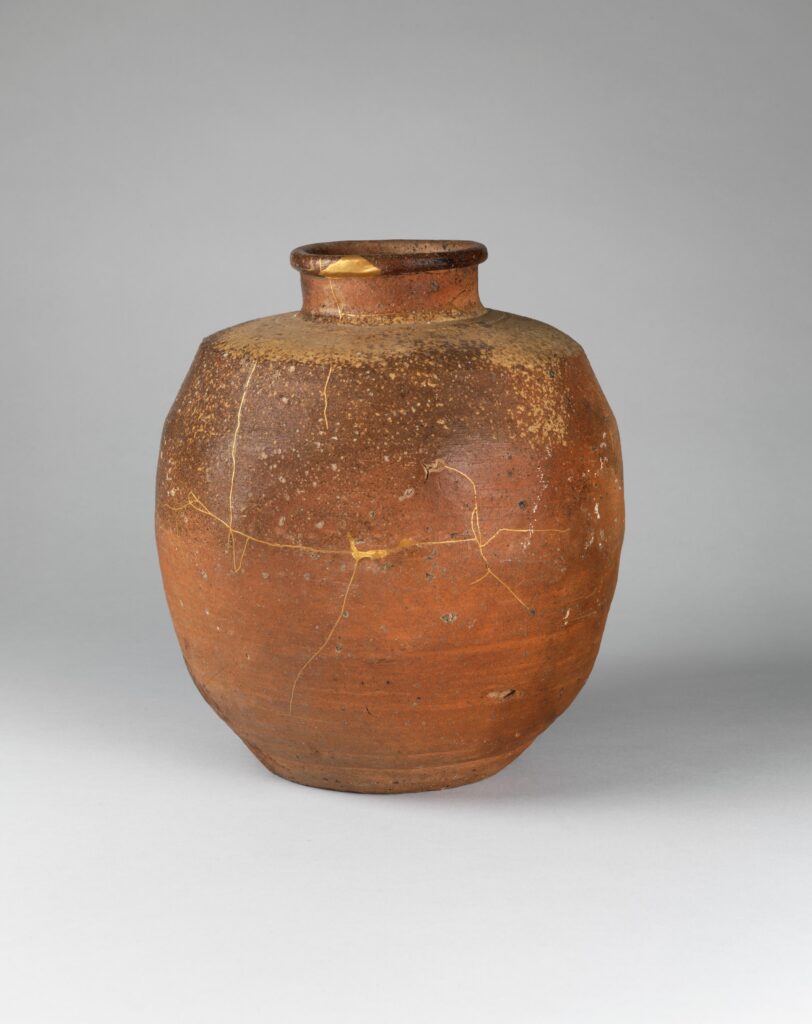
The crack can be filled with gold.
The break can become visible.
The vessel can return, not as if nothing happened, but as something that has passed through breaking and now carries its history openly.
That image matters because it refuses the lie of untouched perfection.
It does not worship damage.
It does not pretend breaking is pleasant.
It does not romanticize pain.
But it also does not erase the wound.
The restored vessel becomes more truthful than the unbroken one because it no longer depends on the illusion that wholeness means never having fractured.
This is close to the heart of Geomytha.
The false self wants perfection without rupture.
Presence allows return through rupture.
The false self says:
Hide the crack.
Presence says:
Let the crack reveal where life returned.
Resurrection Does Not Erase the Wound
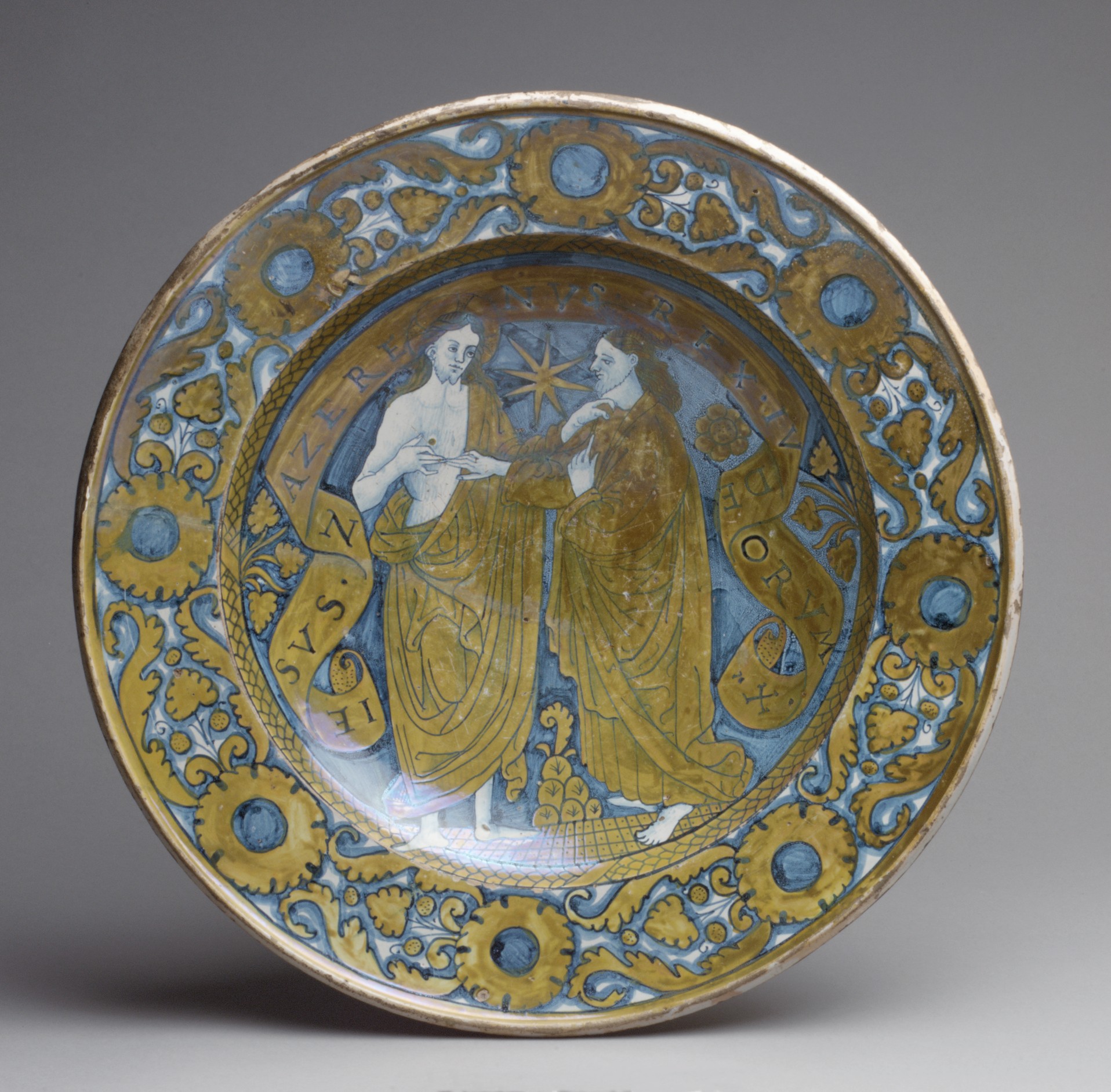
ChristianityReferenceChristianity — Religious TraditionThe Christian religious tradition referenced through resurrection, baptism, and the symbolic Eighth Day.Read full entry → preserves a similar image with astonishing force.
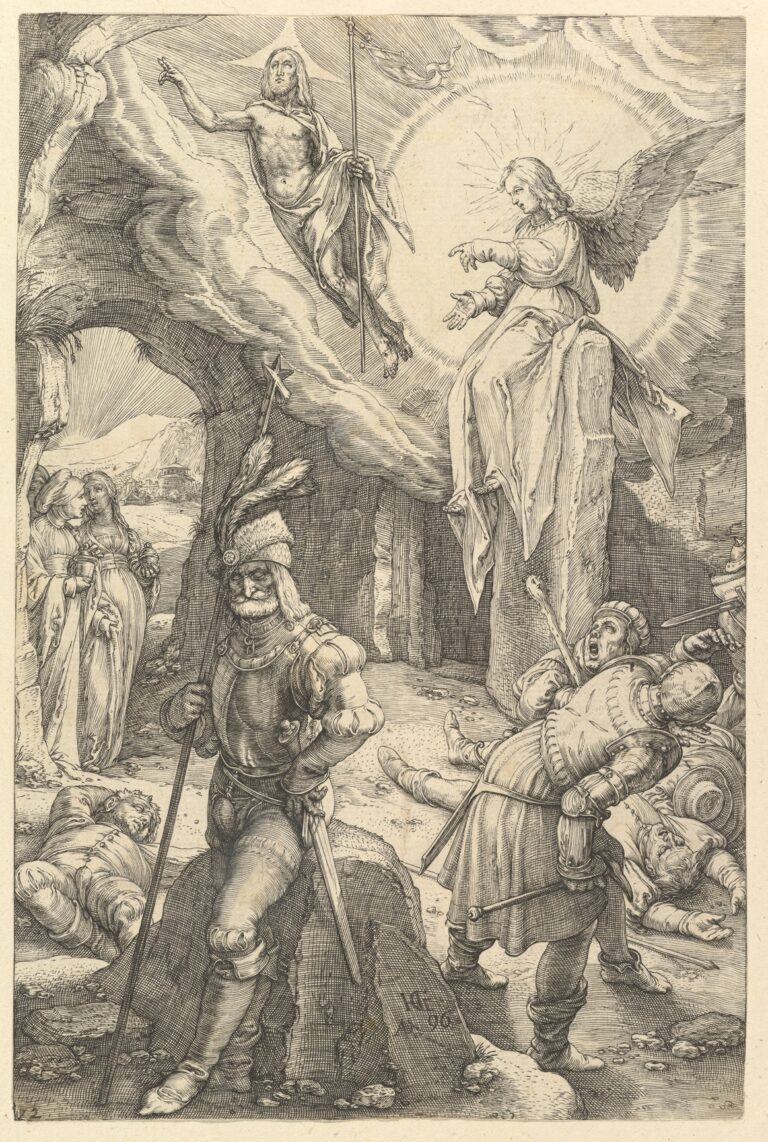
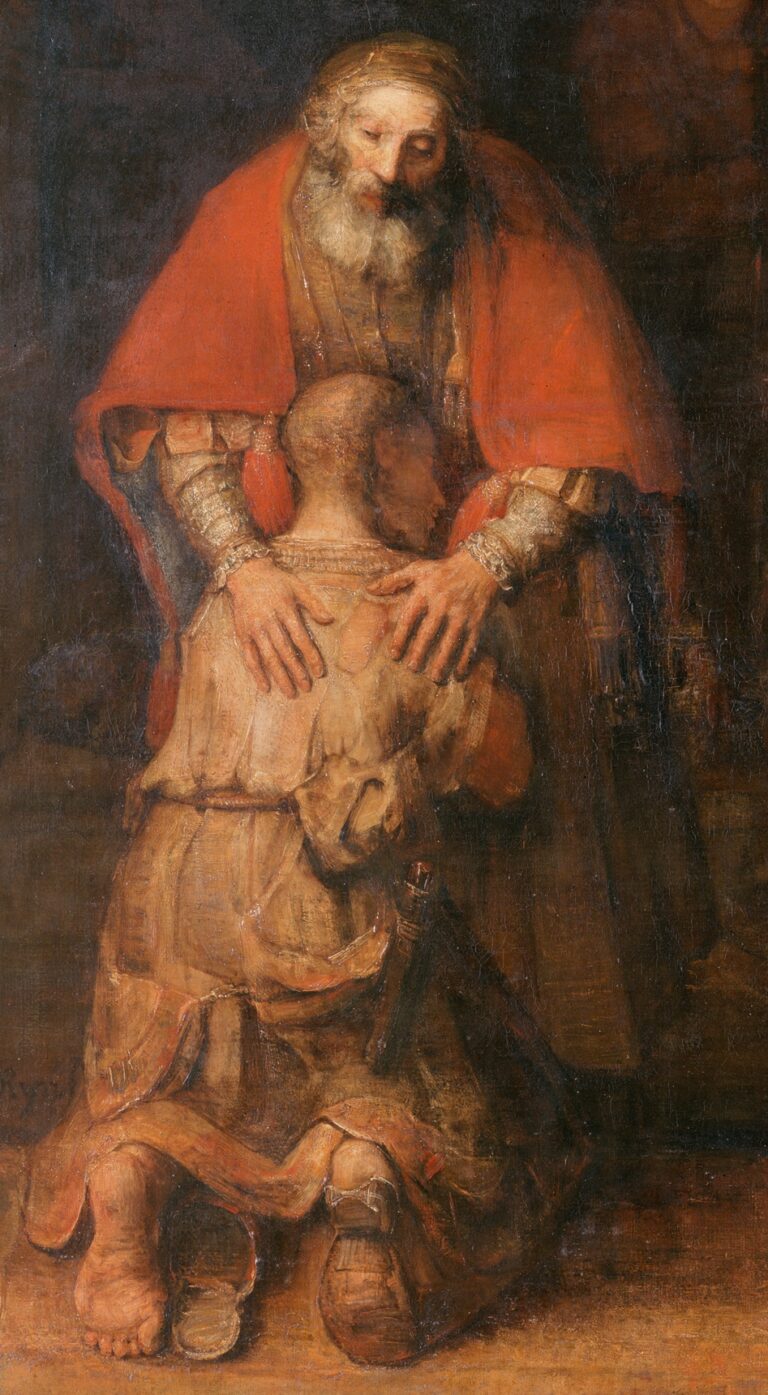
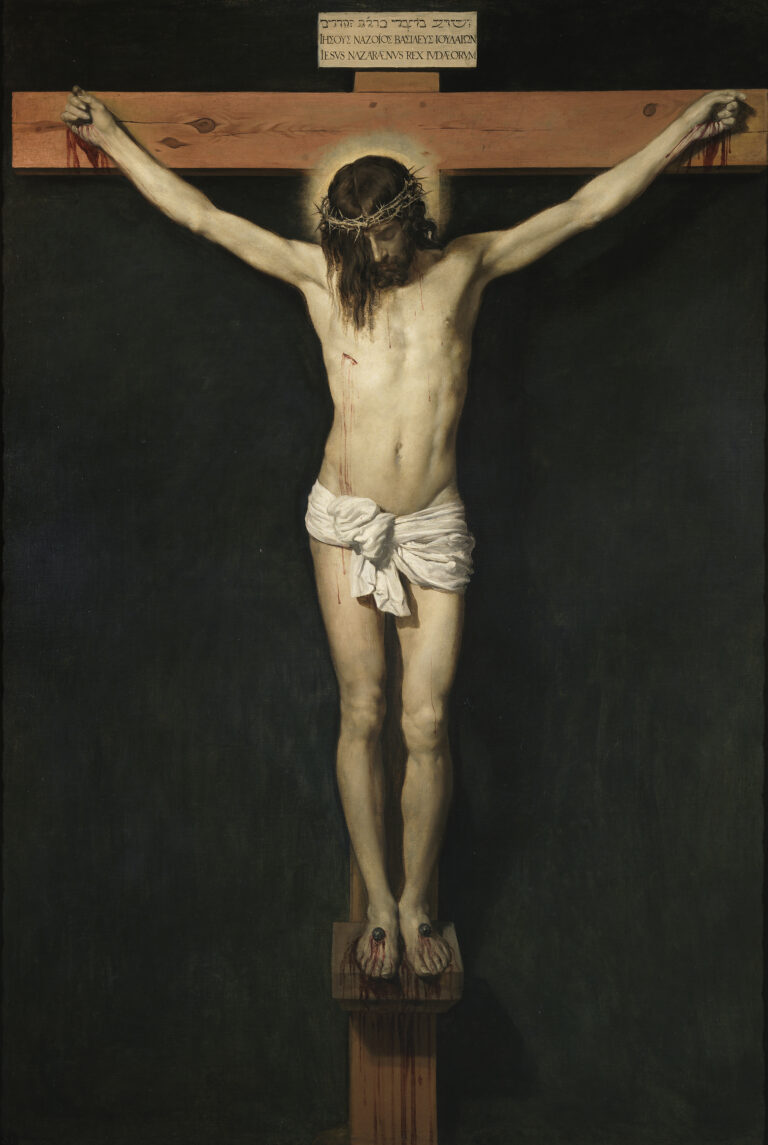
Resurrection does not remove the wounds.
The risen ChristReferenceChristJesus Christ as the central figure of Christianity.Read full entry → is not presented as a body that simply went back to the condition before crucifixion. The wounds remain. The hands, feet, and side still bear the marks of rupture.
This is important.
If resurrection meant merely undoing the break, the wounds would vanish.
But they do not.
The broken place becomes the place of recognition.
The wound becomes witness.
The crack becomes proof that return is not denial.
Return does not mean pretending death did not happen.
Return means death did not have the final word.
The same pattern appears in the symbolism of the Eighth DayReferenceThe Eighth Day — Completion ReopenedEarly Christian writers used the eighth day as a resurrection symbol beyond the completed seven-day week.Read full entry →. The seventh day completes the cycle. The eighth day reopens it. Completion is not destroyed, but it is exceeded. The closed week is cracked open by resurrection.
Life enters through the break in ordinary time.
Not because the world is meaningless.
Not because the cycle is evil.
But because completion alone cannot save.
Something must exceed it.
Something must enter from beyond the sealed order.
Why Closure Becomes Prison
This is where the crack becomes morally and spiritually serious.
Human beings do not only build calendars.
We build identities.
We build explanations.
We build religions.
We build ideologies.
We build self-images.
And then we try to seal them.
We want a story about ourselves with no contradiction. We want a worldview with no remainder. We want a belief system that answers every question before the question can trouble us. We want a self that cannot be accused, interrupted, humbled, or changed.
That is how completion becomes captivity.
A perfect identity cannot repent.
A perfect ideology cannot listen.
A perfect system cannot receive correction.
A perfect self cannot return.
This is why the crack is necessary.
Not because suffering is good.
Not because damage is holy in itself.
But because the closed thing cannot receive.
The closed thing cannot be corrected.
The closed thing cannot breathe.
The crack is where air enters.
The crack is where light enters.
The crack is where the false centerGEOMYTHA readingFalse CenterA false center forms when sovereignty is assigned to an object, role, institution, future state, identity, or projection that cannot actually serve as source.Read full entry → loses its claim to totality.
The Fear Beneath the Crack
The fear of the crack is usually the fear of losing the self.
If the story breaks, who am I?
If the identity fails, what remains?
If the system does not explain everything, where do I stand?
If the world is not closed, how do I control it?
These are not small fears. They are the fears that drive empire, dogma, addiction, vanity, and despair.
The false self depends on sealed structures because it is itself a sealed structure.
It says:
I am thisGEOMYTHA readingThe False-Self Sentence — I Am ThisThe false-self sentence forms when claim joins reflection to a fixed object of identity: I am this.Read full entry →.
This wound.
This role.
This belief.
This achievement.
This failure.
This mask.
This certainty.
The crack interrupts that sentence.
It reveals that the identity was never absolute.
Something deeper was holding the vessel all along.
The Crack and Return
Return begins when the system admits it is not source.
That is true of calendars.
It is true of myths.
It is true of religions.
It is true of the self.
The crack does not automatically heal us. A wound can harden. A break can embitter. A rupture can become another identity if the false self claims it.
But the crack can also become the place where possession loosens.
The place where certainty softens.
The place where the heart stops pretending.
The place where prayer becomes real.
The place where the breath returns.
This is why mercy often first appears as interruption.
The life we planned breaks.
The identity we defended fails.
The explanation we trusted no longer holds.
The wheel refuses to close.
At first this feels like loss.
Later, it may reveal itself as rescue.
The Mercy of the Unsealed World
A world without cracks would be unbearable.
Nothing could enter.
Nothing could leave.
Nothing could be forgiven.
Nothing could surprise us.
Nothing could return.
The sealed world is the dream of the false self: perfect, controlled, defended, final.
But the living world remains open.
The calendar has its remainder.
The week has its eighth day.
The year has its hidden fraction.
The vessel has its golden seam.
The resurrected body has its wounds.
Again and again, the same pattern appears:
The break does not have to be the end.
The opening may be the beginning.
This does not mean every wound is good.
It means every wound asks what will happen next.
Will the crack become bitterness?
Will it become identity?
Will it become proof that nothing can be trusted?
Or will it become the place where life returns without pretending the breaking never happened?
That is the question.
The crack is not automatically mercy.
But mercy enters through cracks.
The calendar keeps time because it admits the remainder.
The vessel becomes beautiful because the break is not denied.
The resurrected body is recognized because the wound remains visible.
And the soul begins to return when the sealed story finally opens.
Perhaps perfection was never the absence of cracks.
Perhaps perfection was always the capacity to let the broken place become transparent.
The crack is where the closed world fails.
The crack is where return begins.
The crack is mercy.