Not all fire does the same work.
This is where many symbolic readings go wrong. They see fire and assume one meaning: destruction, purification, passion, punishment, enlightenment, hell, rebirth, inspiration, apocalypse. But fire changes according to where it stands in the cycle.
There is fire that warms.
There is fire that reveals.
There is fire that is stolen.
There is fire that builds cities.
There is fire that consumes the false world after it has mistaken itself for source.
Geomytha has to read fire by function, not appearance.
A flame at the beginning of the cycle is not the same as a flame at the end. The fire that lets presence become embodied is not the same as the fire that destroys identity’s final lie. One gives warmth to the vessel. The other burns the false claimant out of the vessel.
This is the difference between the First FireGEOMYTHA readingFirst FireFirst Fire is the formative fire of Is → Am: source becoming a vessel capable of reflected presence.Read full entry → and the Second Death FireGEOMYTHA readingSecond Death FireSecond Death Fire is the exposing fire that burns false claim after the identity-world has reached its limit.Read full entry →.
The First Fire forms.
The Second Death Fire ends.
Between them, the claimant builds a world.
The First Fire
The First Fire is the fire between Is and Am.
It is not punishment. It is not ego. It is not the fire of judgment. It is the first warming of source into reflection.
Before the First Fire, there is Is: pure being before possession, awareness before the claimant, the field before identity.
Then something becomes felt.
Not owned. Not named. Not defended. Not made into autobiography.
Felt.
That is Am.
The First Fire is the mystery by which the hidden becomes receivable. The unseen becomes warm. Presence becomes breath, pulse, sensation, body, reflection. The field does not yet say “mine.” It simply glows.
This is why the First Fire is gentle, even when it is powerful.
It is the fire in the womb. The fire in the seed. The fire in the first breath. The fire in the closed mouth hum of M. The fire of being becoming intimate with itself.
A begins.
M receives.
The First Fire forms the vessel.
It does not create the false self. It creates the condition in which life can be felt.
That distinction matters.
The body is not the trap. Feeling is not the trap. Reflection is not the trap. Am is not the trap.
The trap begins when the fire is claimed.
The Claim Hinge
After Am comes the hinge.
Am is the body-field, the moon-field, the mirror, the living reflectionGEOMYTHA readingAm — ReflectionAm names reflected presence: awareness embodied or mirrored without yet becoming ownership.Read full entry →.
Then the claimant appears.
I.
This is the dangerous crossing.
The fire that was simply warming the vessel is now touched by ownership. The field that was simply breathing is interrupted by the one who says:
Mine.
My body. My wound. My fear. My desire. My story. My truth. My awakening. My fire.
This is the hinge where Am becomes vulnerable to I.
The claimant does not create the fire.
It takes the fire and says mine.
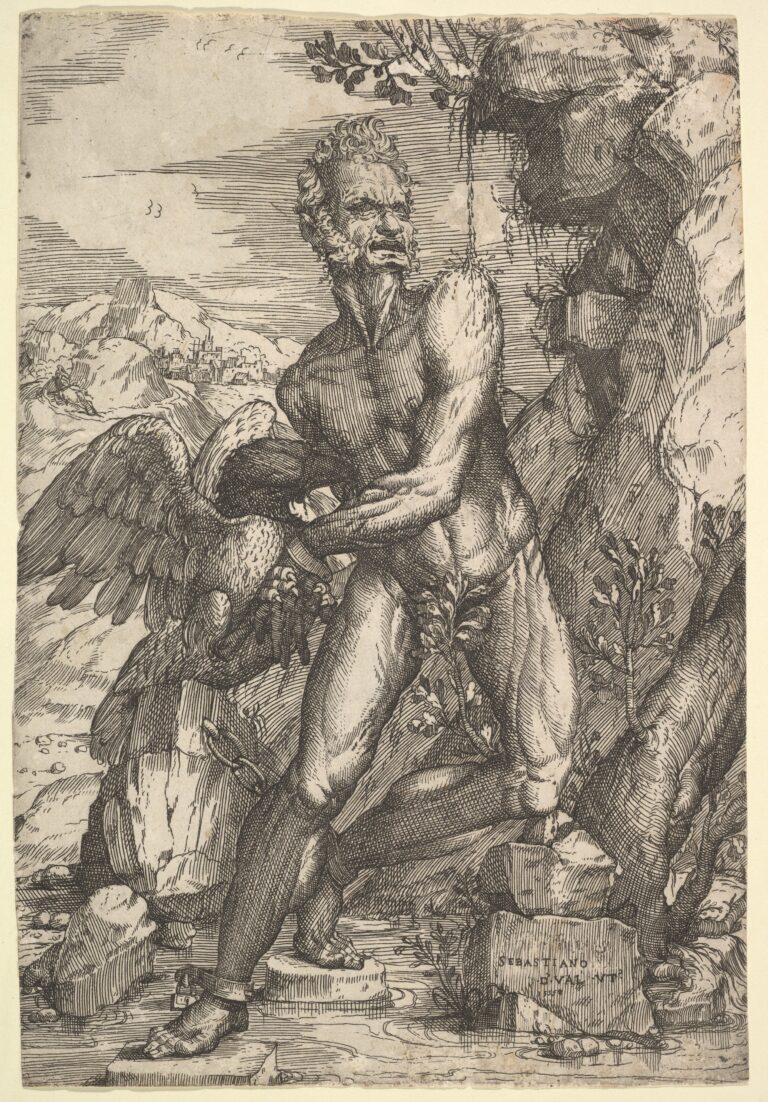
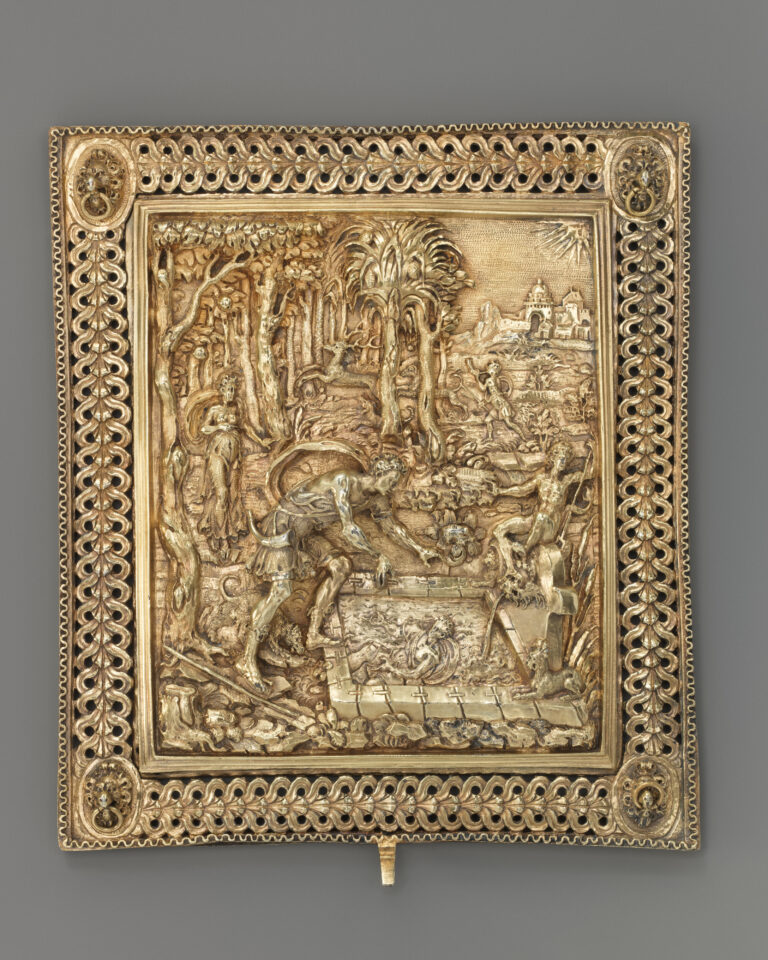
That is why the myth of PrometheusReferencePrometheus — Fire BringerPrometheus is the Titan associated in Greek literary tradition with conflict over fire and its availability to mortals; later visual art repeatedly depicts him bringing or animating with heavenly fire.Read full entry → is so important. Prometheus brings fire to humanity, and the gift is double. It is illumination, craft, technology, culture, warmth, tool, civilization. But it is also danger. Once fire enters the human hand, it can cook bread or burn cities. It can light the hearth or forge the weapon. It can serve life or inflate the one who thinks fire now belongs to him.
The problem is not that fire appears.
The problem is the claim.
When I claims the fire, the grammar changes.
Am no longer simply reflects Is.
Am becomes fuel for identity.
False Expansion
This is where the earlier confusion has to be corrected.
The Second Death Fire does not mean expansion.
Expansion belongs to the claimed-fire field.
Once I claims the fire, the cycle moves outward:
I → This → These → Those → All This
The claimant points:
This.
This body. This wound. This role. This nation. This mission. This belief. This image. This crown.
Then This multiplies:
These.
These are my signs. These are my people. These are my reasons. These are my achievements. These are my injuries. These are my proofs.
Then These creates distance:
Those.
Those are the problem. Those are the enemy. Those are the fools. Those are the impure. Those are the ones who threaten what is mine.
Then all of it hardens:
All This.
All this life. All this world. All this history. All this system. All this struggle. All this proof that the self is real.
This is false expansion.
It is not the Second Death Fire. It is what the Second Death Fire must eventually expose.
Claimed fire builds the world of identityGEOMYTHA readingThe Identity-WorldThe identity-world begins when This no longer remains a single self-description but expands into possessions, enemies, and a total symbolic environment.Read full entry →. It makes masks, kingdoms, ideologies, technologies, religions, political systems, personal mythologies, and spiritual costumes. It turns warmth into fuel for the story of meGEOMYTHA readingNarrative Self-Maintenance / Story of MeNarrative Self-Maintenance is the continuous work of explaining, rehearsing, defending, projecting, and interpreting experience so that the story of me remains central and coherent.Read full entry →.
This is how a single claim becomes a universe.
Not because the universe is false.
Because the claim begins treating its interpretation as the universe.
That is All This.
Revelation and the Second Death Fire
The Second Death Fire belongs after All This.
It is not the fire that begins the world.
It is not the fire that warms the body.
It is not the fire of tools, culture, or expansion.
It is the fire at the end of the false order.
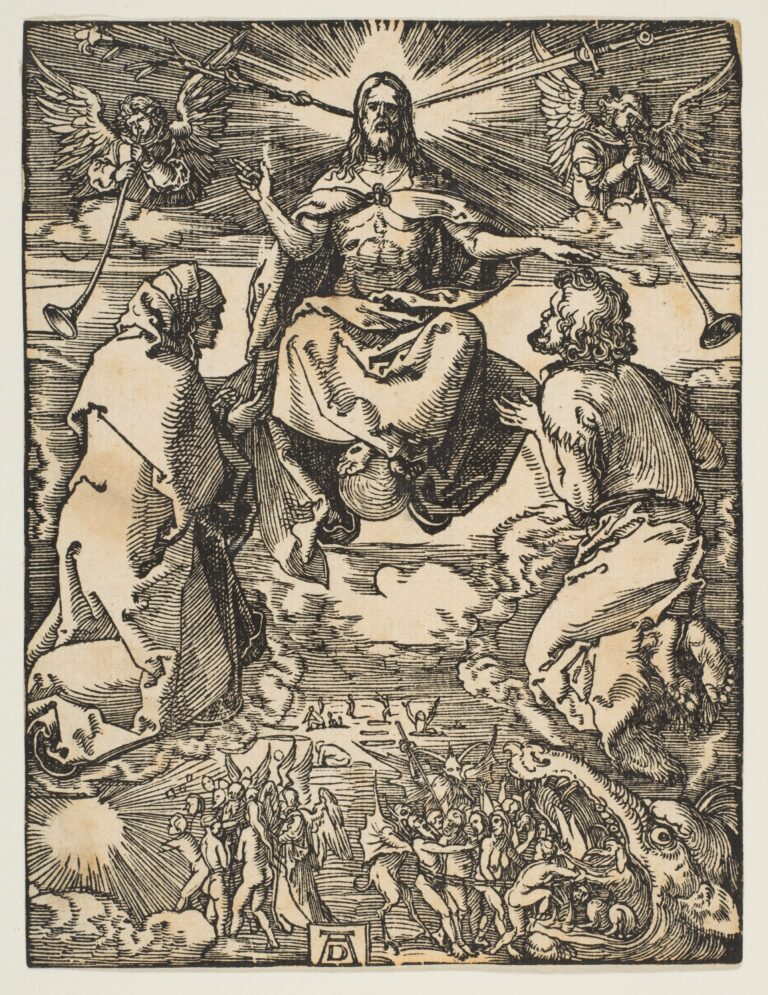
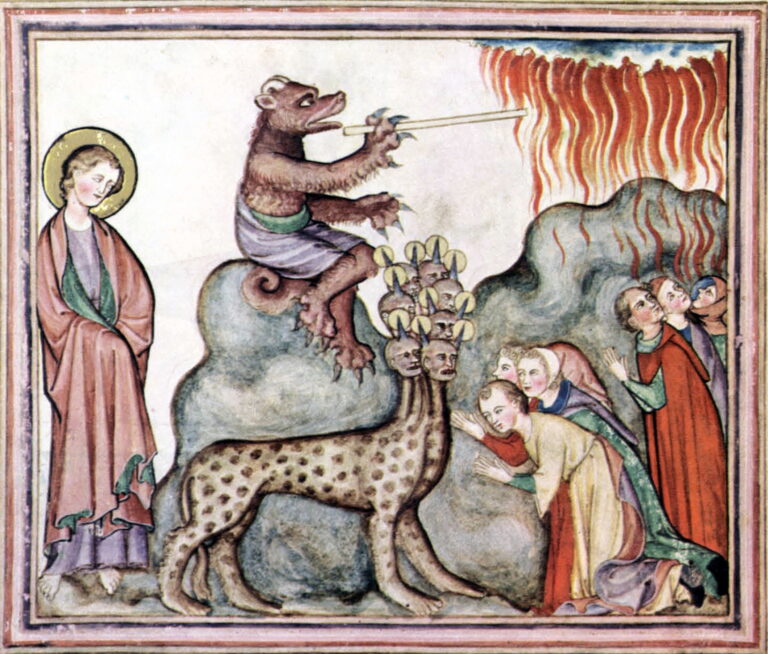
In RevelationReferenceRevelation — Book of RevelationThe final book of the Christian New Testament, also called the Apocalypse of John.Read full entry →, the lake of fire is called the second death. Death and Hades are thrown into it. The beast-system, the false prophet, the deceiving power, the whole machinery of opposition to life reaches its terminal exposure. The point is not expansion. The point is ending.
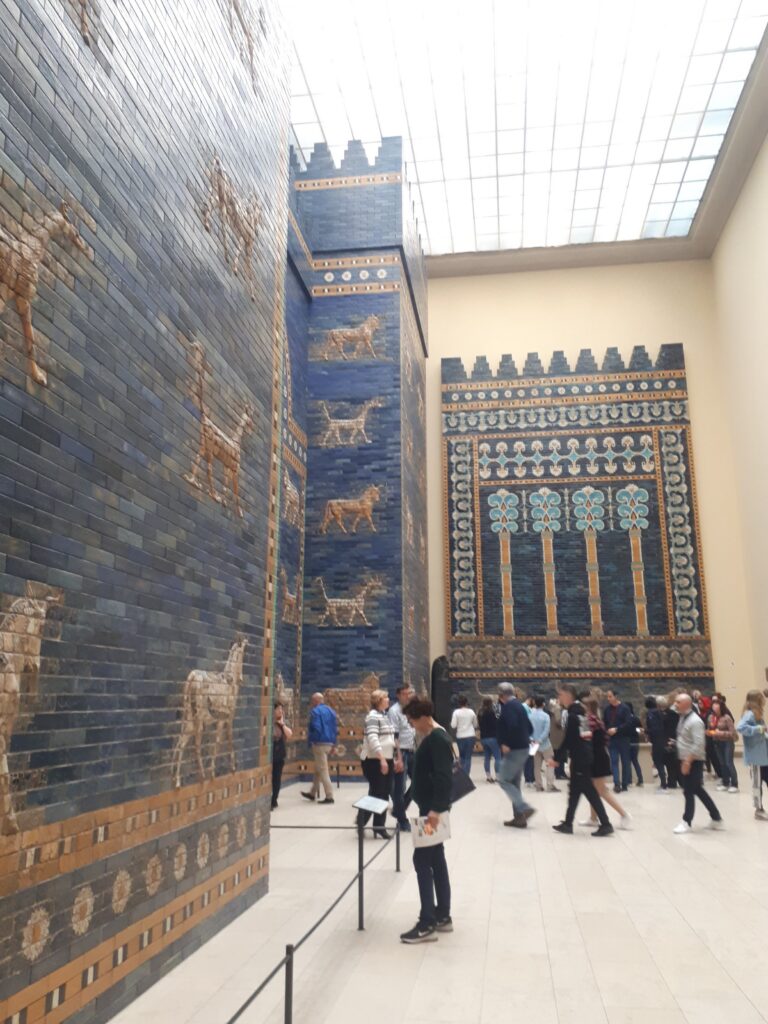
The Second Death Fire does not build BabylonReferenceBabylon — Ancient City / Symbolic EmpireAncient Mesopotamian city and later biblical/apocalyptic symbol of imperial world-order.Read full entry →.
It burns Babylon’s claim to permanence.
This is why the phrase matters. Second Fire must mean Second Death Fire.
It is the fire that arrives when the false world has displayed itself fully, when identity has gathered all its signs, projected all its enemies, built all its systems, defended all its names, and can no longer hide behind becoming.
At that point, the fire does not ask:
What else can you build?
It asks:
What can survive truth?
The Second Death Fire is not cruelty. It is merciful exposure.
It burns what cannot return.
It burns the false sentence:
I am thisGEOMYTHA readingThe False-Self Sentence — I Am ThisThe false-self sentence forms when claim joins reflection to a fixed object of identity: I am this.Read full entry →.
Z Is Not Return
The alphabet tells the same story in miniature.
It begins at A, the first opening of sign. It moves toward M, the closed-mouth hum of Am. A begins. M receives.
That is the First Fire field.
Then comes the hinge:
M → N.
M hums.
N crosses.
The letter N introduces the diagonal, the first fracture after the middle. It is the crossing where the smooth field of Am becomes interrupted by I.
From N to Z, the alphabet becomes the post-claim world.
The line runs outward. Identity names. Forms multiply. Distance appears. Systems harden. The sequence reaches Z, the final zigzag.
But Z is not Return.
Z is the terminal shape of the claimed sequence. It is N exhausted, flattened, finalized. The crossing has gone as far as it can go. There is no next letter.
That is where the Second Death Fire appears.
Not as another letter.
As the silence after Z.
The false sequence burns back into silence, and only then can A begin again without being possessed.
Return is not printed in the alphabet.
Return is what happens when the alphabet stops claiming to be source.
Three Fires That Are Not the Same
The same image — fire — changes meaning according to where it stands.
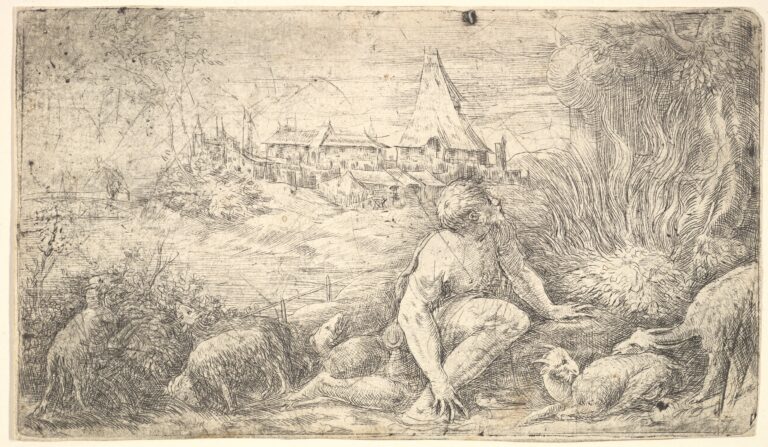
The Burning BushReferenceEhyeh Asher Ehyeh — Exodus 3:14 / Burning BushIn Exodus 3, Moses asks what name he should give the Israelites when they ask who sent him.Read full entry → is not the same as Prometheus’ stolen fire.
Prometheus’ fire is not the same as Revelation’s lake of fire.
The Burning Bush reveals without consuming. It burns, but the bush is not destroyed. This is fire as disclosure, holy presence, calling, the impossible warmth of source appearing in form without exhausting it.
It resonates with First Fire.
Prometheus’ fire enters the human hand. It gives power, craft, tool, civilization, technique, and danger. It is the fire that can serve life but can also be claimed by I.
It belongs to the hinge.
Revelation’s lake of fire belongs at the end. It is not the awakening of the vessel. It is not the gift of technology. It is not creative expansion. It is the fire that ends false identity’s final refusal.
It belongs after All This.
Fire must be placed.
Otherwise the symbol becomes fog.
The Scale as Fire Without Flame
EgyptReferenceEgyptAncient Egyptian cultural and mythic field referenced by the essay.Read full entry → gives another form of the same final fire.
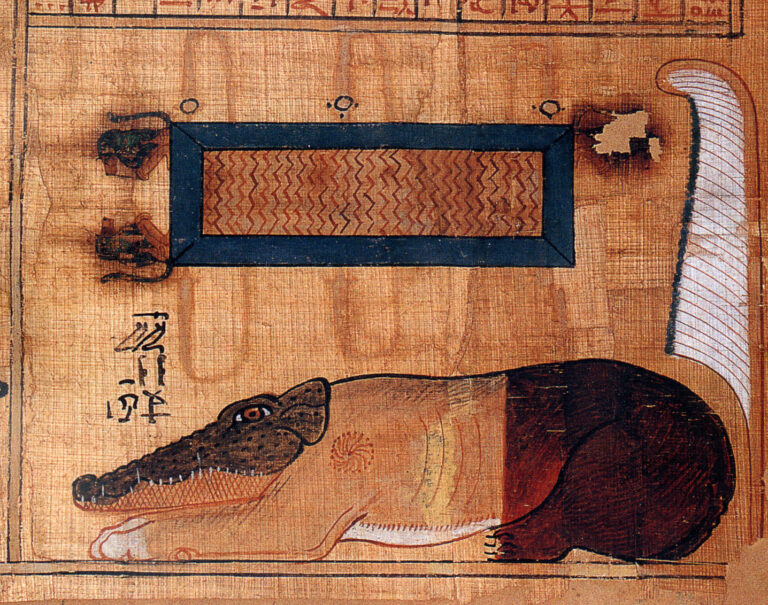
The Weighing of the Heart is a fire-scene without visible flame.
No lake burns in the image. No city falls in smoke. No beast thrashes in apocalypse. Instead, the heart is placed on the scale against the feather of Ma’atReferenceMa’at — Truth, Balance, and OrderEgyptian principle/deity of truth, balance, and right order.Read full entry →.
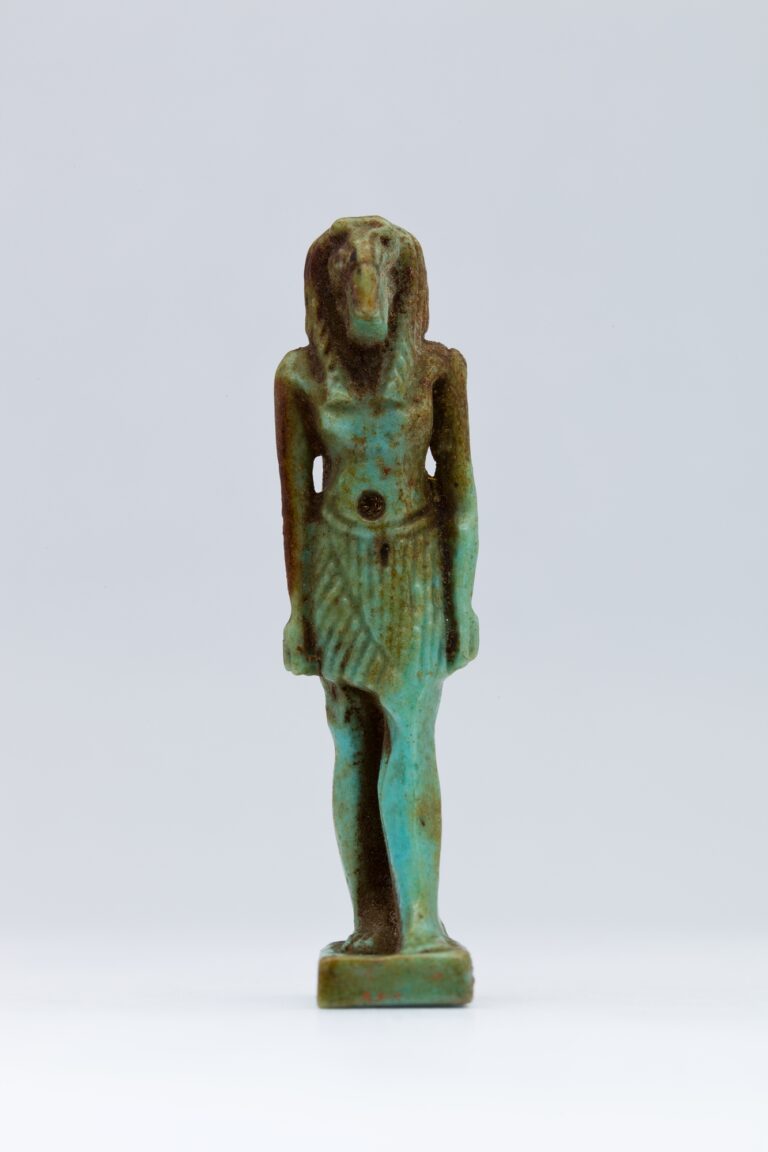
AnubisReferenceAnubis — Egyptian Funerary DeityEgyptian deity associated with funerary rites and the weighing scene.Read full entry → attends.
ThothReferenceThoth — Egyptian Deity of Writing and ReckoningEgyptian deity shown recording the result in the weighing scene.Read full entry → records.
AmmitReferenceAmmit — Devourer in the Weighing of the HeartEgyptian composite being associated with the judgment of the dead.Read full entry → waits.
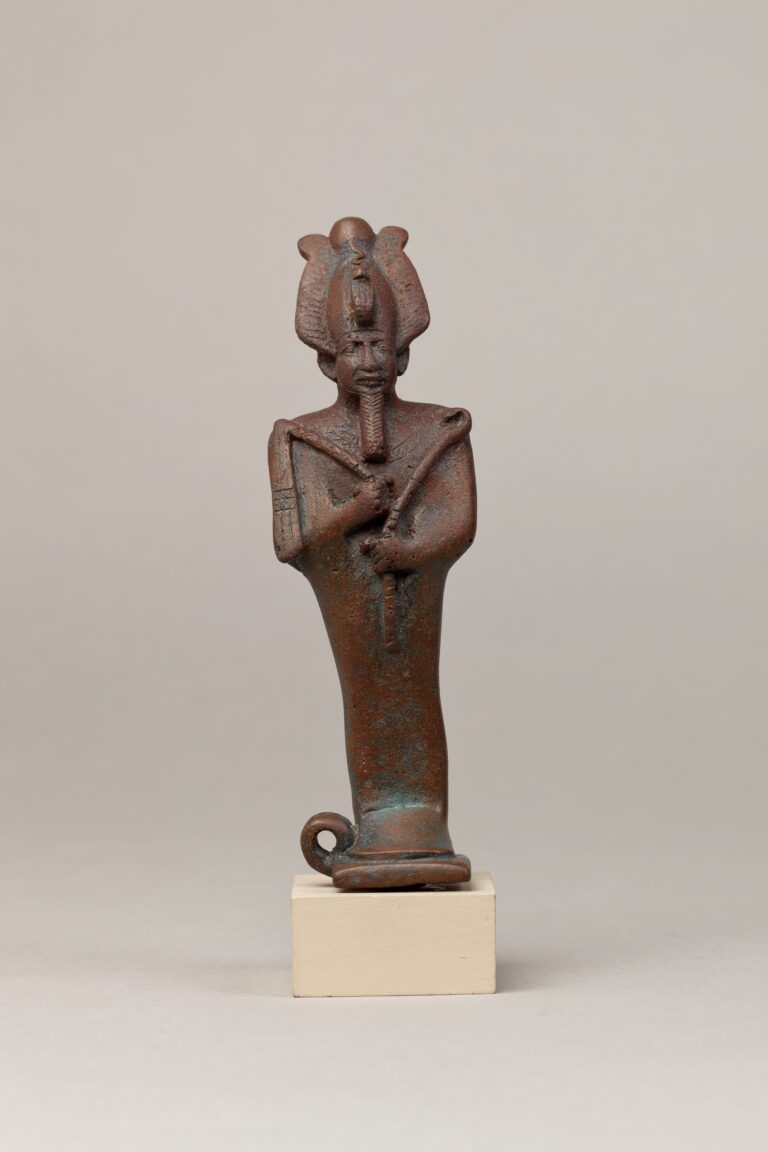
Osiris presides.
The entire identity-world falls silent.
Crowns cannot speak for the heart. Titles cannot speak for the heart. Enemies cannot speak for the heart. Monuments cannot speak for the heart. Rituals cannot speak for the heart. The self’s explanation of itself cannot speak for the heart.
That is fire.
Judgment burns without flame when truth leaves the false self nowhere to hide.
The Egyptian scale is a quiet lake of fire.
It does not ask what the self accumulated.
It asks what the self weighs.
Cards and Goblin Kings
The Second Death Fire does not always look religious.
Sometimes it appears in children’s stories.
In AliceReferenceAlice — Alice’s Adventures in WonderlandAlice, the protagonist of Lewis Carroll’s Alice’s Adventures in Wonderland.Read full entry → in WonderlandReferenceWonderland — Alice’s Adventures in WonderlandThe strange world Alice enters in Lewis Carroll’s Alice’s Adventures in Wonderland.Read full entry →, the court of cards becomes terrifying because Alice is still inside its symbolic authority. The Queen commands. The court accuses. The game pretends to be law. The cards behave as if their flat identities possess real power.
Then Alice sees.
They are only cards.
The world collapses because its authority depended on belief.
That is Second Death Fire in a gentle key. No flame. No lake. No cosmic thunder. Just recognition.
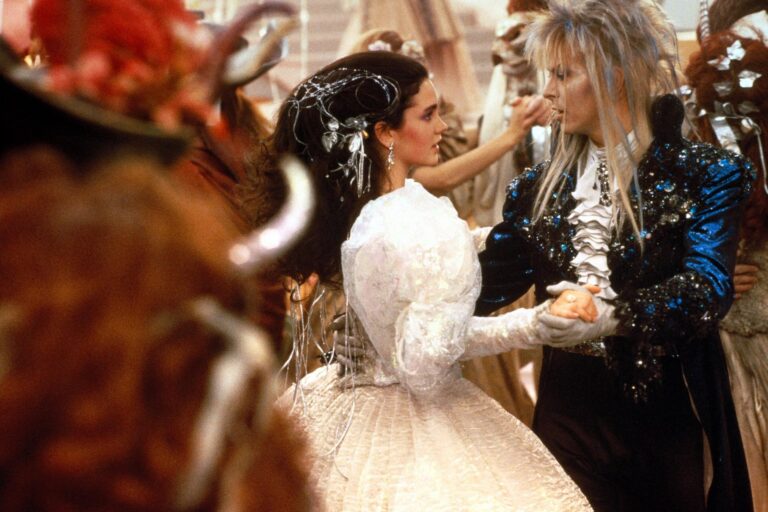
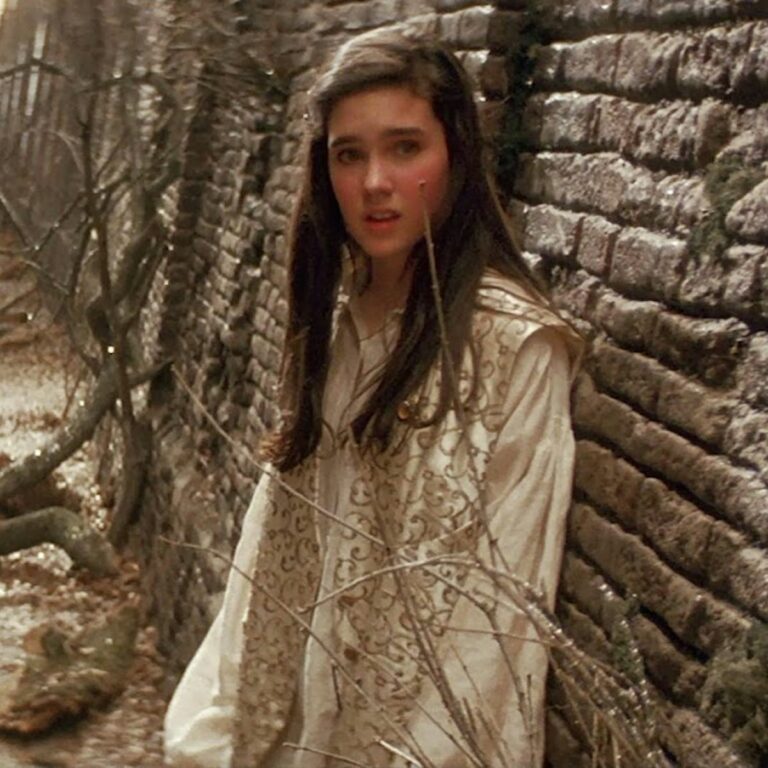
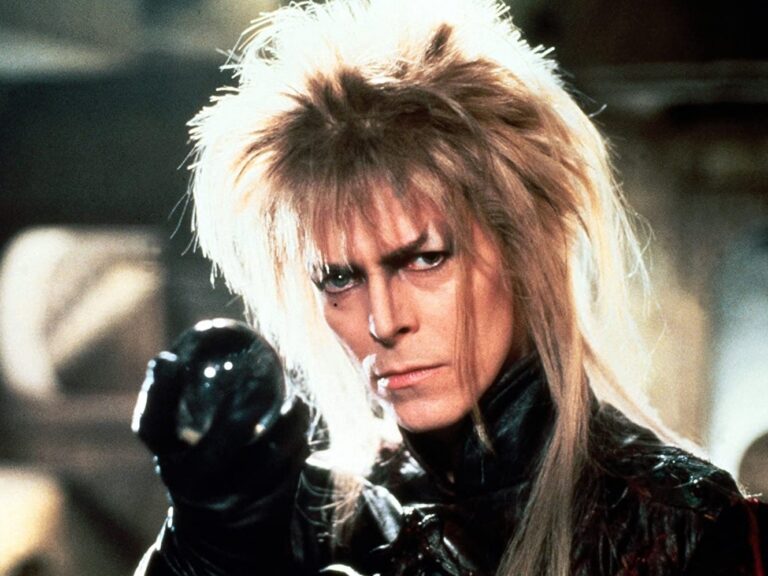
In LabyrinthReferenceLabyrinth — 1986 FilmFantasy film in which Sarah enters the Goblin King’s labyrinth to rescue her baby brother Toby.Read full entry →, SarahReferenceSarah Williams — LabyrinthTeenage protagonist who must rescue Toby from Jareth’s labyrinth.Read full entry → faces JarethReferenceJareth / Goblin King — LabyrinthGoblin King played by David Bowie who rules the labyrinth and holds Toby.Read full entry →, the Goblin King, after moving through a maze of fantasy, resentment, desire, and stolen innocence. Jareth’s power depends on her belief that his world owns something in her.
Then she remembers the line:
You have no power over me.
The false king collapses.
Again, no physical fire is needed.
The fire is recognition.
The Second Death Fire is often the moment false authority can no longer survive being seen.
Let the False Thing Burn
This is where the symbol becomes practical.
Everyone knows this fire.
A role stops working. A wound no longer explains everything. An enemy image collapses. A belief loses its throne. A spiritual identity becomes embarrassing. A personal story suddenly sounds rehearsed. A mask feels heavy in the hand.
The first instinct is to rebuild quickly.
Find a new role. Find a new enemy. Find a new explanation. Find a new identity. Find a new “this” to become.
But the Second Death Fire asks for patience.
Let the false thing burn.
Do not rush to rescue the self-image from its own exposure.
Not every collapse is failure. Sometimes collapse is mercy arriving in a form the ego cannot flatter.
The ego calls every exposure disaster because it cannot tell the difference between death and release.
But the heart can learn the difference.
There is a grief that destroys life.
And there is a grief that destroys only the lie that was standing in life’s place.
The Second Death Fire belongs to the second kind.
Fire as Mercy
The First Fire gives warmth.
The Second Death Fire gives silence.
One forms the vessel. The other burns the false owner out of it.
This is severe, but it is not cruel.
What burns is not Is.
What burns is not Am.
What burns is not the living body, the real heart, the breath, the child, the world, the cup, the door, the morning light, the ordinary life that was never the enemy.
What burns is possession.
What burns is the crown on the jester.
What burns is the false sentence:
I am this.
First Fire says:
Let being be felt.
Second Death Fire says:
Let the false self end.
Between them, identity builds All This. It gathers signs, projects enemies, constructs systems, and mistakes its own world for source.
But the cycle does not end with All This.
It ends when All This stands before fire.
The mercy of the Second Death Fire is that it does not negotiate forever with what cannot return.
It burns the lie back into silence.
And in that silence, the first warmth can be felt again.
First Fire gives the body breath.
Second Death Fire gives the soul back its silence.